
- Area: 16900 m²




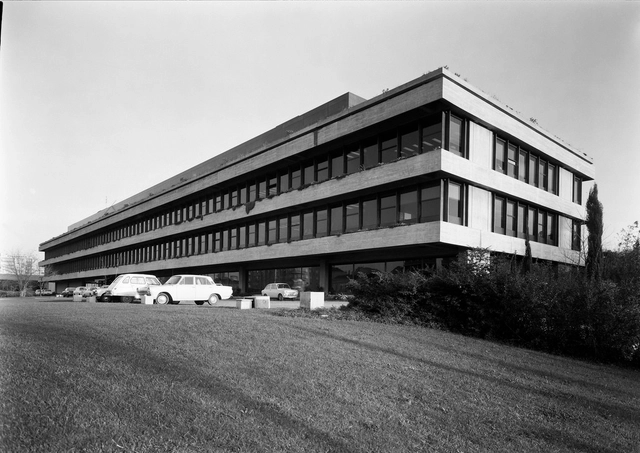




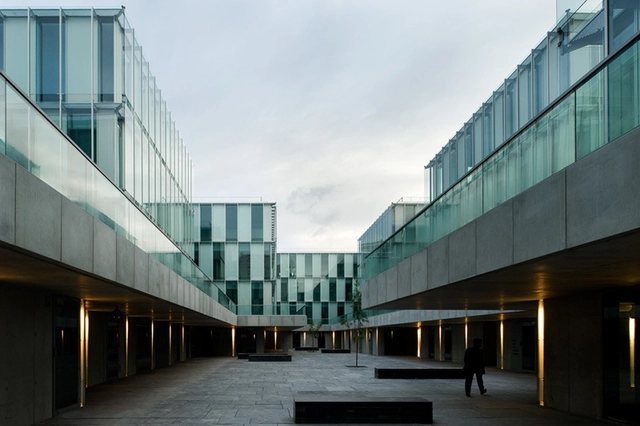
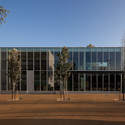
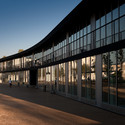
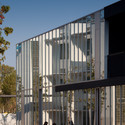
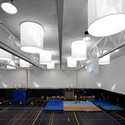
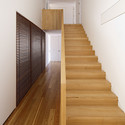
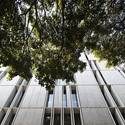
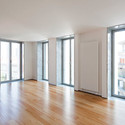
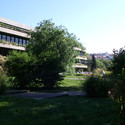
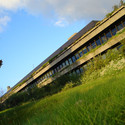
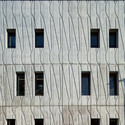
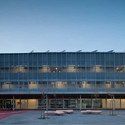
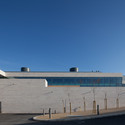
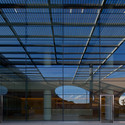
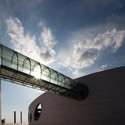
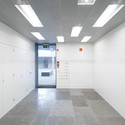
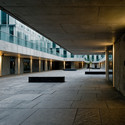
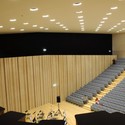
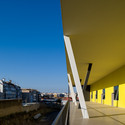
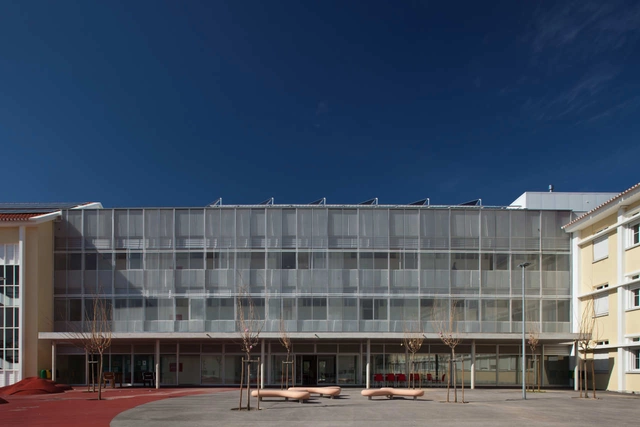
Built in 1968 for second and third cycle students who are between 10 and 15 years of age, the intention of the rehabilitation of the EB23 Luis Verney António (LAV) school was understood as a chance to renew the presence and importance of the school as a reference not only for its users but to the whole community. Consequently, doing so would turn it into a center for meeting and learning.
The winning proposal, designed by LGLS Arquitectos, takes the existing school in the Madredeus area of Lisbon, Portugal to create a reference building in which old and new merge into a single entity. More images and architects’ description after the break.
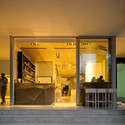
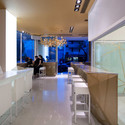
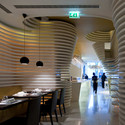
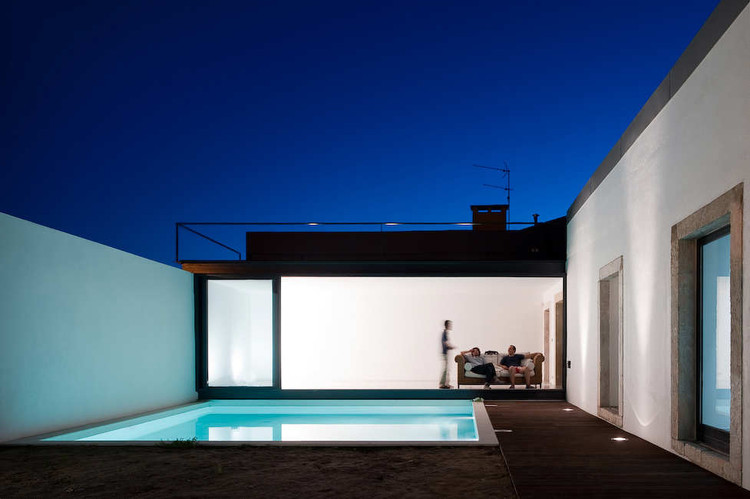
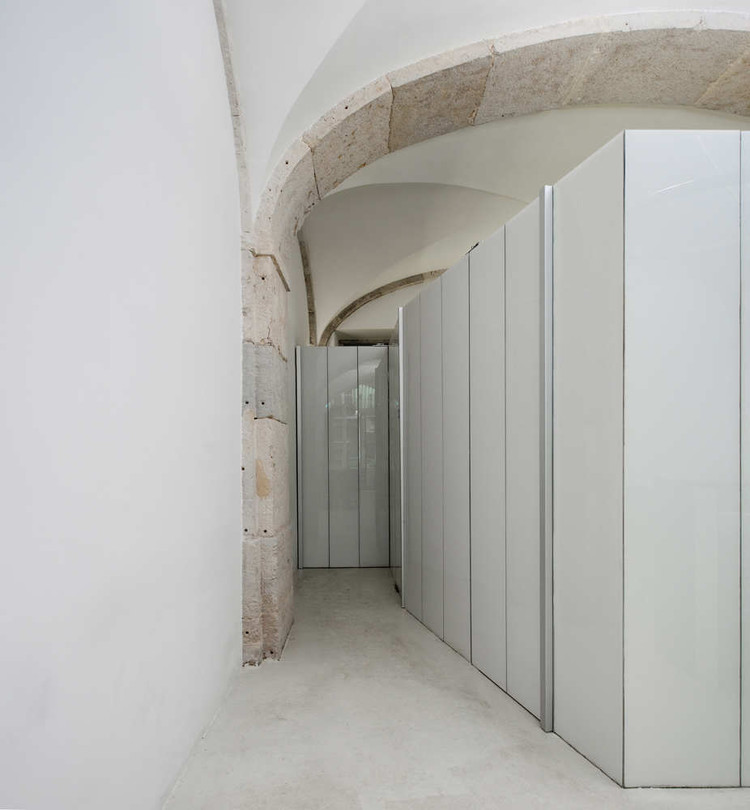
Architects: Pedro Pacheco Location: Lisbon, Portugal Project area: 90 sqm Project year: 2011 Photographs: FG + SG – Fernando Guerra, Sergio Guerra

The paradigmatic Praça de Lisboa, at the core of Porto Historical Centre, seems to be of greater relevance to launch a first debate about interventions in public space, promoting, simultaneously, a global reflection about the process of city’s rehabilitation and about our participation as citizens in that process. Launching an Ideas Competition to Praça de Lisboa, under the name NO RULES, GREAT SPOT: WANTED, IDEAS FOR PRAÇA DE LISBOA (No rules, great spot, is a sentence written on a wall of this space) seems, in this sense, a fundamental action, able to provoke an in-tensive and ex-tensive debate around urban rehabilitation as a shared and informed, participated and discussed city project.

NOGO, with the support of MIARQ from Lusófona University, presents ARCH BATTLE®: NJIRIC vs. BUCCI. Hrvoje Njiric and Angelo Bucci come to Portugal to present their proposals for the Housing Design Project CasaGranturismo, Silves. The event will be moderated by Ivan Rupnik from Northeastern University in Boston.

Nieves Valle & Joao Pereira de Sousa shared with us their proposal for the renovation of a nursing home courtyard, with the implementation of a new accessibility plan in Lisbon, Portugal. Their aim was to bring life back to the courtyard, which was not being used. Therefore, they envisioned the space as a garden, where flowers bloom and fill with colors on both the exterior and interior spaces of the building.
The result is a transformation of the existing levels into a continuous surface, linking the different levels. They picked up from the mobility concept and applied it more widely and efficiently through the use of elements that will strengthen the social ties between the inhabitants of the nursing home. More images and architects’ description after the break.