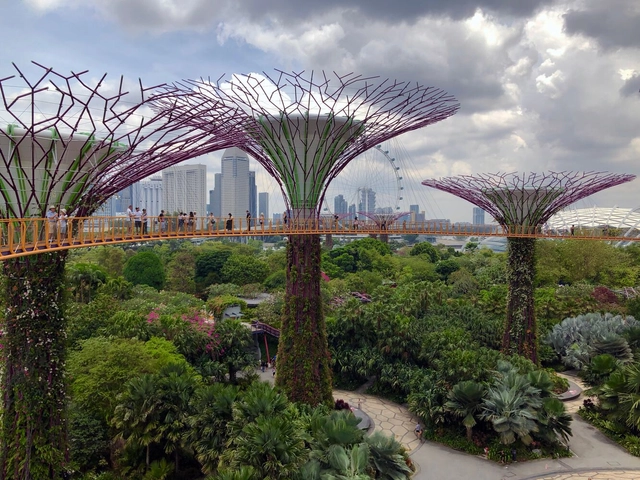
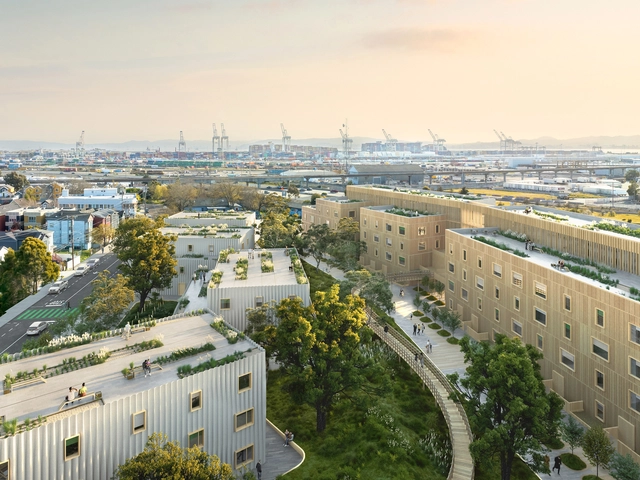
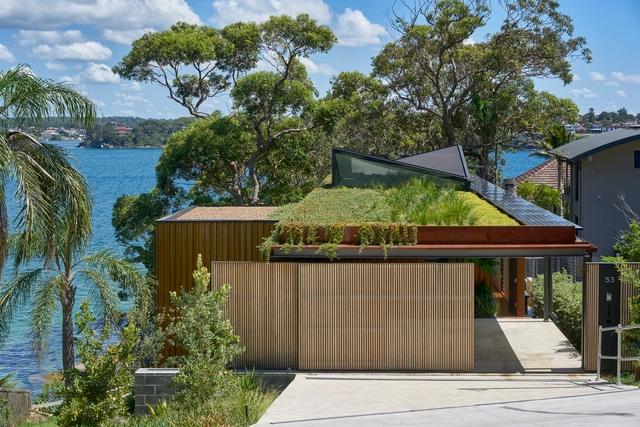
Marina Gardens, Singapore. Image by Nick Fewings Unsplash
For a long time, sustainability in the architectural field was synonymous with technology. Efficiency was directly linked to innovative technological devices that adorned buildings with gadgets. Nowadays, however, sustainability increasingly encompasses different strategies that also involve acknowledging vernacular techniques and local materials as crucial for creating sustainable and carbon-neutral buildings.
Nevertheless, regardless of the technique or materials employed, the common denominator is the pursuit of reducing the carbon footprint of our architecture, which demands changes in how buildings are conceived, constructed, and operated. In other words, whether returning to vernacular methods or utilizing cutting-edge applications, these strategies aim to reach the same destination and, therefore, are equally valid despite being vastly different.
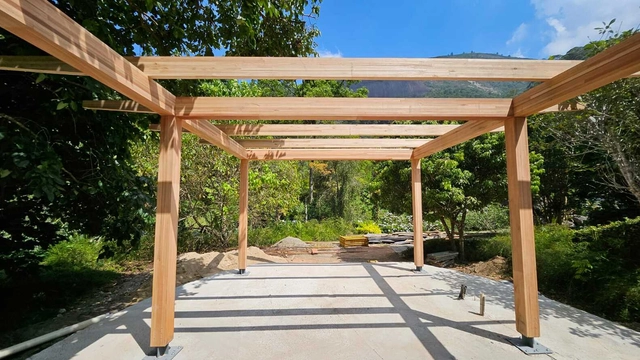
It's fascinating to observe the current state of wood in the world of architecture. The material, once seemingly forgotten by modernity, has resurged with full force, facing significant challenges but also revealing promising opportunities. The aesthetic and architectural appeal of engineered wood, coupled with its intrinsic association with sustainability, has been a catalyst for the increase in wood-centric projects around the world.
Due to technological advancements and research into the limits and possibilities of this material, there has been a significant leap in the development of wood in construction. Buildings around the world are being erected with wooden structures, driven by the increasing interest in sustainable solutions based on renewable resources, a demand from both the public and architects and their clients.
A few days before the end of November, Gramado, a city known as one of the most sought-after tourist destinations in southern Brazil, grabbed the attention of national and international media. Unfortunately, it wasn't due to its film festival or the traditional lavish Christmas festivities. The city, already suffering from weeks of persistent rain, witnessed the emergence of massive geological rifts tearing through its streets, creating a post-apocalyptic movie-like scenario.
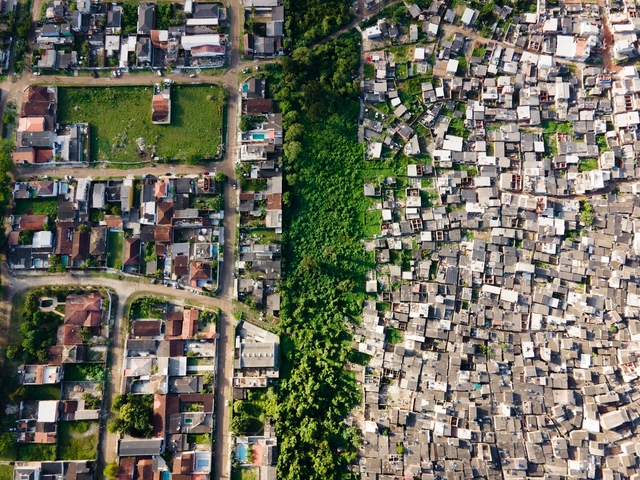
The imminent danger of ground movement alerted the population and the authorities, who promptly evacuated the buildings on the hills of the condemned neighborhood. This course of action proved entirely effective and responsible, as one of the buildings within the designated area did indeed collapse three days after the evacuation. However, it is worth noting a detail: the affected neighborhood consisted of upscale residences and luxury hotels and inns, which raises a question: would the efforts have been the same if the situation occurred in lower-income peripheral neighborhoods?
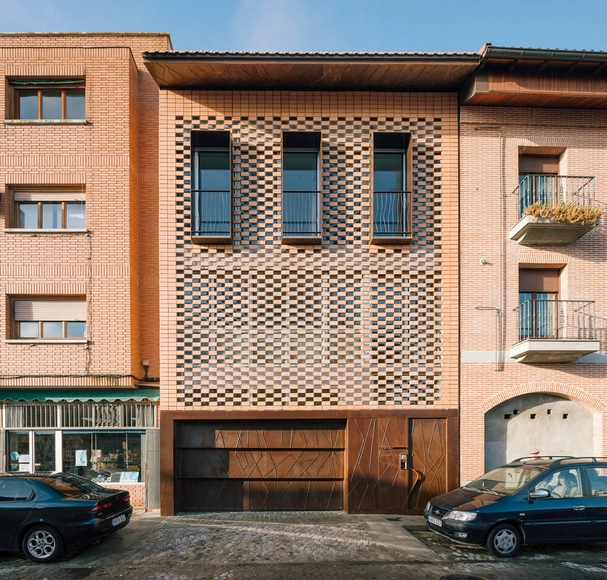
The duality of sunlight in the field of architectural design presents fascinating contrasts, especially when addressing the question of how to interact with it through the built environment and the materials that define architecture. The sun's influence in this discipline has become an essential part of the cultural heritage of some countries, as evidenced by Spanish architecture, where the interaction with sunlight manifests through elements such as lattices. These lattices are recognizable on the facades of buildings from the Middle Ages, exemplified by structures like the Alhambra, to 20th-century constructions such as Casa Gomis, considered historical monuments.
The facade, being the skin of the building, is the architectural component that is usually directly exposed to sunlight. Based on this premise, we seek to establish a dialogue between openness to the environment and the need for protection, thus creating a synergy between functionality and aesthetics. In this context, sunscreen facades have been developed through various approaches, standing out for their ability to address this design condition. For this reason, we have selected solar control solutions from Spanish brands, distinguished by their technical characteristics and materiality through various approaches.
https://www.archdaily.com/1010864/sunscreen-facades-from-ceramic-textile-systems-to-double-skin-glassEnrique Tovar
The global housing crisis generates a wide range of challenges, from those who are in situations of homelessness, to the realities of millions who face unaffordable housing conditions, overcrowding, and excessively high rents. Tackling this involves political will, the union of the state and private companies, and innovative solutions that prioritize accessibility, sustainability, and government mechanisms that enable a functioning system. Amongst all of these factors though, one thing is certain: we need to build massively in the future to improve the housing situation. The implementation of efficient construction methods, such as prefabrication and modular construction, can speed up the creation of affordable housing units, reducing construction costs and timeframes. Adopting green building practices, such as using recycled materials and designing energy-efficient structures, not only contributes to sustainability but minimizes long-term operating expenses for residents.
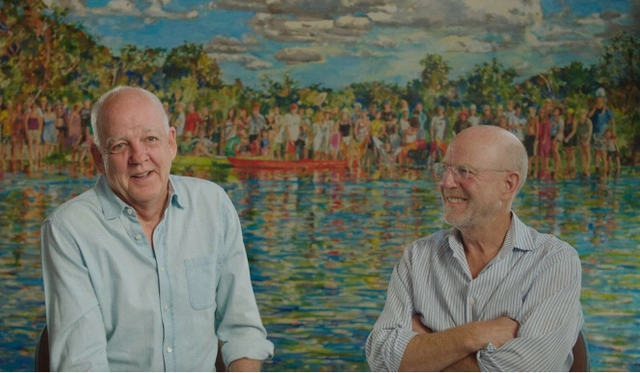
The American Institute of Architects has announced David Lake and Ted Flato, the founders of Texas-based firm Lake|Flato Architects, as the winners of the 2024 AIA Gold Medal. The pair was selected by the jury for their ability to make "sustainability exciting in a way few other architects have accomplished." Founded in San Antonia in 1984, their office set out to make environmentally conscientious design both accessible and exciting, by finding ways to strengthen he bond between humans and nature.
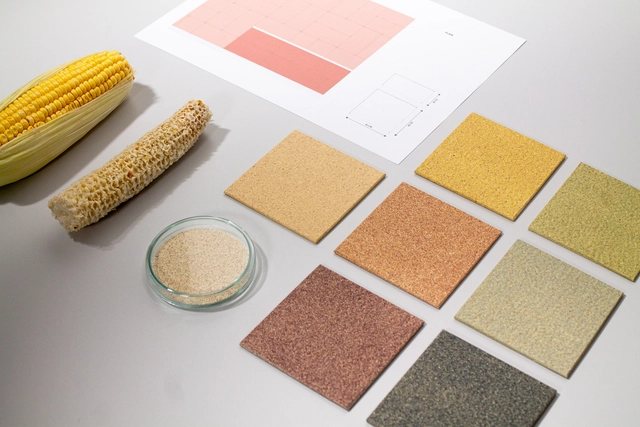
The practice of upcycling –present in a variety of industries from fashion to construction– not only revitalizes discarded items, adding new values and functions, but also contributes to turning them into valuable resources. Adopting the spirit of the circular economy by harnessing agricultural waste such as corn cobs, rice straw, and sugar cane bagasse for building materials marks a fundamental shift towards sustainable practices, promoting a closed-loop system that minimizes waste and optimizes resource efficiency.
CornWall®, developed by StoneCycling, is a pioneering innovation in this regard. Inspired by the need to shift to a bio-based economy, it incorporates a transformative solution that addresses the pressing concerns of the construction industry's environmental impact. It is a wall-finishing material made from plant biomass, obtained mainly from the cores of regionally sourced corn cobs. This organic waste is widely available and is usually destined for fermentation, burning as biomass, or becoming simple organic waste. We spoke to Ward Massa from StoneCycling to better understand this material.
Even the most mundane elements of everyday life have undergone remarkable developments throughout the years, especially when it comes to practicality, efficiency, and sustainability. A notable example is the contemporary toilet, an essential element for any home or public space, which has undergone significant transformations. Although they may appear to have remained relatively unchanged over the decades in terms of design and materials, incorporating technology has been the main development, offering improvements in comfort, variety of design, and innovative features. The evolution of toilets transcends mere functionality, representing a fusion of technology, design, and sustainability to create a holistic bathroom experience.
In the rapidly evolving landscape of the 21st century, cities have emerged as models of innovation in terms of sustainable development goals. Cities creatively address pressing urban challenges, including density, transportation, housing, and resilience. They hold the potential to pioneer a comprehensive climate agenda, serving as laboratories for sustainable initiatives, cross-sectoral innovations and community-oriented strategies. Cities act as catalysts for revolutions, implementing impactful solutions that can be applied worldwide.
Solar heating has existed in architecture since ancient times, when people used adobe and stone walls to trap heat during the day and slowly release it at night. In its modern form, however, solar heating first developed in the 1920s, when European architects began experimenting with passive solar methods in mass housing. In Germany, Otto Haesler, Walter Gropius, and others designed schematic Zeilenbau flats that optimized sunlight, and following the import of “heliotropic housing” to the U.S., wartime fuel shortages during World War II quickly popularized passive solar heating. Variations of this system then proliferated around the world, but it was not until 1967 that the first Trombe wall was implemented by architect Jacques Michel in Odeillo, France. Named after engineer Felix Trombe, the system combines glass and a dark, heat-absorbing material to conduct heat slowly into the house.
https://www.archdaily.com/946732/how-does-a-trombe-wall-workLilly Cao
Moving towards modernity implies questioning established concepts. Today, we are witnessing several projects and approaches in architecture that explore alternatives to energy-intensive building systems, materials, and technologies commonly used in today's construction. These projects, far from adopting approaches that reject technology, seek to promote conscious architectural practices. They aim to go back to basics through passive strategies, using natural materials and a contextual understanding to develop sustainable architecture.
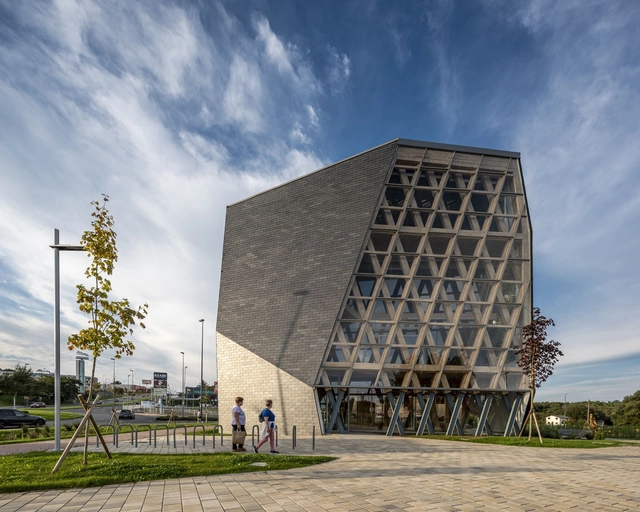
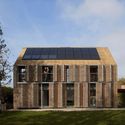
To boost sustainable architecture, it is crucial to have building models and materials that become recognizable icons in their immediate context, thus setting a precedent for the development of future proposals. One such example can be found in Spain, with the "Impulso Verde" project carried out in the city of Lugo which stands out for its construction model based on passive strategies and regional materials. In this project, using natural slate as cladding for the ventilated facade system and employing local resources in the structure was essential for the building's ecological footprint. Additionally, these elements strengthen the building's identity by connecting it to the surrounding landscape.
https://www.archdaily.com/1010187/sustainable-building-models-an-eco-friendly-structure-in-natural-slate-within-a-multi-ecological-neighborhoodEnrique Tovar
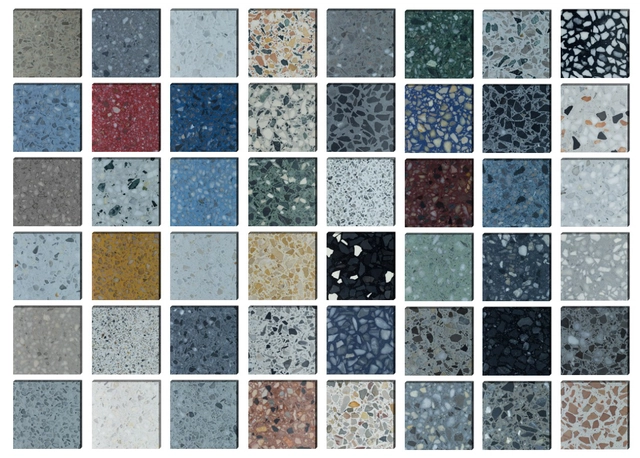
Initially conceived as a way to use fragments from marble construction waste, terrazzo is a material widely used around the world, with its modern roots dating back centuries to Venice, Italy. Its aesthetic is unmistakable, characterized by mottled patterns and a wide range of colors poured onto the floor. It is not surprising that this material is widely appreciated by architects in various types of projects due to its unique appearance. A notable example of the use of terrazzo is the Guggenheim Museum in New York, designed by Frank Lloyd Wright. Upon discovering it during one of his trips, Wright recognized that thanks to its aesthetic appeal and versatility, it would endure as the museum's interior finish.
The evolution of construction materials has transformed terrazzo from the traditional mixture used by Wright, which included concrete as a binder, to a version that incorporates an epoxy matrix, enhancing its iconic aesthetic and integrating additional technical capabilities. Today, Terrazzo & Marble empowers contemporary designers to create distinctive patterns and vibrant color palettes that seamlessly align with the context of modern architecture. This is accomplished through four leading principles that guide architects in specifying epoxy terrazzo.
https://www.archdaily.com/1009577/mottled-and-timeless-why-do-architects-and-designers-specify-epoxy-terrazzoEnrique Tovar
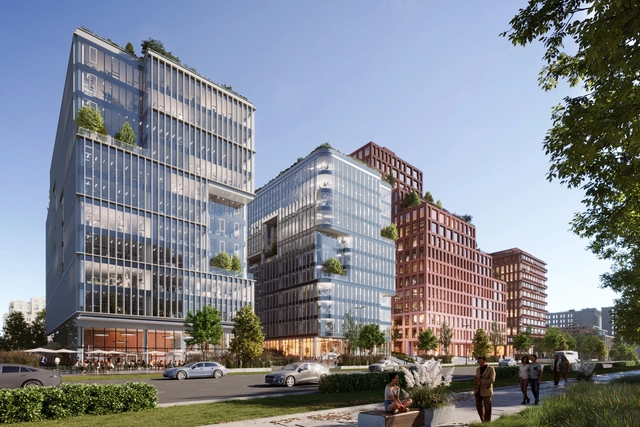
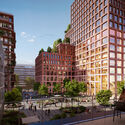
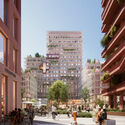
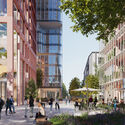
MVRDV and Orange Architects collaborate on the NUVO project, a new mixed-use complex to be built in Ukraine’s capital, the team of architects has revealed their design for three of the buildings that will become part of NOVO. Commissioned by Kovalska, the project is now restarting after work was put on hold due to the active conflict in Ukraine. The two firms are collaborating to refine the master plan initiated by APA Wojcehowski Architects.
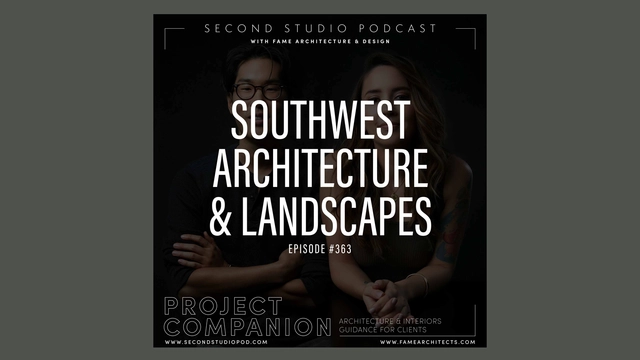
The Second Studio (formerly The Midnight Charette) is an explicit podcast about design, architecture, and the everyday. Hosted by Architects David Lee and Marina Bourderonnet, it features different creative professionals in unscripted conversations that allow for thoughtful takes and personal discussions.
A variety of subjects are covered with honesty and humor: some episodes are interviews, while others are tips for fellow designers, reviews of buildings and other projects, or casual explorations of everyday life and design. The Second Studio is also available on iTunes, Spotify, and YouTube.
This week David and Marina of FAME Architecture & Design discuss the local architecture, adobe buildings, and natural landscapes of the southwest region of the United States. The two cover the role nature has in cities, designing experiences, how architecture can co-exist with the natural landscape, craftsmanship, and more. Destinations included the Taos Pueblo in New Mexico, Monument Valley, Antelope Canyon, Frank Lloyd Wright’s Taliesin West, and Paolo Soleri’s Arcosanti.
Including sustainable strategies in architectural projects is not just a trend, it is a necessity. Each day we become more aware of the importance of responsibly managing natural resources and understanding the environmental factors involved in designing a project.
Solar energy is one of the most commonly employed strategies in residential architecture, both active and passive. Many countries around the world offer incentives to encourage the use of solar systems, and the benefits of installing these systems can be seen in a short period of time, with a reduction of up to 95% in the monthly energy expenses, which makes this strategy one of the most attractive of all sustainable solutions. Furthermore, the average lifespan of a solar panel is 25 years, operating entirely on its own and requiring only basic cleaning once a year.
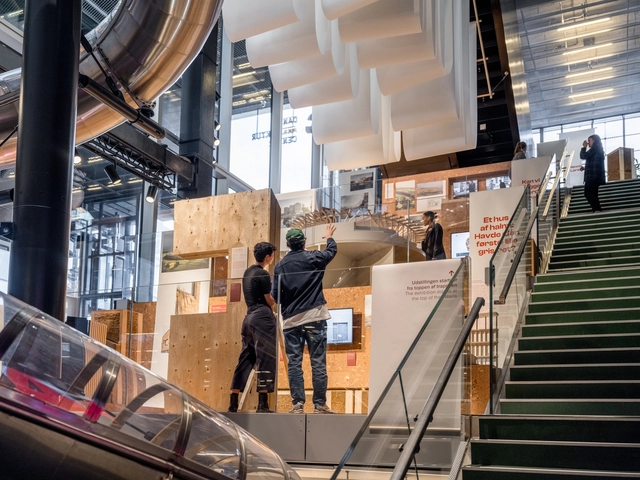
In a bid to explore new materials and methods for more sustainable construction, Henning Larsen opens the “Changing our Footprint” exhibition at the Danish Architecture Center in Copenhagen. The initiative, open from November 17, 2023, until March 3, 2024, aims to showcase ideas for more climate-friendly architecture and to start conversations on architecture and construction’s role in mitigating the effects of climate change. This represents the second iteration of the exhibition, as the first version opened at the Aedes Architecture Forum in Berlin earlier this year.
As has been widely reported, the construction industry is responsible for approximately 40% of all global carbon emissions. This is an enormous issue, and there is no single solution.
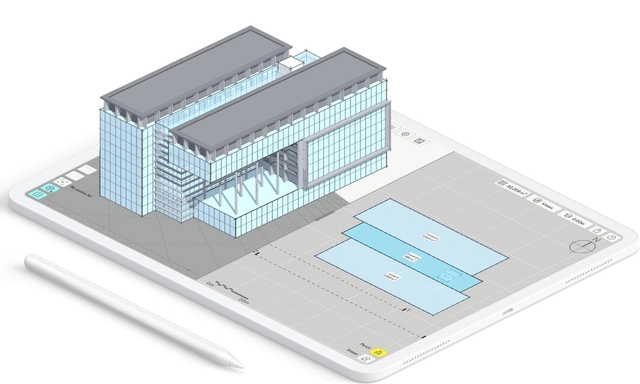
It is in this context that Codesign has proudly partnered with 2050 Materials to launch an early-stage Carbon Calculator. This simple tool takes the building data from Codesign's building model and combines it with user-selected properties to calculate the carbon impact of the design.