


Interviews: The Latest Architecture and News
North Bend House / Johnston Architects
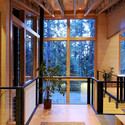
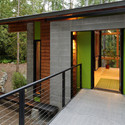
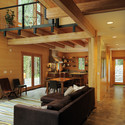
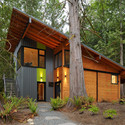

https://www.archdaily.com/102556/north-bend-house-johnston-architectsKelly Minner
L.B. Landry High School / Eskew+Dumez+Ripple

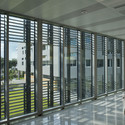

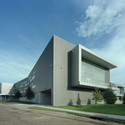
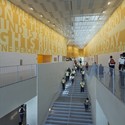

https://www.archdaily.com/103063/l-b-landry-high-school-eskewdumezrippleKelly Minner
Aqua P / Site A/S

Site A/S Architects has recently completed a project proposal, Aqua P, which looks to form a solution for the flooding and parking problems in Copenhagen. For more renderings, process diagrams and a description from Site A/S continue after the break.
https://www.archdaily.com/102059/aqua-p-site-asHank Jarz
Restoration Services Centre / Montgomery Sisam Architects


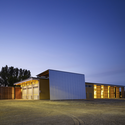
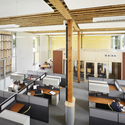
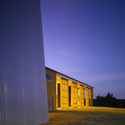

-
Architects: Montgomery Sisam Architects
- Area: 12000 m²
- Year: 2007
https://www.archdaily.com/101499/restoration-services-centre-montgomery-sisam-architectsAndrew Rosenberg
AD Interviews: Weiss Manfredi
Some time ago we visited New York City based Weiss/Manfredi Architecture/Landscape/Urbanism, to interview founding principals Marion Wesis and Michael Manfredi. The multidisciplinary firm has distinguished themselves with their holistic design approach, successfully integrating the disciplines of architecture, art, infrastructure, and landscape design.
https://www.archdaily.com/101918/ad-interviews-weiss-manfrediDavid Basulto
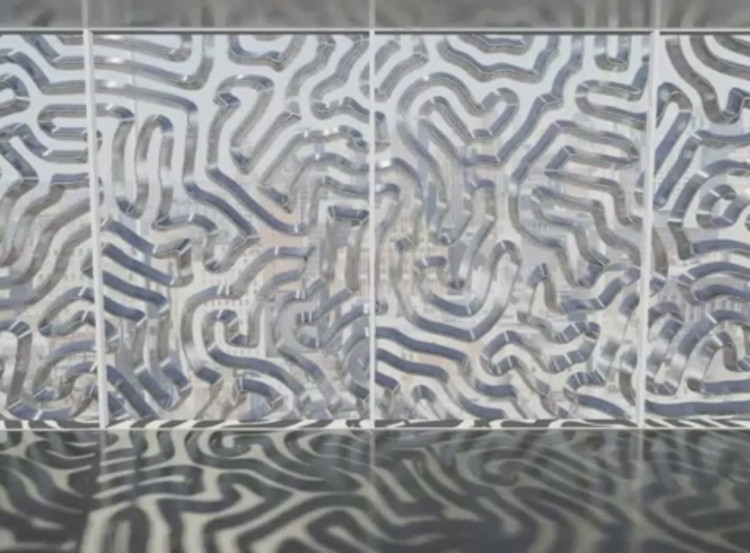
Moving Homeostatic Facade Preventing Solar Heat Gain

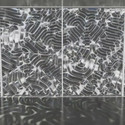
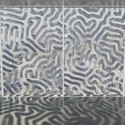
This prototype system, Homeostatic Facade, is the latest in green building design. The line maze like facade consists of material that flexes and bends as an artificial muscle fighting solar heat gain by changing shape on its own. No computer programing or physical adjustments required. The system regulates a buildings climate by auto responding to environmental conditions and has an advantage over other systems because of its low power consumption and localized control.
Check out the video of the moving Homeostatic Facade following the break.
https://www.archdaily.com/101578/moving-homeostatic-facade-preventing-solar-heat-gainKelly Minner
AD Interviews: Peter Bohlin / Bohlin Cywinski Jackson
During the AIA Convention we had the opportunity to talk with Peter Bohlin (FAIA), founding principal of Bohlin Cywinski Jackson and one of the most renowned architects in the US.
https://www.archdaily.com/101193/ad-interviews-peter-bohlin-bohlin-cywinski-jacksonDavid Basulto
Ballard Library and Neighborhood Service Center / Bohlin Cywinski Jackson

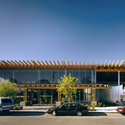
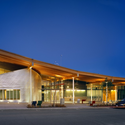
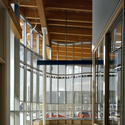

https://www.archdaily.com/100821/ballard-library-and-neighborhood-service-center-bohlin-cywinski-jacksonKelly Minner
AD Interviews: Archimania
During the 2010 AIA Convention in Miami we had the opportunity to interview Todd Walker (FAIA) and Barry Alan Yoakum (FAIA), founders of the architecture/design collective Archimania.
Founded in 1995, Archimania has won over 100 awards, including national, regional and local recognition. More importantly though is how the firm has distinguished themselves by their collaborative design approach, no project to big or to small, relationship with their clients, and innovative solutions to creating real value in their architecture.
Featuring a diverse portfolio that pushes the envelope, Archimania is known for their unique client architect relationship. The firm truly emphases teamwork, focusing on an active listening role with clients, resulting in their Visioning Charrette, a design process that is collaborative – creating places that reflect vision.
Archimania is dedicated to their home state of Tennessee, often utilizing local materials in their designs. Setting themselves apart from the crowd, the firm sees each project as a way of further expanding the community’s ideas about the built environment, recognizing the role of an architect within the community not as a passive one, but rather one as a local leader.
Archimania projects at ArchDaily:
More info on their projects after the break:
https://www.archdaily.com/99410/ad-interviews-archimaniaDavid Basulto

Mason Lane Farm / De Leon & Primmer Architecture Workshop
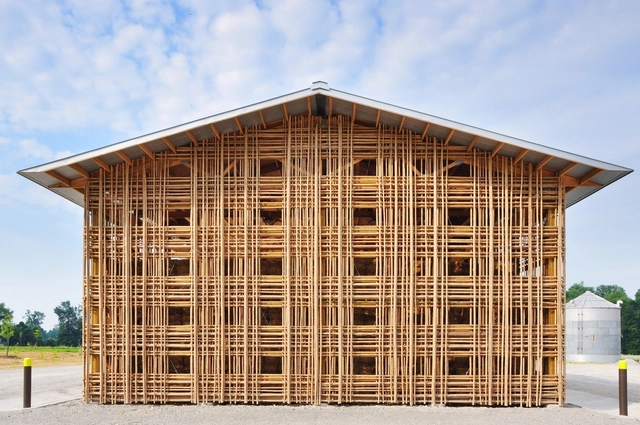

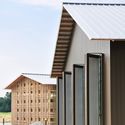
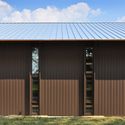
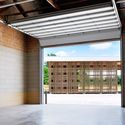

-
Architects: De Leon & Primmer Architecture Workshop
- Year: 2009
-
Manufacturers: 84 Lumber, Acuity Brands, Daltile, Dropseed Nursery, Homasote, +8
https://www.archdaily.com/100573/mason-lane-farm-de-leon-primmer-architecture-workshopIgor Fracalossi
Video: Designing the vertical farm
No vertical farm has been built yet, but there are already several discussions involving the farms of the future. At ArchDaily, we’ve published Vincent Callebaut’s design and Plantagon’s design. In this video, four architects describe their designs for the vertical farms.
https://www.archdaily.com/99256/video-designing-the-vertical-farmSebastian Jordana
Harvest City / Tangram 3DS
Architects: Tangram 3DS Location: Haiti Project year: 2010 Photographs Tangram 3DS
https://www.archdaily.com/98488/harvest-city-tangram-3dsAndrew Rosenberg
AD Interviews: Craig Konyk, kOnyk Architecture
While visiting New York, we had the chance to stop by Brooklyn-based kOnyk Architecture to speak with the firm’s principal, Craig Konyk. The architects categorize themselves as a creative architectural design studio – a characteristic that is evident in all of their work ranging from the smaller scale designs, such as their Hybrid House, to their larger scale proposals for the Museum of Polish History.
https://www.archdaily.com/97232/ad-interviews-craig-konyk-konyk-architectureKaren Cilento
Epiphany School / Miller Hull Partnership

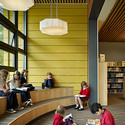

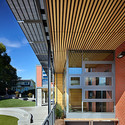


https://www.archdaily.com/97927/epiphany-school-miller-hull-partnershipKelly Minner
Kroon Hall Yale University / Hopkins Architects and Centerbrook Architects and Planners


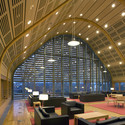
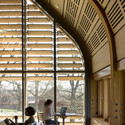

https://www.archdaily.com/97216/kroon-hall-yale-university-centerbrook-architects-and-planners-and-hopkins-architectsKelly Minner
AD Interviews: Lawrence Scarpa
Back in June we had the chance to interview Lawrence Scarpa in Miami, at the AIA Convention when Pugh + Scarpa Architects received the 2010 AIA Firm Award.
https://www.archdaily.com/96653/ad-interviews-lawrence-scarpaDavid Basulto
AD Interviews: Hani Rashid, Asymptote Architecture
We visited Asymptote’s new offices in Brooklyn to interview Hani Rashid.
https://www.archdaily.com/96198/ad-interviews-hani-rashid-asymptote-architectureDavid Basulto
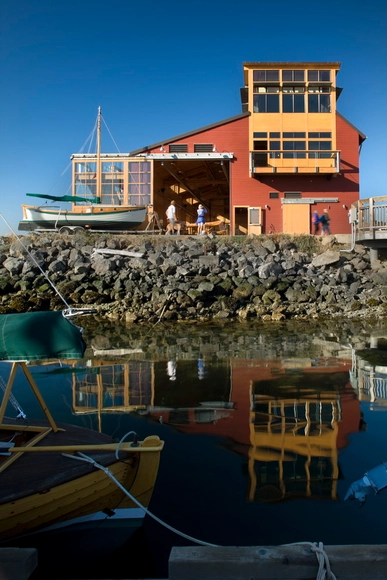
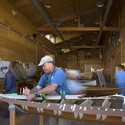
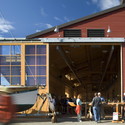
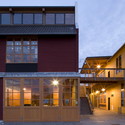
Northwest Maritime Center / Miller Hull Partnership


https://www.archdaily.com/95326/northwest-maritime-center-miller-hull-partnershipKelly Minner