

![Maritime Station of the See Highway / [baragaño] - Port, Facade](https://snoopy.archdaily.com/images/archdaily/media/images/5016/402e/28ba/0d14/1600/0089/slideshow/stringio.jpg?1361413255&format=webp&width=640&height=580)
Infrastructures: The Latest Architecture and News
Maritime Station of the See Highway / [baragaño]
![Maritime Station of the See Highway / [baragaño] - Port](https://images.adsttc.com/media/images/5016/4049/28ba/0d14/1600/008d/thumb_jpg/stringio.jpg?1360980464 "© Mariela Apollonio")
![Maritime Station of the See Highway / [baragaño] - Port, Facade, Door, Chair](https://images.adsttc.com/media/images/5016/4043/28ba/0d14/1600/008c/thumb_jpg/stringio.jpg?1360980458 "© Mariela Apollonio")
![Maritime Station of the See Highway / [baragaño] - Port, Facade, Door](https://images.adsttc.com/media/images/5016/403b/28ba/0d14/1600/008b/thumb_jpg/stringio.jpg?1360980449 "© Mariela Apollonio")
![Maritime Station of the See Highway / [baragaño] - Port, Door, Facade](https://images.adsttc.com/media/images/5016/4050/28ba/0d14/1600/008e/thumb_jpg/stringio.jpg?1360980471 "© Mariela Apollonio")
![Maritime Station of the See Highway / [baragaño] - More Images](https://images.adsttc.com/media/images/5016/402e/28ba/0d14/1600/0089/newsletter/stringio.jpg?1361413255)
https://www.archdaily.com/179788/maritime-station-of-the-see-highway-baraganoMegan Jett
Ponte della Musica / Buro Happold

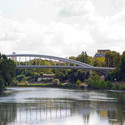
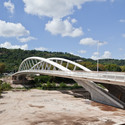
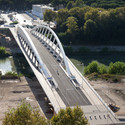
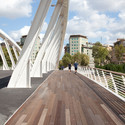

https://www.archdaily.com/179789/ponte-della-musica-buro-happoldChristopher Henry
Cruise Ship Terminal in Bilbao / [baragaño]
![Cruise Ship Terminal in Bilbao / [baragaño] - Cruise Terminal, Facade](https://snoopy.archdaily.com/images/archdaily/media/images/5016/3ad7/28ba/0d15/9800/122b/slideshow/stringio.jpg?1361418927&format=webp&width=640&height=580)
![Cruise Ship Terminal in Bilbao / [baragaño] - Cruise Terminal](https://images.adsttc.com/media/images/5016/3b08/28ba/0d15/9800/1232/thumb_jpg/stringio.jpg?1361121974 "© Mariela Apollonio")
![Cruise Ship Terminal in Bilbao / [baragaño] - Cruise Terminal, Facade, Bench](https://images.adsttc.com/media/images/5016/3afe/28ba/0d15/9800/1230/thumb_jpg/stringio.jpg?1361121964 "© Mariela Apollonio")
![Cruise Ship Terminal in Bilbao / [baragaño] - Cruise Terminal, Facade](https://images.adsttc.com/media/images/5016/3af5/28ba/0d15/9800/122f/thumb_jpg/stringio.jpg?1361121956 "© Mariela Apollonio")
![Cruise Ship Terminal in Bilbao / [baragaño] - Cruise Terminal, Facade, Door](https://images.adsttc.com/media/images/5016/3add/28ba/0d15/9800/122c/thumb_jpg/stringio.jpg?1361121935 "© Mariela Apollonio")
![Cruise Ship Terminal in Bilbao / [baragaño] - More Images](https://images.adsttc.com/media/images/5016/3ad7/28ba/0d15/9800/122b/newsletter/stringio.jpg?1361418927)
https://www.archdaily.com/179548/cruise-ship-terminal-in-bilbao-baraganoMegan Jett
Tourism Revitalization and Development / ZA Architects

The design proposal by ZA Architects is intended to become a framework for further development of human activity in the exclusion zone around Chernobyl nuclear power plant in Ukraine. The backbone of the project is a mono-rail road with 4 stations, each having its own unique function. This environmentally-friendly and profitable railroad will cater for the tourist and industrial needs and can be implemented in several stages. More images and architects’ description after the break.
https://www.archdaily.com/179220/tourism-revitalization-and-development-za-architectsAlison Furuto
Railway Control Centre / Moreno del Valle Arquitectos
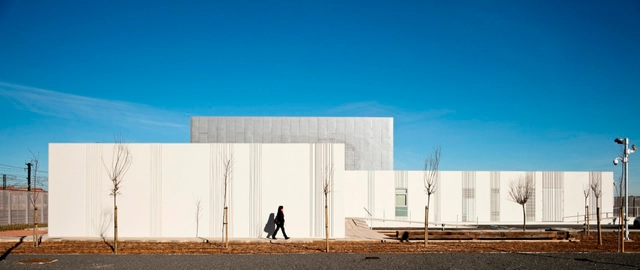



https://www.archdaily.com/177107/railway-control-centre-moreno-del-valle-arquitectosChristopher Henry
Tianjin West Railway Station / gmp Architekten
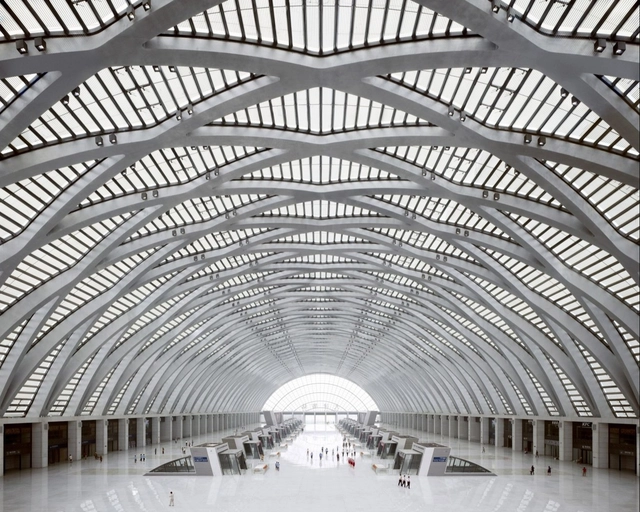

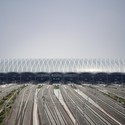
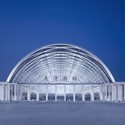

https://www.archdaily.com/177795/tianjin-west-railway-station-gmp-architektenMegan Jett
Sacramento International Airport / Fentress Architects + Corgan
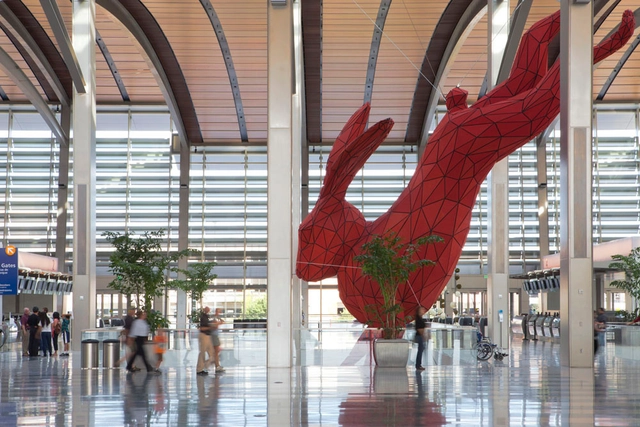
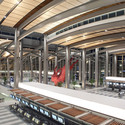
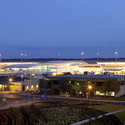
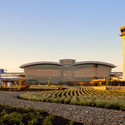

- Year: 2011
-
Manufacturers: Columbia Forest Products
https://www.archdaily.com/176086/sacramento-international-airport-fentress-architects-plus-corgan-associatesChristopher Henry
Train Store in Ribes de Freser / Sau Taller d'Arquitectura

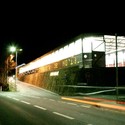
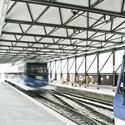
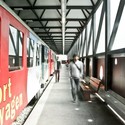
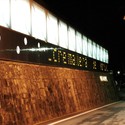

-
Architects: Sau Taller d'Arquitectura
- Area: 1300 m²
- Year: 2009
https://www.archdaily.com/173981/train-store-in-ribes-de-freser-sau-taller-darquitecturaChristopher Henry
Wendouree Railway Station / Hassell with Parsons Brinckerhoff
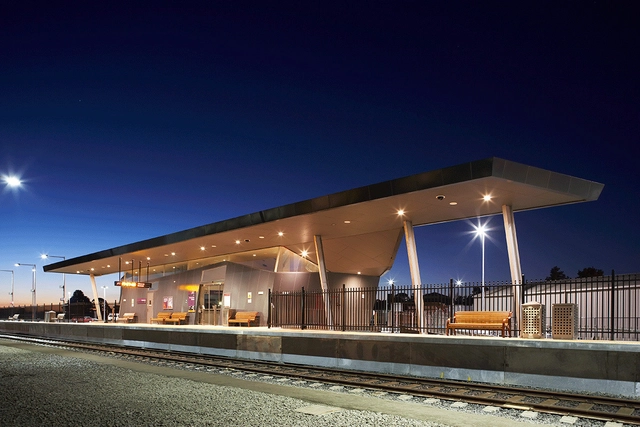
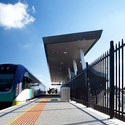
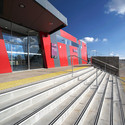
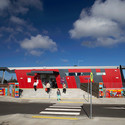
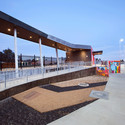

https://www.archdaily.com/170896/wendouree-railway-station-hassell-with-parsons-brinckerhoffChristopher Henry
Palmaret-Alboraya Train Station / Rstudio
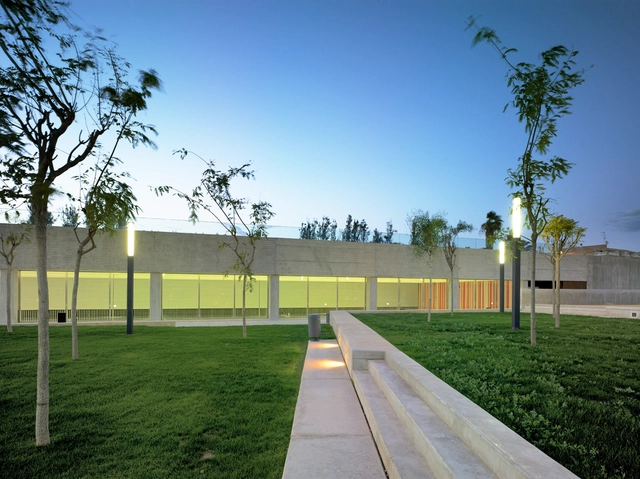

https://www.archdaily.com/172638/palmaret-alboraya-train-station-rstudioMegan Jett
AD Classics: Bac de Roda Bridge / Santiago Calatrava
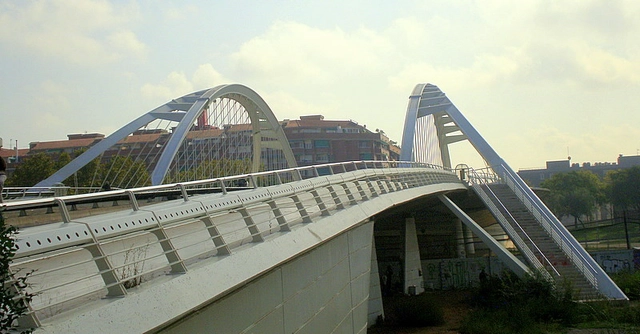




-
Architects: Santiago Calatrava
- Year: 1987
https://www.archdaily.com/151187/ad-classics-bac-de-roda-bridge-santiago-calatravaTim Winstanley
Jack Evans Boat Harbour / ASPECT Studios
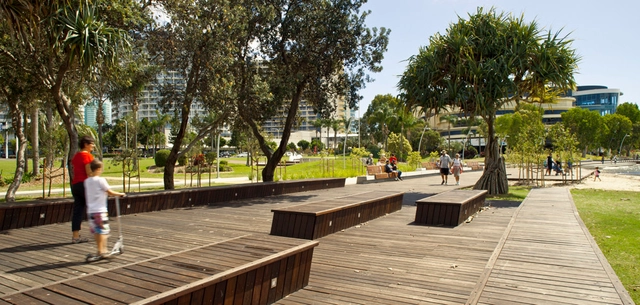
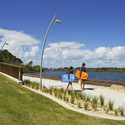
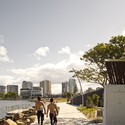
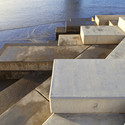
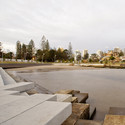

-
Landscape Architects: ASPECT Studios
- Area: 43000 m²
- Year: 2011
https://www.archdaily.com/170913/jack-evans-boat-harbour-aspect-studiosChristopher Henry
AIA Emphatically Urges Looser Credit, Notes 30% Drop in Architectural Employment Since 2008

The AIA has issued a “comprehensive look yet at the built environment’s role in economic recovery, highlighting six specific policy steps that will generate jobs and help grow the American economy.” Coming on the eve of President Obama’s major jobs initiative, the report cites George Mason University economist Stephen J. Miller in arguing that every $1 million in new construction spending supports “28.5 full-time, year-round-equivalent jobs.”
Miller and the AIA blame tight credit markets blocking potential progress in this area. The publication, “The Built Environment’s Role in the Recovery,” is issued with this problem in mind. “We’re putting these recommendations forward now because it’s time for the Administration and Congress to get real about creating an environment in which people are willing to lend and borrow,” said AIA President Clark Manus, FAIA, quoted in a recent AIA press release. “When credit flows to worthy projects, it unleashes the job creation potential of the American economy.”
https://www.archdaily.com/170216/aia-emphatically-urges-looser-credit-notes-30-drop-in-architectural-employment-since-2008Samuel Jacobson
Passenger Terminal Building Proposal / IN&EDIT Architecture

IN&EDIT Architecture shared with us their proposal for the Passenger Terminal Building international competition which included four vehicular bridges across the Shenzhen River. The project aims to emulate how trees are organisms that stand by themselves, so their shape has an inherent, structural rationality. As a result, public flow through the trunk and roots will guide pedestrians from one riverside to the other. More images and architects’ description after the break.
https://www.archdaily.com/168963/passenger-terminal-building-proposal-inedit-architectureAlison Furuto
Station Hyllie / Metro Arkitekter
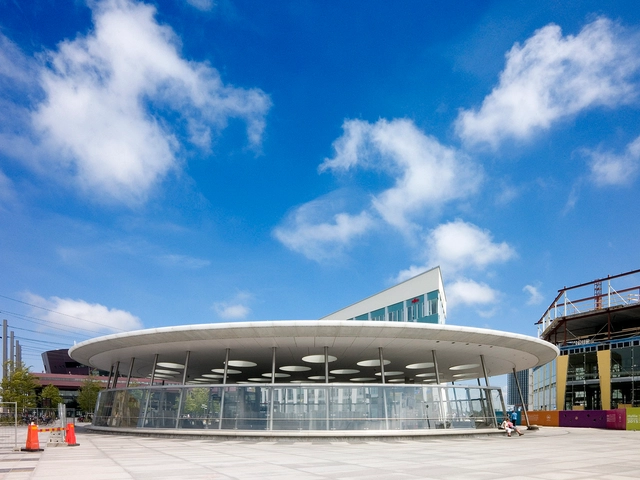

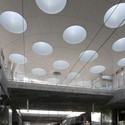

https://www.archdaily.com/164058/station-hyllie-metro-arkitekterChristopher Henry
[OVER]fill / Architekton
![[OVER]fill / Architekton - Image 9 of 4](https://images.adsttc.com/media/images/55f7/2e41/fd5f/d394/3700/006b/medium_jpg/overfill-02.jpg?1442262586)
The Scottsdale Museum of Contemporary Art Flip a Strip competition challenged designers around the country to re-imagine the suburban strip mall as an urban typology, proposing an alternative to the ubiquitous developments which have emerged as an economic response to a rapidly outward expanding residential market and the availability of inexpensive land.
https://www.archdaily.com/160868/overfill-architektonOscar Lopez
Auckland Harbour Bridge Pathway / Copeland Associates Architects

In successful cities around the world, more and more people are leaving their cars behind and returning to the healthy and resilient alternatives of walking and cycling.
In January 2010, Copeland Associates Architects were commissioned by the Auckland Harbour Bridge Pathway Charitable Trust to work on a proposal for a pathway for walking and cycling connected onto the iconic Auckland Harbour Bridge. The objective of this project is to deliver the most critical link in the Auckland Region’s walking and cycling network and to energize ongoing improvements to walking and cycling facilities on both sides of the bridge. More images and architects’ description after the break.
https://www.archdaily.com/165117/auckland-harbour-bridge-pathway-copeland-associates-architectsAlison Furuto
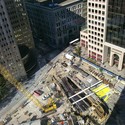
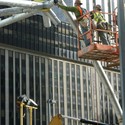
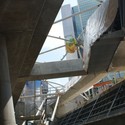
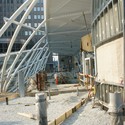
In Progress: Gateway Center Station / EDGE Studio, Pfaffmann & Associates

Architect: EDGE Studio, Pfaffmann & Associates Location: Pittsburgh, Pennsylvania EDGE Studio Design Team: Gary Carlough AIA, Jonathan Golli, Matt Fineout AIA, Stephen Mrdjenovich Pfaffmann & Associates Design Team: Rob Pfaffmann AIA, Carl Bergamini RA, Erik Hokanson Completion Date: 2011 Photography: Carl Bergamini, Pfaffmann & Associates

https://www.archdaily.com/165471/in-progress-gateway-center-station-edge-studio-pfaffmann-associatesBrian Pagnotta