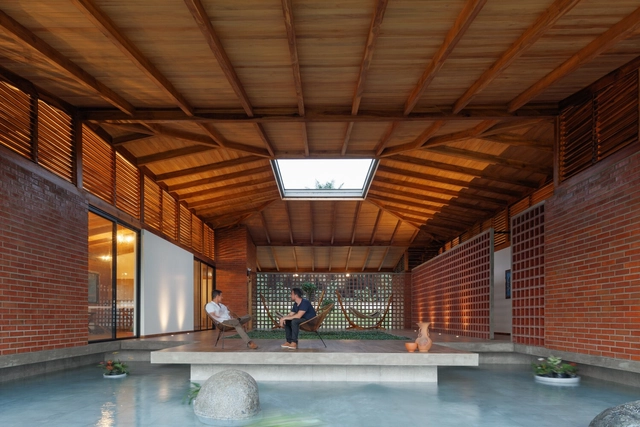
August 5th is National Health Day in Brazil. Our readers have already expressed their opinion on how psychology is essential to build healthy and pleasant spaces to live in, and for this reason, we decided to explore the impacts of the spatial experience on each person's well-being, improving quality of life and reducing mental stress. In other words, architecture not only contributes to physical health through ergonomics but also affects our emotional comfort.
https://www.archdaily.com/967003/architecture-and-health-how-spaces-can-impact-our-emotional-well-beingEquipe ArchDaily Brasil
Burnout syndrome is an occupational phenomenon resulting from chronic workplace stress and emotional tension and has been affecting more and more professionals every day. It is directly associated with each person's daily work life, not only with the operational aspects of the job but also the physical environment.
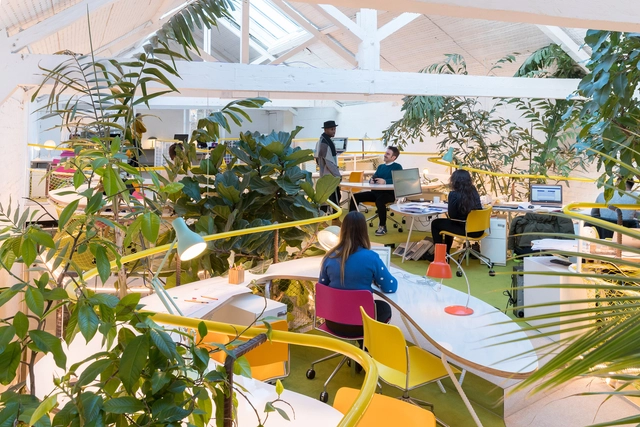
We spend on average 1/3 of our day in workspaces, so it's no wonder they considerably affect our mental health. Following a period of intense home office activity during the year 2020, now people are returning to collaborative workplaces. These spaces offer a great alternative to escape the domestic environment and create separate places for each function of our lives, a much-needed change after a year of isolation.
Ronald Lu & Partners has created in collaboration with BEHAVE, a blueprint for future-ready offices that meet the new needs of the post-pandemic workforce. Reimagining tomorrow’s office and embracing a new working style, the partnership generated “Mindplace”, an office concept that will “improve work efficiency, focus on sustainability and cater to the holistic needs of employees”.
In the midst of a pandemic that has already affected 184 countries and infected more than a million people around the world, we seek to cover all topics that relate the coronavirus within architecture and space, and ways to make social distancing less painful.
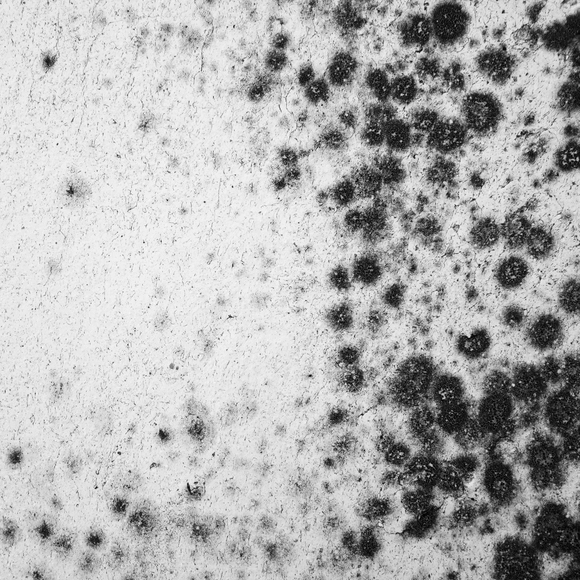
Unfortunately, we've probably all experienced the unfortunate surprise of finding mold at home. These undesirable black and greenish spots, usually seen in dark, damp corners, may seem harmless at first, but they pose a major problem for buildings and occupants. Because the tendency of mold is to continuously spread, it gradually contaminates other materials and surfaces, causing a characteristic smell and contaminating the air. But how is it possible to control it and, mainly, to prevent it from occurring through architectural design?
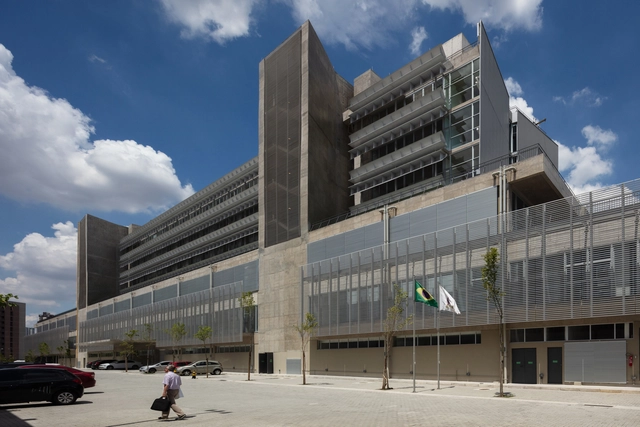
Last month Harvard University’s School of Public Health re-launched their Center for Climate, Health, and the Global Environment, introducing new partnerships and a new director for the institutional home of Dr. Joseph Allen’s Healthy Buildings initiative. With the stated mission of “improving the lives of all people, in all buildings, everywhere, every day,” the Healthy Buildings Team is leading research on how today’s built environments impact the health, productivity, and well-being of the people who inhabit them; as well as how future buildings can help us live healthier lives.
In the interest of defining their terms and presenting their research in a way that audiences outside academia can understand and incorporate into their work, the Healthy Buildings team have released an exhaustive list that details the simple foundations of making a building healthy.
The 9 foundations for healthy buildings are as follows: