


Hangzhou: The Latest Architecture and News
Hangzhou Xixi National Wetland / Sunlay + RHINESCHEME GmbH

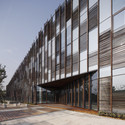
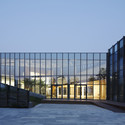
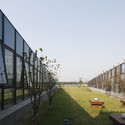

https://www.archdaily.com/494553/hangzhou-xixi-national-wetland-sunlayDaniel Sánchez
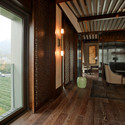
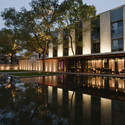
Pins De La Brume Hotel / GOA

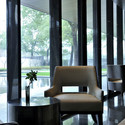

https://www.archdaily.com/485438/pins-de-la-brume-hotel-goa-architectsDaniel Sánchez
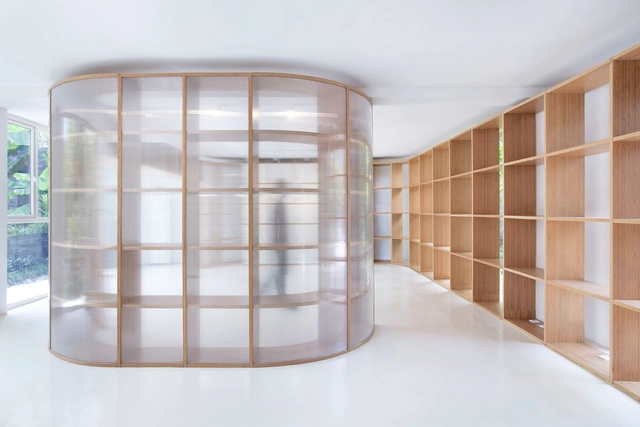
Office Renovation in Hangzhou / Daipu Architects
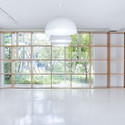
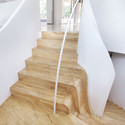
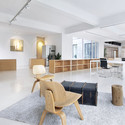
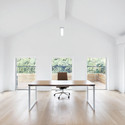

https://www.archdaily.com/452266/office-renovation-in-hangzhou-daipu-architectsDaniel Sánchez
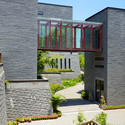
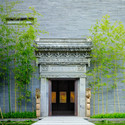
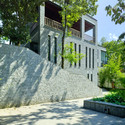
Baohua Chinese Painting Research Institute / Wang Deng Yue



-
Architects: Wang Deng Yue
- Area: 7180 m²
- Year: 2012
https://www.archdaily.com/445425/baohua-chinese-painting-research-institute-wangDaniel Sánchez
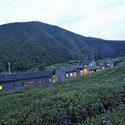
Placid Mogan Cottage / Genarchitects

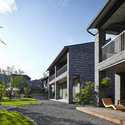
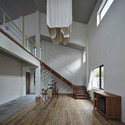

https://www.archdaily.com/441280/placid-mogan-cottage-genarchitectsJavier Gaete
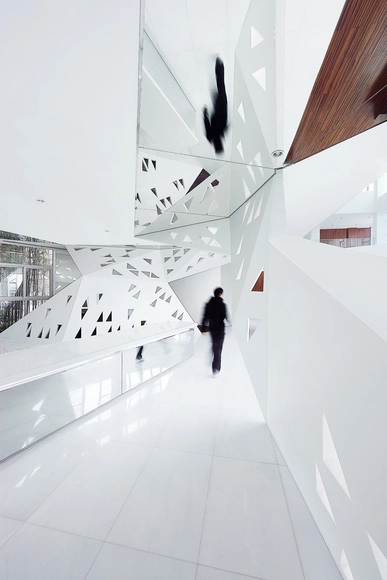
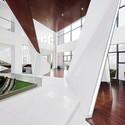
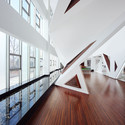
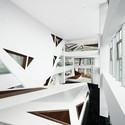
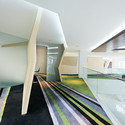

Xixi Artist Clubhouse / AZL Architects
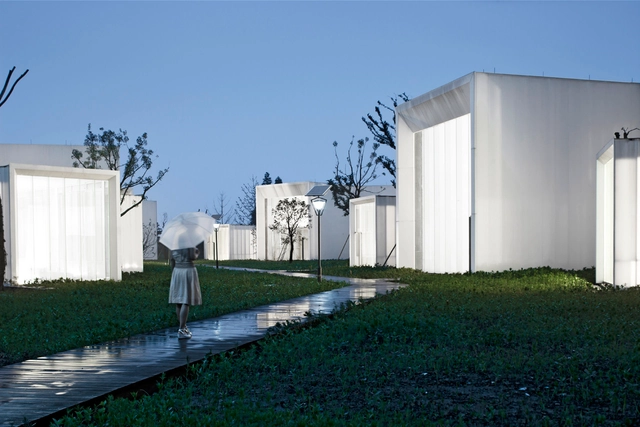


https://www.archdaily.com/367382/xixi-artist-clubhouse-azl-architectsNico Saieh
XiXi Learning Community / Atelier Fronti
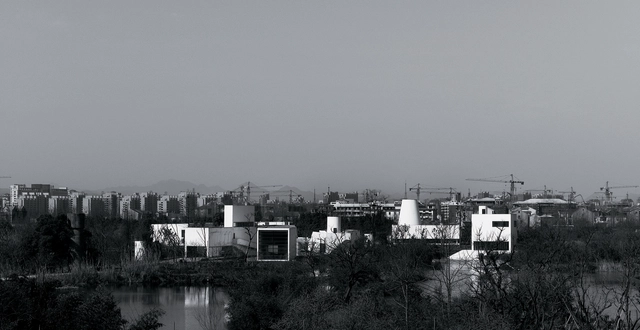


-
Architects: Atelier Fronti
- Area: 59830 m²
- Year: 2010
https://www.archdaily.com/353950/xixi-learning-community-atelier-frontiGracia Vera
Yuguandi - Sales Pavilion & Gallery / BLVD International
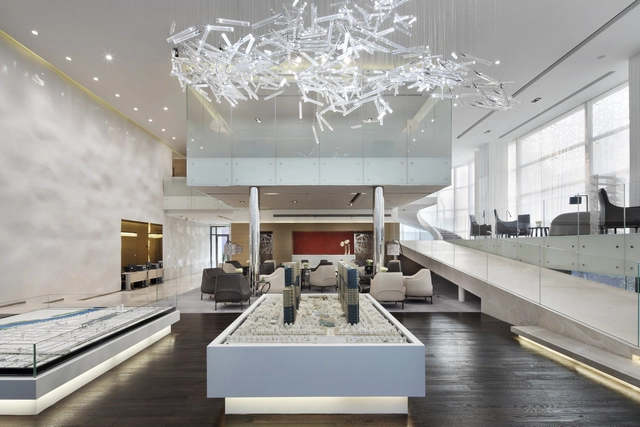
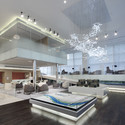

-
Architects: BLVD International
- Year: 2012
https://www.archdaily.com/337329/yuguandi-sales-pavilion-gallery-blvd-internationalFernanda Castro
Xixi Wetland Art Village / Wang Weijen Architecture

-
Architects: Wang Weijen Architecture
- Area: 4500 m²
- Year: 2011
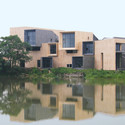
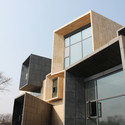
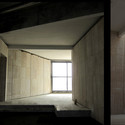
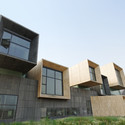

https://www.archdaily.com/334677/xixi-wetland-art-village-wang-weijen-architectureDiego Hernández
New Museum at China Academy of Art Xiangshan Campus / Kengo Kuma & Associates

To further the promotion of art education, the China Central Academy of Fine Arts in Beijing and China Academy of Art in Xiangshan have announced plans to construct a new university within the hilly suburbs of Hangzhou by the Spring of 2014. Designed by Kengo Kuma & Associates, the Museum at the China Academy of Art will harmonize with the lush topography and resist modifying any existing slopes to accommodate the 4,936 square meter facility. Instead, the museum’s configuration will mimic the lozenge shaped pattern that was discovered within the contour lines, generating a fluid exhibition space with linear and altering floor levels buffered by partially external galleries.
In addition, Kengo Kuma is investigating the possibility of reusing clay tiles and stones from Hangzhou's old house district so the body of the museum may appear as if the “soil of the tea gardens” were “transformed into architecture”.
More images after the break.
https://www.archdaily.com/328152/new-museum-at-china-academy-of-art-xiangshan-campus-kengo-kuma-associatesKarissa Rosenfield
One Taste Holistic / CROX International Co., LTD
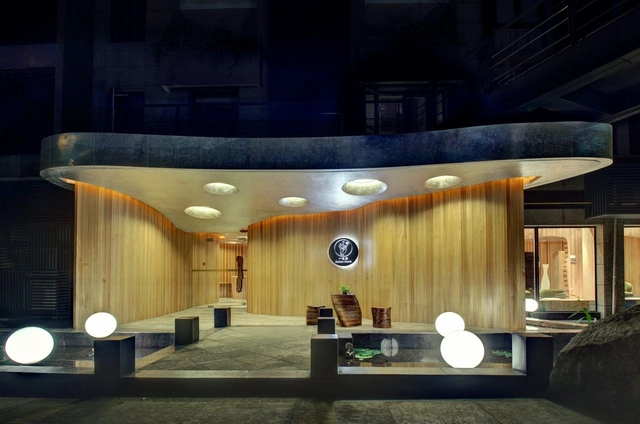
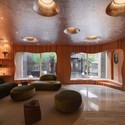
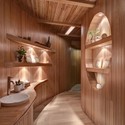

-
Architects: CROX International Co., LTD
- Area: 360 m²
- Year: 2012
https://www.archdaily.com/285073/one-taste-holistic-crox-internationalJonathan Alarcón
Headquarters of Zhejiang Wuchan Group / gmp Architekten
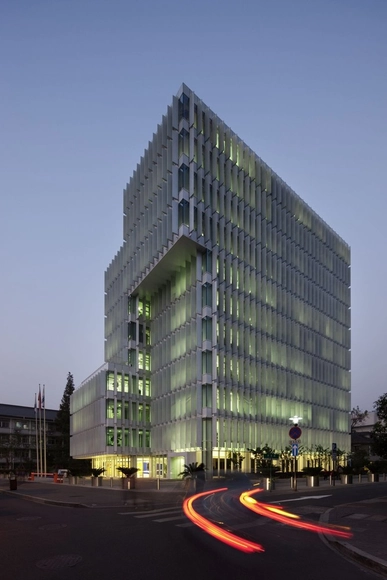


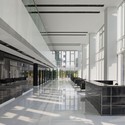

https://www.archdaily.com/252989/headquarters-of-zhejiang-wuchan-group-meinhard-von-gerkanJonathan Alarcon
CLIC Headquarters / WILCOTER Architects

WILCOTER Architects shared with us their first prize winning proposal in the international competition to design a group of buildings as the headquarter of China Life Insurance (Group) Company in the Qianjiang New City of Hangzhou. The concept is to create a ‘Tree of Life’, which means supplying a cover or shelter for the life, which is strong and safe to rely on. More images and architects’ description after the break.
https://www.archdaily.com/248641/clic-headquarters-wilcoter-architectsAlison Furuto
Update: Hangzhou Gateway Tower / JDS Architects

Back in June, we shared JDS‘ winning mixed use project for Hangzhou, China. Conceptualized as the iconic link that fuses two prominent parts of the city, the Hangzhou H project is a dynamic experiment of formal expression. The tiered volume opens pedestrian connections at the ground level, and supports a generous landscape that functions as a rain water retainer on the roof level. The young firm has just received the necessary building permits, and will begin construction in March of 2012. We’ll keep you covered on the building’s progress, and be sure to view our previous coverage of the winning competition proposal here.
https://www.archdaily.com/196477/update-hangzhou-gateway-tower-jds-architectsKaren Cilento
Hangzhou Waves / JDS

JDS has just been awarded first prize for their Hangzhou Waves scheme – a competition entry that called for the design of not one, but two buildings for the financial district of Hangzhou Xintiandi of Hangzhou, China. The two sloping volumes offer different exterior expressions and hold different programmatic entities (a hotel and an office building); yet, the forms are guided by similar attitudes regarding sunlight, green roofs, an active ground plane, etc, which immediately creates a strong relationship between the pair.
More about the winning competition entry after the break.
https://www.archdaily.com/195727/hangzhou-waves-jdsKaren Cilento
LYCS Architecture Office / LYCS Architecture
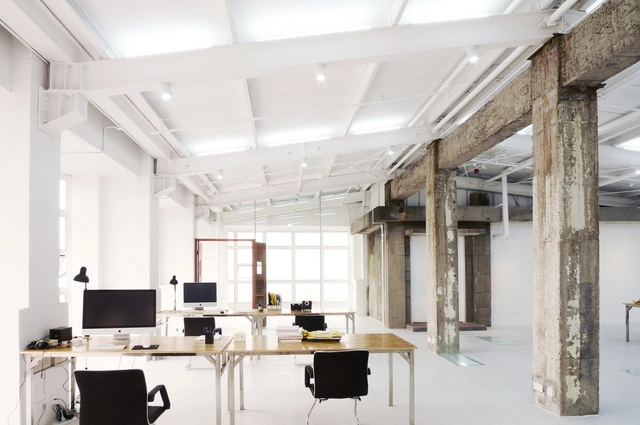
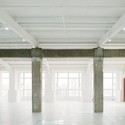
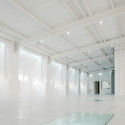

-
Architects: LYCS Architecture
- Area: 350 m²
- Year: 2011
https://www.archdaily.com/156853/lycs-architecture-office-lycs-architectureChristopher Henry
South Song Museum Heritage Park / IAPA

The Australian architecture firm IAPA recently won the South Song Museum Heritage Park competition and has wished to share their winning design with out readers here at ArchDaily. Follow after the break for an accompanying description and images from the architects.
https://www.archdaily.com/155006/south-song-museum-heritage-park-iapaHank Jarz