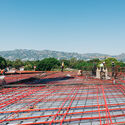
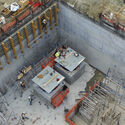
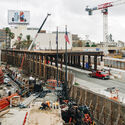
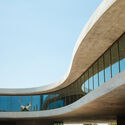
Prefabrication is one of the most transformative innovations in architecture and construction, redefining how buildings are designed, manufactured, and assembled. While not a new concept, its application has evolved to offer a broader range of advantages. Traditionally valued for its precision and quality, prefabrication is now equally recognized for its cost and time efficiencies, particularly in leveraging regional differences in labor and production. This shift has fueled its resurgence across high-end, design-driven projects and large-scale, cost-efficient public buildings.
In 2024, a diverse range of topics have been comprehensively explored, some focusing specifically on architectural details and construction systems. These articles provide valuable insights into architecture's often-overlooked technical and functional aspects. By shifting attention away from aesthetics, materials, and spatial massing, they reveal the importance of intricate details and the construction systems underpinning contemporary projects' larger architectural vision.
Executing these seemingly small elements is crucial in shaping how architecture is perceived and experienced. Specifying and drawing a thoughtfully designed detail is not dissimilar to determining the correct screw in building a car—its thread count, material, and length—can dramatically influence not only the success of an architectural design but also the quality of the human experience it fosters. Such details, while often dismissed as mundane and may not be the most recognizable features of stellar projects, profoundly impact the cohesiveness and functionality of architectural projects.
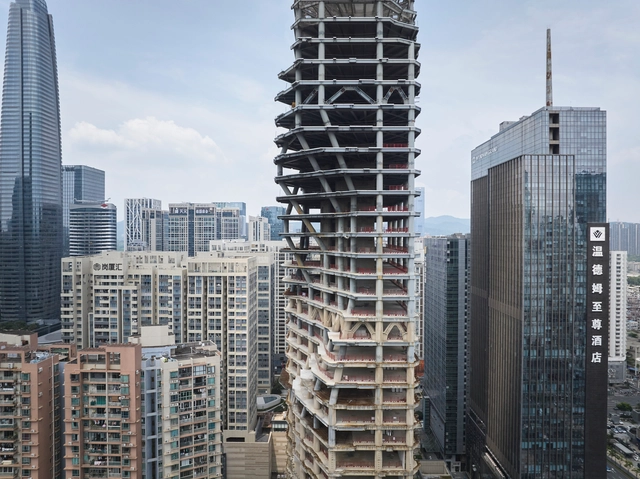
Construction has commenced on the Shenzhen Institute of Financial Technology tower, a 46-story building designed by Zaha Hadid Architects. Its design, situated on a narrow site in Shenzhen's Futian district, aims to respond to its urban context. The building's form, measuring 199 meters in height, incorporates setbacks placed to maximize sunlight penetration to surrounding streets and public areas. This design decision is further reflected in the façade's varying transparency and color, created by vertical and angled glazing mullions in black and bronze. Recent construction photographs reveal the topped-out tower, waiting to receive its envelope while temporarily showcasing openly its structure and interior organization.
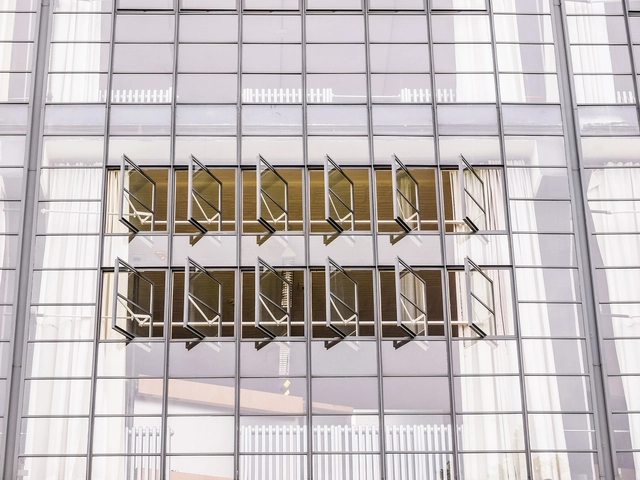
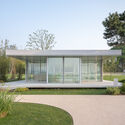
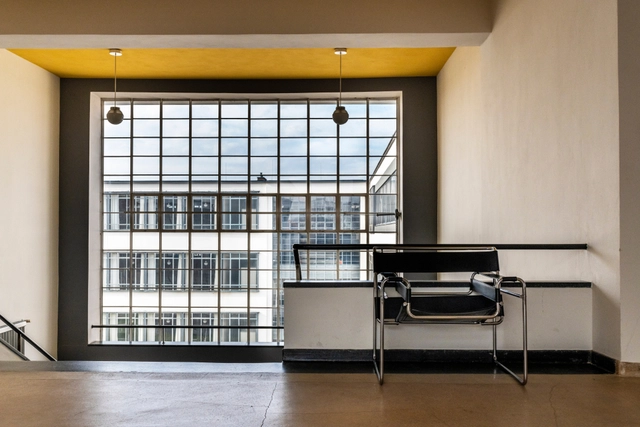
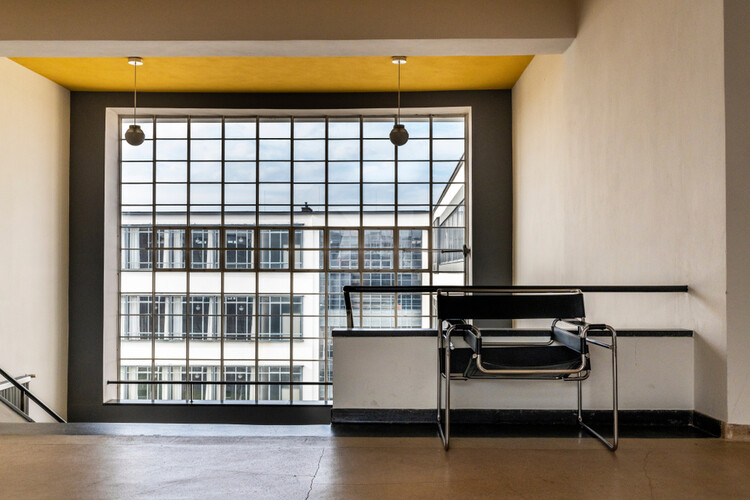
In the 21st century, Glass has become a cornerstone material for architecture. Once limited to apertures and openings, Glass now dominates entire facades, especially in high-rise buildings where transparent cladding material is preferred to maximize views. The technological advancements in Glass have been remarkable, transitioning from single-pane panels, such as those used in Bauhaus' iron window frames, to today's triple-pane systems with specialized gas infills, such as argon, designed to address Glass's long-standing thermal limitations.

Bauhaus's designs have influenced our contemporary society in obvious and subtle ways. Iconic examples include Marcel Breuer’s Wassily Chair, the B55 Chair, the Bauhaus typeface, and the graphic design principles emphasizing clean lines, primary colors, and geometric shapes. However, the architectural construction details of the Bauhaus movement are much less discussed. While most can readily identify modern or Bauhaus buildings by their geometric forms, functionality, and industrial materials, their architectural details are often overlooked. They not only echo the design language of Breuer’s renowned furniture pieces but also have influenced the much-celebrated architectural glass details of Mies van der Rohe. How were Bauhaus's details executed, and how might they be translated into contemporary details today?
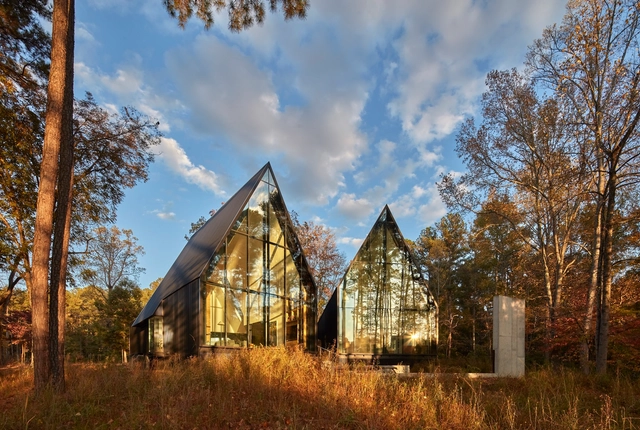
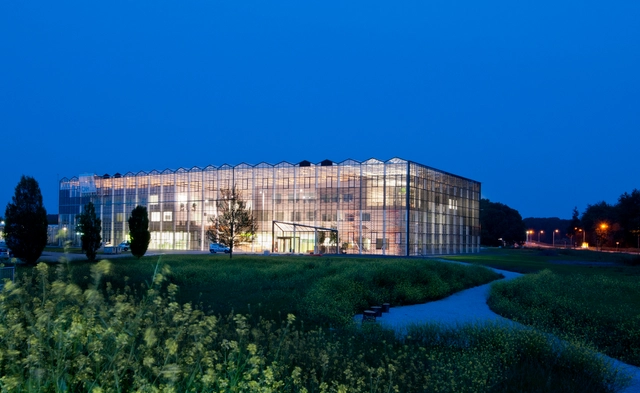
Greenhouses are elegant and ingenious structures that incorporate simplicity in design while creating light-filled spaces that shape indoor climates. With walls and roofs composed mainly of transparent or translucent materials, these structures harness solar energy to create a controlled environment. As advances in materials and environmental management progress, they can seamlessly be integrated into architectural designs, offering innovative solutions that blend functionality with aesthetics. Beyond their original role in plant cultivation, they have evolved into projects that emphasize sustainability, education, and conservation. At their core, they offer experiences of exploration and discovery, showcasing the intricate relationship between sunlight, plants, and indoor environments.