Modern residential construction in the UAE demonstrates the need for advanced thermal envelope solutions in hot, arid climates where cooling can account for up to 70% of peak electricity consumption. Image Courtesy of Terraco
Terraco, a global leader in Exterior Insulation Finishing Systems, has demonstrated through independent studies that when planning building renovations, it is essential to adopt a deep retrofit strategy that includes energy-efficient measures, such as thermal insulation of external walls and roofs.
The studies show that cooling energy use in buildings can be reduced by up to 47% annually in Middle Eastern and South Asian climates, directly as a result of installing the combined Terraco EIFS and Roof Insulation Finishing Systems, compared to leaving external walls and roofs uninsulated.
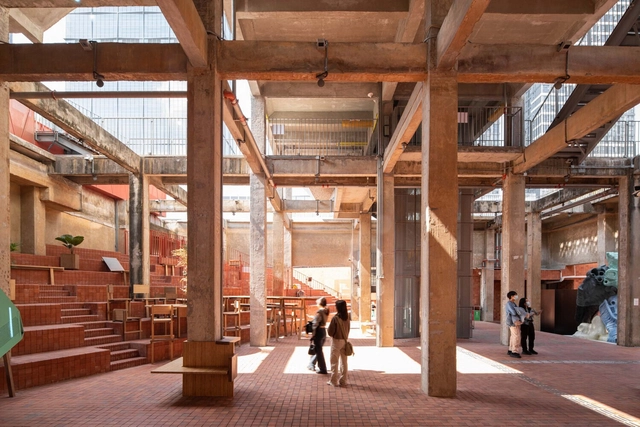
Over-providing traditionally implies offering more than is necessary, often carrying a negative connotation due to the potential for excess and waste. However, could there be scenarios within the built environment where over-providing proves advantageous? The question critically examines how overprovisioning might enhance a building's flexibility and adaptability to diverse and evolving conditions.
The underlying assumption of accurately providing what is needed for a building is that stakeholders—including owners, architects, and designers—can accurately predict and cater to a structure's current and future needs. This assumption, however, is challenging to realize, as societal, economic, and cultural shifts frequently occur in unpredictable ways. In this context, over-providing emerges as a counterintuitive yet potentially beneficial strategy. As buildings and structures inevitably transform, those designed with inherent adaptability reduce the need for costly renovations or complete rebuilds.
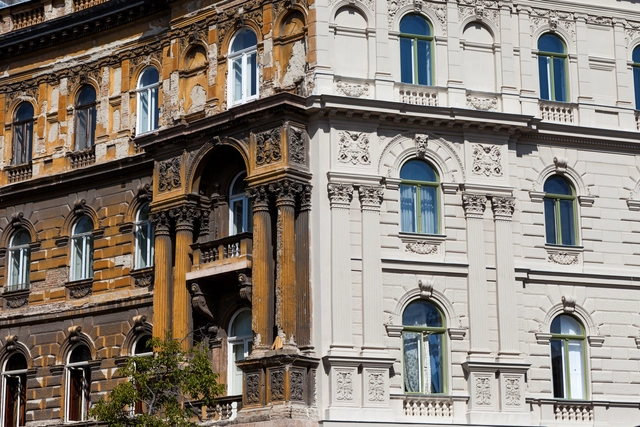
Listed buildings are important architectural testaments to a society's rich and diverse history. Formally recognizing these buildings protects their significant architectural elements from alterations and demolitions while creating socio-economic avenues to aid their conservation. However, these buildings also run at risk of being alienated from new materials and modern building systems that allow them to function optimally today.
Integrating new materials and building services without interfering with the building’s original character is a unique design challenge. Whether adding new materials during structural renovations or integrating modern fire protection systems, there is a need for sensitivity and balance. This applies to various elements of listed buildings, including walls, floors, roofing, and façades, ensuring they are future-proofed for an extended lifespan.
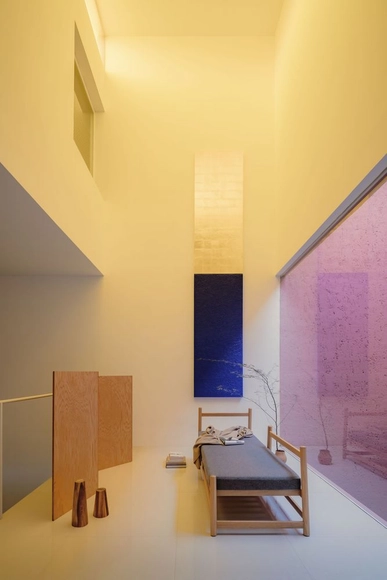
As we take stock and analyze the year 2022 from the most visited articles in our Materials section, it is clear that issues related to interiors have strongly resonated with our readers. While humanity spends more time indoors, both in physical and now even virtual realms like the metaverse, the forms and functions that define these interior spaces have acquired greater importance and value. Experimenting with fluid, flexible and versatile spaces is a trend that we have been witnessing for some years now, driven mainly by the impacts of the countless lockdowns still present in our memory. The chaos and uncertainty we experienced made us understand the importance of buildings with spatial awareness and sensitivity –those able to anticipate and take responsibility for the effects they have on their inhabitants. Factors such as orientation, the size and distribution of rooms, the use of natural light and ventilation, and the overall aesthetics of the space are essential. Technological advances have taken center stage and disrupted traditional interior design, giving rise to new and innovative approaches to domestic efficiency and circularity.
Through three different approaches –operations, aesthetics and energy–, below we provide a forecast of how we think interior spaces will evolve from 2023 onwards.
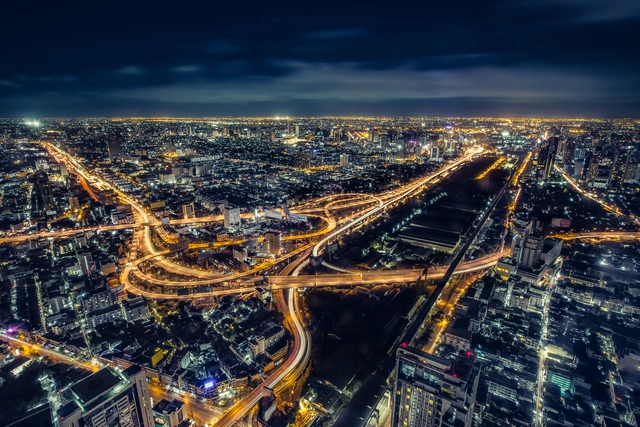
Cities concentrate opportunities and exchanges, culture and business, while, at the same time are a key contributor to climate change. They are highly complex organisms, with multiple actors involved, that bring to light underlying social interests and conflicts present in society. In 2007, the world's urban population surpassed the rural and this difference has been increasing ever since. According to the 2018 Revision of World Urbanization Prospects report, 55% of the world's current population lives in urban areas, rising to 68% by 2050. This will represent an increase of 2.5 billion people in urban areas, with almost 90% of this increase occurring in Asia and Africa. The Smart Sustainable Cities: Reconnaissance Study also points out that urban centers account for 67% of global energy demand, emit 70% of greenhouse gases and, on top of it all, buildings consume 40% of all energy worldwide. The prospect of a mostly urban world, along with the alarming onset of climate change, both raise challenges regarding living conditions in the coming decades and centuries, and all the implications that will accompany these changes.
Our cities, vulnerable by nature and design, have generated the biggest challenge that humankind has to face. With the vast majority of the population expected to settle in urban agglomerations, rapid urbanization is going to raise the issue of adaptability with future social, environmental, technological and economic transformations.
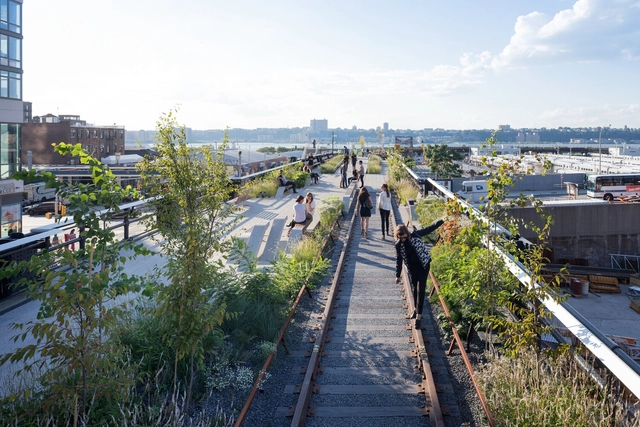
In fact, the main problematic of the decade questions how our cities will cope with fast-changing factors. It also looks into the main aspects to consider in order to ensure long-term growth. In this article, we highlight major points that help future-proof our cities and create a livable, inclusive and competitive fabric that adapts to any unexpected future transformation.