1. ArchDaily
  2. Equatorial Guinea

Equatorial Guinea: The Latest Architecture and News

Moving Capitals Across Global Contexts: From Strategic Planning to Environmental Necessity

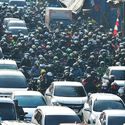
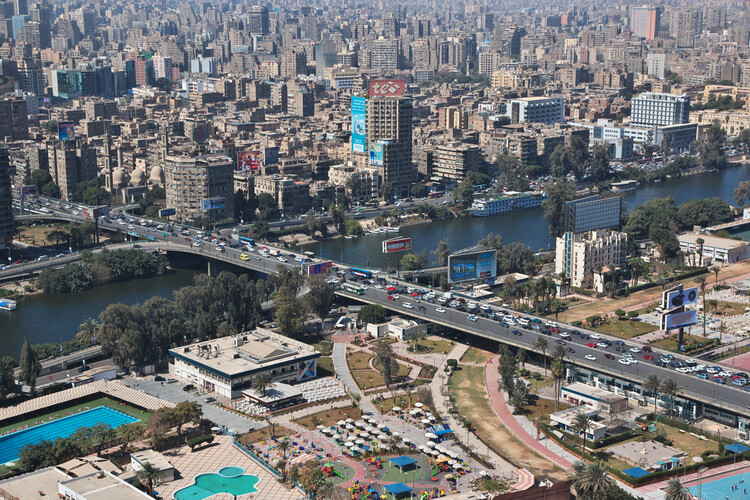
Across history, the relocation of capital cities has often been associated with moments of political rupture, regime change, or symbolic nation-building. From Brasília to Islamabad, new capitals were frequently conceived as instruments of centralized power, territorial control, or ideological projection. In recent decades, however, a different set of drivers has begun to shape these decisions. Rather than security or representation alone, contemporary capital relocations are increasingly tied to structural pressures such as demographic concentration, infrastructural saturation, environmental risk, and long-term resource management. As metropolitan regions expand beyond their capacity to sustain population growth and administrative functions, governments are turning to spatial reconfiguration as a means of addressing systemic urban imbalance.

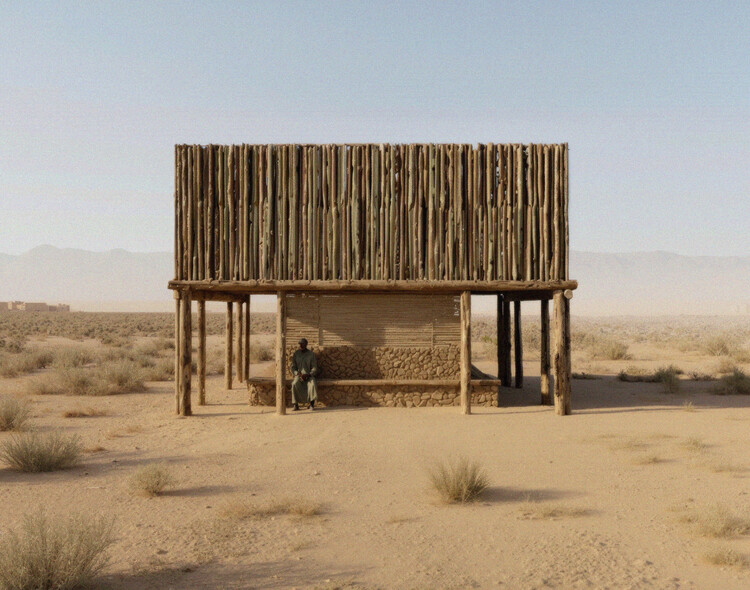
Moving Capitals Across Global Contexts: From Strategic Planning to Environmental Necessity - Image 1 of 4Moving Capitals Across Global Contexts: From Strategic Planning to Environmental Necessity - Image 2 of 4Moving Capitals Across Global Contexts: From Strategic Planning to Environmental Necessity - Image 3 of 4Moving Capitals Across Global Contexts: From Strategic Planning to Environmental Necessity - Image 4 of 4Moving Capitals Across Global Contexts: From Strategic Planning to Environmental Necessity - More Images+ 3

Equatorial Guinea Relocates Its Capital From Malabo to Ciudad de la Paz on Central Africa’s Mainland

Malabo served as the capital city of Equatorial Guinea from the country's independence from Spain on October 12, 1968, until January 2, 2026, when a decree issued by President Teodoro Obiang Nguema Mbasogo officially transferred the capital to Ciudad de la Paz ("City of Peace"), located in Djibloho Province. Obiang formalized the move as part of a long-planned territorial reorganization. While the former capital remains an important economic center on Bioko Island, Ciudad de la Paz was conceived as a planned capital on Africa's mainland. The initiative to relocate the capital dates back to 2008, with construction beginning in 2011. The new capital, also referred to as Djibloho, after the province, or Oyala, has been framed by the government as a decentralization effort aimed at improving national accessibility.

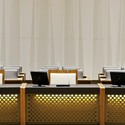
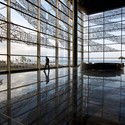
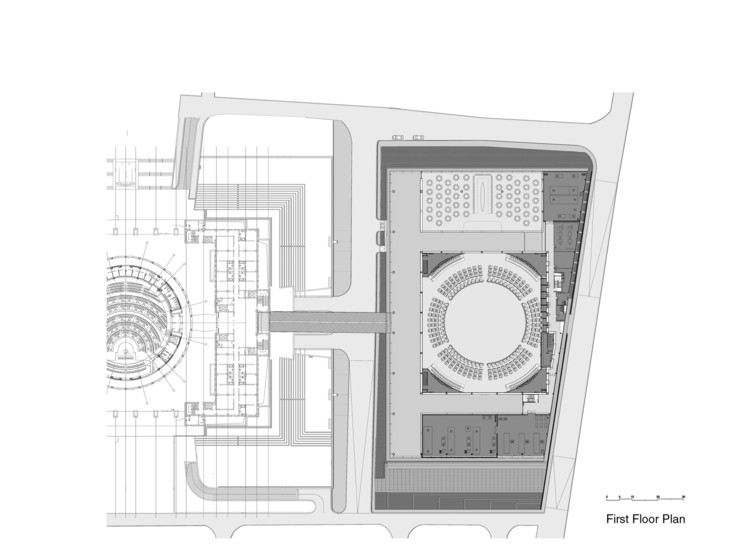
Sipopo Congress Center / Tabanlioglu Architects

Subscriber Access | 
Sipopo Congress Center / Tabanlioglu Architects - Image 19 of 4
© Emre Dörter

Architects: Tabanlioglu Architects Location: Malabo, Equatorial Guinea Architect In Charge: Murat Tabanlıoğlu & Melkan Gürsel Tabanlıoğlu Design Team: Salih Yılgörür, Ali Çalışkan, Sertaç Tümer, Utkan Yonter, Emre Çetinel, Elvin Erkut, Tugce Güleç Interior Design: Hacer Akgun Marino, Eda Lerzan Tuçbil, Esra Çanakkale, Gonca Yılmaz Ağbaş, Anday Bodur Project Year: 2011 Photographs: Emre Dörter

Sipopo Congress Center / Tabanlioglu Architects - Image 13 of 4Sipopo Congress Center / Tabanlioglu Architects - Image 12 of 4Sipopo Congress Center / Tabanlioglu Architects - Image 23 of 4Sipopo Congress Center / Tabanlioglu Architects - Image 18 of 4Sipopo Congress Center / Tabanlioglu Architects - More Images+ 22

Djibloho - Equatorial Guinea’s Future Capital City / IDF - Ideias do Futuro

Subscriber Access | 
Djibloho - Equatorial Guinea’s Future Capital City / IDF - Ideias do Futuro - Image 10 of 4
master plan

Located on the Wele-Nzas, the new capital city will be built in order to fulfill the President’s dream. The new capital city will be the attraction for an estimated 160.000 inhabitants and will extend for 8.150 Hectares. The concept is characterized by modernity and respect by the country’s cultural roots, optimizing its identity and the richness of the ecosystem where it belongs. Sustainability is also a privileged feature in every strand. The concept, by IDF-Ideias do Futuro, has its origin in the fusion between the river and the orthogonal matrix represented by the road net, in progress. More images and architects’ description after the break.