1. ArchDaily
  2. Drawing

Drawing: The Latest Architecture and News

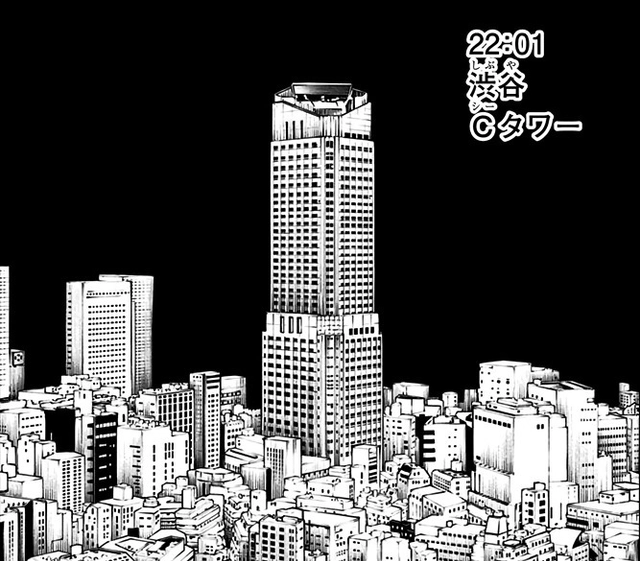
Architecture in Japanese Manga: Exploring the World of Jujutsu Kaisen

Subscriber Access | 

Manga is an umbrella term for a wide variety of comic books and graphic novels originally produced and published in Japan, and unlike western comic books that we may be more familiar with seeing printed in full color, are primarily published in black and white. Manga is the Japanese word for comics published in Japan, with the word itself comprising of two kanji characters: man (漫) meaning 'whimsical' and ga (画) meaning 'pictures'.

Not to be confused with the popular Japanese medium of anime, manga is print media whilst anime stands as visual media that is either hand-drawn or computer-produced, combining graphic art, characterization, cinematography, and other forms of creative and individualistic techniques. It is most notable that a lot of anime is developed as a result of a successful franchise that began as mere manga novels, but what continually unites the medium of manga and anime is the use of diverse art styles throughout various narratives that have been constructed for us consumers to follow.
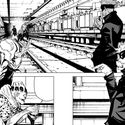
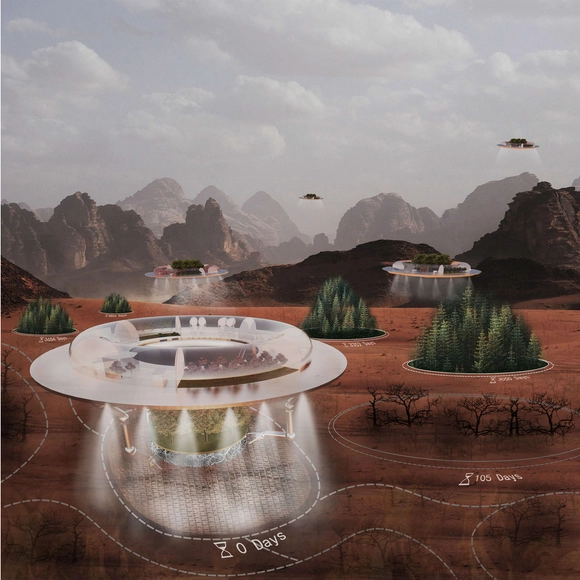
Architecture in Japanese Manga: Exploring the World of Jujutsu Kaisen - Image 1 of 4Architecture in Japanese Manga: Exploring the World of Jujutsu Kaisen - Image 2 of 4Architecture in Japanese Manga: Exploring the World of Jujutsu Kaisen - Image 3 of 4Architecture in Japanese Manga: Exploring the World of Jujutsu Kaisen - Image 4 of 4Architecture in Japanese Manga: Exploring the World of Jujutsu Kaisen - More Images+ 9

An Urban Cube House in Hungary and a Port of Culture in Ukraine: 10 Unbuilt Projects Submitted to ArchDaily

Along with several other imperative factors, the success of an architectural project relies heavily on how it is communicated to its users and builders. Most architects opt for realistic computer generated renders to showcase their projects, while others choose to explore different techniques, translating their architectural narratives through photo collages, sketches, animation, hyper-realistic miniature models, walkthroughs, diagrams, and occasionally, script. 

This week’s curated selection of Best Unbuilt Architecture highlights projects submitted by the ArchDaily community that are presented through different media. From a hand-drawn sketch of a coastal redevelopment in Norway to an abstract composition of photography and architectural drawings in Poland, this round up of unbuilt projects showcases diverse architectural typologies and their unique visualizations. The article also includes projects from the Netherlands, Hungary, Poland, United Arab Emirates, and Uzbekistan.

An Urban Cube House in Hungary and a Port of Culture in Ukraine: 10 Unbuilt Projects Submitted to ArchDaily - Image 4 of 4An Urban Cube House in Hungary and a Port of Culture in Ukraine: 10 Unbuilt Projects Submitted to ArchDaily - Image 25 of 4An Urban Cube House in Hungary and a Port of Culture in Ukraine: 10 Unbuilt Projects Submitted to ArchDaily - Image 51 of 4An Urban Cube House in Hungary and a Port of Culture in Ukraine: 10 Unbuilt Projects Submitted to ArchDaily - Image 104 of 4An Urban Cube House in Hungary and a Port of Culture in Ukraine: 10 Unbuilt Projects Submitted to ArchDaily - More Images+ 120

''The Delight I Get Out of Doing Buildings is to Say: It Can be Built'' : In Conversation with Peter Cook

‘’The delight I get out of doing buildings is to say: Screw you, it can be built’’ says Architect Peter Cook in conversation with Louisiana Channel, where he discusses his determination to communicate ideas through vivid Architectural drawings and the skepticism he has faced in regards to his ambitious design proposals and their outlandish appearance.

Peter Cook was interviewed at his studio in January 2022 prior to his exhibition ‘City Landscapes’ at the Louisiana Museum of Modern Art, Denmark. As the first artwork displayed that has been produced by an Architect, it explores his reverence for hand-drawing as an Architect's primary medium. The work depicts innovative new ways of exploring the city and our physical space in striking and evocative texture and color.

''The Delight I Get Out of Doing Buildings is to Say: It Can be Built'' : In Conversation with Peter Cook  - Image 1 of 4''The Delight I Get Out of Doing Buildings is to Say: It Can be Built'' : In Conversation with Peter Cook  - Image 2 of 4''The Delight I Get Out of Doing Buildings is to Say: It Can be Built'' : In Conversation with Peter Cook  - Image 3 of 4''The Delight I Get Out of Doing Buildings is to Say: It Can be Built'' : In Conversation with Peter Cook  - Image 4 of 4''The Delight I Get Out of Doing Buildings is to Say: It Can be Built'' : In Conversation with Peter Cook  - More Images

Drawing from an Architect’s Perspective: Interview with Ken Shuttleworth to Mark 5 years of The Architecture Drawing Prize

Subscriber Access | 

This short essay, written by the author and critic Jonathan Glancey, coincides with the launch of the inaugural Architecture Drawing Prize – a competition curated by the World Architecture Festival, the Sir John Soane's Museum, and Make. The deadline for the award is the 17th of September 2021.

“Is graphicacy a word?” asks Ken Shuttleworth, founder of Make Architects and instigator of The Architecture Drawing Prize. It is. “Like literacy”, he says, “, it’s certainly what I’m interested in when looking at and judging drawings. It’s about a fluency in making and understanding them.” The Architecture Drawing Prize is in its fifth year now. “We tend to see very few hand drawings by young architects - they mostly use computers - and, today, most architectural students come from more of a maths and physics than an art background. I still believe, though, that hand drawing is very important.”

“Many Architects Think as They Draw. I Don’t Do That”: In Conversation With Mikkel Frost

Talking to the Louisiana Channel, Danish architect Mikkel Frost, talks about how he visualises his ideas and represents his architectural concepts - through the mediums of pen, ink and watercolours. Frost views his use of drawing as different from other architects, who "think as they draw". Frost, on the other hand, "prints" the image he already has in his mind, saying "I'm many steps ahead of what I draw, basically printing the whiteboard in my mind."

“Many Architects Think as They Draw. I Don’t Do That”: In Conversation With Mikkel Frost  - Image 1 of 4“Many Architects Think as They Draw. I Don’t Do That”: In Conversation With Mikkel Frost  - Image 2 of 4“Many Architects Think as They Draw. I Don’t Do That”: In Conversation With Mikkel Frost  - Image 3 of 4“Many Architects Think as They Draw. I Don’t Do That”: In Conversation With Mikkel Frost  - Image 4 of 4“Many Architects Think as They Draw. I Don’t Do That”: In Conversation With Mikkel Frost  - More Images+ 6

Klaus Jan Philipp Explores the History of Architectural Drawings from the Middle Ages to the Present

Subscriber Access | 

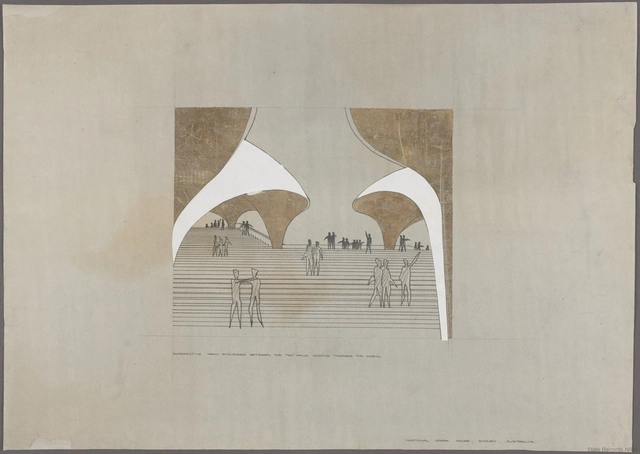
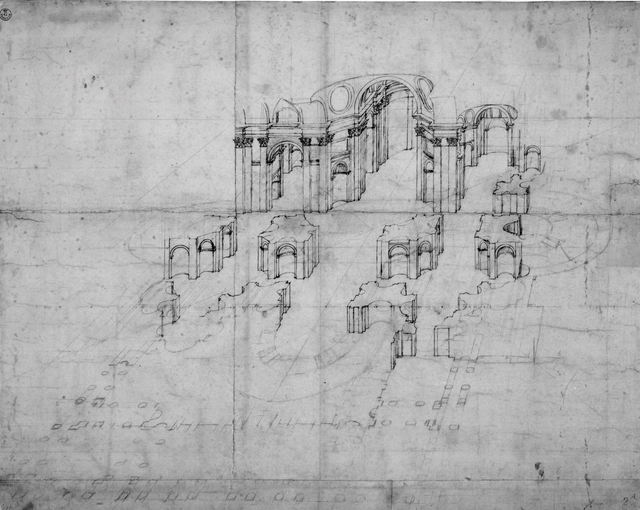
Throughout history, drawing has been the essential medium of conveying architectural ideas, operating on multiple levels, from the practical application of serving the construction process to the more artistic quality of expressing a vision and providing an impression of what the architecture will be like. The book Architecture – Drawn, From the Middle Ages to the Present, authored by University of Stuttgart Prof. Dr. Phil. Klaus Jan Philipp, recounts the historical development of architectural drawings, exploring all the different inventions, revolutions and continuities spanning eight centuries of architectural representation.

Draw in Order to See

Subscriber Access | 

Why should any 21st Century architect bother to draw by hand? There is, after all, an abundance of readily available digital tools that make pens and pencils seem little more than primeval artefacts. Fondly regarded, perhaps, yet as charmingly irrelevant to contemporary architecture as heavy horses are to today’s farmers or typewriters are to newspaper journalists.

HomeTown by Archisource - Stay-Home International Drawing Challenge!

A free, open-to-all, collective drawing challenge that aims to create a giant tessellated isometric drawing from creatives around the world!

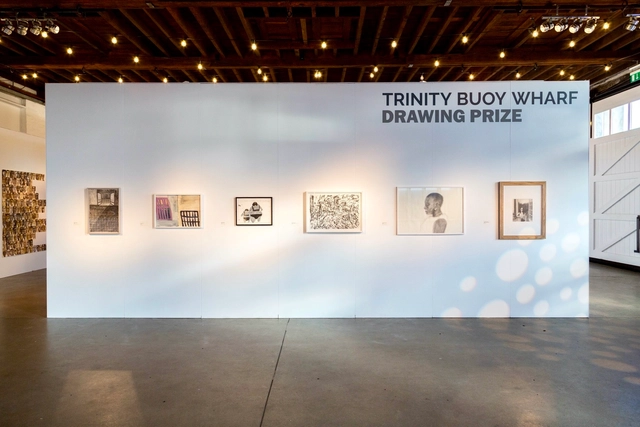
Trinity Buoy Wharf Drawing Prize

The Trinity Buoy Wharf Drawing Prize is now launching a milestone edition.
2020 will be the 3rd year of support for the Trinity Buoy Wharf Drawing Prize by the Trinity Buoy Wharf Trust and the 25th consecutive annual exhibition since 1994.

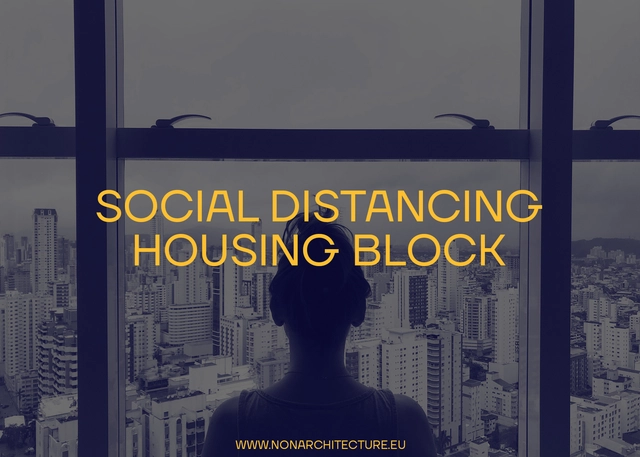
Social Distancing - Housing Block

Our world is changing fast, while ambitions and challenges match in importance. In this context, design can play a huge role. How do we imagine the world to be? What range of possibilities we haven’t discovered yet? What’s a Non-Architecture for a World in crisis? In 2020 we started the second phase of competitions to address the issues of tomorrow.

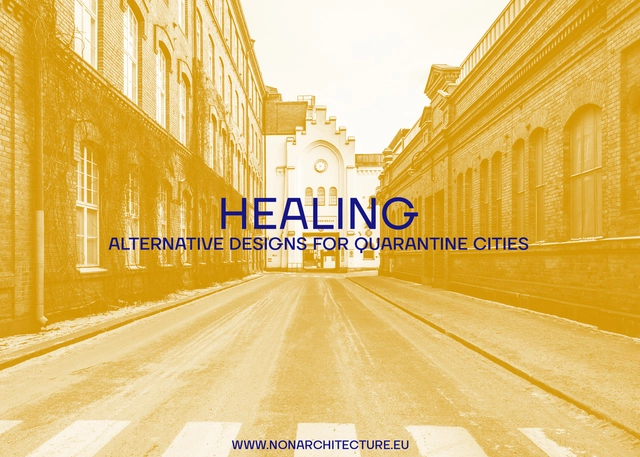
Healing - Alternative Designs for Quarantine Cities

Our world is changing fast, while ambitions and challenges match in importance. In this context, design can play a huge role. How do we imagine the world to be? What range of possibilities we haven’t discovered yet? What’s a Non-Architecture for a World in crisis? In 2020 we started the second phase of competitions to address the issues of tomorrow.

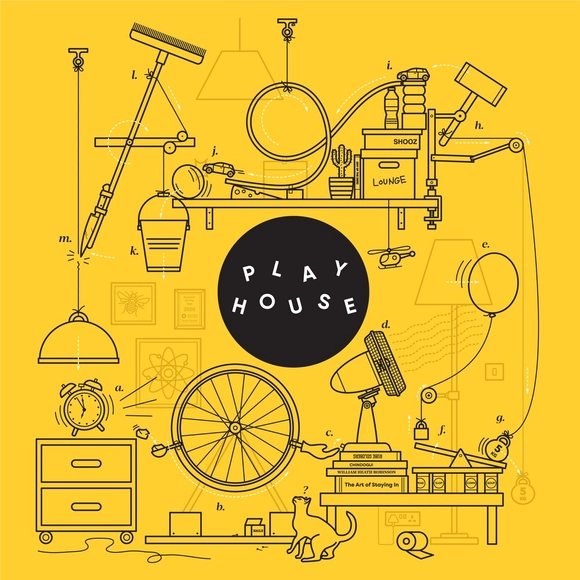
PlayHouse Competition - Call for Entries

Play is an essential part of all our lives, whether child or adult. Be it playing sports, a board game or simply sharing jokes with friends, play is just as important to adults as building a den or playing dress-up is to a child.

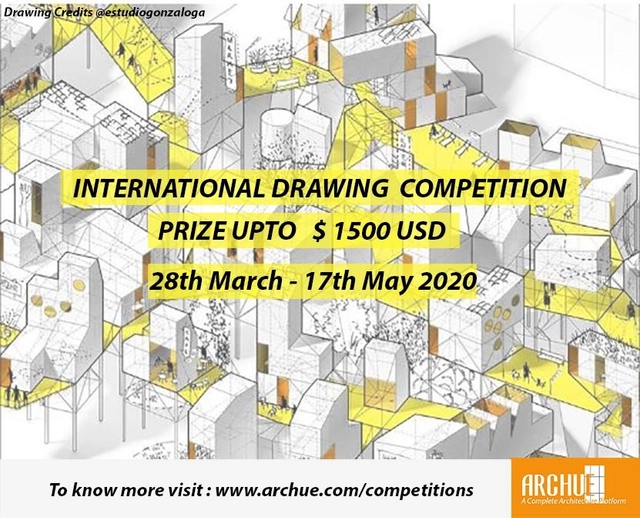
International Drawing Competition

Archue – A complete Architecture Platform presents ‘International Drawing Competition’.

Our first competition celebrating the talent of architecture and design students and young professionals through a single drawing.

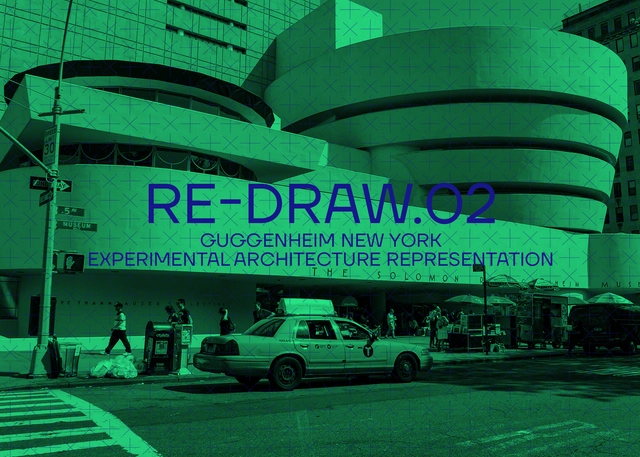
Re-draw.02: Open Call Guggenheim Experimental Architecture Representation

The aim of the RE-DRAW competition is to develop one drawing to ‘represent’ an iconic architecture. The participants are asked to draft one image, with absolute freedom of scale, technique and level of abstraction.

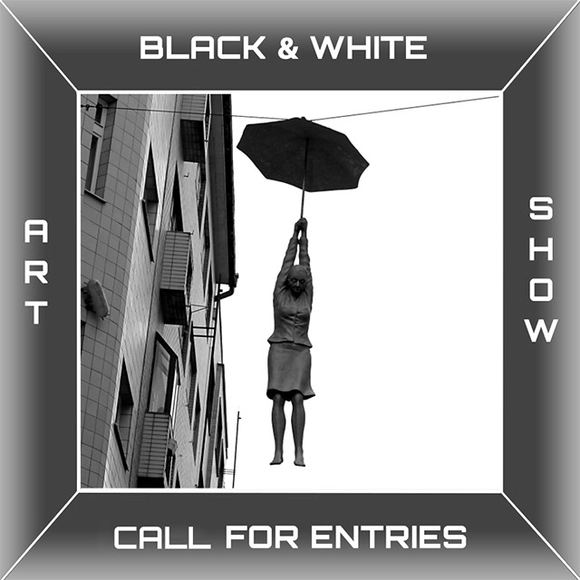
Black and White Show

Grey Cube Gallery proudly presents the first Black & White Show for the month of February 2020. The contest is open to all artists worldwide over 18 years of age. Entries must include the black and white or shades of gray as the primary focus. All visual art mediums (except video and sound) are allowed. The Best of Show winning artwork will be displayed as the poster of the show. All wining artists ( Merit Award & Honorable Mention) will receive a digital award certificate. The application fee is $16 for the 2 images of artwork. You may enter more than once. The deadline to submit entries is March, 05 2020.

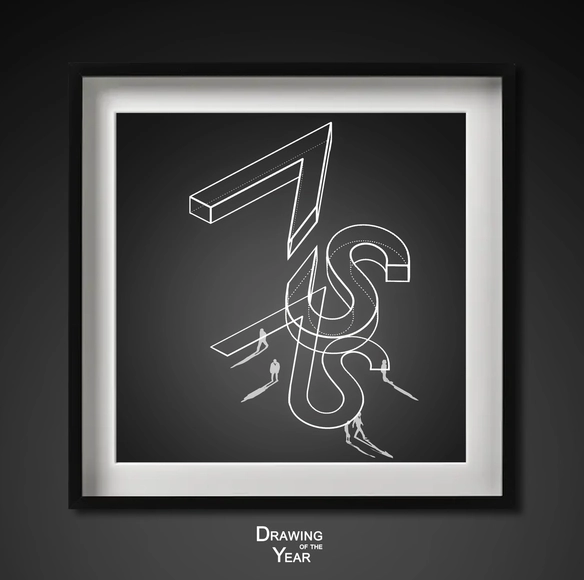
Archisource - Drawing of the Year Competition

Archisource presents ‘Drawing of the Year 2019’. Our first competition celebrating the talent of architecture and design students and young professionals through a single drawing. With four categories to win from, we are celebrating the extensive variety of drawings that are created around the world each year.

Répliques

To celebrate in its own way the 10th anniversary of the opening of the Nantes School of Architecture on the banks of the “Ile de Nantes”, sauvarjon collective offers a great illustration contest, free, open to all, focused on the main theme of "Replica!", and hopes to collect 100 illustrations from different authors, which will also be the subject of an exhibition and auction during the National Days of Architecture in October 2019.

Why Keep Drawing When Digital Tools Deliver Hyperrealistic Images?

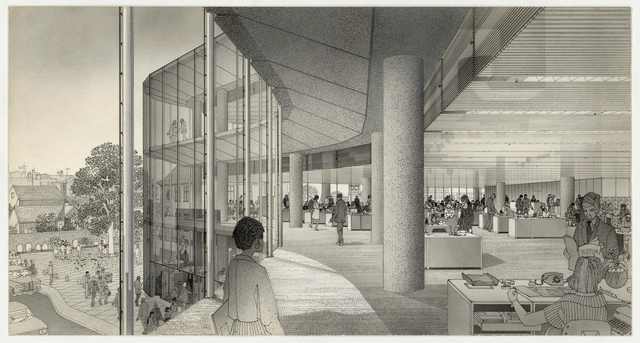
Starting this month, ArchDaily has introduced monthly themes that we’ll explore in our stories, posts and projects. We began this month with Architectural Representation: from Archigram to Instagram; from napkins sketching to real-time-sync VR models; from academic lectures to storytellers.

It isn’t particularly novel or groundbreaking to say that the internet, social media, and design apps have challeged the relation between representation and building. A year ago we predicted that "this is just the beginning of a new stage of negotiation between the cold precision of technology and the expressive quality inherent in architecture". But, is it? Would you say digital tools are betraying creativity? This is an older dilemma than you think.

In this new edition of our Editor's Talk, four editors and curators at ArchDaily discuss drawings as pieces of art, posit why nobody cares about telephone poles on renders and explore how the building itself is becoming a type of representation.

Why Keep Drawing When Digital Tools Deliver Hyperrealistic Images? - Image 1 of 4Why Keep Drawing When Digital Tools Deliver Hyperrealistic Images? - Image 2 of 4Why Keep Drawing When Digital Tools Deliver Hyperrealistic Images? - Image 4 of 4Why Keep Drawing When Digital Tools Deliver Hyperrealistic Images? - Image 8 of 4Why Keep Drawing When Digital Tools Deliver Hyperrealistic Images? - More Images+ 4