

Dakar: The Latest Architecture and News
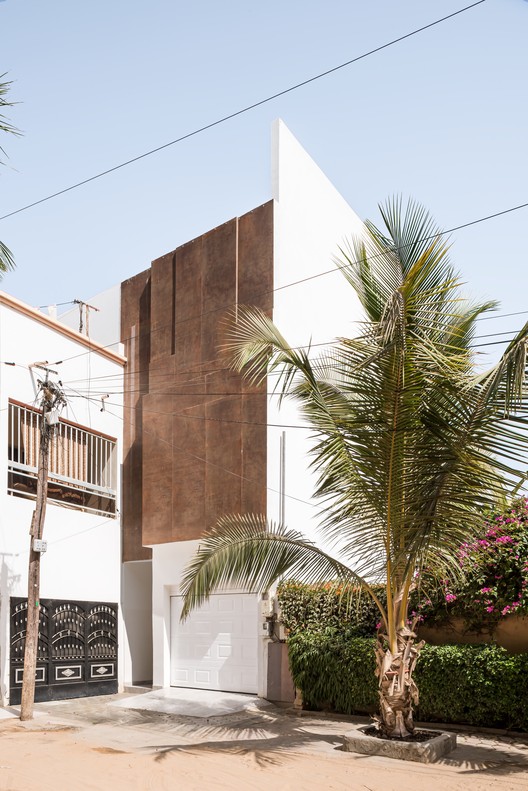
Oikos a - Villa Patio / MOST Monti Studio
https://www.archdaily.com/949521/oikos-a-villa-patio-most-monti-studioHana Abdel
The Rural vs. The Urban: The Postcolonial City of Dakar in the Film Touki Bouki
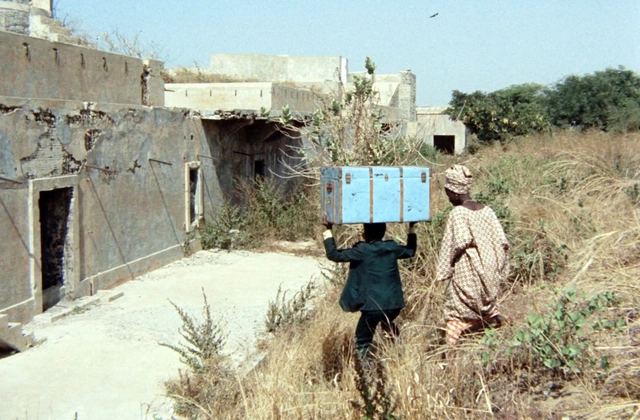
Simultaneously gripping, disconcerting, and chaotic, Djibril Diop Mambéty’s Touki Bouki is an exhilarating cinematic ride. The 1973 drama — the first full-length film by the Senegalese director — is the fantastical narration of a young couple in Dakar, eager to escape the Senegalese capital for the allure of Paris. It’s a character-driven film in many ways, primarily centered on the couple’s adventures, but it is also a subtle visual examination of the urbanism of post-independence Dakar, where the city and its architecture are essential fixtures in a surreal storyline.


https://www.archdaily.com/995305/the-rural-vs-the-urban-the-postcolonial-city-of-dakar-in-the-film-touki-boukiMatthew Maganga
Visiting 2019 Aga Khan Award Laureates
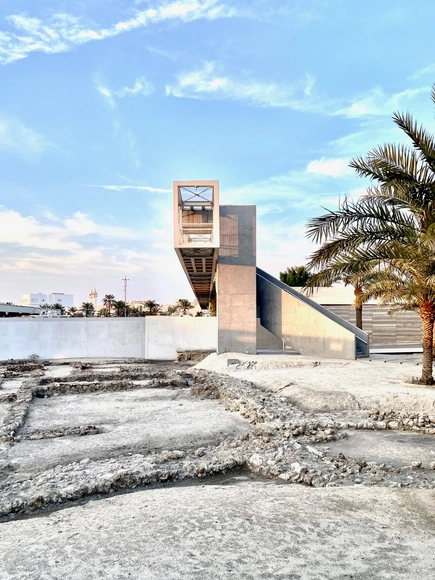
When the winners of the prestigious Aga Khan Award for Architecture are announced every three years, the architecture celebrated is arguably the best, most important work found around the world. While the 2022 cycle announcements are imminent, looking back at the six project laureates from 2019 proves to be a fruitful review.



https://www.archdaily.com/989187/visiting-2019-aga-khan-award-laureatesAndrew Mitchell
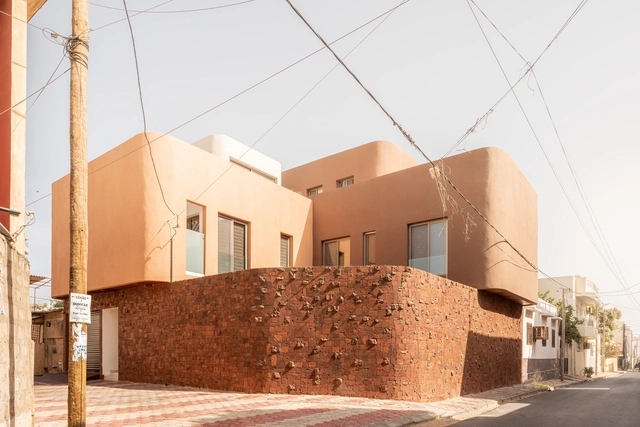
Villa Fann Hock / MOST Monti Studio


-
Architects: MOST Monti Studio
- Area: 550 m²
- Year: 2022
-
Manufacturers: Oikos Venezia, Anoxidall, EDRA
-
Professionals: MEGASA Construction, Dial Consulting
https://www.archdaily.com/986968/villa-fann-hock-most-monti-studioHana Abdel
Ecological Control and the Garden City: Utopia for Whom?
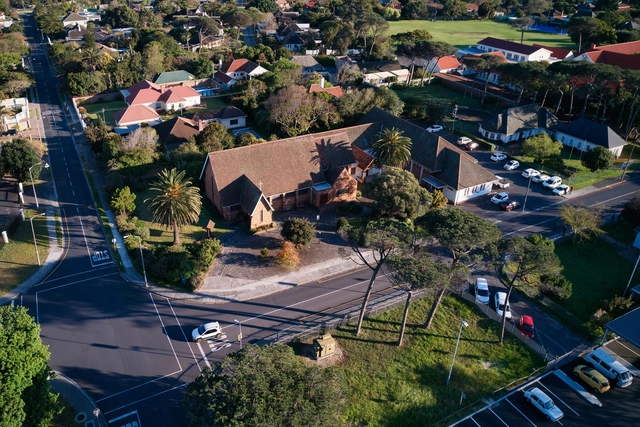
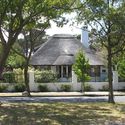
At the turn of the 19th century, a British publishing house would release a book written by an English urban planner – a book with an optimistic title. The title of this book was To-morrow: A Peaceful Path to Real Reform, later reprinted as Garden Cities of To-morrow. The English urban planner in question was Ebenezer Howard – and this book would lay the foundations for what would later become known as the Garden City Movement. This movement would go on to produce green suburbs praised for their lofty aims, but it would also produce satellite communities that only catered to a privileged few.



https://www.archdaily.com/983622/ecological-control-and-the-garden-city-utopia-for-whomMatthew Maganga
Goethe Institute Designed by Kéré Architecture Breaks Ground in Senegal

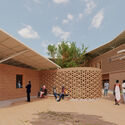
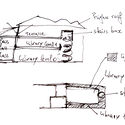
Construction began at the Goethe Institute in Dakar, designed by Kéré Architecture. The project is the first purpose-built space for the German cultural association and exchange centre in its over 60 years of global activity. Located within a residential area and a lush garden, the two-storey structure is shaped by the canopy of trees on-site and is being built using bricks made of laterite, a residual local rock with insulating qualities that help to passively regulate the indoor climate. The project will provide spaces for a wide array of activities, ranging from exhibitions and language courses to concerts and gatherings, all while building on the cultural landscape of Senegal.



https://www.archdaily.com/977316/goethe-institute-designed-by-kere-architecture-breaks-ground-in-senegalAndreea Cutieru
Living in Dakar, A Study of Senegalese Housing & Future Development
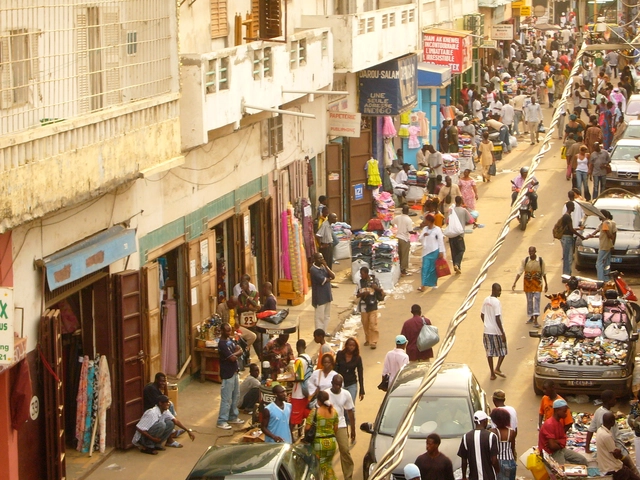
Launched by the Goethe Institut, Habiter Dakar (Living in Dakar) is a virtual exhibition tackling Housing in the Senegalese capital. The study was led by Nzinga Mboup and Caroline Geffriaud, both Architects based in Dakar. They noticed that the current housing offer in the city was particularly far off the needs of its inhabitants, whether on the cultural, societal or environmental level.
The architects analyzed the progression through which the Senegalese capital's Urban Landscape and Housing development had passed, starting from the traditional compound living type to today’s international housing models which seem to be disconnected from the daily reality of most of the city’s inhabitants. The study is concentrated on Housing which is an essential part of the formation and evolution of Dakar and suggests important theoretical and concrete reflections for the future development of the African metropolis.


https://www.archdaily.com/955865/living-in-dakar-a-study-of-senegalese-housing-and-future-developmentHana Abdel
Marc Thorpe Proposes Houses for the Workers of Moroso on the Outskirts of Dakar Senegal
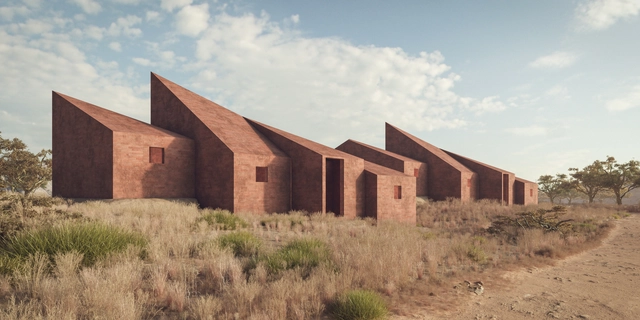
Marc Thorpe, New York-based architect and multidisciplinary studio, has designed the Dakar Houses for the workers of Moroso M’Afrique furniture collection. Located on the outskirts of the Senegalese capital in West Africa, the prototype houses are made from earth bricks.
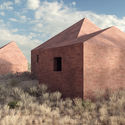

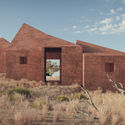


https://www.archdaily.com/937014/marc-thorpe-proposes-houses-for-the-workers-of-moroso-on-the-outskirts-of-dakar-senegalChristele Harrouk