-
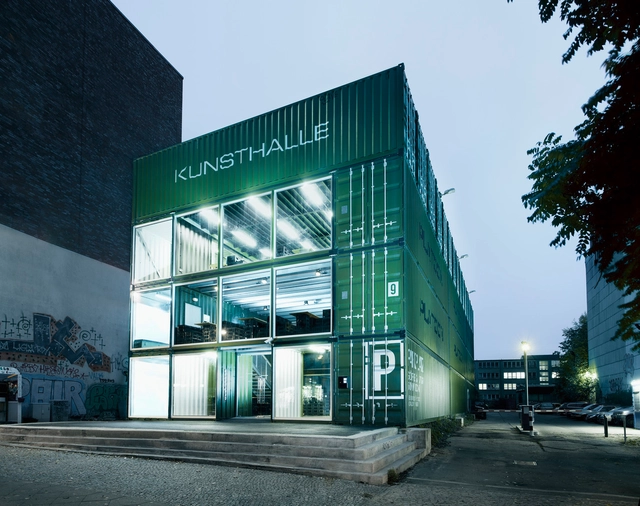
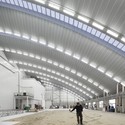
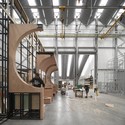
Architects: Slangen+Koenis Architects
- Year: 2009



When plans for the High Line were first revealed it made quite an impression on the design community. The converted elevated rail line, long abandoned by New York City, was threatened by demolition until a group of activists fought for its revival and helped transform it into one of the most renowned public spaces in Manhattan. Now Queens, a borough with its own abandoned infrastructure is on its way to redeveloping the land for its own version of the High Line, to be known as the Queensway Cultural Gateway.
In late December, the Trust for Public Land announced that New York Governor Andrew Cuomo has awarded a $467,000 grant to the organization to begin a feasibility study on the 3.5 mile Long Island rail line. Early proposals reveal a new pedestrian and bike path, public green space and a cultural gateway that will celebrate Queens’ diversity in art, sculpture and food, serving the 250,000 residents that live in the neighborhoods along the route, which include Rego Park, Forest Hills, Richmond Hill, Ozone Park and Forest Park.
Join us after the break for more.

Designed by People’s Architecture Office (PAO) + People’s Industrial Design Office (PIDO), the Tricycle House and Tricyle Garden was designed to address the theme of the 2012 Get It Louder Exhibition. The inability to own land is a fundamental condition in China unique from many western countries. The Tricycle House suggests a future where the temporary relationship and the public nature between people and the land they occupy is embraced. More images and architects’ description after the break.


Designed by JaK Studio Architects, their second prize winning proposal for the RIBA International Competition to Re-imagining York’s Giuldhall Complex: Connecting River and City re-energizes the area by focusing on its history while embracing the future. When the Romans settled in this outpost of their empire, they were still keen to establish some of the rigor and grandeur of Rome. To echo this we cleared the open ground around the guildhall and reclaimed two large plazas cascading down to river providing unique and accessible public spaces with direct relationships to the river. More images and architects’ description after the break.


Designed by Tomas Ghisellini Architetto, the proposal for the new “Malga Fosse” refuge, which won an honorable mention, chooses the language of the rough and simple local construction scattered among the mountains. In doing so, their design builds up the impression of an old archetypal building surrounded by valleys and peaks of great beauty. Aimed at being an unforgettable place right in the heart of the Dolomites, the old is here replaced by a fascinating and iconic architectural body. More images and architects’ description after the break.

In recent years Downtown Brooklyn has become somewhat of a hub of cultural activity. Just past the triangular intersection of Flatbush Ave and Fulton Street, a high density of cultural buildings, expansive retail, and entertainment exists. Mayor Michael Bloomberg of NYC announced in late November that the city and private companies will be partnering to produce three new projects in this area that will bring affordable housing and additional cultural and community spaces to Downtown Brooklyn. This last city-owned parcel will be developed into mixed use facilities: a 515,000 square foot building at Fulton St, Rockwell Place and Ashland Place; a 32-story mixed use building on Flatbush and Lafayette to be designed by Enrique Norten of TEN Arquitectos and a third building currently in the RFP stage of development at Ashland Place and Lafayette.
Join us after the break for more.

Designed by Onat Öktem and Ziya Imren, the proposal for the Çanakkale Municipality “Green” Cultural Center & Municipality Building, which won an honorable mention, aims to create a new focal point located at the intersection of two busy pedestrian and vehicle axes, that strengthens the urban identity. The project intends to achieve a sharing/networking space that supports the everyday life of urban dwellers with social and cultural activities/facilities/uses, and a human-centered urban space that is also respectful to environmental values. More images and architects’ description after the break.
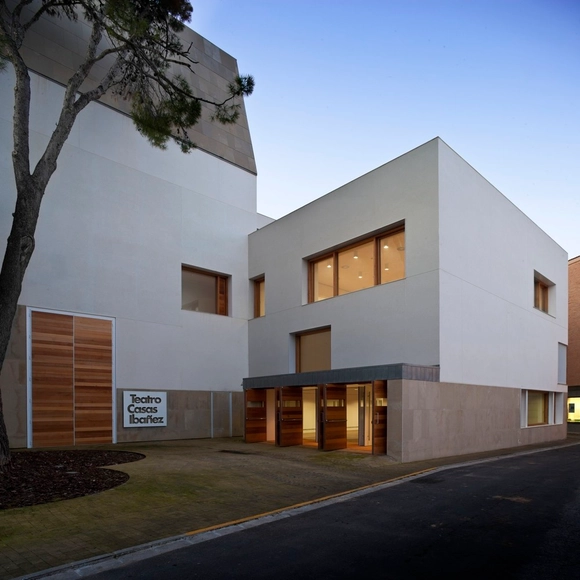
Hufton_Crow.jpg?1414182087)

The aim of the competition for the Freedom Square And Zdunski Market Place was to select the best urban and architectural design in Kutno, Poland. Such features as spatial development, functionality and practicability were taken into consideration. In the second prize winning proposal by Mado Architekci, they combine the current appearance with the original to create a hybrid square. The hybrid would combine the features of a pro-community, commonly accessible square without any motor traffic, with a square that would satisfy the needs of a modern city. More images and architects’ description after the break.








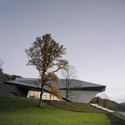
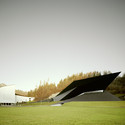
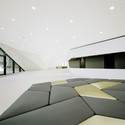
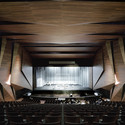

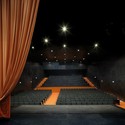
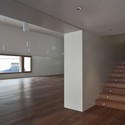
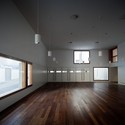
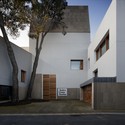

Hufton_Crow.jpg?1414182038 "© Hufton+Crow")
_Hufton___Crow.jpg?1414182103 "© Hufton+Crow")
Hufton_Crow.jpg?1414182087)