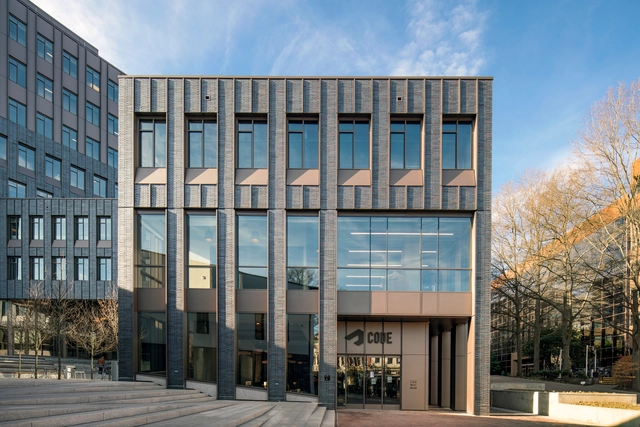
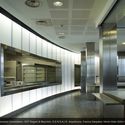
CODE Building / Wolf Ackerman, EskewDumezRipple. Image Courtesy of Kingspan
A 2022 United Nations report claims that the negative impacts of the climate crisis are mounting much faster than scientists predicted less than a decade ago. Rising greenhouse-gas emissions could soon outstrip the ability of many communities to adapt, and the consequences will continue to hit the world’s most vulnerable populations. As climate scientist Maarten van Aalst suggests, “Any further delay in global action on adaptation and mitigation will miss a brief and rapidly closing window of opportunity to secure a livable and sustainable future for all.” The data is clear: to protect our planet, we need to prevent a 1.5°C rise in global temperatures this century. To do so, the world must achieve a 45% reduction in global carbon emissions from 2010 levels to 2030, to then reach a net-zero state by 2050. It is evident, however, that we are on track to miss this goal by a substantial amount. The clock is ticking, and every industry should act fast (and drastically) to even dream of greener cities.
Blending in with its urban context or standing out to draw attention, a façade tells a building’s story. It is an expressive medium through which we engage with architecture, defining first impressions and setting the tone for the interior by experimenting with transparency, movement, texture and color, among other aesthetic possibilities. Of course, the envelope also plays a crucial functional role, acting as a protective barrier against extreme weather conditions and directly impacting light transmittance, energy efficiency and acoustic comfort. Architects therefore face an important challenge: to achieve a balance between an attractive look and performance. To do so, it is pivotal to specify the right materials during the design stage.
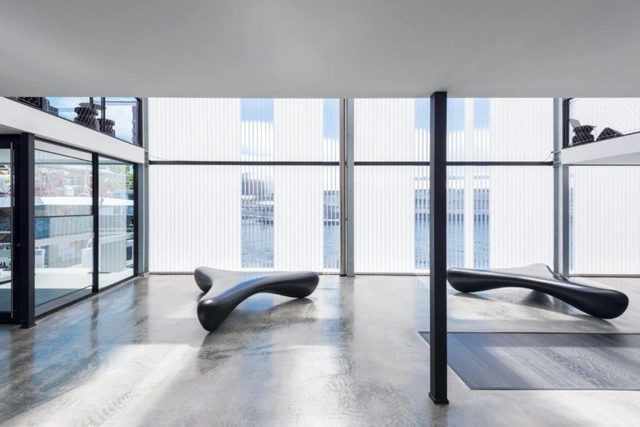
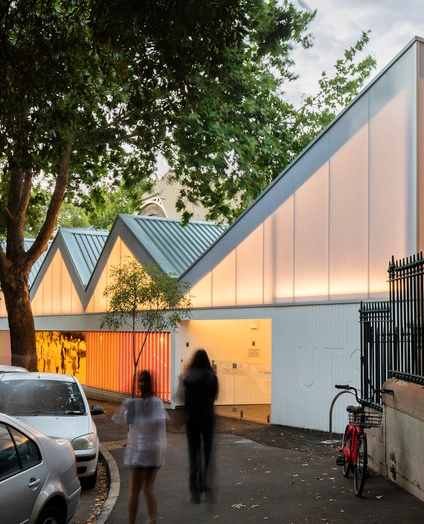
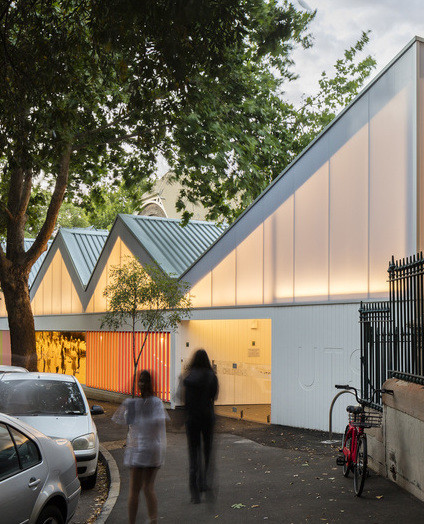
Brooke Street Pier / Cinca Morris Nunn. Image Courtesy of Danpal
In architecture, the concept of daylighting refers to when buildings allow natural light inside to provide a number of benefits, from enhanced visual comfort and productivity, to improved health and higher energy savings. However, to reach optimum levels of sunlight, reaching a balance is key; while too much can produce an uncomfortable glare and tremendous amounts of heat, too little can lead to health deficiencies and a greater dependency on artificial lighting. In that sense, the qualities of polycarbonate panels are unmatched, becoming an attractive choice for facades and roofs by achieving a soft, diffused light with varying levels of transparency, brightness and opacity.
The total energy demand from buildings has risen dramatically in recent years. Driven by improved access in developing countries, greater ownership of energy-consuming devices and increasing urban densities, today it accounts for over one-third of global energy consumption and nearly 15% of direct CO2 emissions. As the climate crisis aggravates and its consequences are more visible than ever, the architecture and construction industry must respond accordingly. It must take responsibility for its environmental impact and give priority to reducing energy consumption, whether through design decisions, construction techniques or innovative products. The key lies, however, in not sacrificing aesthetics and comfort in the process.
Whether blending in or standing out, embodying transparency or solidity, expressing coarseness or softness, a façade is the medium through which we engage with architecture. It tells a story and can often set the tone for the rest of the interior. But apart from defining a purely visual experience, a building’s envelope must also be practical, durable and have the ability to properly manage natural lighting and ventilation needs. After all, by being the point of contact with the outside, it is responsible for mitigating sounds and providing protection from climatic conditions, such as wind, rain, heat and humidity. Therefore, when designing a facade, it is important to consider a balance between performance and a beautiful aesthetic. Of course, many materials successfully meet these criteria. But when it comes to creating a comforting, light-filled ambiance while ensuring resistance, ease of installation and versatility, the properties of translucent polycarbonate panels seem to be unparalleled.
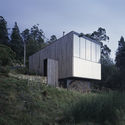
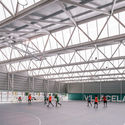
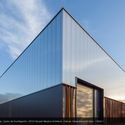
Composed of microcell panels, polycarbonate offers various solutions for the use of natural lighting in architectural enclosures. Whether applied to facades, interior spaces or roofs, the benefits of polycarbonate, such as lightness, clean lines, colored panels, and light effects, offer a wide range of design freedom. Microcell panel technology reduces the need for artificial light and favors uniformity in the diffusion of natural light, achieving energy efficient facades and the illusion of spaciousness in interior spaces. Below, we've selected 10 projects that have used polycarbonate as a wrapping material.
Videos
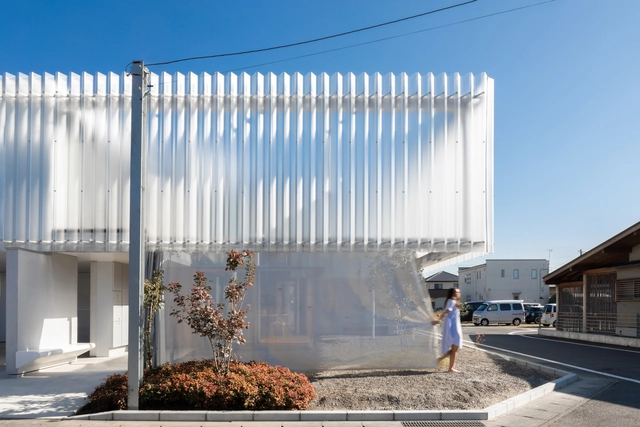
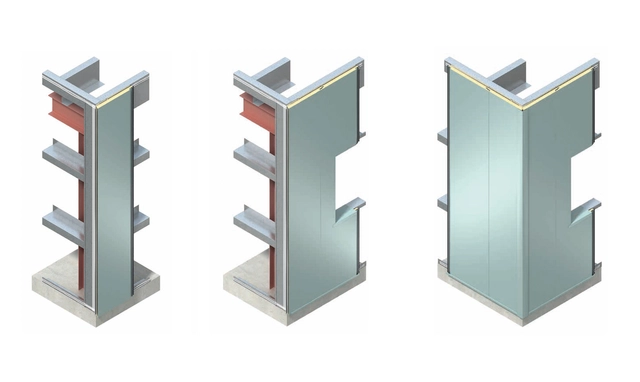
Designwall 2000/4000 / Vertical Installation. Image Courtesy of Kingspan
A building’s envelope is the first thing you notice - its defining feature, before even setting foot inside. While indisputably important, there’s much more going on than just aesthetics when designing one. There are unseen aspects and qualities that make the interior of the building safe and comfortable, which architects are constantly balancing with the visual appearance of the exterior.
Building envelopes keep out the weather, contribute to thermal and acoustic comfort, affect fire safety, and the choice of one system over another has economic, sustainability, constructability, and longevity implications to consider. In addition, there are multiple aesthetic factors a building envelope needs to address: context, color, texture, visual comfort, and overall design intent to name just a few.
The Facades+ conference series sponsored by The Architect's Newspaper is a robust dialogue encompassing all things building skin—bridging the profession, industry, academia, operations, and ownership. We’ve distilled the best of the Facades+ 2-day event into a quick-take morning forum with a strong local flair. Facades+AM is coming to Philadelphia for the first time this September. See the full program below.
Facades+AM Austin includes three sessions covering issues unique to the region, including innovative collaborations between architects and engineers, high performance envelopes, and the changing face of Austin's skyline. These well-rounded, expert dialogues will inform and inspire.
The Facades+ conference series sponsored by The Architect's Newspaper is a robust dialogue encompassing all things building skin—bridging the profession, industry, academia, operations, and ownership. We’ve distilled the best of the Facades+ 2-day event into a quick-take morning forum with a strong local flair. Facades+AM is coming to Austin for the first time this July.
Material Minds, presented by ArchDaily Materials, is our new series of short interviews with architects, designers, scientists, and others who use architectural materials in innovative ways. Enjoy!
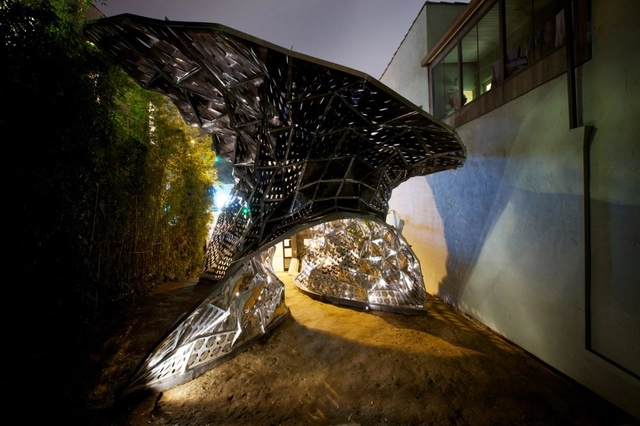
Before attending Columbia University for her Masters in Architecture, Los Angeles-based architect Doris Kim Sung took a fairly non-traditional approach to becoming an architect: she was a biologist. Naturally then, Sung’s architectural work tends to take inspiration from the biological world, particularly in the way she experiments and innovates with materials. Much of her work involves thermal bimetals, a material that expands and contracts with temperature swings; it can even act as a sun shade and ventilation system, without the need for electricity.
So where does a biologist-turned-architect draw inspiration from? We interviewed Ms. Sung to find out for ourselves -- the responses, like her work at dO|Su Architecture, are simply fascinating.