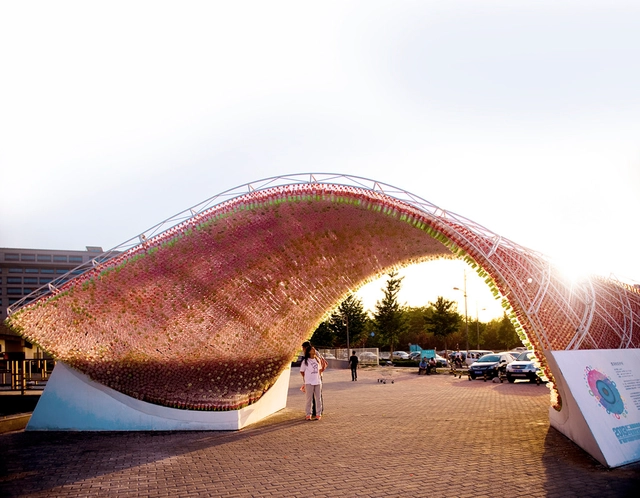
Designed by penda, the cola-bow installation is a public art installation made out of more than 17,000 recycled plastic bottles, which were braided to create a shape inspired by the swings of the Coca-Cola logo. Designed for the 2nd Beijing University Creation Expo, which turns into the Beijing Design Week, the installation aims to also serve as a statement against plastic pollution by taking trash and turning it into a shelter. More images and architects' description after the break.
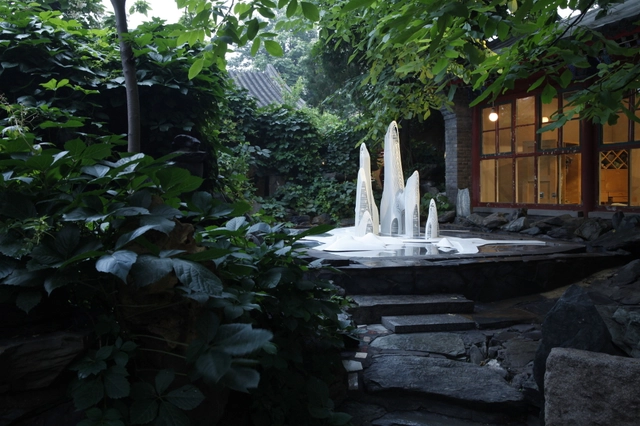
Displayed earlier this month in a Qing Dynasty courtyard garden at Wu Hao in Beijing, Ma Yansong's 'Shanshui City exhibition featured more than twenty architectural models and works of art that are scattered around the ancient courtyard. Among rocks, screen walls, bamboo groves, pools of water and beneath the sky, the scale of each piece varies and collectively they form a futuristic utopian urban landscape. The newly issued book "Shanshui City" - released simultaneously with the exhibition - is an important turning point for Ma Yansong's ten years of architectural practice and theory. More images and information on the exhibition after the break.
Courtesy of Thomas Batzenschlager and Clémence Pybaro
In cities around the globe, change happens almost instantly. Buildings rise, buildings disappear, and skylines morph before one’s eyes. There is no better example of this, of course, than China. From Ordos to Shanghai, Chinese cities are in a constant state of flux, as the Chinese people willfully abandon signs of the past and embrace the new.
Of course, it’s one thing to know this fact; it’s quite another to witness it firsthand, to experience this urgent impetus to demolish and demolish in order to build, build, build, and build. In the face of such large-scale, exponential urban development, it’s easy to feel powerless to suggest another path.
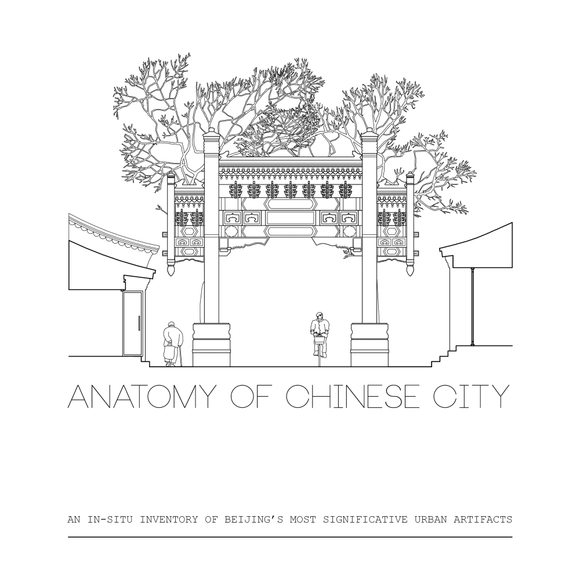
However, in publishing Anatomy of a Chinese City, that is exactly what two young architects have done. By taking the time to observe the “urban artifacts” that make a Chinese city unique, compiling over 100 drawings of everything from buildings to bicycles, Thomas Batzenschlager and Clémence Pybaro have preserved a piece of Chinese history that is quickly going extinct.
In a world where, in the race for progress, quotidian realities are erased unthinkingly, Anatomy of a Chinese City is not just a resource, but a call-to-action, reminding us to slow down and observe the very human context that surrounds us.
Read more about Anatomy of a Chinese City, after the break...
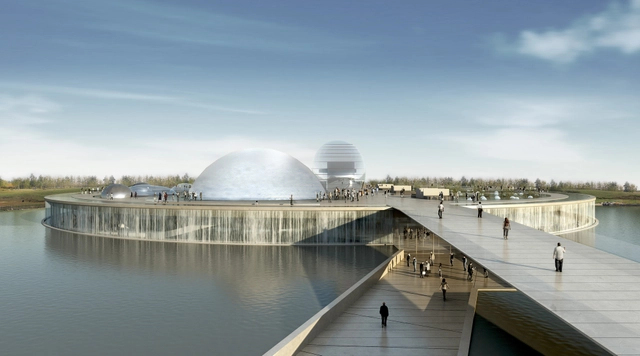
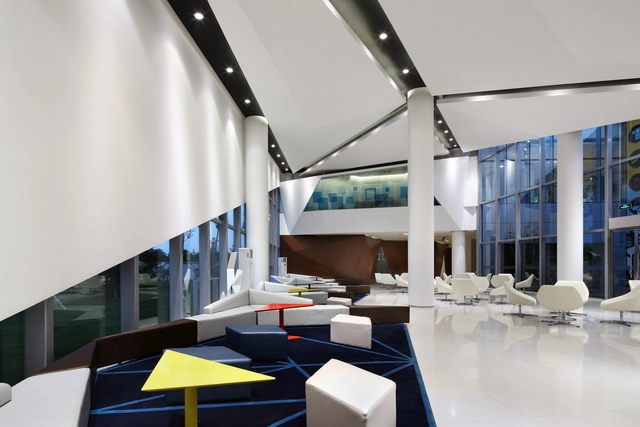
Science and technology evolve at an astounding rate. They are in constant motion and change, with such fierce speed that both surprises and excites. The non-stop evolution is boundless, and it gets faster and more dynamic every day.
Companies, industries, laboratories and research centers devote energy and make investments to discover new ways to enhance and consolidate a variety of products in general. The spaces that showcase scientific and technological progress have become hubs of social interest, where magic and fantasy of the near yet unknown future attract like a magnet that boasts an amazing array of features.
In mankind and nature, science and technology have uncovered a universe of solutions and answers that not only shapes a better future but also brings all the bits and pieces together. Nature serves as the middleman between mankind and science; there lie its strength and bright future. The virtual world has taken on paramount importance and plays the leading role in today’s stage.
.jpg?1370581135)
.jpg?1370580957 "© SHU He")
.jpg?1370581077 "© SHU He")
.jpg?1370581153 "© SHU He")
.jpg?1370581189 "© SHU He")
.jpg?1370581135)



















.jpg?1413928283&format=webp&width=640&height=580)

.jpg?1413928283)