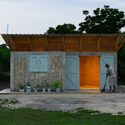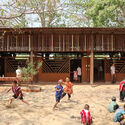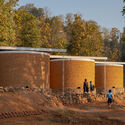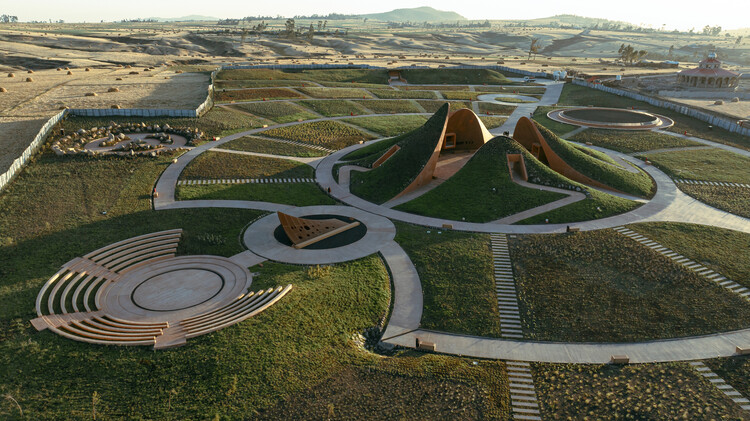
A revitalized canning factory in a coastal Portuguese city, a memorial park in Ethiopia, a small-town Brazilian home, a wooden pavilion evoking Bahrain's heritage, and 11 other visionary projects comprise the winners of the 2026 ArchDaily Building of the Year Awards. Chosen over three weeks of public voting, the winners are representative of the current architectural landscape, reflecting a diversity of approaches, materialities and aesthetics, while also showcasing common threads across cultures.
In its 17th edition, this year's Building of the Year Awards received more than 120,000 votes from over 100 countries, marking a record-breaking year for the world's largest community-driven architecture award. The winners represent 14 different countries, cultures and perspectives, coming from Brazil, Canada, Chile, Colombia, Denmark, Ethiopia, Germany, India, Indonesia, Japan, Portugal, South Korea, United States and Vietnam.