Vlad Feoktistov

BROWSE ALL FROM THIS PHOTOGRAPHER HERE

Ideology of Performance: Sustainability and the Limits of Efficiency

Audio available

This article is part of our new Opinion section, a format for argument-driven essays on critical questions shaping our field.

The modern sustainability project is built on the promise that evolving technologies can reconcile urban and economic growth with ecological responsibility. By the metrics developed by the built environment professions and the policies adopted by governments, progress is tangible and accelerating: buildings consume less energy per square foot than they did a generation ago, vehicles emit fewer pollutants per mile, and urban infrastructure is more integrated and measurably cleaner in many cities. And yet total resource consumption continues to rise. Sustainability, as currently practiced across the built environment professions, has become a strategy for optimizing consumption rather than reducing it. Until the profession is willing to question the scale and structure of demand rather than the efficiency with which that demand is met, its most celebrated achievements will continue to fall short of the problem they claim to address.

Ideology of Performance: Sustainability and the Limits of Efficiency - More Images+ 23

From Rapidity to Specificity: Multiple Dimensions of Shenzhen's Architectural Development

Subscriber Access | 

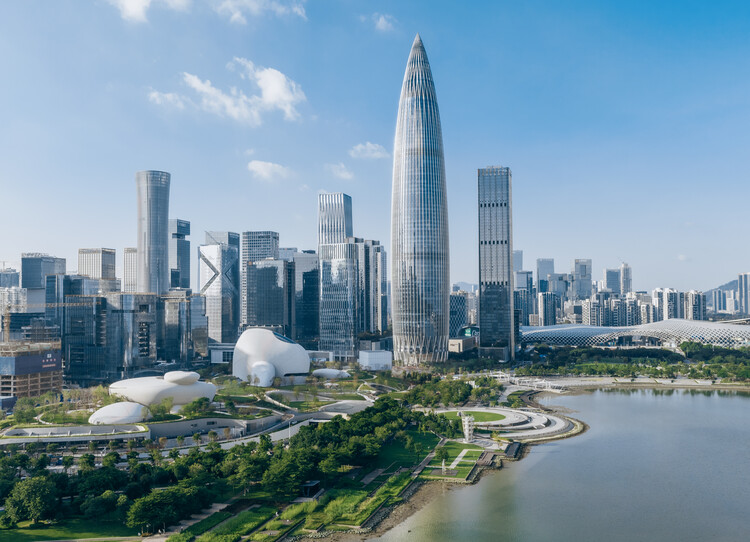
Shenzhen is China's first Special Economic Zone(SEZ), serving as a window for China's Reform and Opening-up and an emerging immigrant city. It has evolved into an influential, modern, and international metropolis, creating the world-renowned "Shenzhen Speed" and earning the reputation of the "City of Design." Architectural design stands as the most intuitive expression of Shenzhen's spirit of integration and innovation. Over the past decade (2015-2025), the development of urban architecture in Shenzhen has closely integrated with its open and inclusive urban character, ecological advantages of being nestled between mountains and the sea, and the local spirit of blending traditional culture with innovative technology, showcasing Shenzhen's unique charm and robust vitality across multiple dimensions.

From Rapidity to Specificity: Multiple Dimensions of Shenzhen's Architectural Development  - More Images+ 51

Make Space for Girls Launches Strategy for Gender-Inclusive Public Spaces

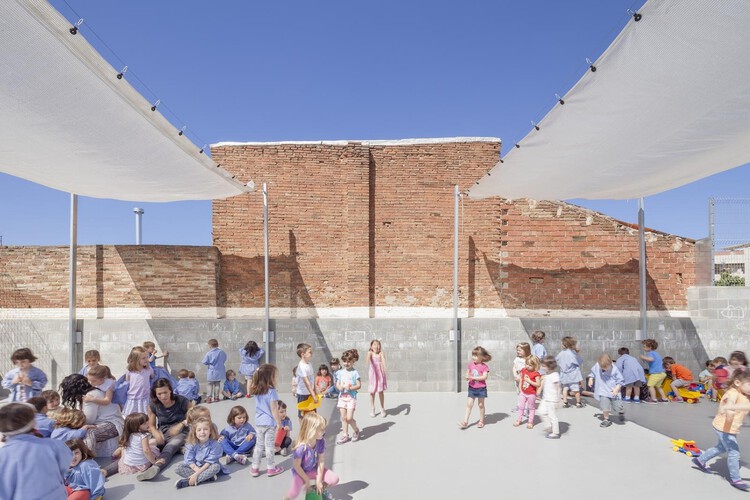
Make Space for Girls (MSFG) is a London-based charity that campaigns for public spaces and parks in the United Kingdom to be more inclusive of teenage girls. The organization conducts research on how public spaces are used and designed, raises awareness about perceived inequalities in their use, and collaborates with public and private institutions to promote the representation of teenage girls in the planning and design of outdoor environments. Their research indicates that their exclusion from the design of parks and public spaces often leaves them without places where they feel welcomed or valued, and that parks and public spaces for older children and teenagers are currently designed for the default male. From 8 to 15 October, the organization is running a fundraising campaign to support the implementation of its new three-year strategy aimed at promoting more inclusive public spaces.

Make Space for Girls Launches Strategy for Gender-Inclusive Public Spaces - More Images

Designing Inclusive Cities: The Role of Universal Design in Creating Accessible Urban Atmospheres

Contemporary cities are vibrant, complex, and constantly evolving. Above all, they are ever-changing, mutable, and diverse. What transformative changes are occurring, and where are they leading us? Urbanization continues to gain momentum in many regions of the world, generating visible and structural transformations. As this unfolds, data on the evolution of its configuration and the challenges we encounter begin to emerge. According to the World Bank, the urban population will continue to trend upward, with 90% of new urban residents concentrated in Africa and Asia. This growth raises essential questions: How can we consolidate a design approach that ensures equitable access to spaces, resources, and services? How can we make emerging and consolidated metropolises more inclusive and accessible?

Terekhovo Metro Station / Buromoscow

Terekhovo Metro Station / Buromoscow - Interior Photography,           Metro Station, Facade
© Vlad Feoktistov

Terekhovo Metro Station / Buromoscow - More Images+ 14

  • Architects: Buromoscow
  • Year Completion year of this architecture project Year:  2021

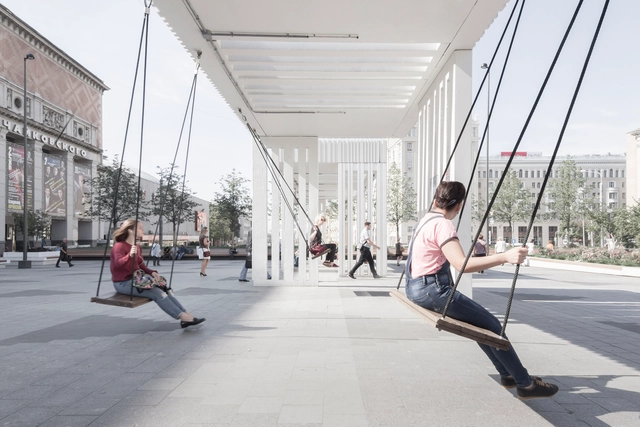
Triumfalnaya Square / Buromoscow

Triumfalnaya Square / Buromoscow - More Images+ 16

Moscow, Russia
  • Architects: Buromoscow
  • Area Area of this architecture project Area:  13740
  • Year Completion year of this architecture project Year:  2015
  • Manufacturers Brands with products used in this architecture project
    Manufacturers:  iGuzzini, Magino, PSF KROST, Viabizzuno
  • Professionals: Baltstroy, QPRO

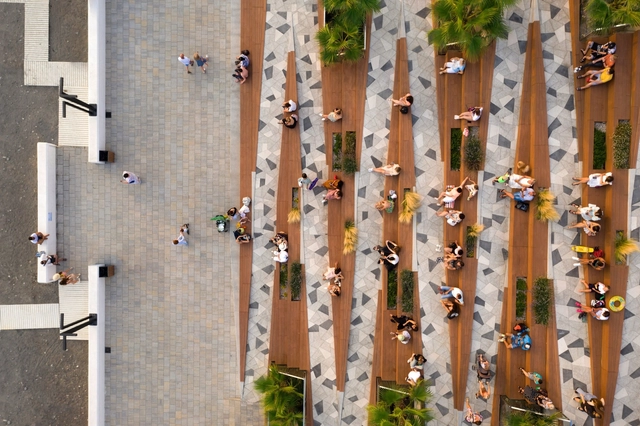
The Riviera Park / Architecture Bureau ab2.0

The Riviera Park / Architecture Bureau ab2.0 - More Images+ 15

Sochi, Russia
  • Area Area of this architecture project Area:  9942
  • Year Completion year of this architecture project Year:  2021
  • Manufacturers Brands with products used in this architecture project
    Manufacturers:  Lumion, SketchUp, Archicad, Gigalight, Выбор, +1

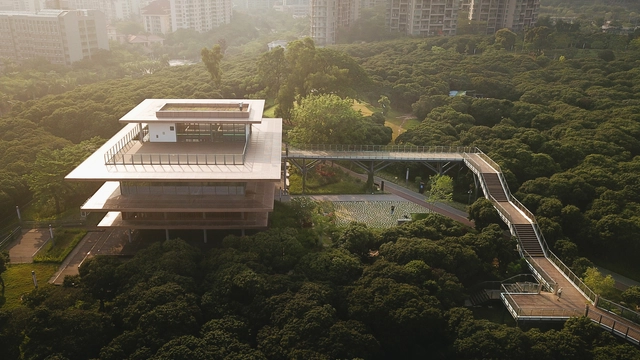
Xiangmi Park Science Library / MLA+

Xiangmi Park Science Library / MLA+ - More Images+ 28

Shenzhen Shi, China
  • Architects: MLA+
  • Area Area of this architecture project Area:  1500
  • Year Completion year of this architecture project Year:  2017
  • Manufacturers Brands with products used in this architecture project
    Manufacturers:  LG Electronics
  • Professionals: ZEN landscape architects

Kindergarten Vashavskoye Hwy 141 / Buromoscow

Kindergarten Vashavskoye Hwy 141 / Buromoscow - More Images+ 8