Suleiman Merchant

BROWSE ALL FROM THIS PHOTOGRAPHER HERE

What Lies Beneath: 10 Projects Reshaping the Ground Level

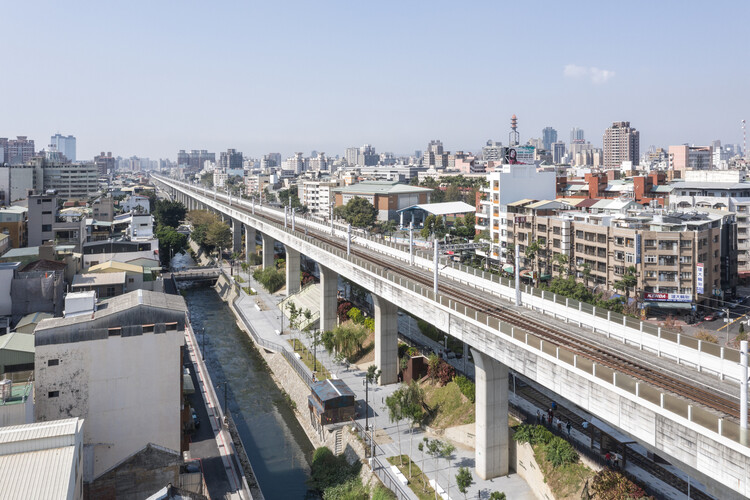
Architecture has long been drawn to the idea of lightness. From early modernist experiments that sought to preserve landscapes, elevating buildings has been understood as a way to preserve the ground while maintaining continuity across the terrain. Volumes are lifted on columns, infrastructures detach circulation from the surface, and entire programs are suspended above the ground.

This was formalised in the early twentieth century through Le Corbusier's concept of the pilotis, which proposed the liberation of the ground floor from enclosure. By raising buildings on columns, architects sought to maintain continuity with the terrain, allowing movement, vegetation, and collective use to unfold beneath constructed volumes. The building would occupy the air, while the ground would remain open, accessible, and shared.

What Lies Beneath: 10 Projects Reshaping the Ground Level - More Images+ 19

Mobility Justice: Urban Equity in an Era of Innovation

Subscriber Access | 

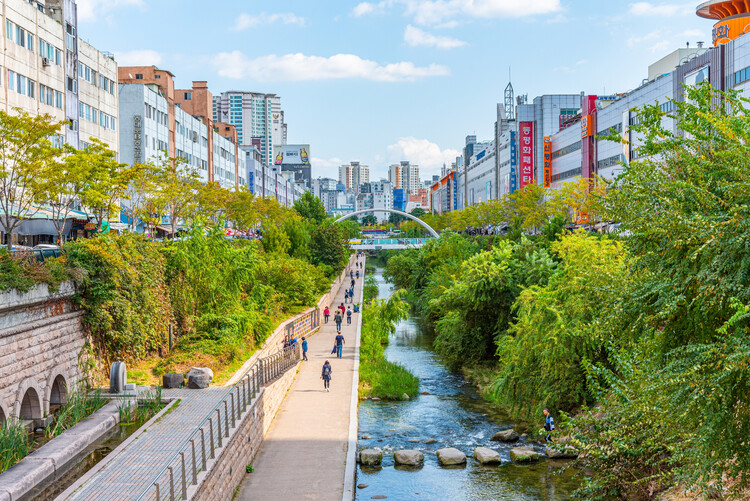
Every city contains two transportation systems. One is the visible network of roads, rail lines, sidewalks, and bus routes mapped in planning documents. The other is the invisible geography of privilege and exclusion embedded within it: the neighborhoods that received highways instead of parks, the communities whose bus routes were cut, the sidewalks that abruptly end at the edge of a district. For many years, built-environment professionals have treated infrastructure as a technical challenge. Mobility justice insists it is, fundamentally, a political one.

Mobility Justice: Urban Equity in an Era of Innovation - More Images+ 25

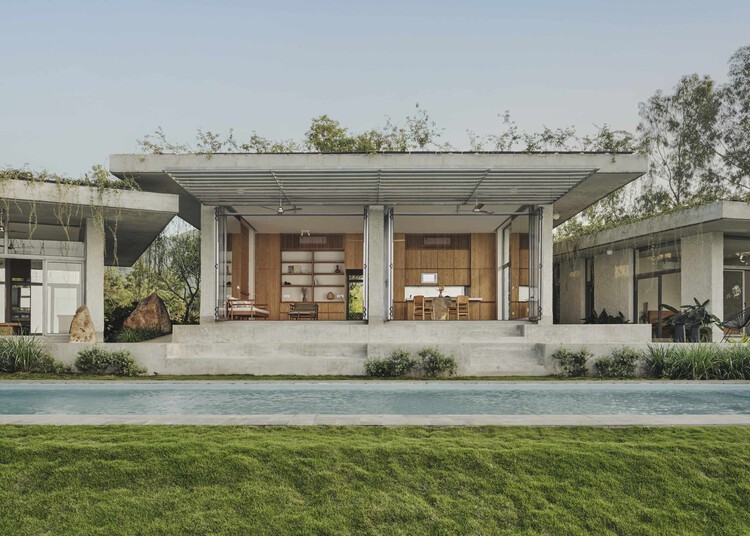
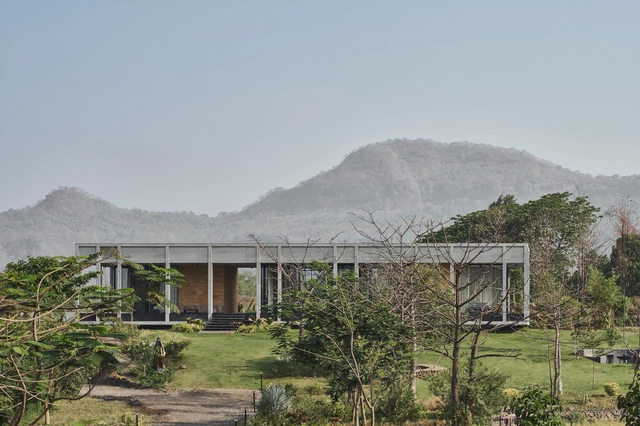
Lake House / Mazumdar Bravo

Lake House / Mazumdar Bravo - More Images+ 15

Pawnanagar, India
  • Architects: Mazumdar Bravo
  • Area Area of this architecture project Area:  7500 ft²
  • Year Completion year of this architecture project Year:  2024

World Architecture Day 2024: Mobilizing the Next Generation for Urban Transformation

On the first Monday of October, World Architecture Day offers an opportunity to reflect on the role that architecture plays in shaping our world and our communities. Established by the International Union of Architects (UIA) in 1986, this day was designated as a basis for the ongoing discussions on innovations in architectural practice, new approaches to the ever-changing role of architects and designers, and the varied responses to emerging concerns.

As in previous editions, UIA sets a central yearly theme to guide these conversations. This year, the theme of World Architecture Day 2024, "Empowering the Next Generation to Participate in Urban Design," opens up multiple interpretations, contemplating the impact of urban design on the next generation, as well as highlighting the impact and contributions of young architects in shaping the cities of tomorrow. This year's event aims to address crucial challenges faced by the urban environments and their impact on the next generations. The focus is on creating cities that are not only greener and more environmentally friendly but also inclusive, catering to the diverse needs of various groups in society.

World Architecture Day 2024: Mobilizing the Next Generation for Urban Transformation - More Images+ 14

Designing the Built Environment for Generation Alpha

Baby Boomers, Gen X, Millennials, and Gen Z have long dominated the conversation around how different generations influence architecture and the built environment. From views around city planning and zoning efforts to the great debate about whether workplaces should be completely open or office-intensive, each generation has had its strong opinions about how spaces we inhabit are designed- largely shaped by the socio-economic, political, and technological influences that have shaped our lives in different ways. Looking ahead, what can we expect next? Enter Generation Alpha, the first generation born entirely within the 21st century.

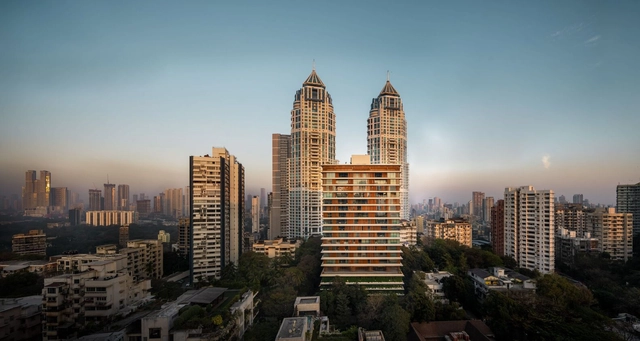
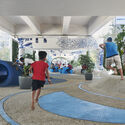
One Green Mile / MVRDV

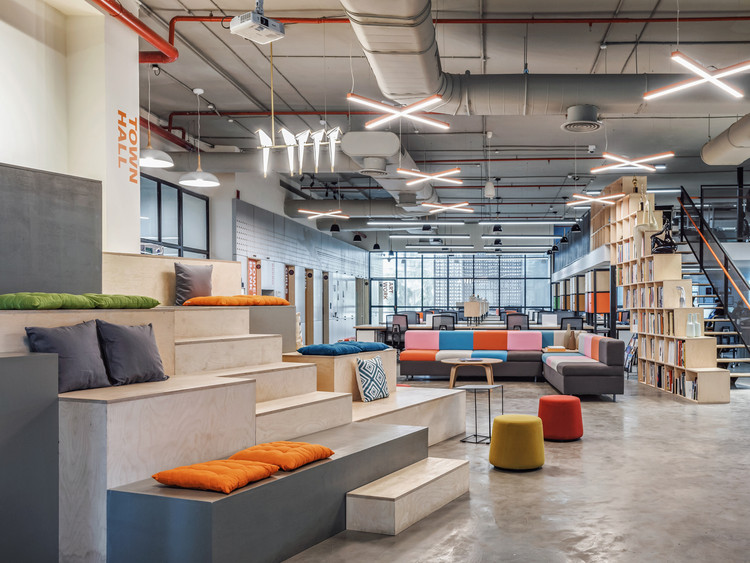
 One Green Mile  / MVRDV - Interior Photography, Public Space, Facade
© Suleiman Merchant

 One Green Mile  / MVRDV - More Images+ 16

Mirador Residence / SHROFFLEóN

Mirador Residence / SHROFFLEóN - More Images+ 20

Karjat, India
  • Architects: SHROFFLEóN
  • Area Area of this architecture project Area:  3450
  • Year Completion year of this architecture project Year:  2020
  • Manufacturers Brands with products used in this architecture project
    Manufacturers:  FLOS, HATSU, Jalaram Timbers, Rawsteen, White Teak

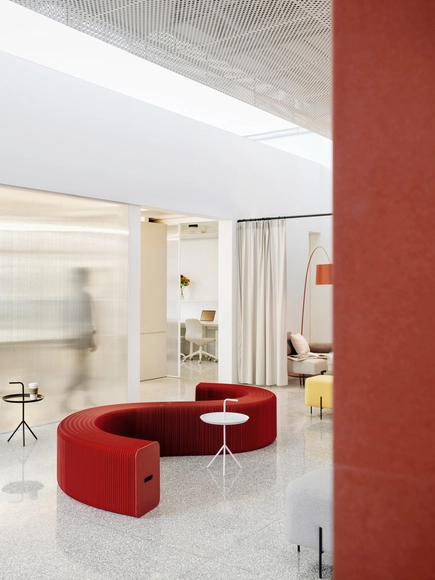
Polycarbonate for Interiors: 8 Examples of Translucent Architecture Indoors

Polycarbonate for Interiors: 8 Examples of Translucent Architecture Indoors - More Images+ 30

Diversifying the materials of an interior space can greatly improve its depth and visual interest. At the same time, adding partitions or other delineations of internal space can help organize flow, circulation, and visibility. Polycarbonate, a type of lightweight, durable thermoplastic, is an excellent medium for both functions.

In its raw form, polycarbonate is completely transparent, transmitting light with nearly the same efficacy as glass. However, it is also lighter and stronger than glass and tougher than other similar plastics such as acrylic, polystyrene, ABS, or nylon, making it a good choice for designers seeking durable, impact and fire resistant materials that still transmit light. Like glass, it is a natural UV filter and can be colored or tinted for translucency, yet it is also prized for its flexibility, allowing it to be shaped into any size or shape. Finally, it is easily recyclable because it liquefies rather than burning, making it at least more environmentally friendly than other thermoset plastics. For example, recycled polycarbonate can be chemically reacted with phenol in a recycling plant to produce monomers that can be turned back into plastic.

Factors that Transform a Workplace into a Happy Place

It is truly odd how we always find ourselves in a bad mood at work and our productivity keeps decreasing as the week passes by. To be fair, we can’t keep blaming our colleagues, clients, or Monday for our rough day; sometimes it’s the chair we are sitting on, the fluorescent lighting above our computer, or the constant “chugging” sound of the printer near the desk.

Other than the fact that people spend about 70-80% of their time indoors, almost 9 hours of their day are being spent at work; and studies have indicated that the environmental quality of an office has short and long term effects on the comfort, health, and productivity of the people occupying it. While research on the comfort conditions of workplaces is still relatively minimal, we have put together a list of factors that have proved to be highly influential on the comfort of individuals in workplaces.

Factors that Transform a Workplace into a Happy Place  - More Images+ 4

AICL Mumbai Workplace Interiors / SAV Architecture + Design

AICL Mumbai Workplace Interiors / SAV Architecture + Design - More Images+ 24

Publicis India Office Mumbai / Shiraz Jamali Architects

Publicis India Office Mumbai / Shiraz Jamali Architects - More Images+ 20

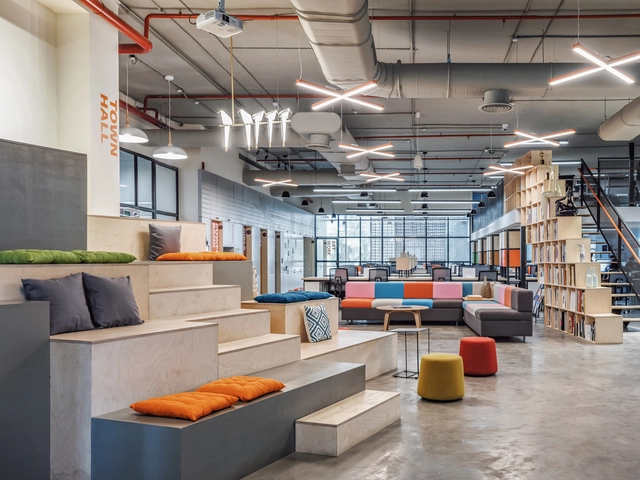
Bellad & Co. Head Office / SJK Architects

Bellad & Co. Head Office / SJK Architects - Offices Interiors, Beam, Table, Chair
© Suleiman Merchant

Bellad & Co. Head Office / SJK Architects - More Images+ 13