shiromio studio

BROWSE ALL FROM THIS PHOTOGRAPHER HERE
↓

How Will Transportation Work in the Future? A Look at the Rise of Electric Mobility in Cities

Subscriber Access | 
Audio available

From greenhouse gas emissions and air pollution to deforestation, one of the leading contributors to global warming today is emissions from the transportation sector. Exploring its origins and evolution, as well as the major challenges it faces, the development of electric mobility in urban environments represents a global transition that requires a coordinated mix of policies and actions to achieve cleaner and more sustainable transportation systems. Designing safe and comfortable infrastructure for walking and cycling, promoting public transit and shared mobility, and designing more efficient streets that include electric vehicles, among other actions, are part of a growing worldwide effort to reduce carbon emissions.

How Will Transportation Work in the Future? A Look at the Rise of Electric Mobility in Cities - More Images+ 11

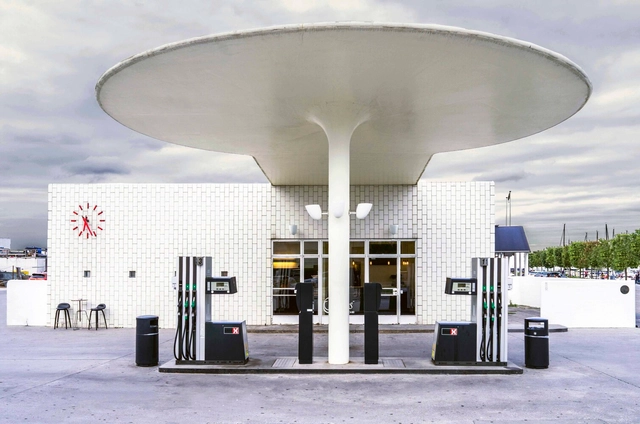
The Evolution of Gas Stations: From Roadside Stops to Architectural Landmarks

The gas station is an architectural typology that has undergone significant transformations since its inception. Initially, these structures were simple roadside refueling points designed for functionality rather than aesthetics. As automobile culture expanded, gas stations evolved to accommodate new technologies, shifting urban landscapes and changing consumer behaviors. Over time, they became more than just utilitarian stops — they developed into service hubs, integrating restaurants, motels, and leisure spaces, responding to contemporary transportation increasing demands.

By the late 20th century, however, the widespread standardization of gas stations led them to be perceived as "non-places", a concept defined by anthropologist Marc Augé to describe transient spaces that lack social or cultural significance. With uniform designs and a focus on efficiency, gas stations became interchangeable, reinforcing their role as purely functional infrastructure rather than meaningful architectural interventions. This standardization also departed from the era when fuel stations served as recognizable landmarks, contributing to a homogenized landscape devoid of local identity.

The Evolution of Gas Stations: From Roadside Stops to Architectural Landmarks - More Images+ 41

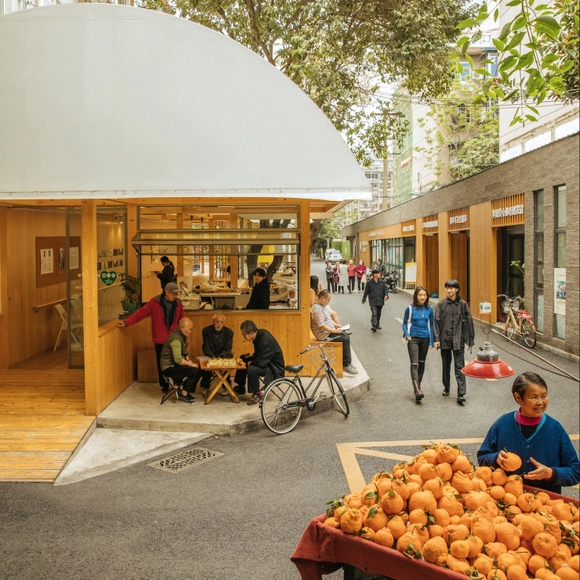
What Kind of City is a People-Oriented City? Ranking Chinese Cities

What kind of city is a people-oriented city? This is a difficult question to answer because humanistic cities evaluate the city by "people”, and people are extremely diverse, producing individual different evaluation standards. For example, a city that is friendly to car drivers, may not be so friendly to pedestrians.

Nonetheless, there is a general perception that some cities seem to be more friendly to people than others. Why is this the situation?

What Kind of City is a People-Oriented City? Ranking Chinese Cities  - More Images+ 10

Viewshine Headquarters / line+ studio

Viewshine Headquarters / line+ studio - More Images+ 36

  • Architects: line+ studio
  • Area Area of this architecture project Area:  31914 m²
  • Year Completion year of this architecture project Year:  2021

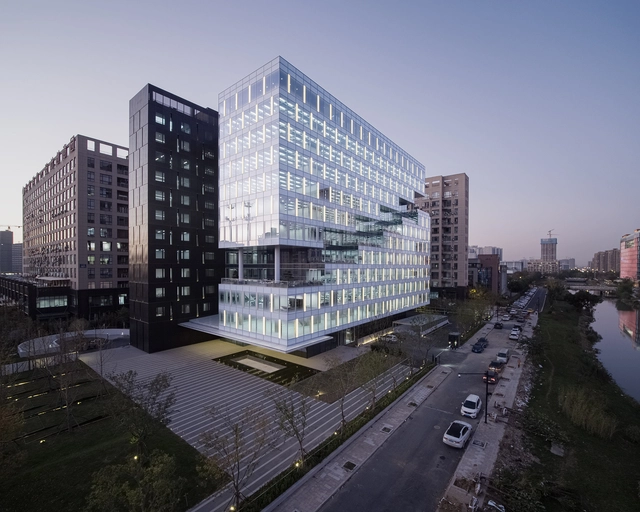
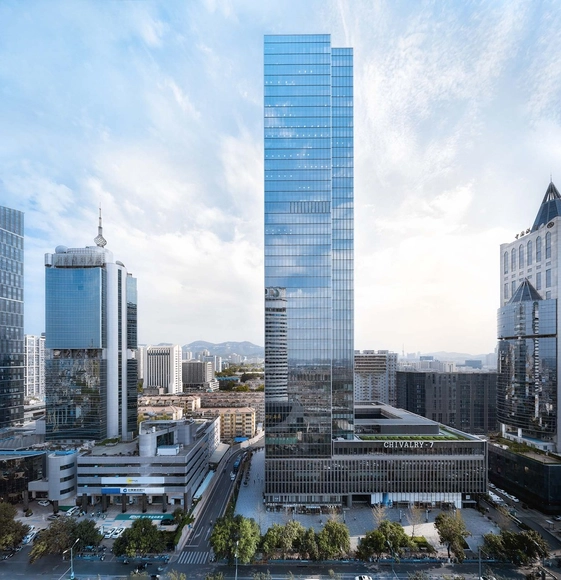
Glory Office Park / gad

Glory Office Park / gad - Exterior Photography, Office Buildings, Facade
© shiromio studio

Glory Office Park / gad - More Images+ 18

  • Architects: gad
  • Area Area of this architecture project Area:  57499 m²
  • Year Completion year of this architecture project Year:  2020

The State of Architecture: ArchDaily 2021 Trend Forecasting & Analytics

Subscriber Access | 

With the major happenings of the past year, our built environment and people’s needs within it seemed to change. Different ways of Architectural thinking and design solutions were put forth, showing how global events are capable of pushing the limits of the profession, increasing our responsibility, and also our opportunities to contribute to a better quality of life in every possible way. At ArchDaily, we have continued to connect with architects and designers from all over the globe and have shared diverse works, all displaying relevant implementations and architectural solutions that have an impact on our community. 

In response to the published works, we have experienced different reader behaviors that indicate how architectural production can actually have an impact on designers and non-designers all over the world. This led us to create ArchDaily’s Annual Architecture Report which analyzes the most popular trends and topics in the architecture world over the past year, in an effort to understand, discuss and forecast the trends for 2021.

Best Architectural Projects of 2020

Best Architectural Projects of 2020 - More Images+ 97

On behalf of the entire ArchDaily team, we would like to thank you for your continued support and for making 2020 our best year so far! We are now reaching more architects around the world and inspiring them in the creation of better built environments. With more than 5500 different projects published during the year, our curators are excited to share this collection of the 100 most visited projects of 2020. This selection represents the best content created and shared by the ArchDaily community over the past 11 months.

Xi'an Qujiang Art Center / gad

Xi'an Qujiang Art Center / gad - Exterior Photography, Showroom
© Shiromio Studio

Xi'an Qujiang Art Center / gad - More Images+ 18

•
Xi'an, China
  • Architects: gad
  • Area Area of this architecture project Area:  10200 m²
  • Year Completion year of this architecture project Year:  2019
  • Professionals: CCD, T.R.O.P

Jinan Greentown Financial Center / gad

Jinan Greentown Financial Center / gad - More Images+ 17

Chongqing Nankai LiangJiang Secondary School / gad

Chongqing Nankai LiangJiang Secondary School / gad - More Images+ 25

•
Chongqing, China

MUH SHOOU XIXI / GOA

MUH SHOOU XIXI / GOA - More Images+ 20

•
Hangzhou, China