-
Architects: Scenic Architecture Office
- Area: 1868 m²
- Year: 2023





There has been increasing awareness in recent years of the importance of infrastructure for pedestrians. These additions to the urban environment improve the quality of cities by connecting spaces and shortening travel distances, and their introduction can be beneficial not only to pedestrians but also to cyclists seeking a more environmentally friendly method of transport.
In order to encourage the use of pedestrian infrastructure, here we present footbridges designed by architecture offices and structural engineers, alongside their construction details, to showcase innovative solutions in terms of materials, forms, and structures.


.jpg?1575458613)


_(1).jpg?1521456027)
After countless late nights designing in studio, facing the critics, laying out (and re-laying out) your portfolio, finally convincing someone to hire you, and working 50+ hour weeks... you’re still not an architect. Welcome to the examination portion of your professional journey, folks.
Beginning a multi-division examination with pass rates in the 50-60% range is a seriously daunting task. That’s without even mentioning the overwhelming amount of study materials and opinions floating around in cyberspace. Never fear, ArchDaily is here to help you navigate the tools and techniques available to you when cracking open the books and (hopefully) passing your first exam.


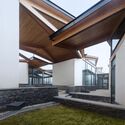
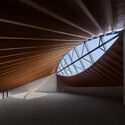

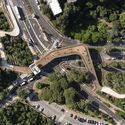
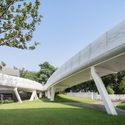


.jpg?1638186603 "aerial view. Image © Shan Liang")


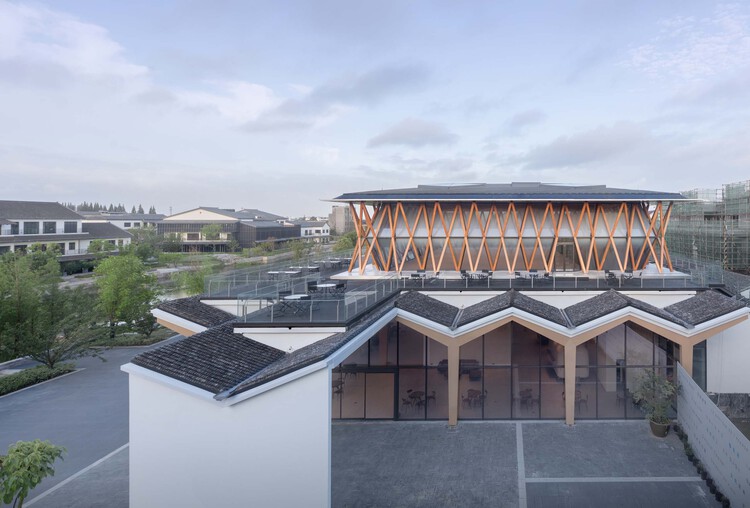
.jpg?1599051571 "aerial view. Image © Shan Liang")
.jpg?1599051467 "facade of commercial courtyard. Image © Shan Liang")
.jpg?1599051435 "commercial courtyard. Image © Shan Liang")


.jpg?1575458737 "bridge-courtyard aerial view. Image © Shan Liang")


.jpg?1575458613)