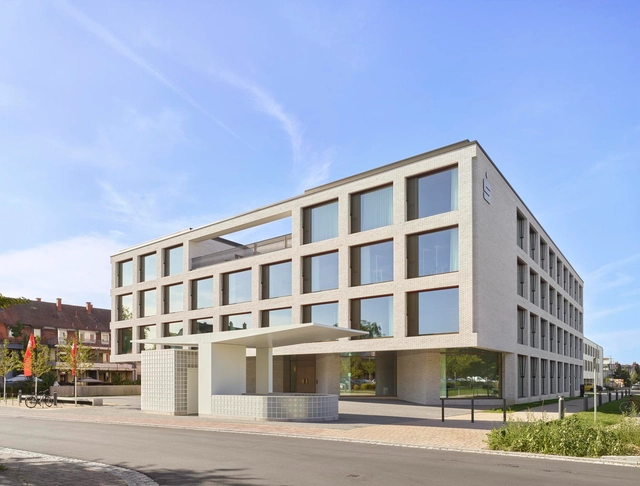
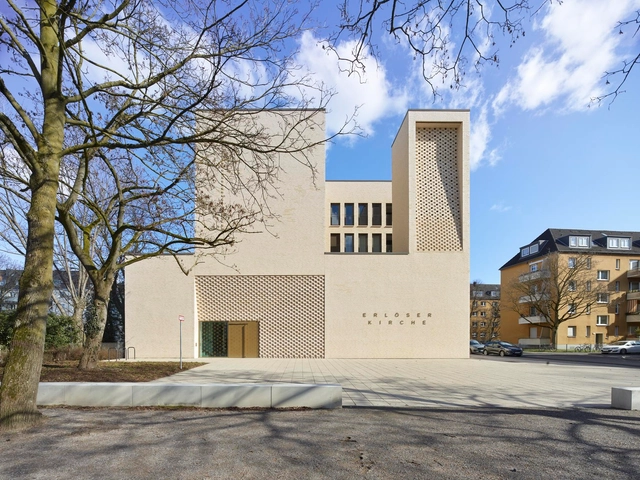
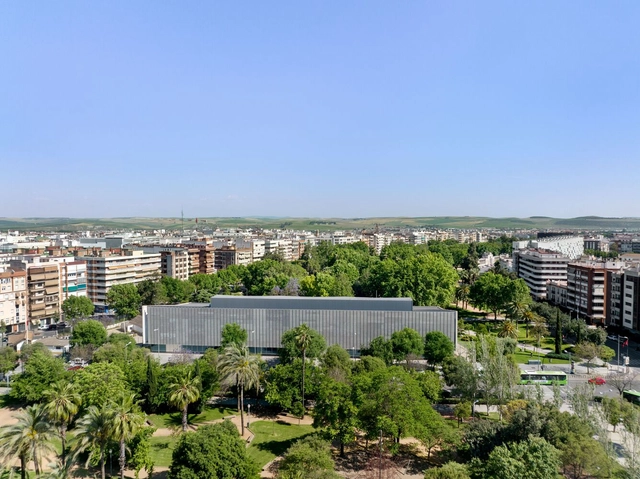
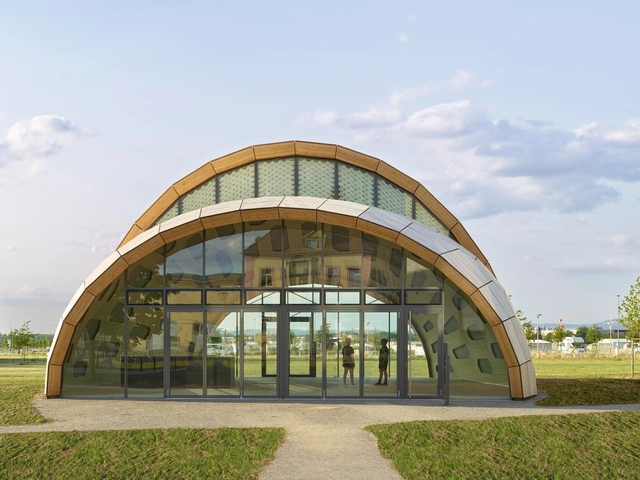
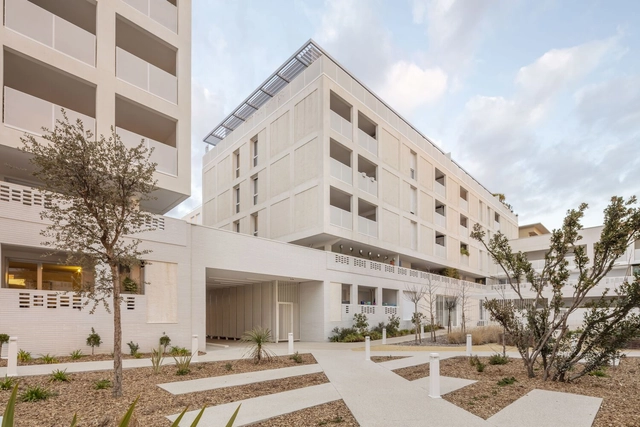
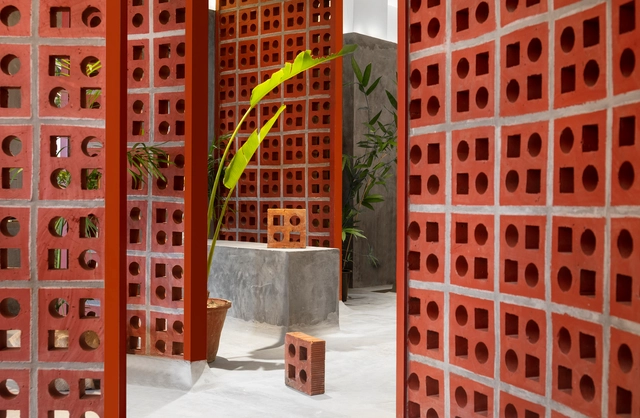
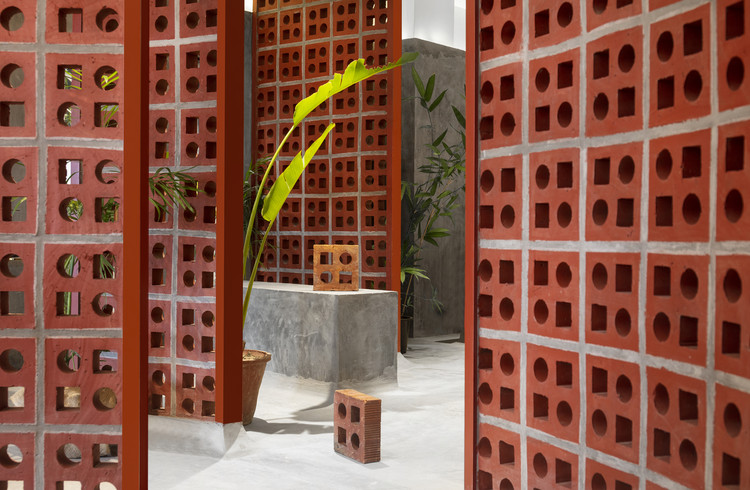
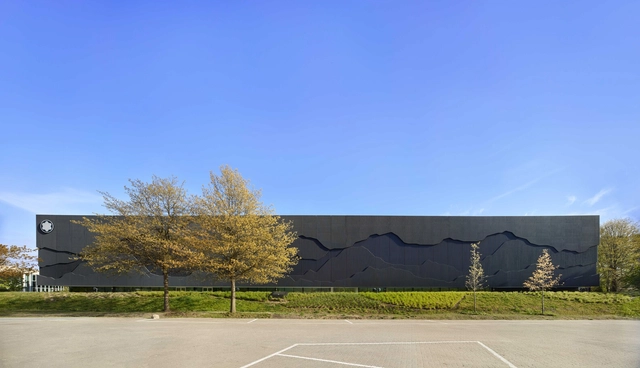
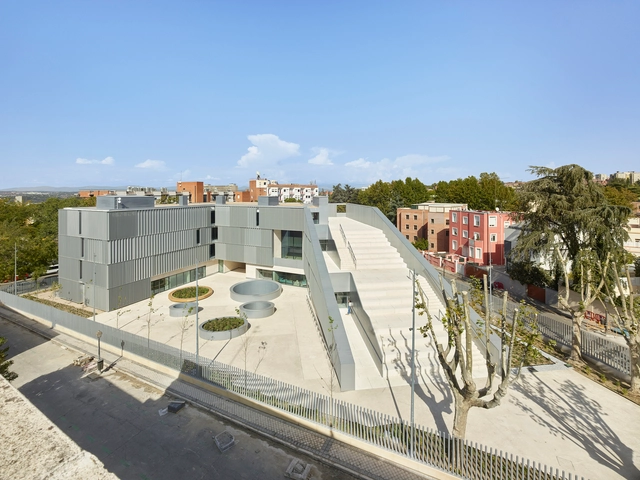
There is often an intricate relationship between architecture and the environment. Each part of the world has defined its own architectural techniques based on its unique climatic conditions. However, environmental concerns in the 21st century provoked new techniques, implementing solutions to preserve natural resources and provide thermal comfort. While some opted for a futuristic approach with mechanical and technologically-advanced solutions, others decided to go back in time and explore how civilizations protected their people, architecture, and environment when they had nothing else to resort to but the environment itself. In this article, we look at how Musharrabiyas found their way back into modern-day architecture as significant vernacular features.
Roland Halbecame into photographyentirely by accident, discovering it at the age of 15 in a class on optics. His physics teacher presented camera obscura effects, which immediately triggered his fascination. He then started borrowing his father’s old camera quite regularly. While still in high school, Roland worked part-time at a camera shop, eagerly discovering everything there is to know about photography. Those were the circumstances that kindled Halbe’s lifelong romance, first with black and white, and, eventually, color photography with a focus on the built environment.
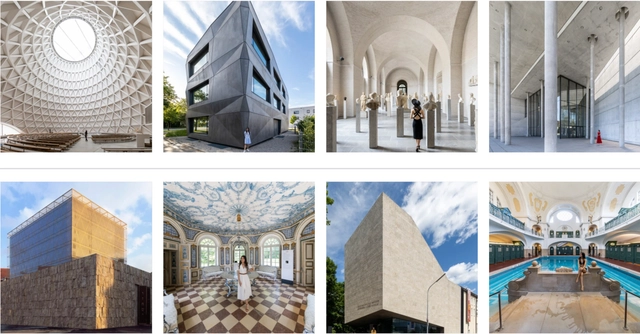
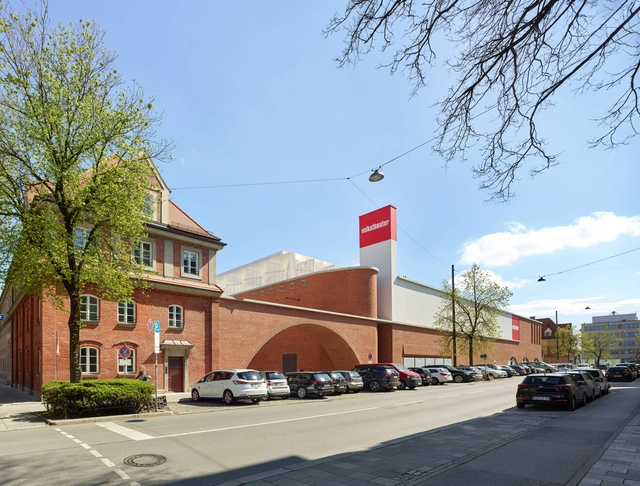
Munich – Bavaria’s capital since 1506 – is a city with layers and layers of history. Its many years as a rising architectural epicenter have left an interesting and unique mix of buildings. From Middle Age churches and cathedrals to contemporary synagogues. From skyscrapers to small pavilions. Brutalism to Art Nouveau. Munich’s architecture is truly extensive and marvelous.
Though not acknowledging Munich’s beer wonders would be wrong, the only mention of this substance would be in the stunning buildings (like the new Paulaner HQ by Hierl Architekten) that contain them. Yes, other aspects of the city are grandiose, but let’s focus on Munich’s top attraction: its architecture.