

-
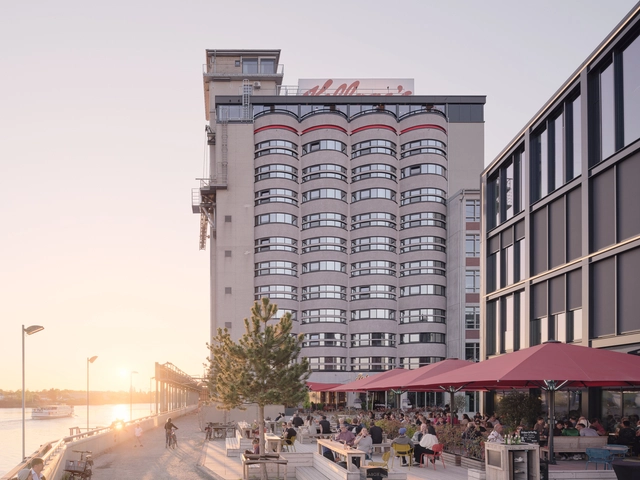
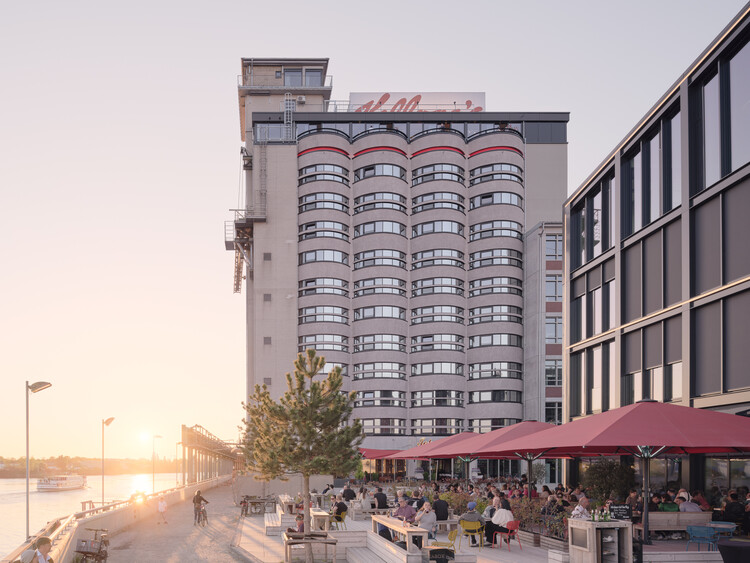
Architects: Delugan Meissl Associated Architects
- Area: 37336 m²
- Year: 2024
-
Manufacturers: Kalzip
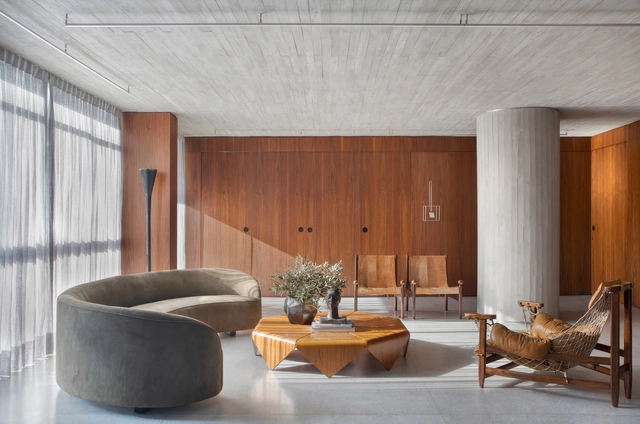
The pillar has adorned many of the greatest monumental examples of Western architecture since antiquity, from the Doric columns of the Parthenon to the Corinthian capitals of the Pantheon portico. In the West, the legacies of these classical forms have permutated over the centuries and into modern times: the Doric columns of the Lincoln Memorial, the Ionic columns of the British museum portico, and the Villa Savoye’s pilotis are just a few examples of the classical column’s continued transformation and use over the last few centuries. Today, the round pillar continues to be used in modern design, both functionally and aesthetically. Below, we look into these elements in more detail, including their materials, construction, structural qualities, and several contemporary examples of their use.
Architecture has long been a profession in aesthetic apartheid. The profession’s favored aesthetic, Modernism, has relegated all other “styles” to marginalized insignificance in laud, teaching and publication. The last generation has seen those following an aesthetic deemed “traditional” create an entirely separate system of schools, awards and publication.
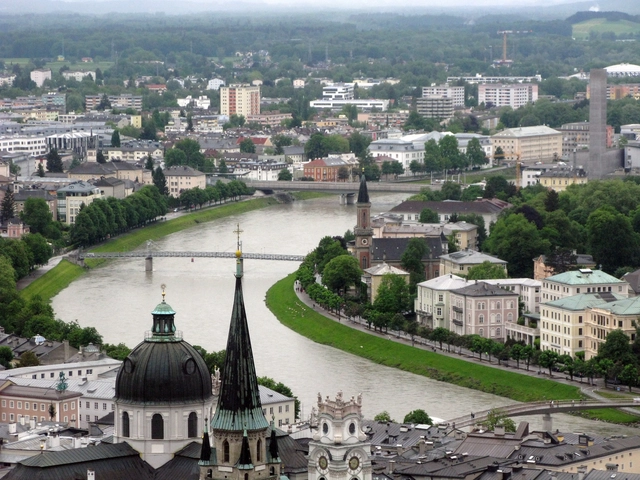
Rivers have long been considered as Earth’s arteries, serving as the essence of urban communities as human settlements developed their shelters and crop beds around them. Centuries later, riverside architecture remained vital as these areas expanded beyond residential typologies, and harnessed dynamic mixed-use developments and public functions. As valuable as they may seem though, these landscapes come with the risk of unexpected floods, increased water levels, or complete droughts, which has forced architects to design built environments that are able to respond to these abrupt changes. So how were these settlements built in the past, and how has today’s urban densification and technological advancements influence the way they are built?
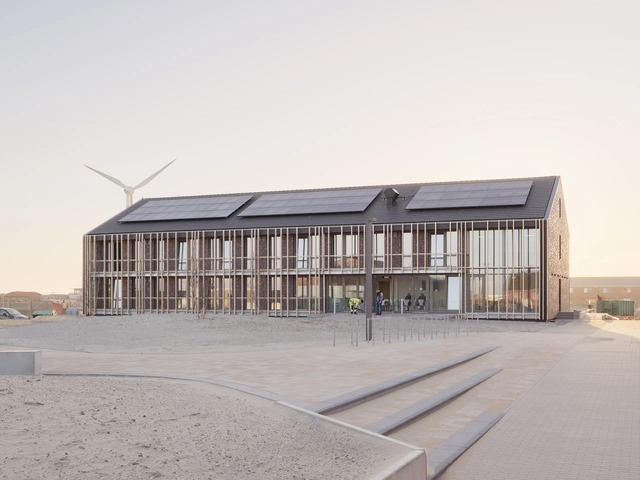
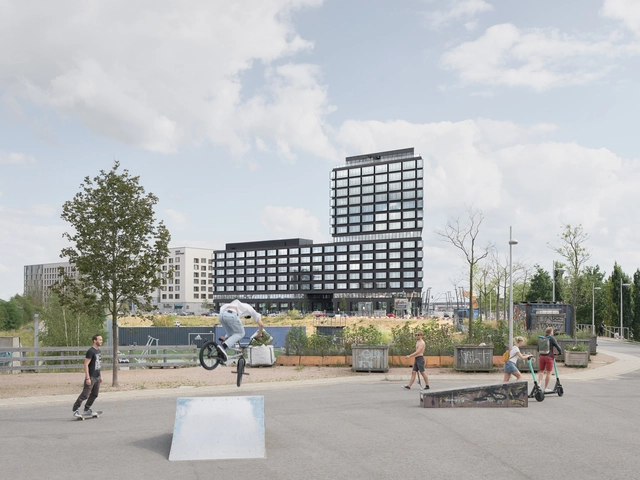
_Daria_Scagliola.jpg?1596665845&format=webp&width=640&height=580)
Public space has always been a top priority in every city’s urban planning agenda and given today’s world context, these urban spaces have emerged as fundamental elements of cities and neighborhoods. Plazas, squares, and parks, undeniable necessities in the urban fabric, have become, today, more vital than ever.
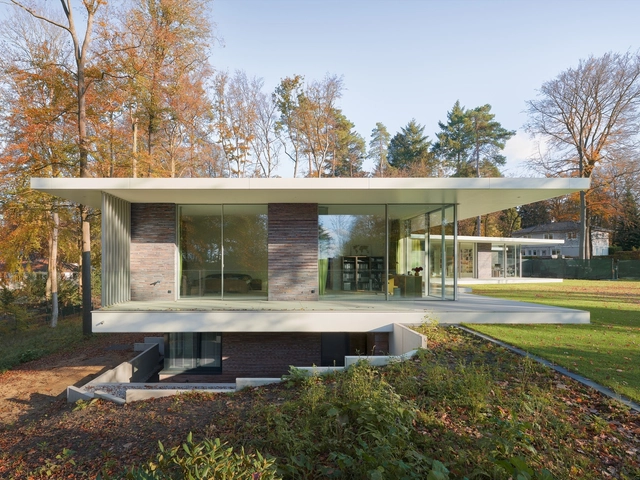
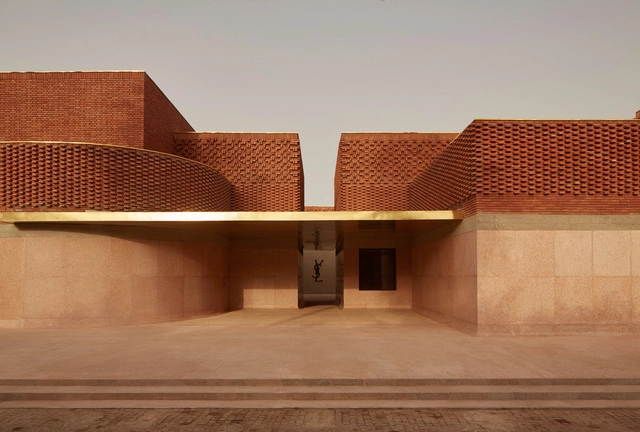
With a mission to provide tools and inspiration to improve the quality of life in our built environment, ArchDaily curators constantly track and share with our audience the best "built projects" in the world. In order to celebrate these achievements and thank our readers for actively participating in our community, we selected the 50 best architectural works published during 2019.
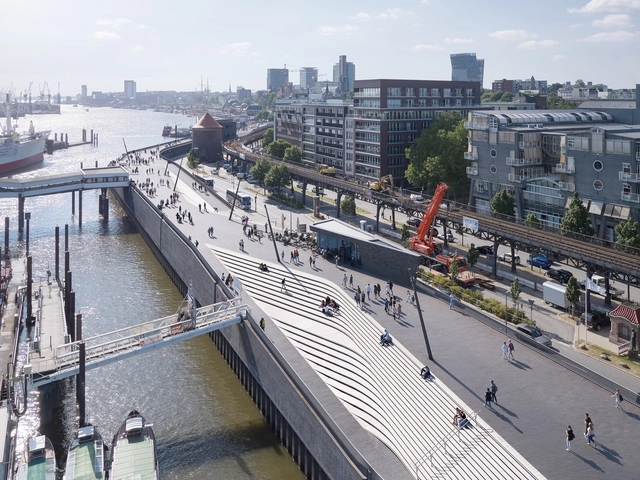


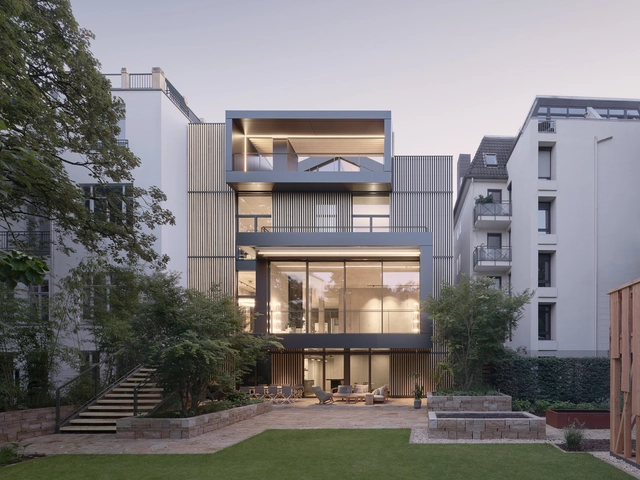


_Del_Rio_Bani.jpg?1596667310&format=webp&width=230&height=230&crop=true)
_Evgeny_Evgrafov_02.jpg?1596665789&format=webp&width=230&height=230&crop=true)
_Norbert_Tukaj.jpg?1596666158&format=webp&width=230&height=230&crop=true)
_Chao_Zhang.jpg?1596666402&format=webp&width=230&height=230&crop=true)
_Daria_Scagliola.jpg?1596665845)


