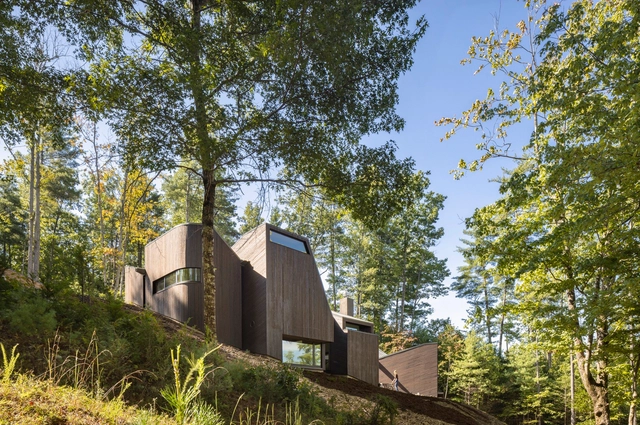
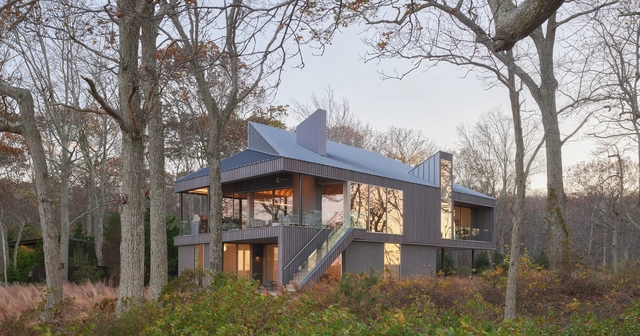
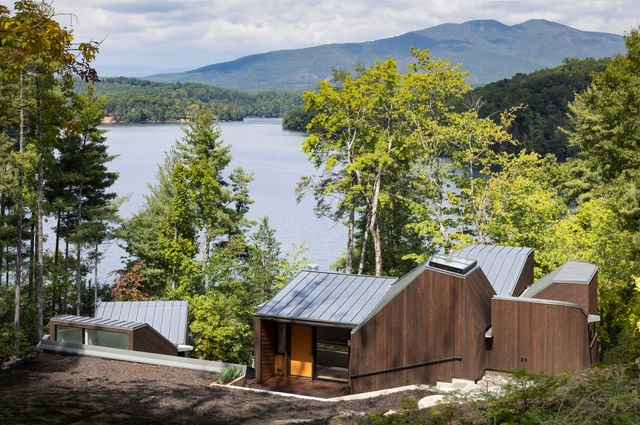
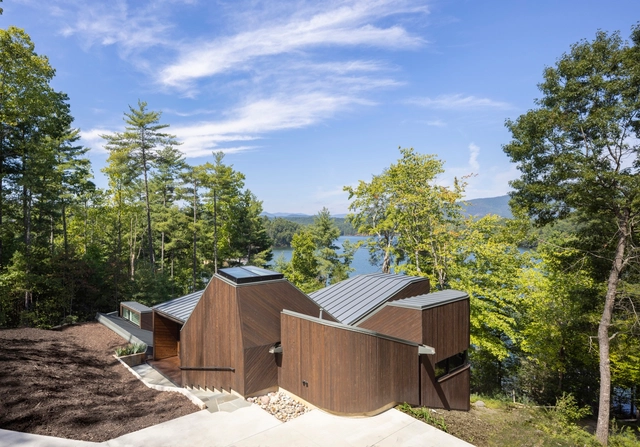
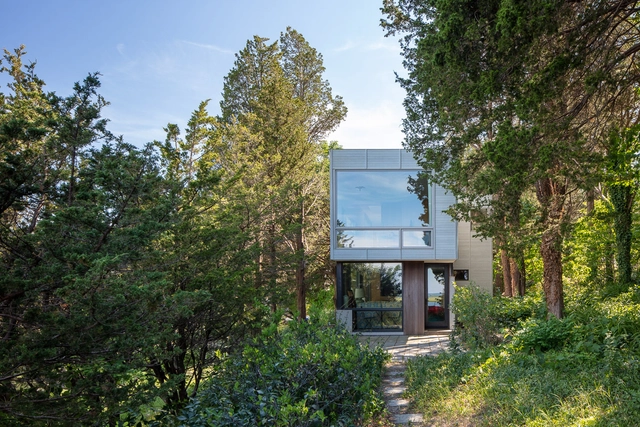
Forests are among the most complex yet vital ecosystems on Earth. They regulate climate, support biodiversity, and sustain human communities. With the growing realities of climate change and environmental degradation, architects, planners, and engineers now face a new imperative: designing within forests in ways that sustain the ecosystems on which they depend.
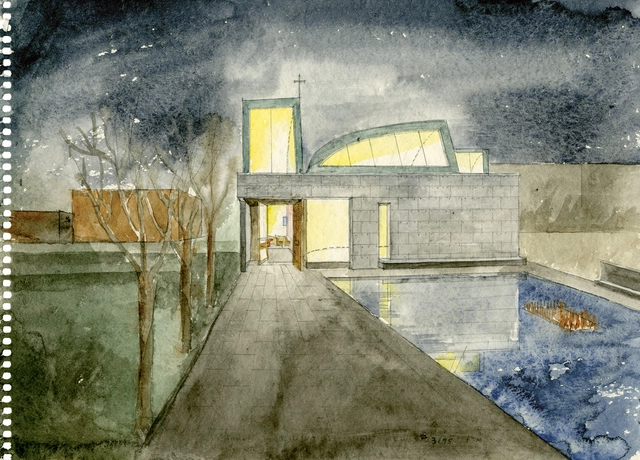
The Museum for Architectural Drawing in Berlin, Germany, will host a new exhibition titled "Steven Holl – Drawing as Thought," curated by Kristin Feireiss. The exhibition explores the creative process of internationally renowned architect Steven Holl with a focus on his use of drawing as a fundamental tool in architectural design. Furthermore, the exhibition highlights Holl's extensive artistic practice, which includes over 50,000 sketches, black-and-white drawings, and watercolors, offering insight into his approach to architecture through visual exploration.
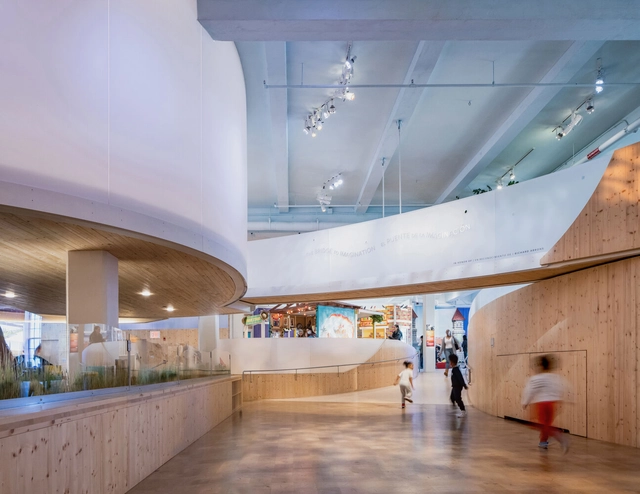
When addressing accessibility in architecture, codes set the baseline, while design defines the ceiling. Although numerous guidelines exist, creating spaces for everyone goes beyond mere adherence to standards. It requires a deep understanding of the environment and a broad perspective, recognizing that what we design will be used by people with diverse bodies, abilities, and conditions far beyond those traditionally considered typical users.
Furthermore, designing environments poses the challenge of inclusivity, ensuring that individuals who do not fit the standard profile—such as people with disabilities, pregnant women, those using assistive devices, and individuals of varying ages, body types, etc—are not excluded. The principles of Universal Design, established in 1997 by the NC State University College of Design and led by Ronald L. Mace, offer a transformative perspective in this context. This approach influences various design fields, including the built environment, products, and communications. When applied to architecture, it fosters the creation of spaces that work for everyone, minimizing the need for adaptations or specialized design.
https://www.archdaily.com/1019661/how-do-the-7-principles-of-universal-design-help-us-create-better-architectureEnrique Tovar
The ArchDaily projects library is managed by our curators who constantly seek to populate our stream with the most interesting global works, showcasing evolving focuses and criteria. While we usually share our reader’s top 100 favorites, this year, we also decided to initiate our editor’s picks on the ArchDaily Instagram account, where our curators highlight some projects that include interesting themes and unique traits.
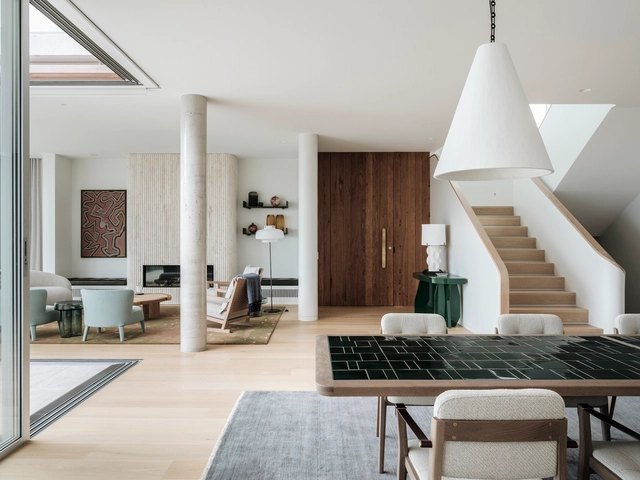
When it comes to forward-thinking interior design, adaptability, and timelessness are two key factors that can guarantee a home will look just as current years from now as it does today. One interior style that makes use of them more than any other is: contemporary. By borrowing elements from several prominent styles and combining them into a harmonic whole, contemporary interiors stay current even as trends move on. But what are the components that remain constant even with this ever-changing fashion? We explore seven evergreen design elements that define contemporary interiors.
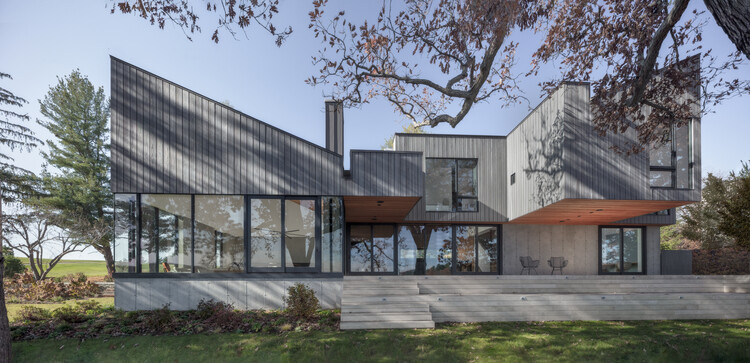
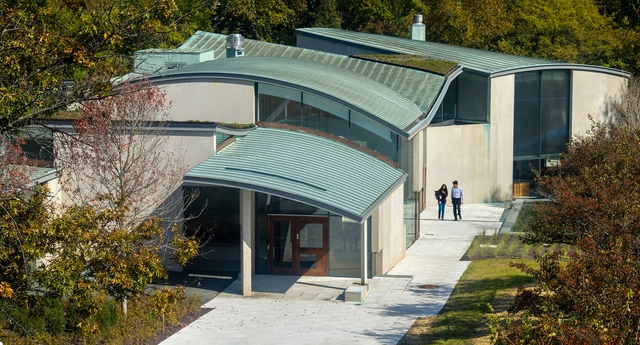
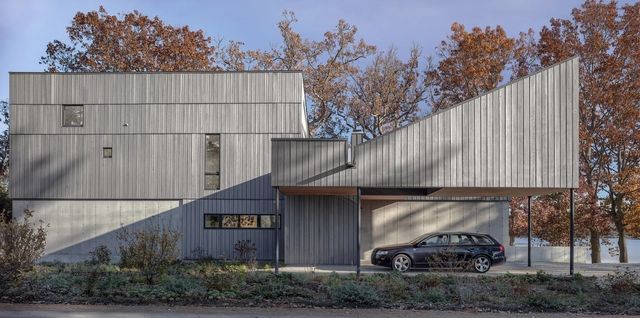
Boston architect Brian Healy moved around for his early career, before settling and building in New England. He had studios in Florida, California, and New York, eventually opening his office in Boston. Healy acquired his bachelor’s degree in architecture at the Pennsylvania State University in 1978 and continued his studies at Yale where he encountered such influential professors as James Stirling, Vincent Scully, John Hejduk, Aldo Rossi, and Cesar Pelli, among others.
Healy graduated with a Master of Architecture in 1981 and then used traveling scholarship money from Yale, the Van Allen Institute, and the American Academy in Rome to travel around the world for a year, exploring ancient ruins in Ireland, Italy, Greece, Sudan, Egypt, India, Nepal, and Thailand. Prior to the trip, he had worked at the offices of Charles Moore and Cesar Pelli. Upon his return, he designed and built homes in Florida before working for Richard Meier in New York. In 1985, he started Brian Healy Architects. Parallel to that he taught at over twenty universities across North America, including Yale, Harvard, MIT, and the University of Pennsylvania. Healy was the 2004 president of the Boston Society of Architects and, from 2011-2014 he served as Design Director at Perkins + Will.