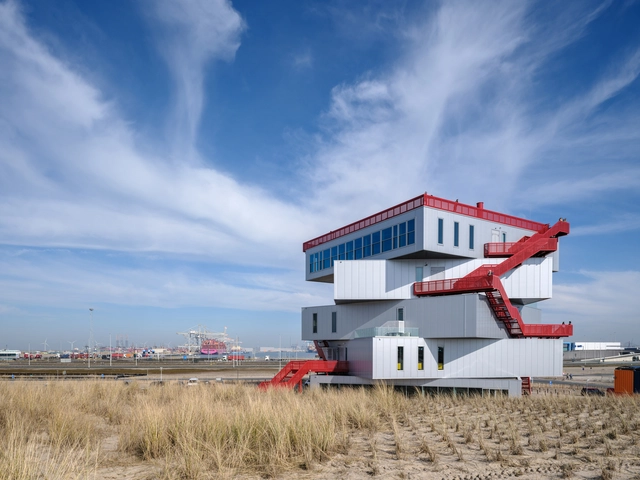
Portlantis Visitor and Exhibition Center / MVRDV


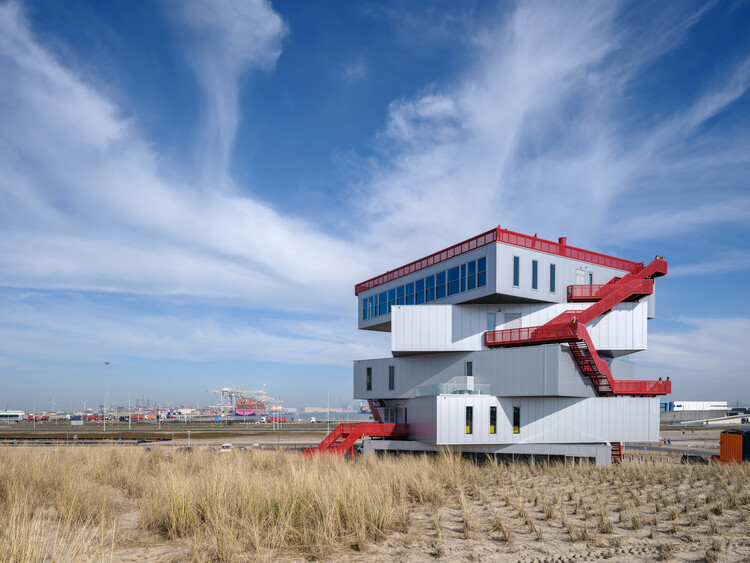
https://www.archdaily.com/1028179/portlantis-visitor-and-exhibition-center-mvrdvPilar Caballero
The Price of Growth: Urban Sprawl and Sustainability in South Asian Cities
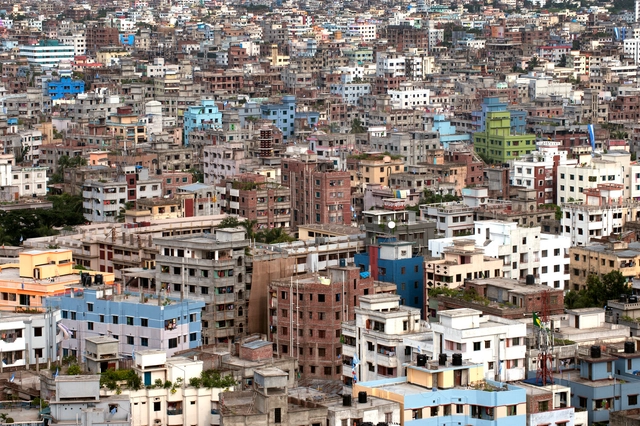
With millions of residents flocking to metropolitans each year, South Asia is witnessing staggering levels of urban development. Growth brings economic prosperity and ecological strain as concrete jungles replace natural habitats. The region, home to countries such as India, Pakistan, Bangladesh, Sri Lanka, Bhutan, the Maldives, and Nepal, is faced with addressing contextual challenges when it comes to balancing urbanization with environmental sustainability. These negotiations are fairly nuanced, with a need to understand the economic, social, and political scenarios systematically in each country.


https://www.archdaily.com/1025347/the-price-of-growth-urban-sprawl-and-sustainability-in-south-asian-citiesAnkitha Gattupalli
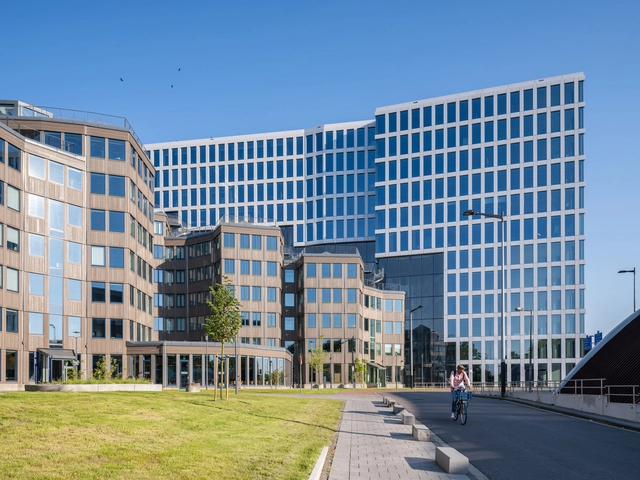
Tripolis Park / MVRDV


-
Architects: MVRDV
- Area: 61000 m²
- Year: 2023
-
Professionals: G&S Bouw, Deltavormgroep, Van Rossum Raadgevende Ingenieurs, Bosman Bedrijven, BBN, +1
https://www.archdaily.com/1022500/tripolis-park-mvrdvPilar Caballero
Building Methods in Focus: The Solid vs Hollow Partitioning Debate
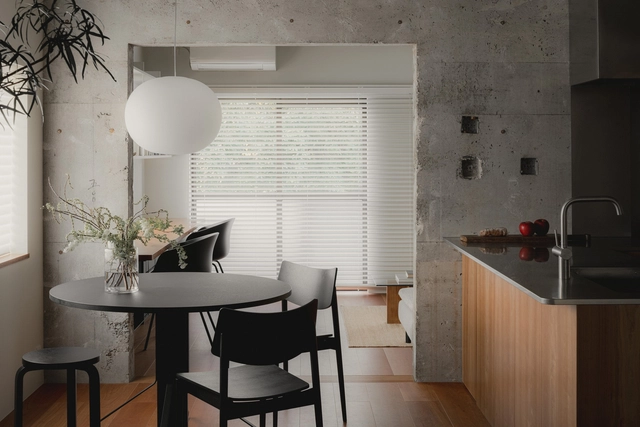
Two primary building approaches are commonly identified in architecture and design: solid versus hollow construction. These methods vary significantly across different cultures and regions, specifically for interior partitioning systems, when they appear interchangeable. Each has its own established practices influenced by local materials, labor preferences, climatic conditions, and cultural traditions. When architects and designers focus on their local context, it is easy to overlook the broader construction assumptions, limiting design flexibility and methodology. This raises an important question: How do these two building approaches differ?
Focusing mainly on interior systems, the distinctions between solid and hollow construction largely stem from the availability of materials and workforce preferences. For example, in the United States and Japan, stud walls, both wood and metal, are frequently used for partitioning. Conversely, brick remains the predominant material for partition walls in regions such as Hong Kong and southern China. Why do we build differently, and what are the benefits and challenges of each building methodology?


https://www.archdaily.com/1021729/building-methods-in-focus-the-solid-vs-hollow-partitioning-debateJonathan Yeung
Design Educates Awards Announces 2024 Winners in Architecture and Design
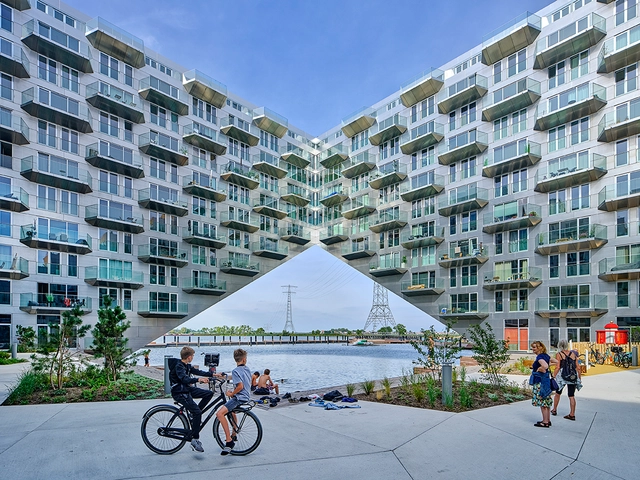
The Design Educates Awards 2024 has just announced the winners of this year’s winners, celebrating projects that excel in addressing complex social and environmental challenges while carrying significant educational value. Held annually, the awards recognize projects that respond to social and environmental issues and promote sustainability, even if the educational impact is gradual. In fact, it aims to highlight projects that offer long-term value and address the complexities of modern life.


https://www.archdaily.com/1020721/design-educates-awards-announce-2024-winners-in-architecture-and-designNour Fakharany
International High-Rise Award 2024/25: Discover the 31 Nominated Projects

Deutsches Architekturmuseum (DAM) has announced the International High-Rise Award 2024/25. Selected from more than 1,000 new high-rises worldwide dating from the past two years, the nominated projects are located in 13 counties from 5 continents. In autumn, the five finalists will be announced, followed by the winner announcement scheduled for November 12, 2024. The main objective of the award is to highlight good practices in the ongoing trend of mixed-use high-rises.
With the increase in the construction of high-rises, special features such as the introduction of greenery in the design, unusual shapes, or the construction of clusters of towers, have become the new normal. DAM’s research this year also shows a growing eco-awareness, as the focus in high-rise construction is increasingly on the use of existing buildings. While the majority of tall buildings continue to be erected in China, followed by the USA, Australia, and Singapore have emerged as new hubs of high-rise architecture.


https://www.archdaily.com/1018790/international-high-rise-award-2024-25-discover-the-31-nominated-projectsMaria-Cristina Florian
NIO House Amsterdam / MVRDV
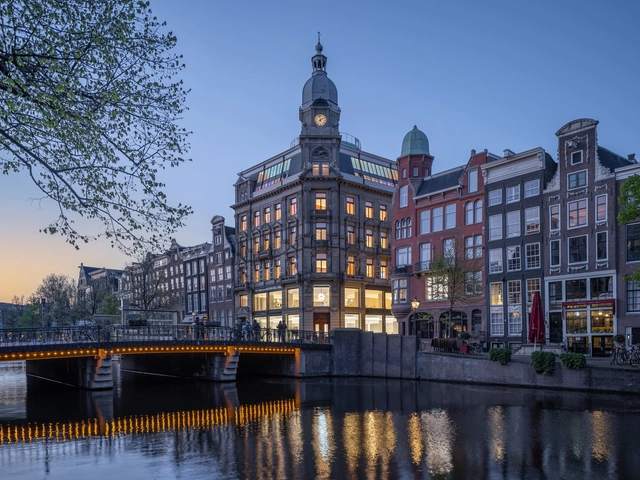


https://www.archdaily.com/1017035/nio-house-amsterdam-mvrdvPaula Pintos
How to Measure Performance for Architecture and Design Firms?
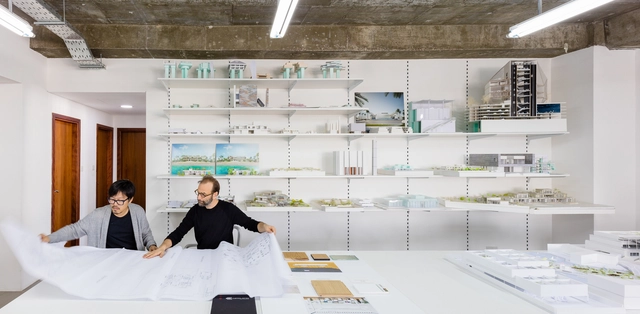
The field of architecture and design is a dynamic one, often managing large-scale investments and involving a wide array of professionals. It stands to reason that, in this type of environment, success is not simply defined by just the quality of the completed structures, but also by the internal ability of architecture firms to effectively manage their business operations. For architects and designers, measuring performance goes beyond financial metrics; it encompasses a diverse range of factors that reflect the firm's efficiency, creativity, and impact within the industry.
Several key metrics can be measured, from financial goals to client relationship management, innovation, influence, and professional development, all helping architects and designers gauge their performance from different perspectives. As the famous saying goes, “What gets measured gets managed.” To help in this effort, Monograph's 2024 Architecture Business Benchmarks Report offers a thorough examination of five key metrics.


https://www.archdaily.com/1013899/how-to-measure-performance-for-architecture-and-design-firmsMaria-Cristina Florian
Architecture & UNESCO: Rethinking Preservation and Cultural Heritage
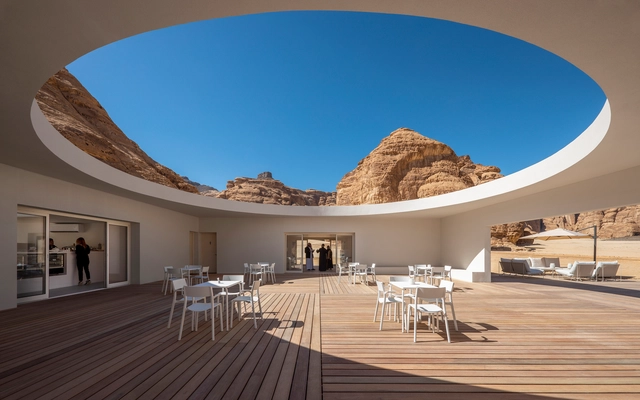
Architecture has always centered on permanence and ephemerality. Defined by material conditions, how we build is closely tied to what we preserve and how we conceptualize the future. Furthering international cooperation in education, the arts, the sciences, and culture, UNESCO is an organization that continues to examine the relationship between history and growth, preservation, and change. As architecture, landscapes, and cities become threatened by the climate crisis and unrest, cultural context becomes paramount.


https://www.archdaily.com/971945/architecture-and-unesco-rethinking-preservation-and-cultural-heritageEric Baldwin
India Unveiled: Innovative Projects and Evolving Builtscapes
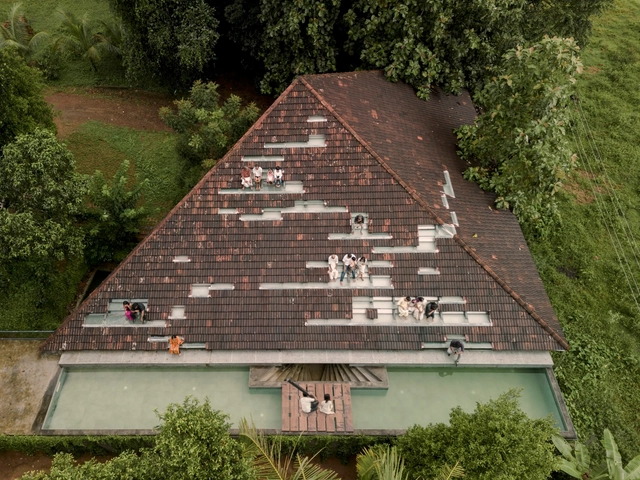
In recent years, India has emerged as a focal point for architects and urban designers from around the world. From the rich legacy of masters and emerging firms to smart city initiates being established across the peninsula, the acts of decolonization in architecture design to the evolution of a modernized vernacular, India has been demonstrating the power of supporting good architecture and urban design. This year, ArchDaily launched ArchDaily Building for Billions, a column that discusses the effects of population rise, urbanization, and economic growth on India’s built environment. Building for Billions was fueled by the recognition of changes and innovative projects washing over the country.


https://www.archdaily.com/1011222/india-unveiled-innovative-projects-and-evolving-builtscapesAnkitha Gattupalli
Apollolaan 171 / OMA
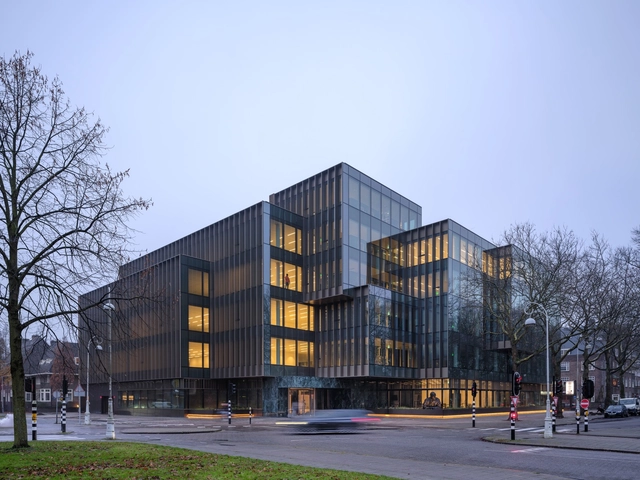


https://www.archdaily.com/1011084/apollolaan-171-omaPaula Pintos
Ascension Paysagère / MVRDV
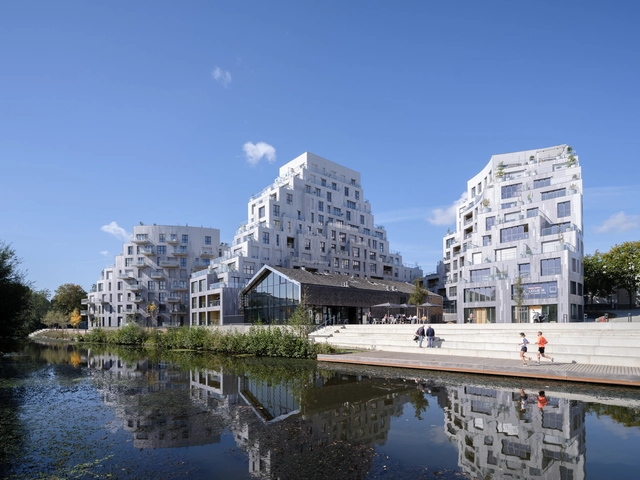


-
Architects: MVRDV
- Area: 10550 m²
- Year: 2022
-
Manufacturers: AGROB BUCHTAL
https://www.archdaily.com/990533/ascension-paysagere-mvrdvPaula Pintos
Pyramid of Tirana / MVRDV
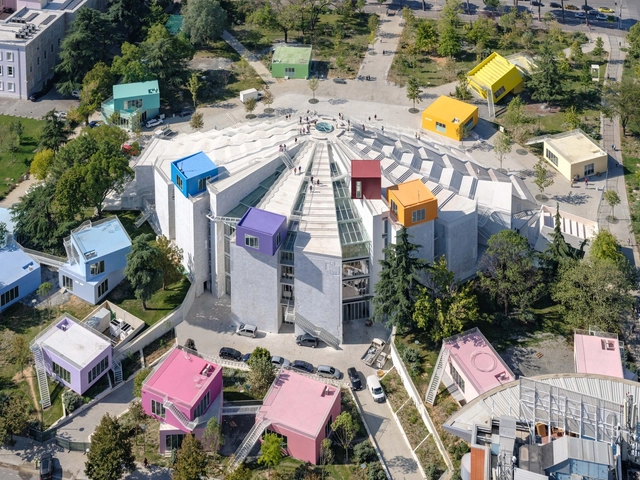


https://www.archdaily.com/1008619/pyramid-of-tirana-mvrdvPaula Pintos
Architecture and Communication: Dissemination, Curators and Architecture News
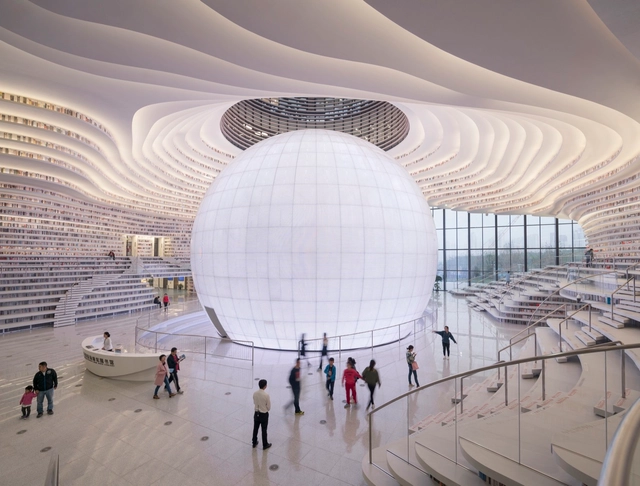
In 1999, Birgit Lohmann and Massimo Mini co-founded designboom, self-proclaimed as the "first online architecture and design magazine." Seven years later, Facebook transitioned from Ivy League universities to massive audiences, while the first tweet was posted on formerly-known Twitter. Sixteen years have passed since these milestones.
While 16 years may be a short period in architecture, digital media and social networks are far from being considered emergent in the history of the internet. In fact, they form the core of the current Web 2.0 model, characterized by a dual interaction between content producers and consumers: sharing, liking, remixing, and reposting.
Indeed, the speed and magnitude of the transformations that digital media have undergone, and in turn, driven, provide the opportunity to begin documenting the history of the digital era and its impact on architecture.
https://www.archdaily.com/1007272/architecture-and-communication-dissemination-curators-and-architecture-newsNicolás Valencia
Cooltoren Tower / V8 Architects
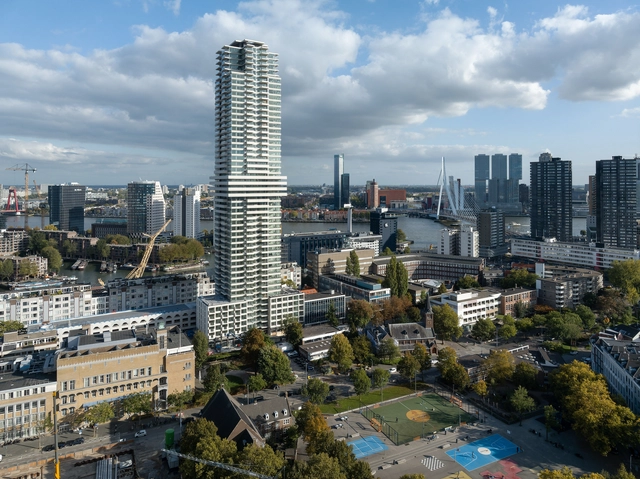


-
Architects: V8 Architects
- Area: 37600 m²
- Year: 2022
-
Manufacturers: Kawneer, Kone
-
Professionals: U-Vastgoed B.V, Ballast Nedam
https://www.archdaily.com/1002341/cooltoren-tower-v8-architectsHadir Al Koshta
From Tiny Squares to Urban Parks: 100 Public Spaces From All Around the World

The key to successfully designing or recovering public spaces is to achieve a series of ingredients that enhance their use as meeting places. Regardless of their scale, some important tips are designing for people's needs, the human scale, a mix of uses, multifunctionality and flexibility, comfort and safety, and integration to the urban fabric.
To give you some ideas on how to design urban furniture, bus stops, lookouts, bridges, playgrounds, squares, sports spaces, small parks, and urban parks, check out these 100 notable public spaces.
https://www.archdaily.com/914317/100-public-spaces-from-a-tiny-square-to-an-urban-parkMaría Francisca González
IJboulevard Underwater Bike Parking / VenhoevenCS
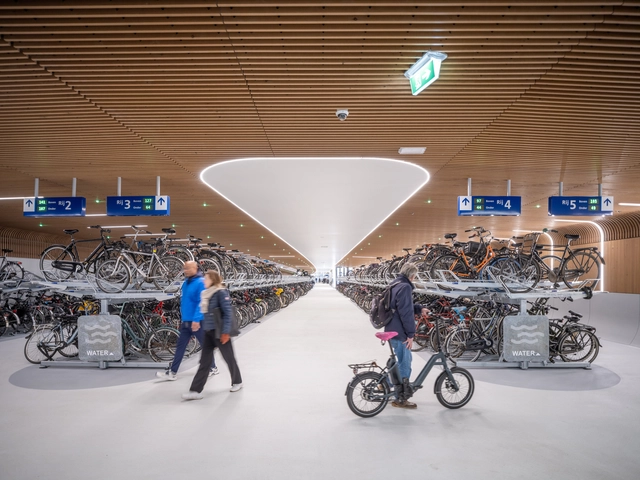


-
Architects: VenhoevenCS
- Area: 4270 m²
- Year: 2023
-
Manufacturers: Hunter Douglas Architectural (Europe)
https://www.archdaily.com/999295/ijboulevard-underwater-bike-parking-venhoevencsPaula Pintos
MVRDV Develops a Catalogue for Repurposing Rooftops
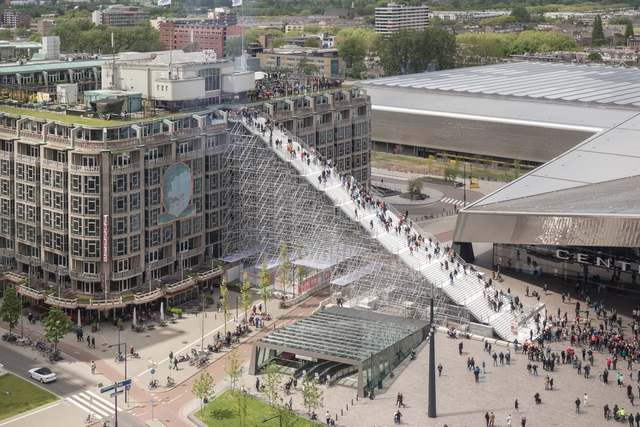
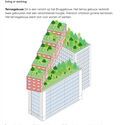
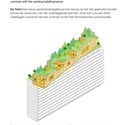
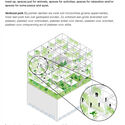
Highlighting an untapped spatial resource, MVRDV's Rooftop Catalogue, in collaboration with Rotterdam Rooftop Days, is now available online for free. Commissioned by the City of Rotterdam, the Rooftop Catalogue presents 130 innovative ideas to make use of Rotterdam's empty flat roofs, showcasing a potential new phase in the city's development and illustrating how reprogramming rooftops can help with issues such as land scarcity and climate change while also addressing the practical side of repurposing these spaces in terms of construction options and suitable sites.


https://www.archdaily.com/963540/mvrdv-develops-a-catalogue-for-repurposing-rooftopsAndreea Cutieru