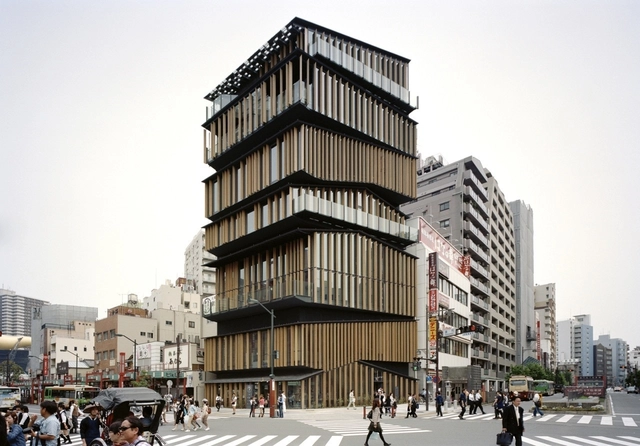
In my 2008 interview with Kengo Kuma in Manhattan—the Tokyo-based architect was in town for a lecture at Cooper Union and to oversee the construction of a house renovation in nearby Connecticut— he summarized the intention of his work for me, "The closest image to the kind of architecture I try to achieve is a rainbow." The architect designs his buildings as a chef would prepare a salad or a florist arrange a bouquet of flowers—by carefully selecting ingredients according to their size, shape, and texture. He then tests whether they should touch, overlap, or keep a distance to let the airflow pass through. The process is closer to a trial-and-error scientific experiment rather than an artistic exercise in projecting visionary forms and images. Although his buildings surely look strikingly artistic and utterly breathtaking. They are both precise and loose, primitive and refined, material and transient. The architect's fascination with materiality is startling, and despite having completed many dozens of buildings all over the world over the course of his distinctive career, in our conversation last month over Zoom, Kuma told me, "I stand at the beginning of a long process of material exploration."
Mitsumasa Fujitsuka
“The Kind of Architecture I Try to Achieve Is a Rainbow:” In Conversation With Kengo Kuma
Spotlight: Kengo Kuma

Kengo Kuma (born 8th August, 1956) is one of the most significant Japanese figures in contemporary architecture. His reinterpretation of traditional Japanese architectural elements for the 21st century has involved serious innovation in uses of natural materials, new ways of thinking about light and lightness and architecture that enhances rather than dominates. His buildings don't attempt to fade into the surroundings through simple gestures, as some current Japanese work does, but instead his architecture attempts to manipulate traditional elements into statement-making architecture that still draws links with the area in which it's built. These high-tech remixes of traditional elements and influences have proved popular across Japan and beyond, and his recent works have begun expanding out of Japan to China and the West.
Kengo Kuma Explains How His Architectural Style was Formed by Financial Crisis
Japan's renowned architect Kengo Kuma is the latest to feature in PLANE—SITE's video series Time-Space-Existence, exploring the inner workings of his Tokyo office and how the Japanese financial crisis of the early 1990s shaped his firm.
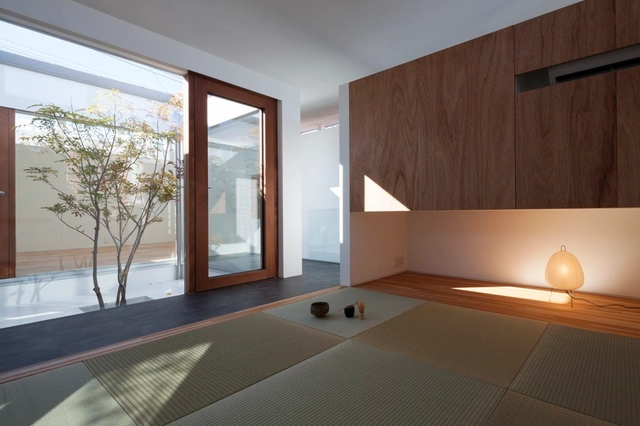
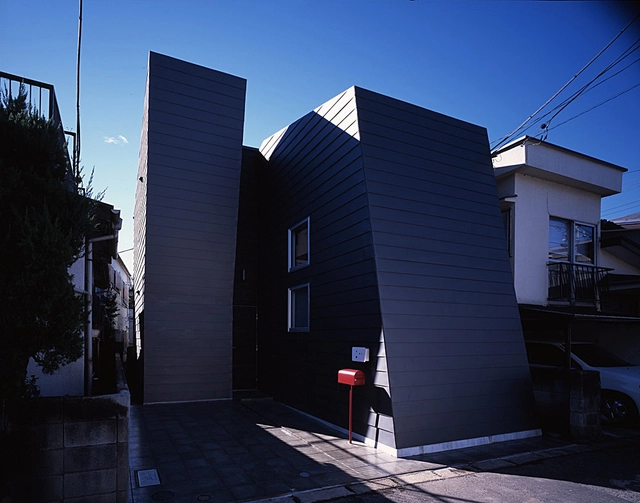
House IM / Miyahara Architect Office
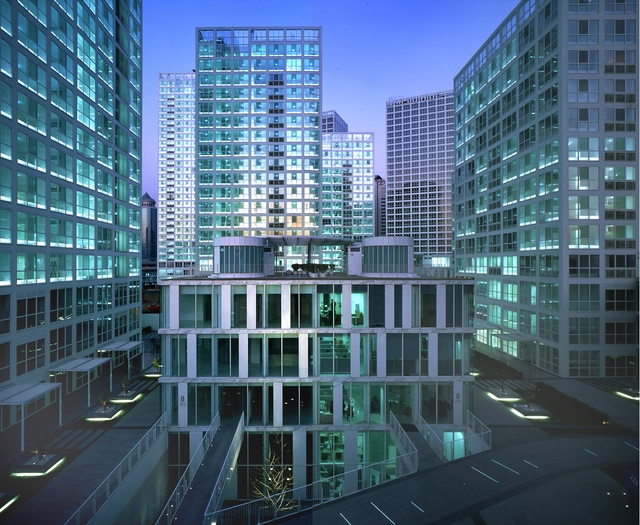
Jian Wai SOHO / Riken Yamamoto

-
Architects: Riken Yamamoto
- Area: 703269 m²
- Year: 2004
-
Professionals: Structural Design Office Plus One Co.Ltd
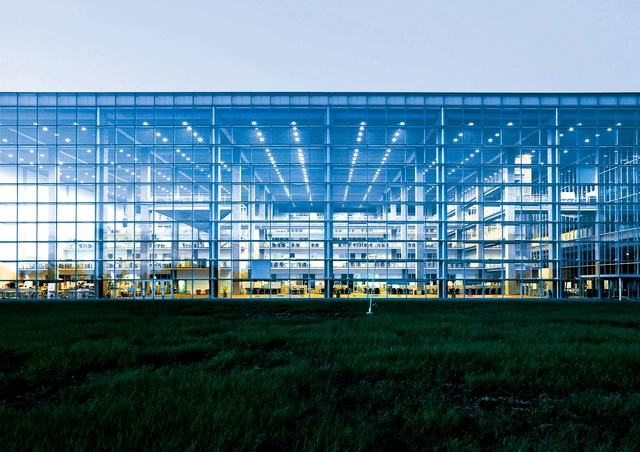
Future University Hakodate / Riken Yamamoto

-
Architects: Riken Yamamoto
- Area: 26839 m²
- Year: 2000
-
Professionals: Kimura Structural Engineers, Asia Consulting Engineers, Hiromura Design Office
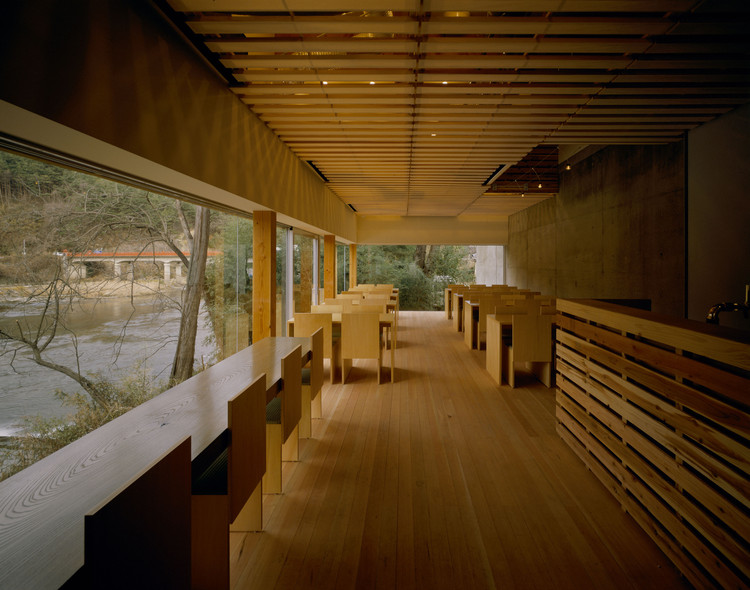
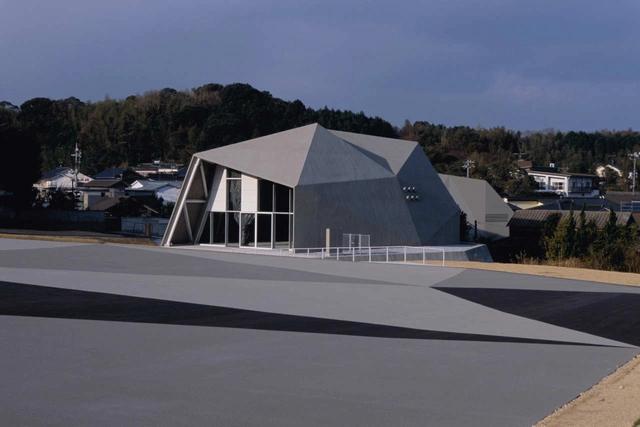
Shimonoseki-shi Kawatana Onsen Koryu Center / Kengo Kuma & Associates

-
Architects: Kengo Kuma & Associates
- Area: 1242 m²
- Year: 2009