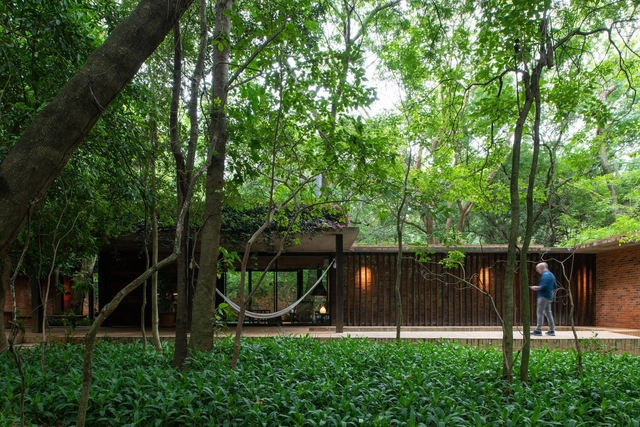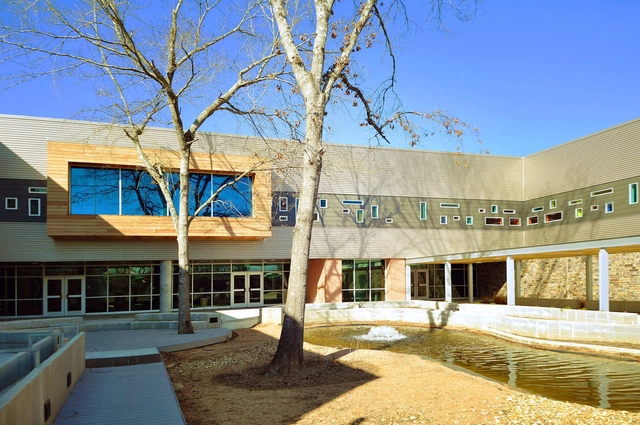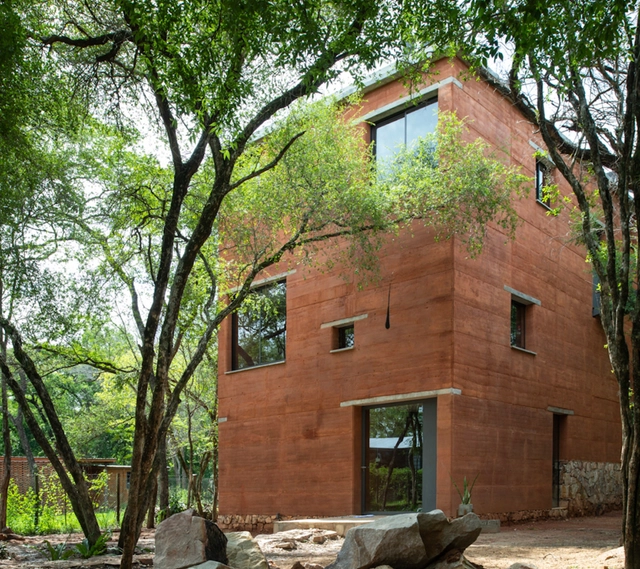


-
Architects: José Cubilla
- Area: 220 m²
- Year: 2021
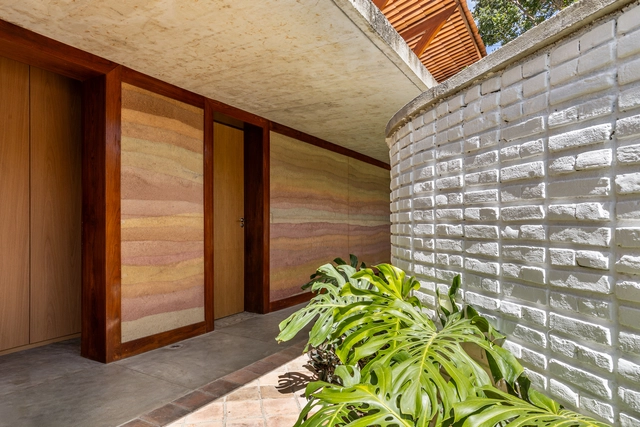
Being one of the first construction methods developed by humans, earth has proven its resilience and durability over time. While construction techniques have evolved and been updated over the years, there is still a long way to explore where the understanding of climate, geographic location, sustainability, structural requirements, and other factors determine its degree of application.
With low environmental impact and the ability to be used through a wide variety of techniques, such as rammed earth walls or 'tapiales,' this material offers the possibility of providing not only aesthetic but also thermal comfort, insulation, and other benefits. With the intention of discovering the different ways it has been used, we set out to select 12 projects distributed throughout Latin America, spanning Argentina, Brazil, Bolivia, Chile, Mexico, Paraguay, Peru, and Ecuador.
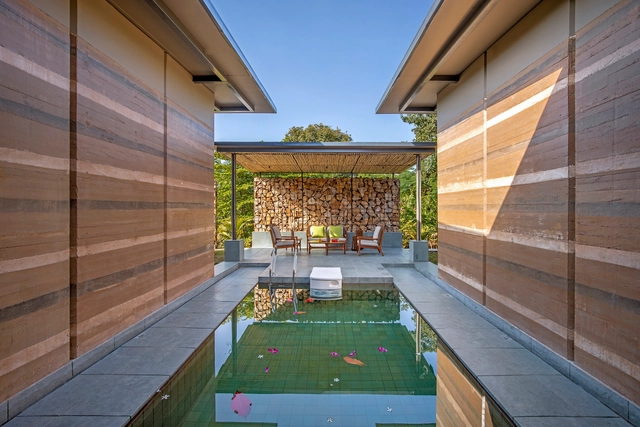
With the proper know-how, readily available earth, sand, chalk, lime, or gravel can yield a versatile, strong, and durable construction material. Its colorful results vary from region to region, depending on the natural soil component, climate, and treatment. While some prefer to minimize any added processing, others relish the exploration of rammed earth surfaces. Different textures and mesmerizing layers of multitoned or multicolored earth can be used to create a solid surface that enriches the visual quality of a space and carries a sense of warmth to any project.
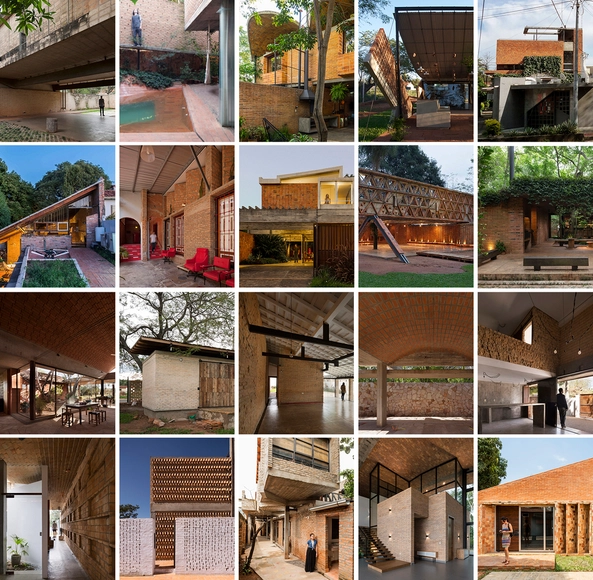
In Paraguay, brick can be many things. Walls, dividers, facades, sieves, vaults, floors, and pavement are just some of the many example that demonstrate, not only the variety of uses for brick, but the ingenuity of the architects who choose to utilize it in their projects.
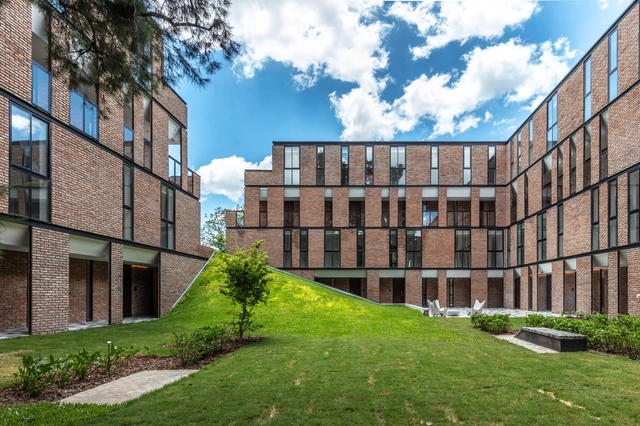
What role does landscaping play in contemporary housing? In what ways can architecture and landscaping be integrated into a whole? Considering the incorporation of landscaping from the beginning of the architectural project has become a defining aspect and even a challenge for many architects, aiming to improve the quality of life of their inhabitants and contribute to the protection and care of the environment.
On numerous occasions and within the Latin American setting, nature appears as a protagonist or founding principle of the proposed architectural design, involving reasons related to promoting the relationship with the surrounding environment, incorporating native species of the site, and enhancing the connection between the interior and exterior, among others. Although there are different ways of planning, organizing, and arranging the layout of environments in contemporary housing, the dialogue between architecture and landscape can collaborate with the uses, activities, and circulations determined based on the needs to be met or the users to be accommodated.
.jpg?1654104044&format=webp&width=640&height=580)
The Mies Crown Hall Americas Prize (MCHAP) announced the 48 outstanding projects selected by the MCHAP 2022 jury. From the body of nominated projects, the jury elected 38 entries in MCHAP as outstanding among other submissions. The fourth prize cycle considers built works completed in the Americas between January 2018 to December 2021, nominated by an anonymous network of international experts and professionals.
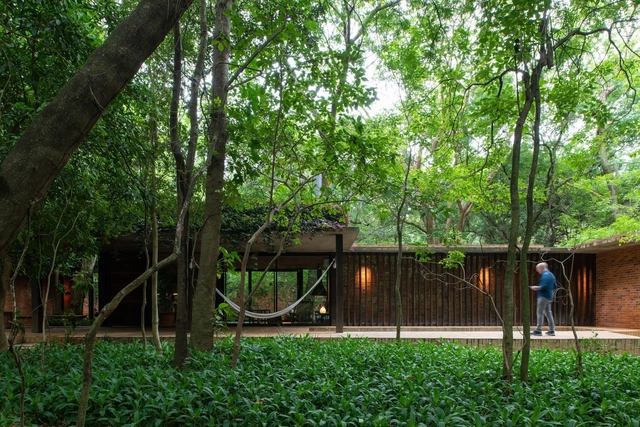
Teresa Moller, José Cubilla, Solano Benítez & Gloria Cabral were honored today with the 2021 Global Award for Sustainable Architecture, organized by the Cité de l’Architecture et du Patrimoine, a French institution dedicated, among other initiatives, to organizing events focused on heritage and architectural education.
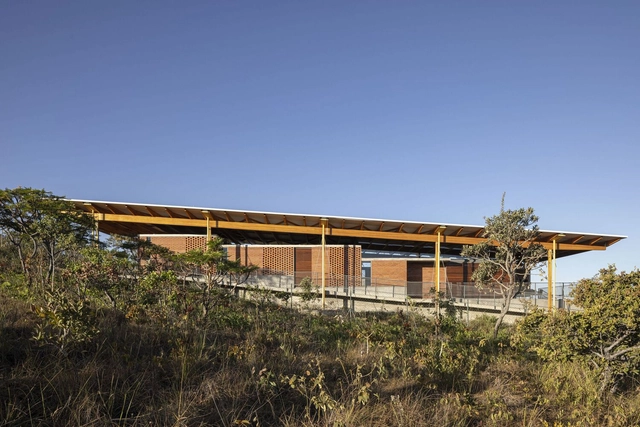
Every year, our curatorial team presents a retrospective of house projects that stood out over the period. This collection, a small selection of the more than two thousand projects published on ArchDaily Brasil this year alone, comprises a series of residences with specific design solutions that address, each in their own way, factors such as materials, construction techniques, structural systems, building processes, and programs.


.jpg?1654104708&format=webp&width=230&height=230&crop=true)
.jpg?1654104468&format=webp&width=230&height=230&crop=true)
.jpg?1654104406&format=webp&width=230&height=230&crop=true)
.jpg?1654104044)