Katsuhisa Kida

BROWSE ALL FROM THIS PHOTOGRAPHER HERE

Rethinking the Flat Datum: Designing Space with Incline and Intent

Subscriber Access | 

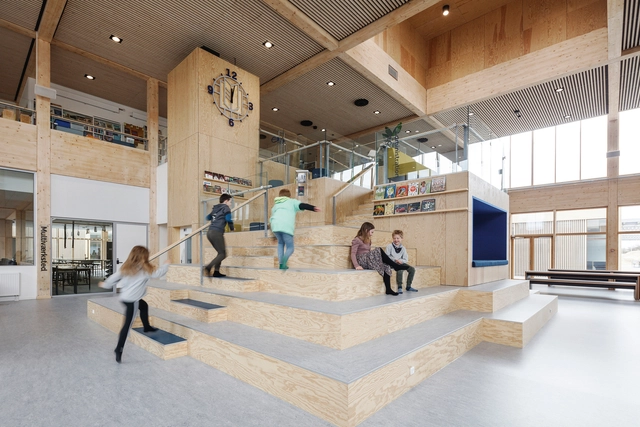
Historically, architecture and the built environment have insisted on creating flat, hard surfaces. In earlier eras, walking without paved ground meant mud-caked shoes, uneven footing, tripping hazards, standing water after rain, and high maintenance. Hence, as we shaped cities, we prioritized a smooth, continuous, solid horizontal datum. The benefits are real: easier walking, simpler cleaning, and straightforward programming—furniture, equipment, and partitions all prefer a level base. This universal preference for building on flat ground remains the norm and, for many practical reasons, will likely continue to be.

What's less recognized is that making a truly flat surface is surprisingly difficult—and many well-executed "flat" floors aren't perfectly flat at all. They are often gently sloped, calibrated to precise gradients for drainage. While interior spaces do not always require this, many ground floors and wet areas do incorporate subtle inclines as a safeguard—whether for minor flooding or to manage water that overflows from the street or plumbing when one of the discharge systems is malfunctioning.

Rethinking the Flat Datum: Designing Space with Incline and Intent - More Images+ 49

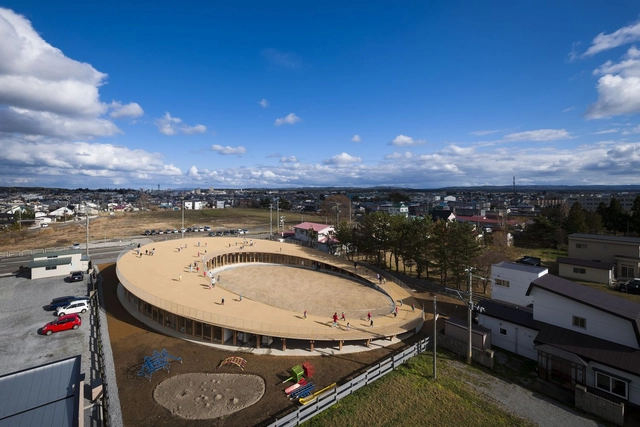
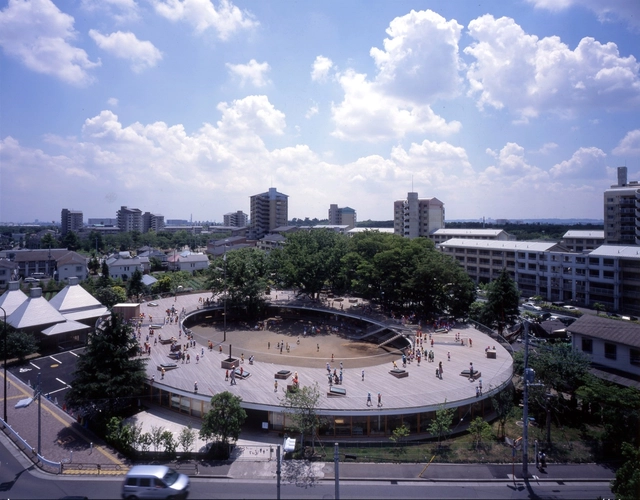
Yoshino Nursery School and Kindergarten / Tezuka Architects

Yoshino Nursery School and Kindergarten / Tezuka Architects - More Images+ 16

  • Architects: Tezuka Architects
  • Area Area of this architecture project Area:  1005
  • Year Completion year of this architecture project Year:  2015
  • Manufacturers Brands with products used in this architecture project
    Manufacturers:  AutoDesk, DNL, Furukawa, Microstation, Mtsubishi, +3
  • Professionals: TIS&PARTNERS

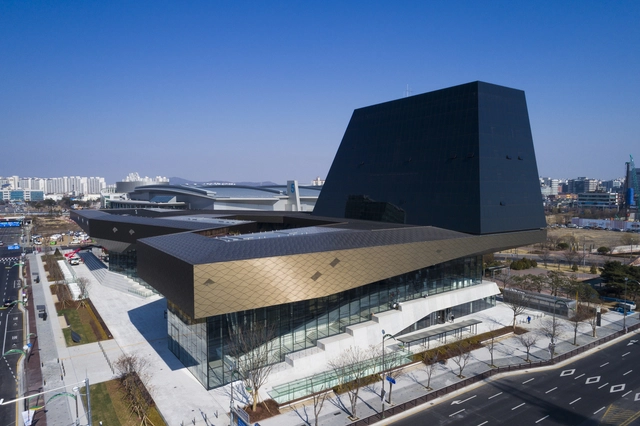
Hyundai Motorstudio Goyang / Delugan Meissl Associated Architects

Hyundai Motorstudio Goyang / Delugan Meissl Associated Architects - More Images+ 11

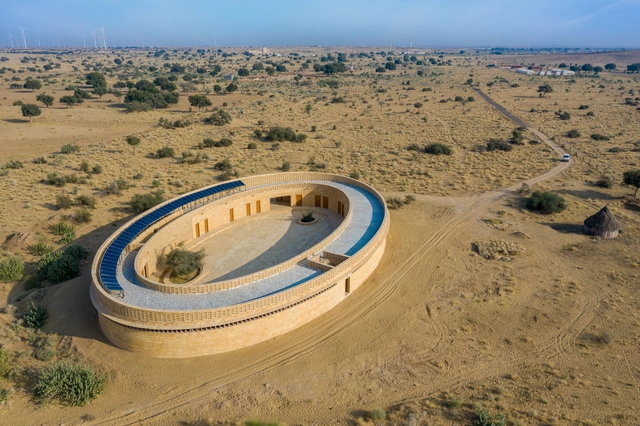
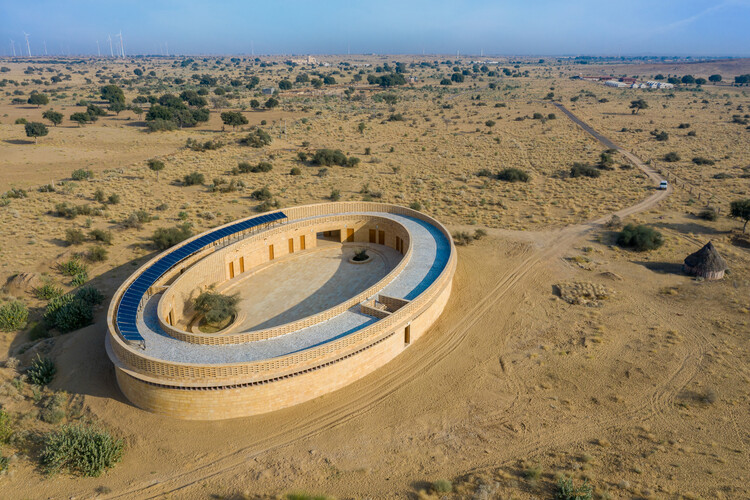
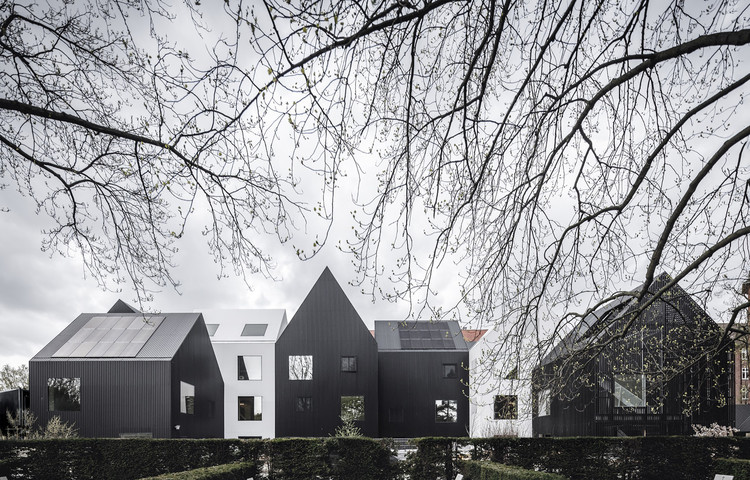
Four Projects Shortlisted for 2017 Moriyama RAIC International Prize

The Royal Architectural Institute of Canada (RAIC) has announced the four projects shortlisted for the 2017 Moriyama RAIC International Prize. The prize was established in 2014 by Canadian architect Raymond Moriyama along with RAIC and the RAIC Foundation to recognise buildings that are judged to be " transformative within its societal context and reflect Moriyama's conviction that great architecture transforms society by promoting social justice and humanistic values of respect and inclusiveness."

"These projects celebrate human life and shape activity," commented RAIC President Ewa Bieniecka, FIRAC. "They embody innovation, contribute to how we experience space, and explore how spaces allow opportunities for freedom. The four shortlisted projects demonstrate how architecture is generous and gives back to the community. These works have a strong sense of place and connect to their surrounding landscape."

Awarded every two years, the winning project will receive a CAD $100,000 prize and a handcrafted sculpture by Canadian designer Wei Yew. The prize is open to all architects, irrespective of nationality and location. The inaugural prize was won by Chinese architect Li Xiaodong for his design of the Liyuan Library in Jiaojiehe, China.

See the shortlisted projects, after the break.

Four Projects Shortlisted for 2017 Moriyama RAIC International Prize  - More Images+ 30

Tezuka Architects on Their Formative Experiences, Architecture as a Cure and Finding Your Unique Wisdom

Subscriber Access | 

As one practice among Japan's emerging crop of talented architects, Takaharu and Yui Tezuka of Tezuka Architects can boast some highly successful projects; perhaps most notably among their collection of houses, medical buildings, and community buildings is the Fuji Kindergarten. Completed in 2007, the unusual open-air design was so successful that it earned Takaharu Tezuka a spot on stage at TEDxKyoto. In this interview from his series “Japan's New Masters,” Ebrahim Abdoh speaks to Yui and Takaharu about their formative experiences in the United States and United Kingdom, their design approach, and the unique challenges that come with working in Japan.

Tezuka Architects on Their Formative Experiences, Architecture as a Cure and Finding Your Unique Wisdom - More Images+ 11

Shugoin / LOVE architecture and urbanism

Shugoin / LOVE architecture and urbanism - More Images+ 15

Nousfit Warehouse / Hideo Horikawa Architect & Associates

Nousfit Warehouse / Hideo Horikawa Architect & Associates - More Images+ 26

Tokyo, Japan

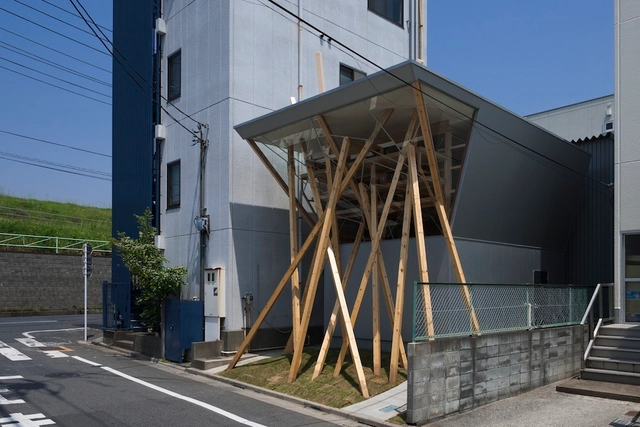
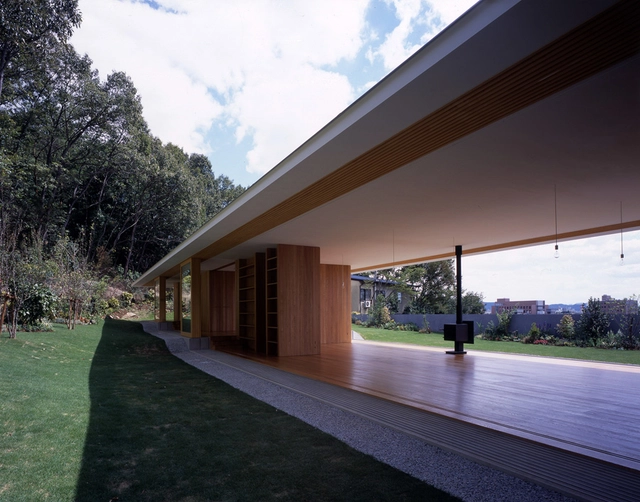
Wall less house / Tezuka Architects

Wall less house / Tezuka Architects - More Images+ 12

Setagaya, Japan
  • Architects: Tezuka Architects
    : Takaharu+Yui Tezuka, Masahiro Ikeda, Makoto Takei
  • Year Completion year of this architecture project Year:  2012

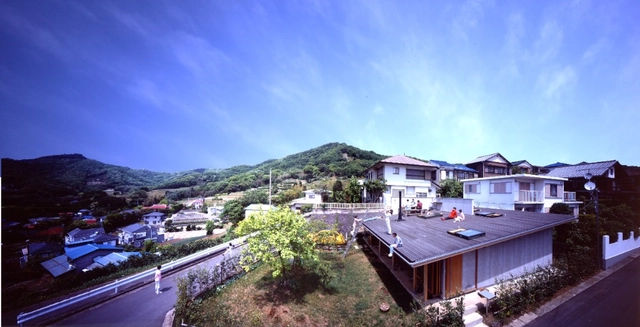
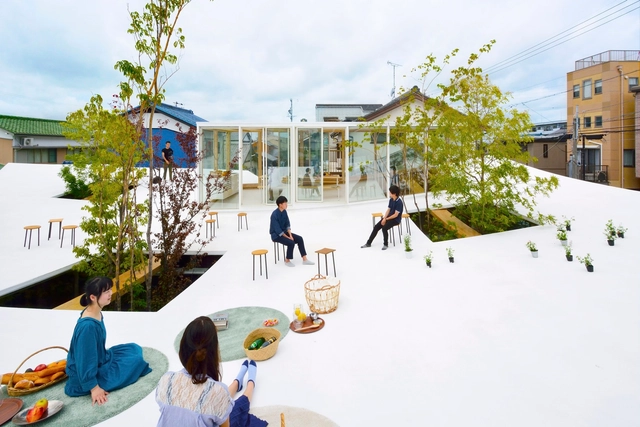
Roof House / Tezuka Architects

Roof House / Tezuka Architects - More Images+ 3

  • Architects: Tezuka Architects
    : Tezuka Architects - Takaharu+Yui Tezuka, Masahiro Ikeda, Daisuke Sanada
  • Area Area of this architecture project Area:  298
  • Year Completion year of this architecture project Year:  2009

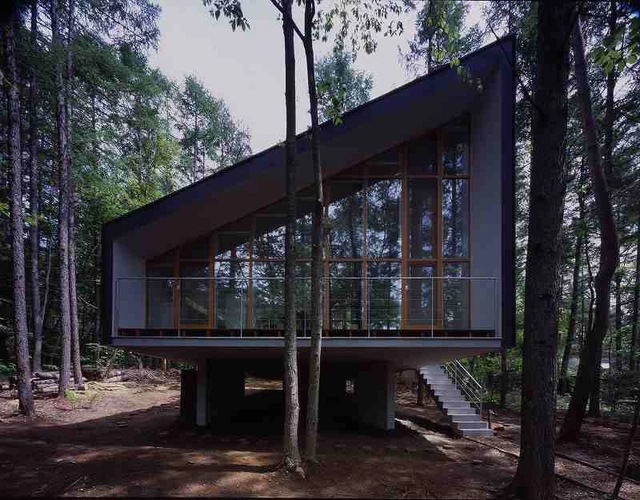
House to catch the forest / Tezuka Architects

House to catch the forest / Tezuka Architects - More Images+ 5

Chino, Japan
  • Architects: Tezuka Architects
    :  Tezuka Architects -Takaharu+Yui Tezuka, Masahiro Ikeda, Makoto Takei, Ryuya Maio
  • Year Completion year of this architecture project Year:  2010

Floating Roof House / Tezuka Architects

Floating Roof House / Tezuka Architects - More Images+ 1

Okayama, Japan
  • Architects: Tezuka Architects
    : Tezuka Architects - Takaharu+Yui Tezuka, Masahiro Ikeda, Chie Nabeshima, Hiroshi Tomikawa
  • Year Completion year of this architecture project Year:  2012