

-
Architects: RAWI Arquitetura
- Area: 100 m²
- Year: 2023
-
Manufacturers: Atlas Concorde, Aplicadora Zelo’s, Cremme, Eccomarmi Mármores e Granitos, Hunter Douglas, +7
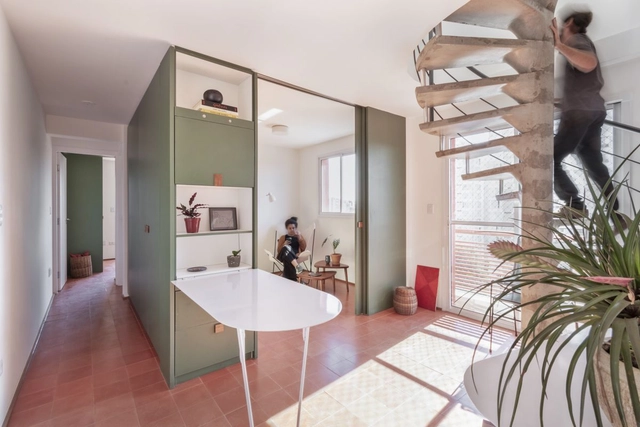
Many architectural projects have been giving special attention to cabinetry and built-in furniture. These custom-made wood pieces are designed for specific purposes and can be used to organize the space, which can be living rooms, bedrooms, studies, kitchens, and bathrooms. Besides functionality, these elements also introduce different materials, textures, and colors into the environments. This article will explore some examples of how colorful cabinets and furniture can make architectural projects more vibrant.
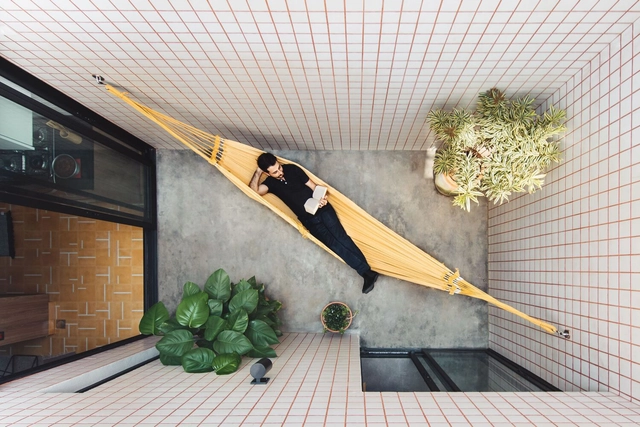
In tropical countries like Brazil, external areas are highly valued in residential projects. The backyards are used differently and configured according to the architectural project. Whether large or small, landscaped, with a pool, or equipped with other features, Brazilian families seek to make the most of their outdoor areas when possible.
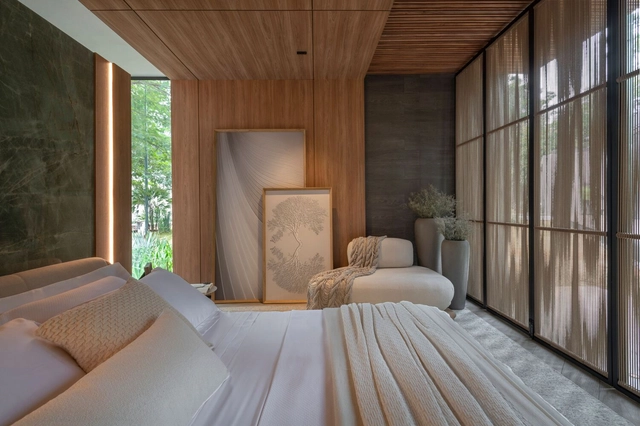
The bedroom is one of the most intimate spaces in a home. It is where we rest and escape our daily routines to recharge. Many view the bedroom as a sanctuary, a sacred space of intimacy and care. Beyond a comfortable bed, the room can be styled with elements that foster rest, leisure, and retreat.
While comfort is highly subjective, general design principles can help guide your decisions to create the best possible bedroom layout. Beyond large windows with breathtaking views, you can transform a bedroom simply by changing the layout and the type of bed, adding decorative or functional objects, or even incorporating other zones, such as a home office or a TV area. Below, we explore some ideas on how to transform and style your bedroom.
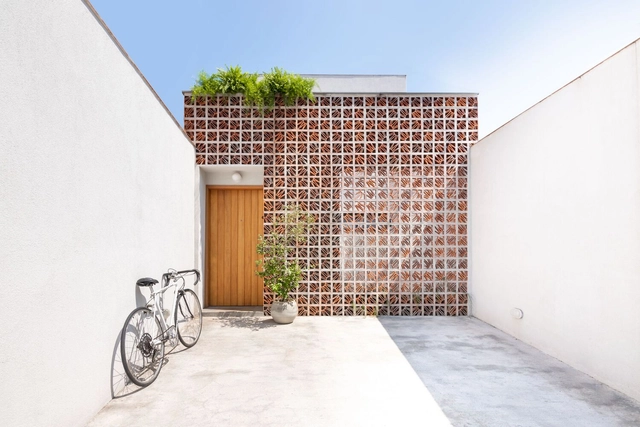
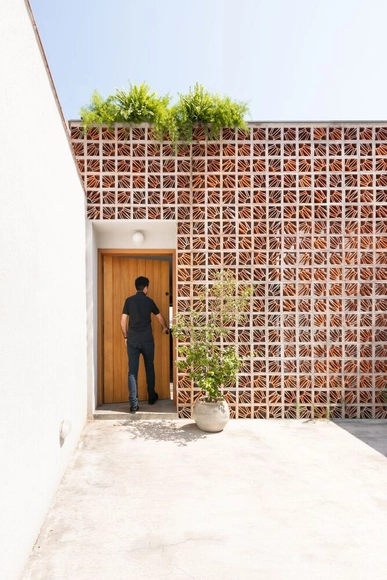
Visual permeability, ventilation and a strong identity appeal, the hollow elements have increasingly found their place in contemporary architecture. Whether in large buildings or small residences, they appear in different shapes, materials and compositions, helping to determine the degree of interaction between interior and exterior space. This artifice in a residential construction is an important tool to ensure privacy and intimacy, without losing the possibility of connections to the outside and natural ventilation.
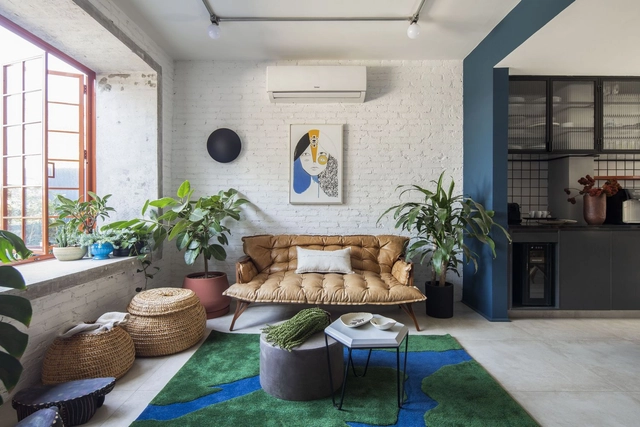
In apartments and small houses, the rest and entertainment spaces tend to share the same environment, making the living room fully oriented towards the television. But what to do when television is removed from space? Here are ideas on how to organize the living room without having the television as the main object of the room.