Starting in May, Argentina reaffirms its presence at the Venice Biennale with an invitation to critically rethink the territory.
The "Imagined Lines" exhibition in the Argentine Pavilion, Horizontal Vertigo, curated by architects Javier Mendiondo, Pablo Anzilutti, Francisco Garrido, and Federico Cairoli, is a proposal to rediscover the territory as a collective construction—based on the potential of the relationship we perceive between territory and society—understanding architecture through its capacity to spark unexpected possibilities in each project.
Explore the selected projects and a statement from the curators below.
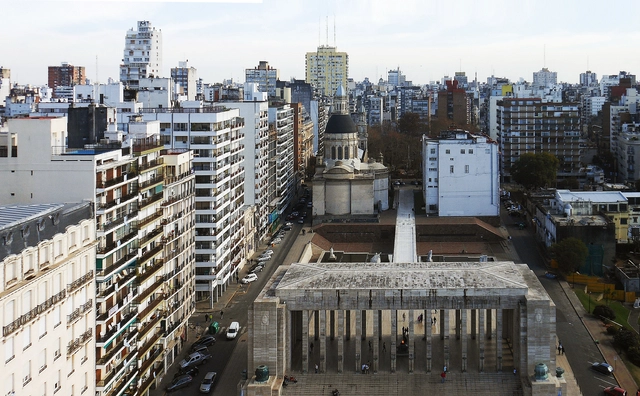
Between May 12 and 13, the annual architecture festival Open House—which originated in London and is now present in 34 cities worldwide—will hold its first edition in Rosario, Argentina.
Aimed at anyone interested in discovering or rediscovering the city's architecture and urbanism, the festival offers the opportunity to enter and tour a selection of private and public buildings of great cultural, historical, heritage, and architectural value, free of charge, during an open-door weekend.
From May 20 to 21, 2023, the Open House architecture and urbanism festival will take place in the city of Rosario, opening the doors of 98 architectural works alongside 8 urban tours to discover and rediscover the city's architecture and urban design. For its sixth edition, this year's festival aims to venture deep into the heart of the city—the home—applying an urban approach committed to the individual and collective memory of the city and its residents, merging tangible built heritage with the traces of time.
As another year comes to a close, the ArchDaily team looks back at the year's architectural highlights, compiling a selection of projects to review the content featured in 2022. As part of this retrospective, our curation team presents one of our readers' favorite categories—residential architecture—bringing together the projects that represent the very best of a vast year of architectural production, as chosen by our audience.
At a time marked by anticipation for the future of architecture, yet also by reflection on what has been accomplished over the past year, we present the 50 most-visited houses on ArchDaily in Spanish in 2022. In doing so, we continue our ongoing mission to provide tools, inspiration, and knowledge to everyone working toward a better built environment.
Originating as protection against low temperatures around 3,500 years ago, carpets and rugs have, over time, evolved into a true art form, reaching a high level of specialization by the 16th century. Rugs, carpets, and tapestries of various shapes, colors, textures, and patterns are integrated into different areas of the home to meet users' needs and enhance spatial comfort, sometimes extending far beyond their original purpose.
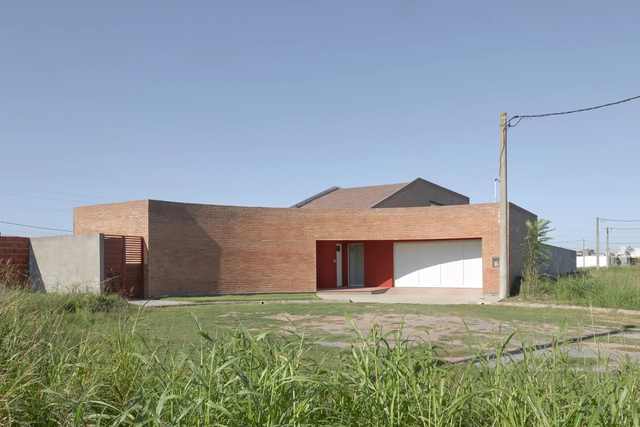
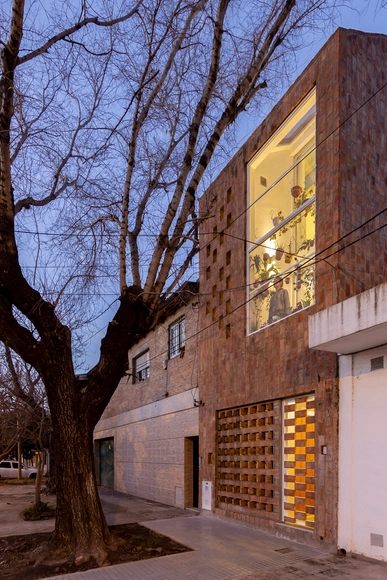
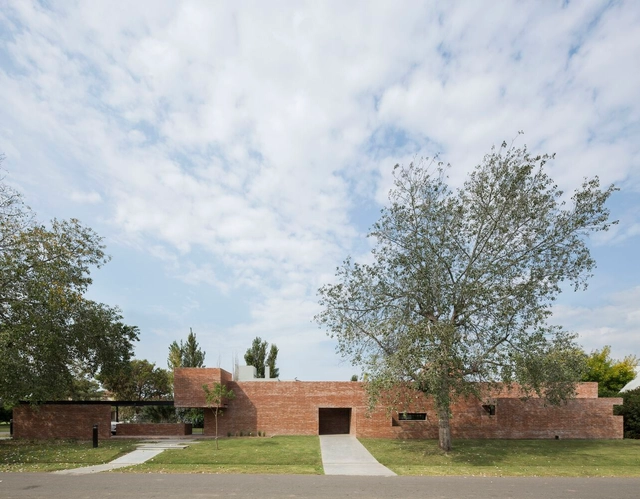
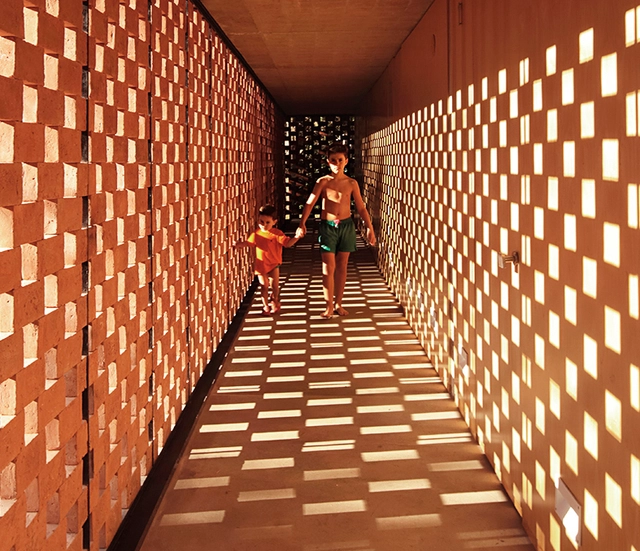
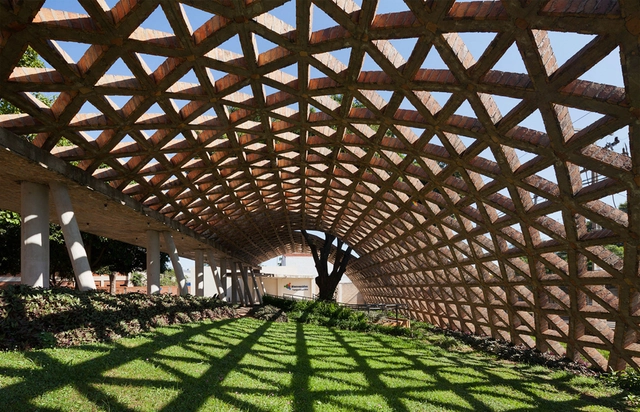
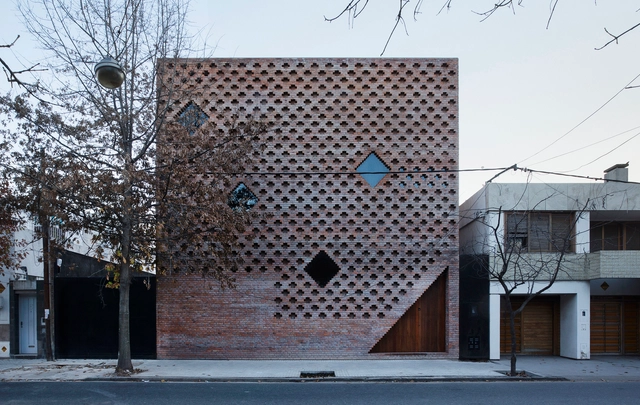
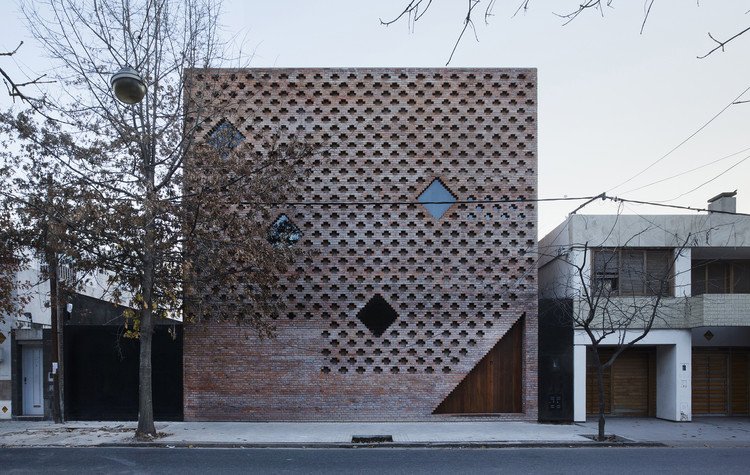
Brick has positioned itself as one of the materials that characterise and identify Argentinean and Latin American architectural culture. The diversity and versatility of masonry in our region have given rise to great heterogeneity in its uses and applications: structural walls, partitions, enclosures, screens, envelopes, skins, roofs, vaults, domes and floors allow us to visualise the great adaptability of this material in order to adapt to the particular requirements of each project.
Graphics, even before language and writing, were the first means of communication and significance for humanity. Drawing is the act of replacing reality with representation, that is, replacing objects with images encoded in each of the graphic representation systems.
In architecture, graphics stimulate the imagination and are the basis of project thinking since they do not only constitute our code of communication but configure our ability to express ourselves in disciplinary terms. In fact, at first, the drawing is constructed in the mind of the architect, before it looks for support from any type of instrument.
The winners of the first edition of the National Brick Architecture Award have been announced. Jointly organized by the Central Society of Architects (SCA) and the Chamber of the Red Ceramic Industry (CICER), the competition sought to highlight Argentina's architectural production based on the use of ceramic masonry units and to promote the widespread use of this material as a sustainable, long-term element in both urban and rural environments.
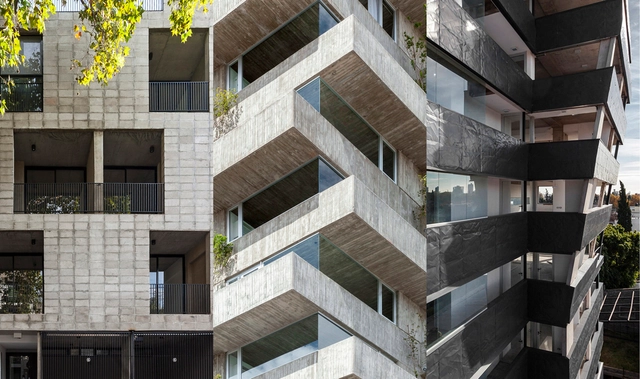
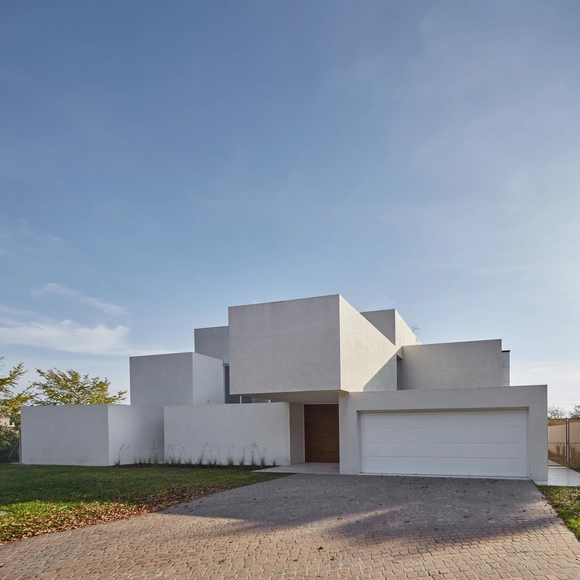
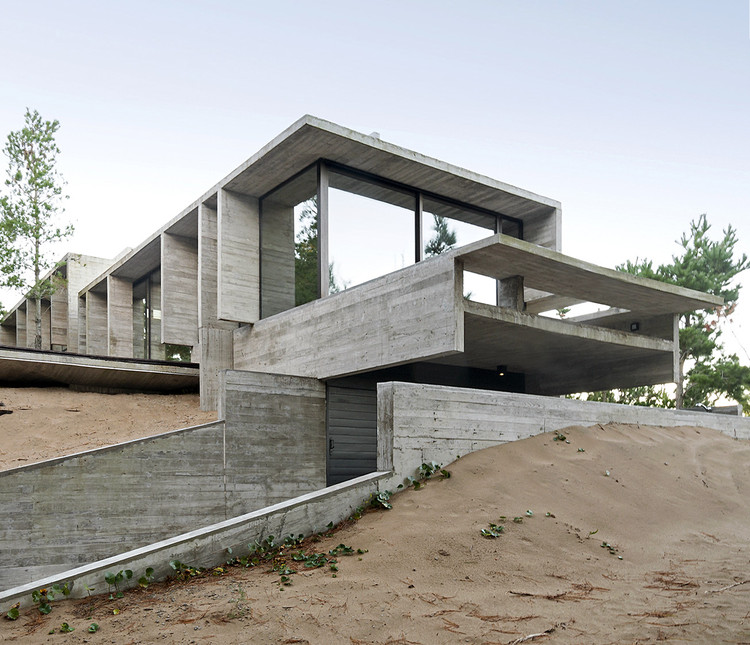
Thanks to its aesthetic qualities and malleability, concrete is the darling of the world's builders and architects. In Argentina in particular, concrete's durability and adaptability to a range of climatic conditions makes it one of the most sought after construction materials, demonstrated by, not only the country's countless museums, hotels, hospitals, but by its residential and smaller-scale buildings as well.
The focus of buildings should ultimately be the well-being of the people using them. When we think of our experiences in hospitals, clinics, the dentist's office, and other medical facilities, the feeling is rarely pleasant. Perhaps it's the smells, the dull, monotone colors, or the sound of medical gadgets working away on some unlucky patient.
On October 18, during the 17th edition of the Buenos Aires International Biennial of Architecture and concluding a series of keynote lectures, debates, and exhibitions held at the Usina del Arte in Buenos Aires, the winners of the “Evolución Ladrillo” (Brick Evolution) award, the CICA (International Committee of Architectural Critics) awards, the Bienal BA category awards, and the Grand Biennial Prize were announced, honoring a total of 28 architecture firms, institutions, and organizations for their work in the field of architecture.
On May 11 and 12, Rosario will host the second consecutive edition of "Open House," an open-door architecture festival for anyone interested in discovering the city's architecture and urban design.

























.jpg?1556847358&format=webp&width=230&height=230&crop=true)
.jpg?1556847671&format=webp&width=230&height=230&crop=true)

