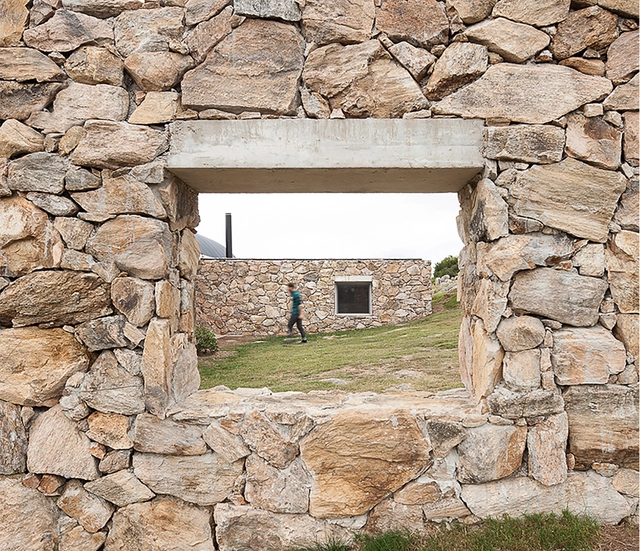


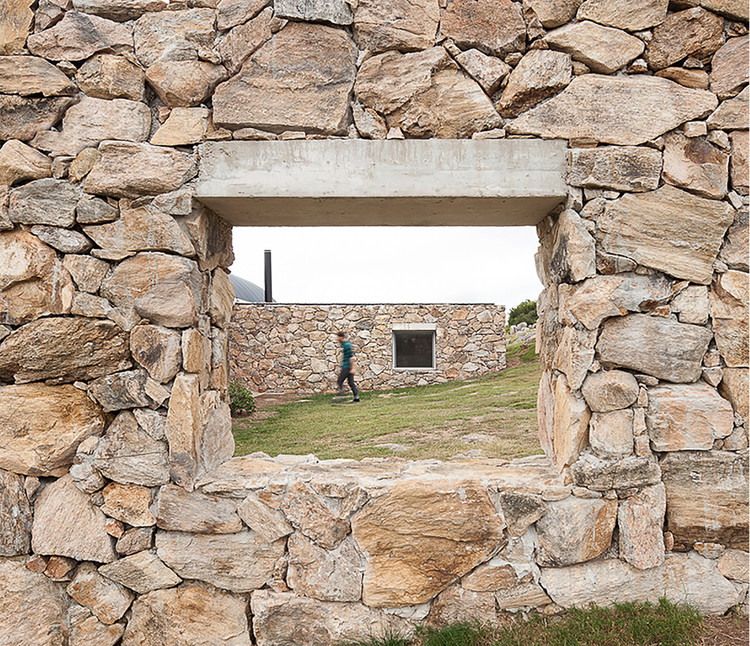
While stone has been used in construction since time immemorial, it's maintained its place in architecture thanks to its design capabilities, durability, and efficiency.
While stone has been used in construction since time immemorial, it's maintained its place in architecture thanks to its design capabilities, durability, and efficiency.
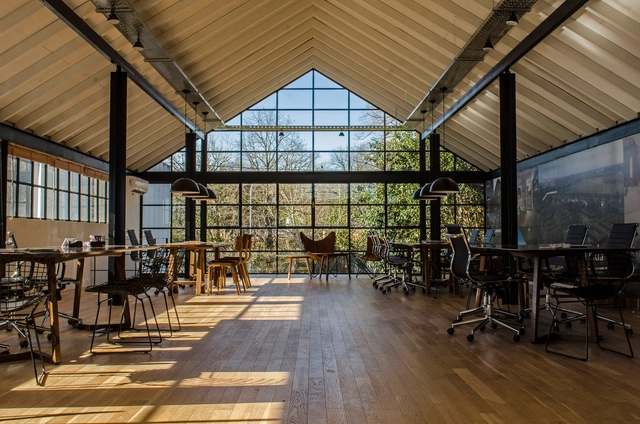
In buildings dedicated to workplace activities, proper spatial design plays a fundamental role. Considering variables such as lighting, acoustic insulation, the relationship between workstations, or ceiling heights often optimizes business performance while simultaneously ensuring user comfort. Specific requirements depend on the building's purpose: while certain activities demand greater concentration, others require interaction among team members, fostering collaborative processes. Architecture must be able to provide solutions to these requirements, even considering how these activities might evolve over time.
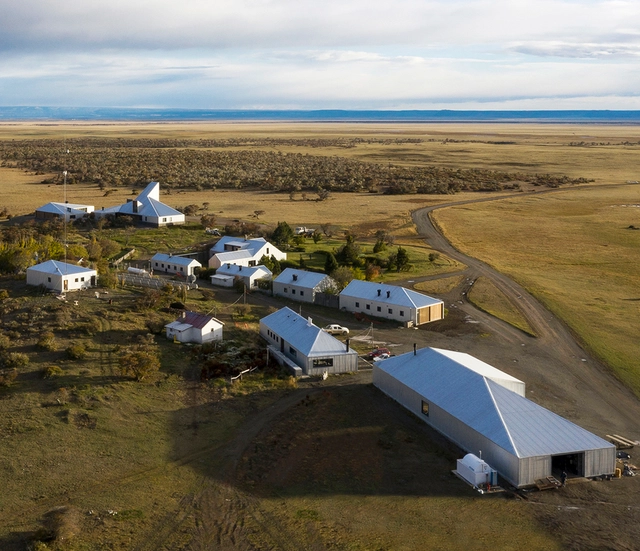
In Latin American countries, the most common method for distinguishing rural areas from urban spaces is based on analyzing the number of residents in a given zone, classifying as "rural" any locality with a population under 2,000. In these contexts, low density and scattered development typically allow the natural landscape to predominate over the built environment.

Recent years have seen a dramatic transformation in population distribution: today, more than half of the world's population now lives in cities. In parallel fashion, housing and work spaces have all increasingly embraced the communal, resembling the impulse toward public spaces in new cities.