


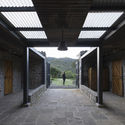

In Latin American countries, the most common method for distinguishing rural areas from urban spaces is based on analyzing the number of residents in a given zone, classifying as "rural" any locality with a population under 2,000. In these contexts, low density and scattered development typically allow the natural landscape to predominate over the built environment.
According to Argentina's latest National Census of Population, Households, and Housing—with data from 2010—the country's rural population is estimated at 3,599,764 people (out of a total population of 44.27 million), which equates to 9% of the national total. Although the number of people still living in these areas is significant, tracking demographic shifts over the last 50 years reveals a notable downward trend in the population permanently residing in rural areas.