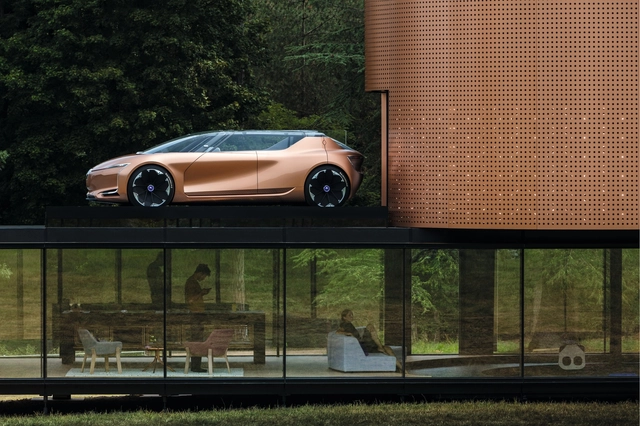
The inclusion of cars in photographs of architecture is an interesting tool that can help the viewer to understand the scale of a building. The addition of an automobile to a scene can not only help to transmit a notion of the size of the photographed elements, it can also be used to generate interesting compositional relationships to benefit the photograph as a whole. Below, we've highlighted a selection of 10 images from prominent photographers such as Rafael Gamo, Michael Sinclair and Bruno Candiotto which make effective use of this technique.
Manufacturers: Fritz Hansen, panoramah!®, Bisazza, Carl Hansen, EDRA, +8Etel, Ligne Roset, Living Divani, Magis, Micasa, PP Møbler, Paola Lenti, Secto-8
Proven to be tied to the areas of the brain responsible for emotion and memory, smells are more tied to a perception of place than any other human sense. And there are few sensations more powerful than the smell of delicious food wafting in from your own kitchen. In that regard, kitchens are the true heart of the home, the space most closely related to joyfulness, childhood, and family.
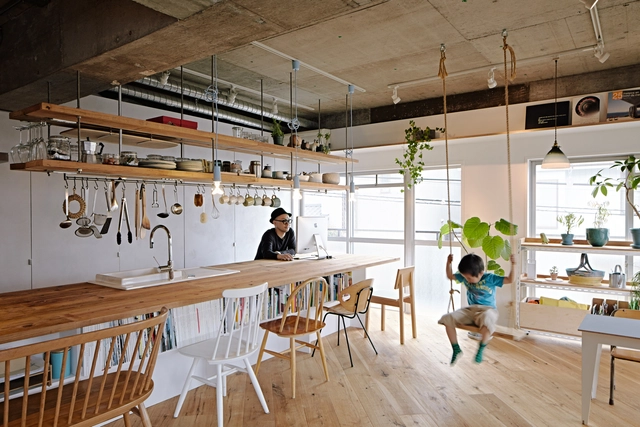
Here, we’ve rounded up some of our favorite kitchens that also double as dining rooms – spaces where you can bake your cake and eat it too. Each different in material and arrangement, these kitchens all share one thing in common: We can’t seem to shake them from our memory. Check out the list below!
It is safe to say that architects, academics, critics and even the public have been arguing about the merits of architectural style for centuries. Even during the course of my own career, the more general style categories of contemporary-vs-traditional have continued in an unabated battle. For better or worse, contemporary has generally won out as the default position for most schools and publications, probably because of the sheer visual entertainment value it offers, and the lucrative merits of its two stepchildren, branding and advertising.
I’d like to propose another position: that certain enduring principles of art, rather than any temporary style—and, remember, they are all temporary—should be our real architectural goal. This presumption means you must be agnostic when it comes to style and put aside any notion of an ideological stance regarding the right or wrong of your architectural preferences. There are those, of course, who say that to imagine that “my art” is better than yours, or even that I can define real art in the first place, is a fool’s errand.
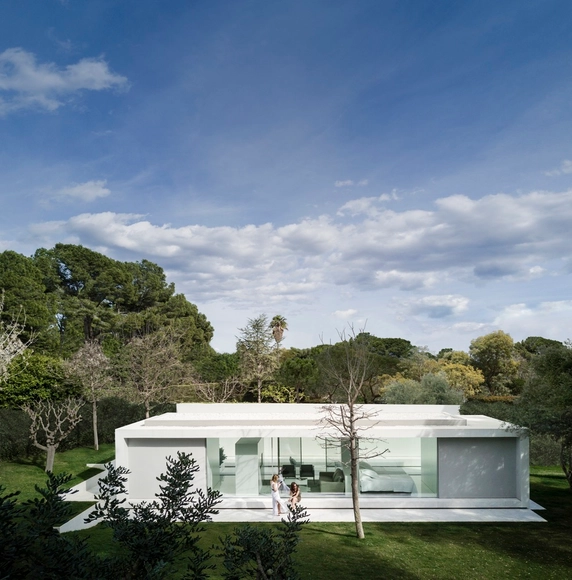
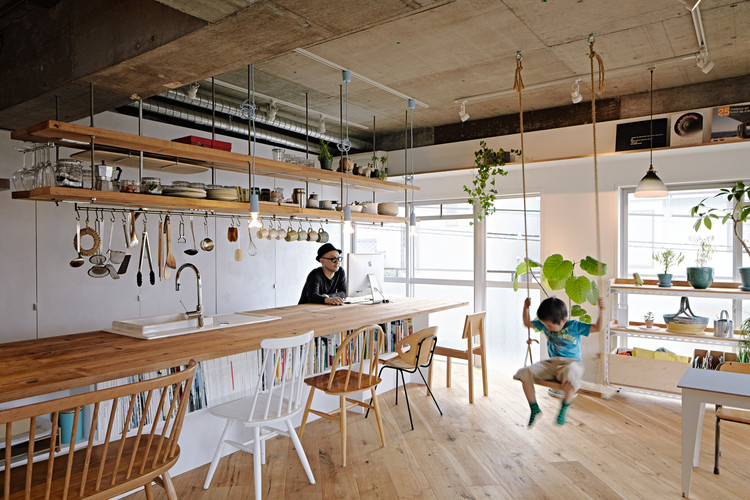
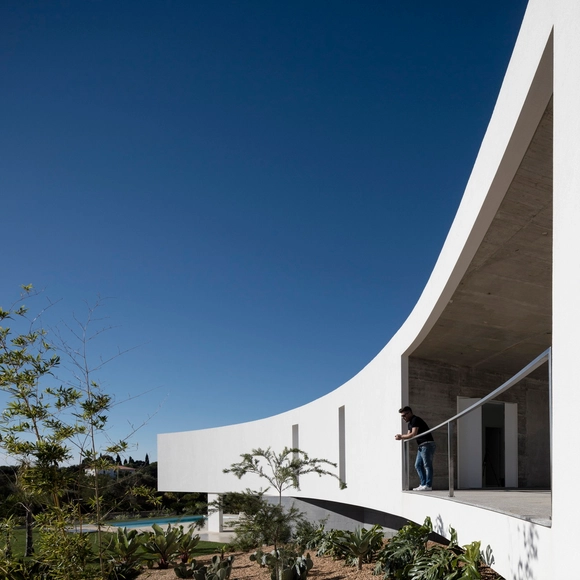
We are accustomed to seeing photographs in which architecture is recorded without any occupants, or perhaps captured only with models who give scale to the spaces shown. However, in recent years architectural photographers have increasingly decided to humanize the houses they document, presenting not only their architecture, but also those who inhabit these buildings. In this week's best photos, we present a selection of 15 houses captured by renowned photographers such as Luc Roymans, Adrien Williams and Fernando Schapochnik.
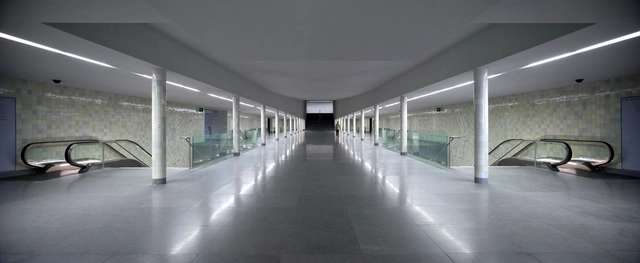
The following photo set by Fernando Guerra focuses on Porto's Subway, a project completed in 1996 and projected by the important Portuguese Architect Álvaro Siza Vieira.
Designing a subway station in Porto is about influencing the daily lives of thousands of people, where they daily circulate, establishing flows and routes, in a urbanistic and architectural intervention with large-scale dimensions. Although it demands an extremely functional and austere design, it is possible to see the gestures of the architect through the details and surprises.
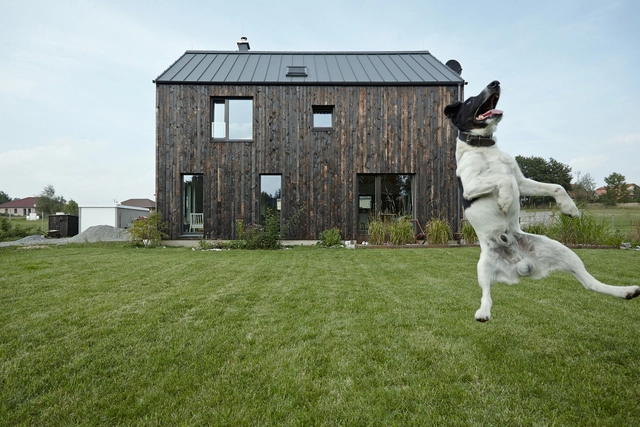
For the animal lovers among our audience, this week we have put together a special roundup of images of architecture alongside some marvelous critters. While not exactly a mainstay of architectural photography, proponents of the form like BoysPlayNice, Jesus Granada and Rafael Gamo have dared to include animal inhabitants in their architectural compositions. Read on to see a selection of 20 creative images where you will find horses, sheep, cows, goats, dogs, cats, and even elephants.
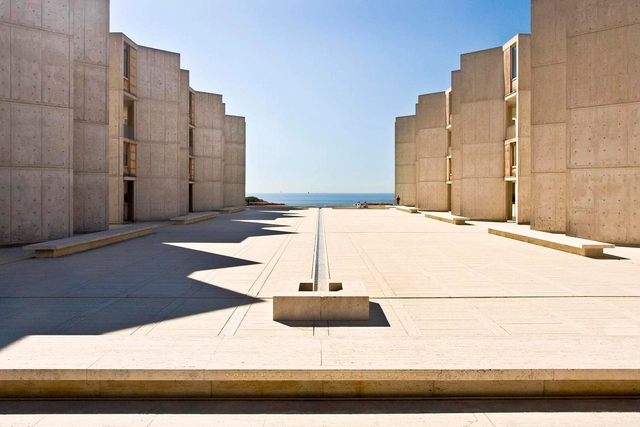
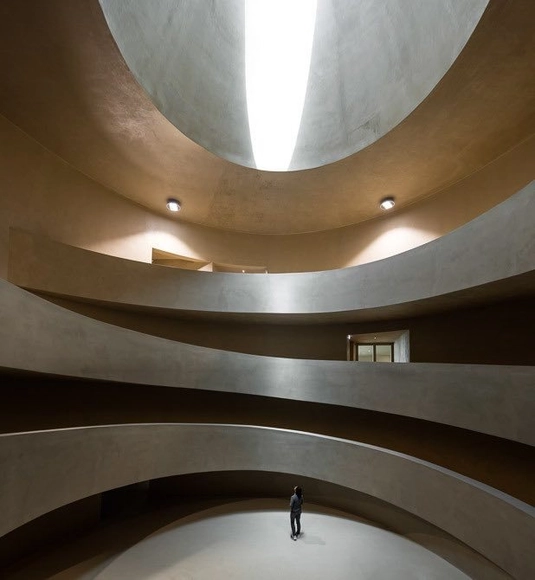
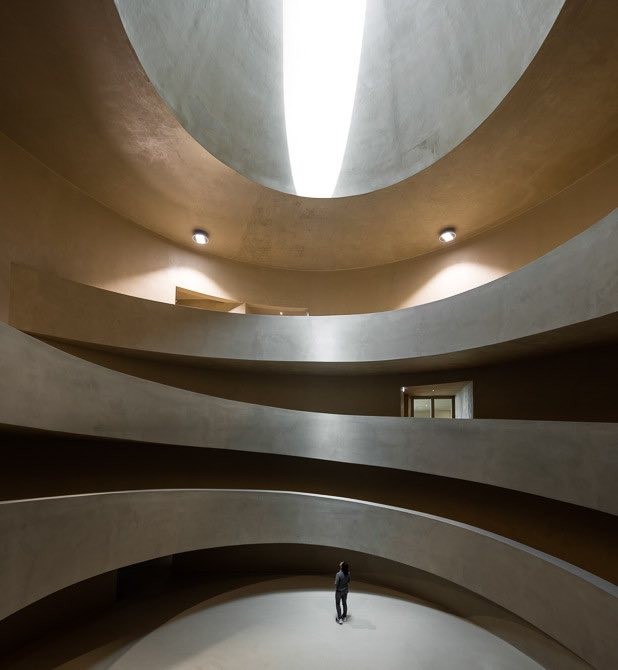
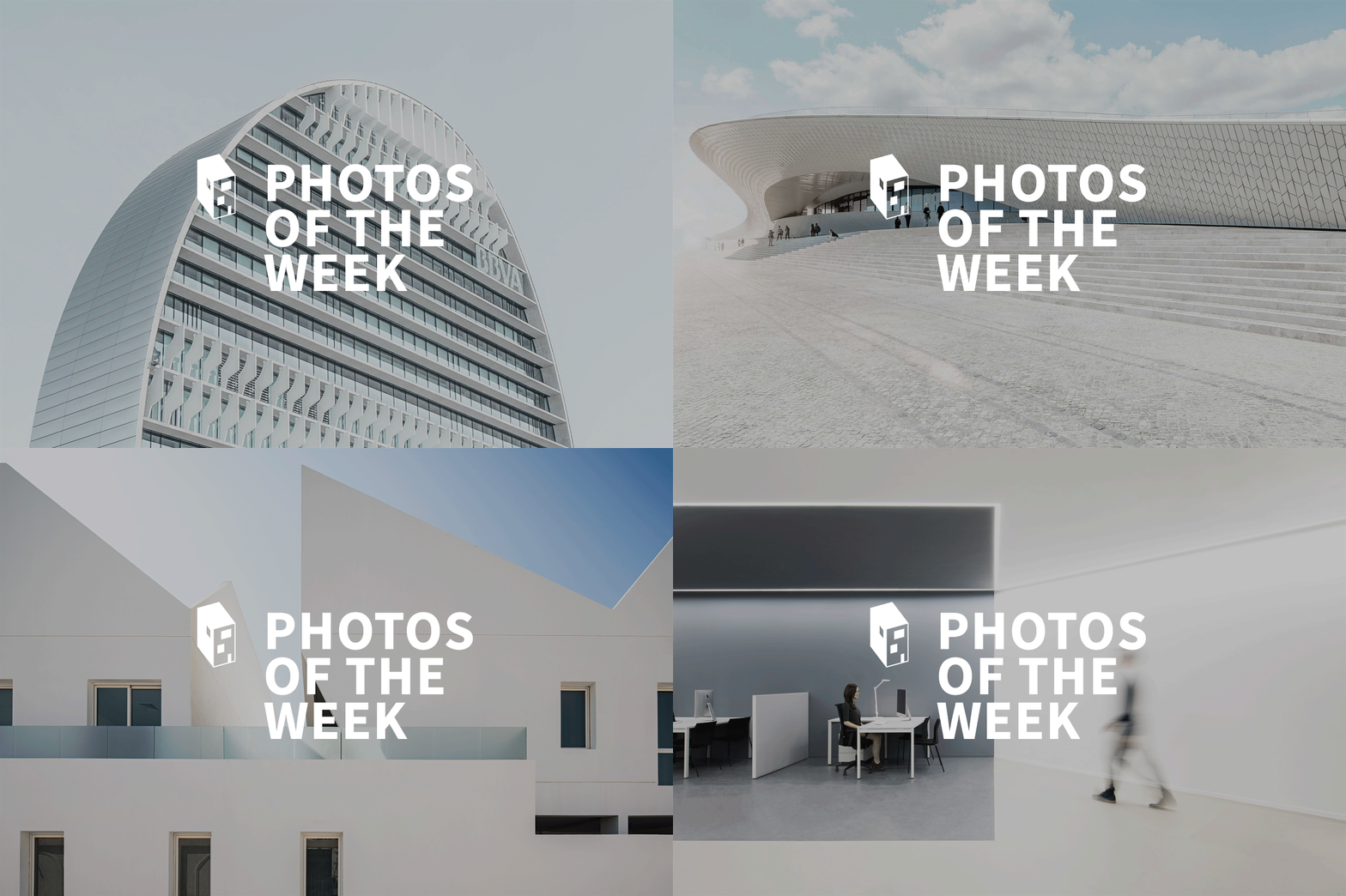
Without a doubt, it is interesting to enjoy architecture from a new perspective. Minimalist photography, characterized by clean compositions where geometry and abstraction take center stage, is one of the most popular trends when it comes to documenting architecture. In celebration of this distinctive photographic style, we have selected 14 minimalist images by prominent photographers such as Joel Filipe, Sebastian Weiss, and Nelson Garrido.
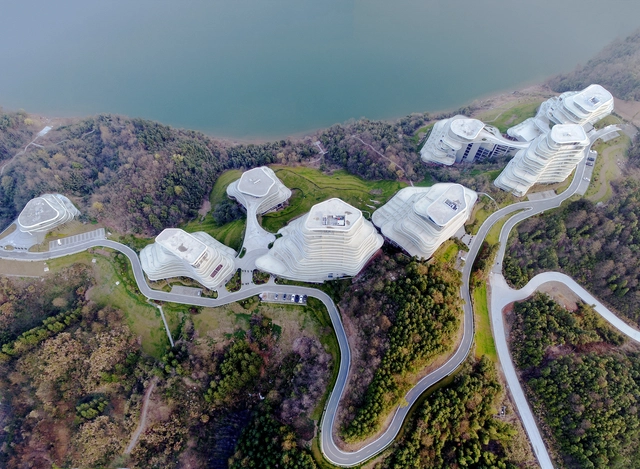
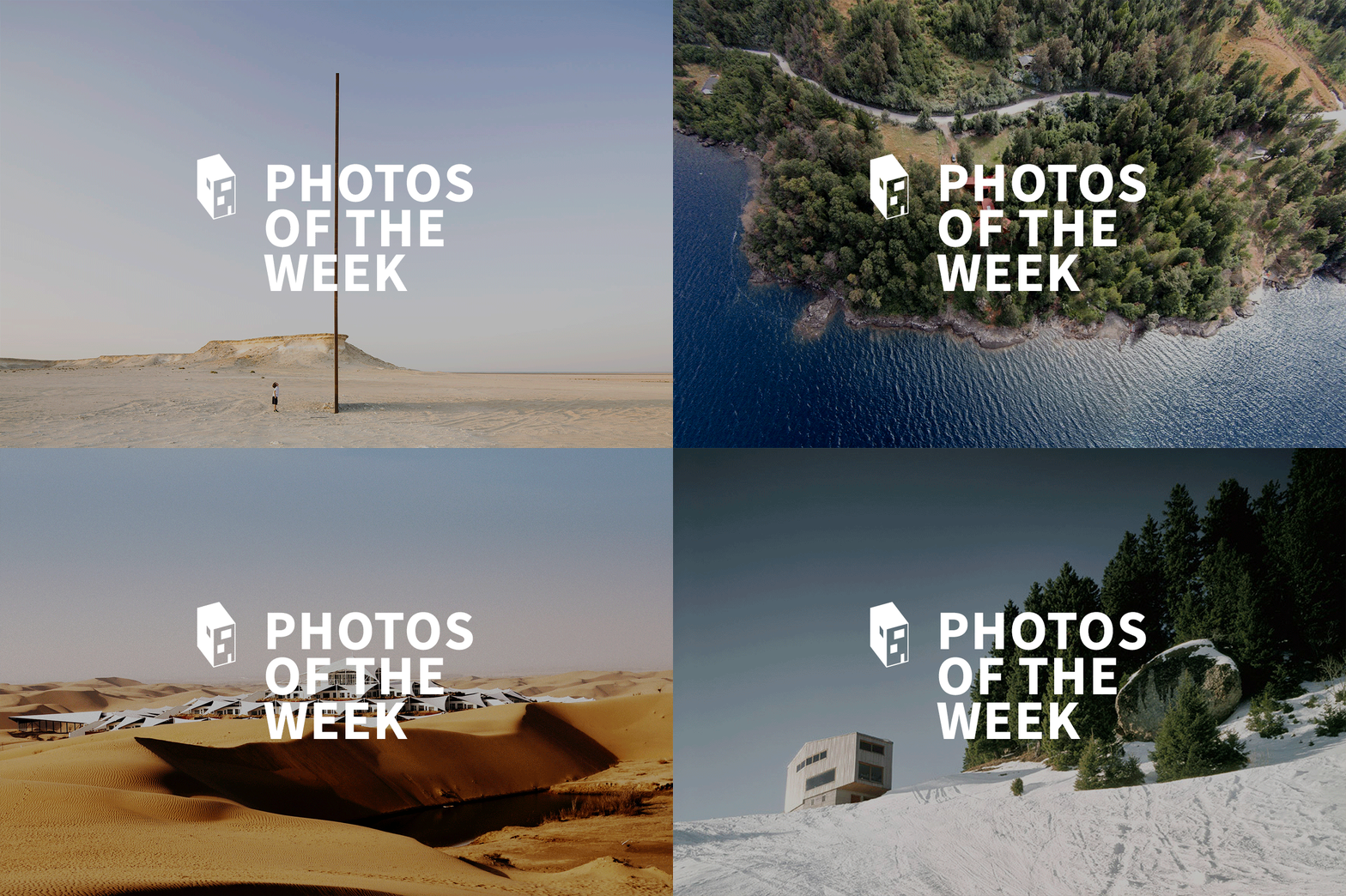
Architecture is always a reflection on how to interact with and relate to nature. Some architects show a preference for distinctive shapes and materials that contrast with the landscape, while others prefer to mimic the surroundings with organic works. But regardless of the techniques employed, architecture has reached the most remote and incredible places on the planet. Below is a selection of 16 images which show the combination of architecture and landscape by prominent photographers such as Su Shengliang, Sergio Pirrone and Valentin Jeck.
Manufacturers: Azulima, Bairro Design, Caixilharia, Cerâmicos, Climatização, +5Construtor, Iluminação, NVE Engenharias, Olimpia Splendid, Sistema motorizado da abertura da piscina-5




_(FI).jpg?1620747941&format=webp&width=640&height=580)
.jpg?1513478892&format=webp&width=230&height=230&crop=true)
.jpg?1513479386&format=webp&width=230&height=230&crop=true)
.jpg?1513479662&format=webp&width=230&height=230&crop=true)
.jpg?1513479257&format=webp&width=230&height=230&crop=true)
_(FI).jpg?1620747941)
.jpg?1512605302&format=webp&width=640&height=580)
.jpg?1512604884&format=webp&width=230&height=230&crop=true)
.jpg?1512604506&format=webp&width=230&height=230&crop=true)
.jpg?1512605013&format=webp&width=230&height=230&crop=true)
.jpg?1512604434&format=webp&width=230&height=230&crop=true)
.jpg?1512605302)