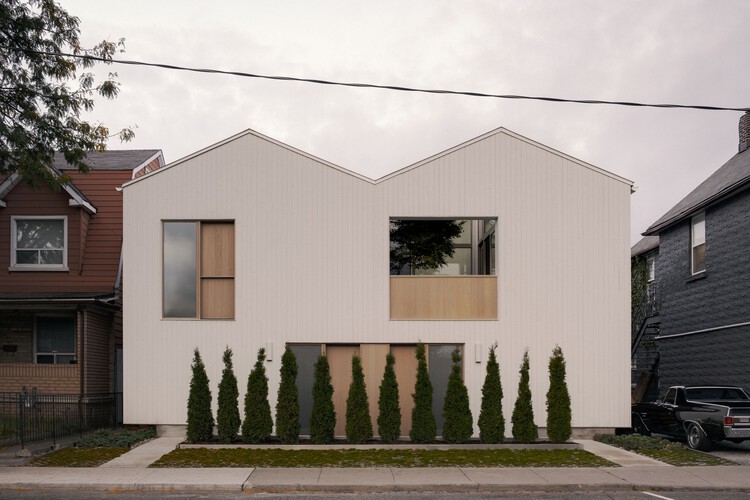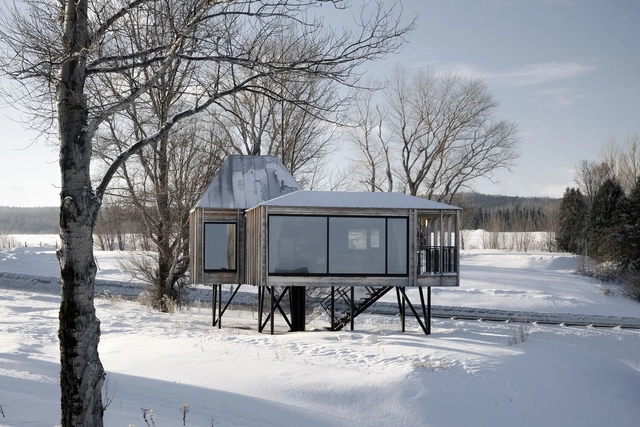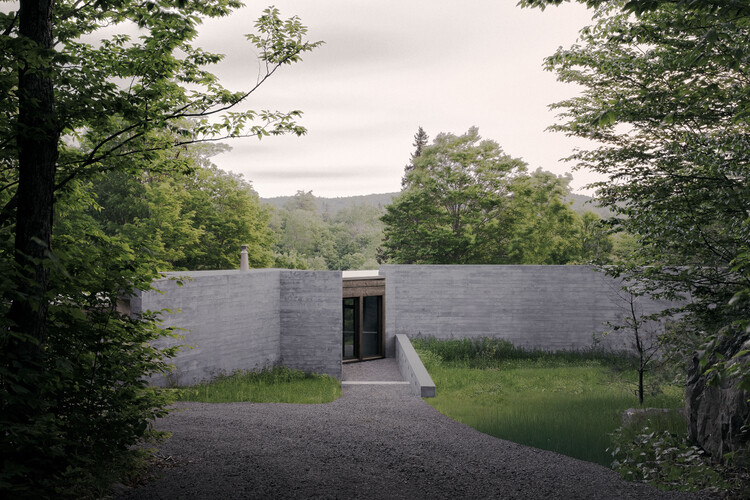
-
Architects: Atelier Carle
- Area: 2300 ft²
- Year: 2025
-
Manufacturers: Shalwin, Xavier Collection

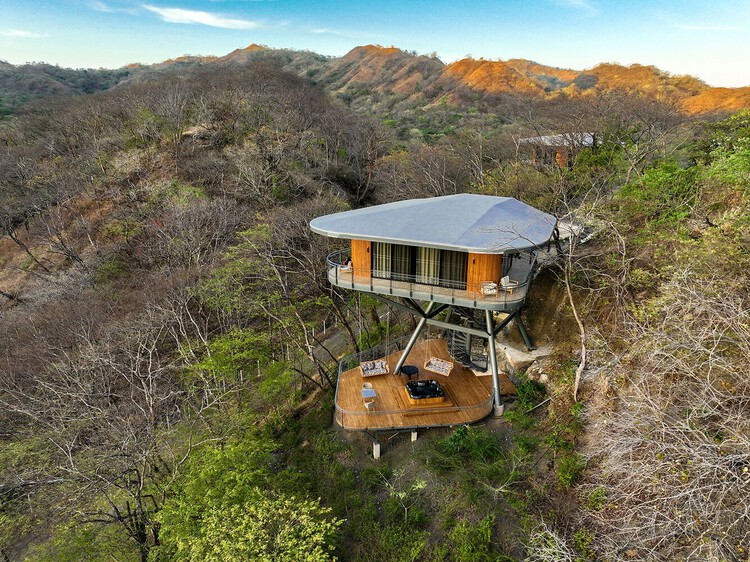
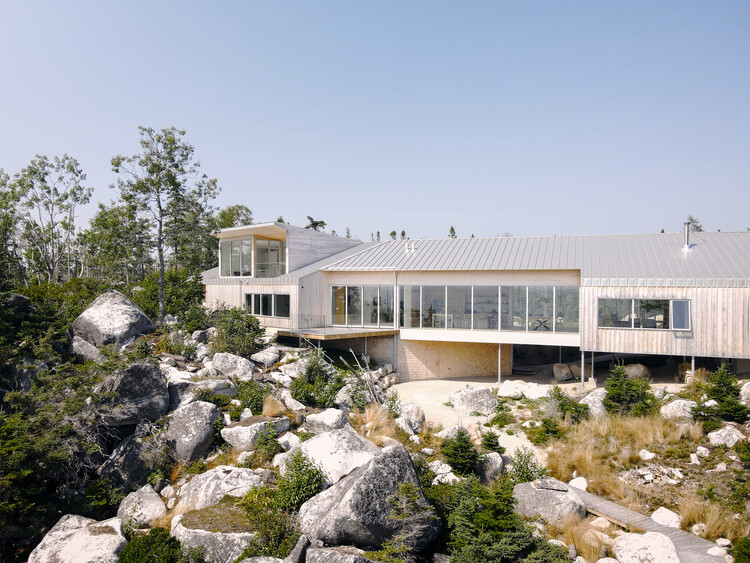
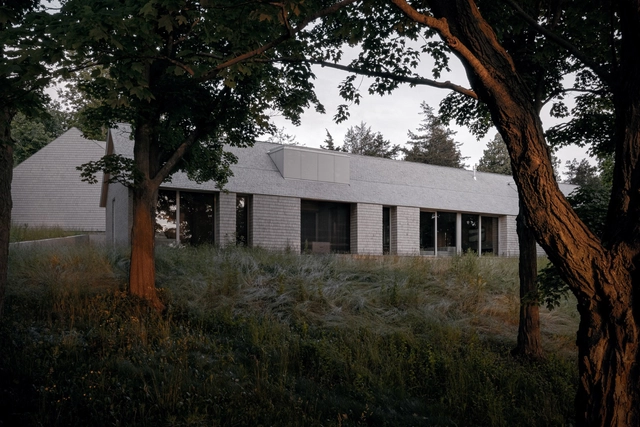
The relationship between constraint and design excellence is well established in architectural theory, yet often remains underexplored in discussions of site-specific practices. When architects encounter extreme topography, they face a fundamental choice: transform the landscape to accommodate the building, or modify the building to fit the landscape. The first approach is straightforward and requires the builder to cut, fill, terrace, and build on level ground. This choice, however, carries cascading consequences as any amount of earth moved may destabilize slopes, disrupt drainage, and fracture ecosystems. A growing body of innovative architectural work demonstrates an alternative to earth-moving and retaining walls.

Every city contains two transportation systems. One is the visible network of roads, rail lines, sidewalks, and bus routes mapped in planning documents. The other is the invisible geography of privilege and exclusion embedded within it: the neighborhoods that received highways instead of parks, the communities whose bus routes were cut, the sidewalks that abruptly end at the edge of a district. For many years, built-environment professionals have treated infrastructure as a technical challenge. Mobility justice insists it is, fundamentally, a political one.


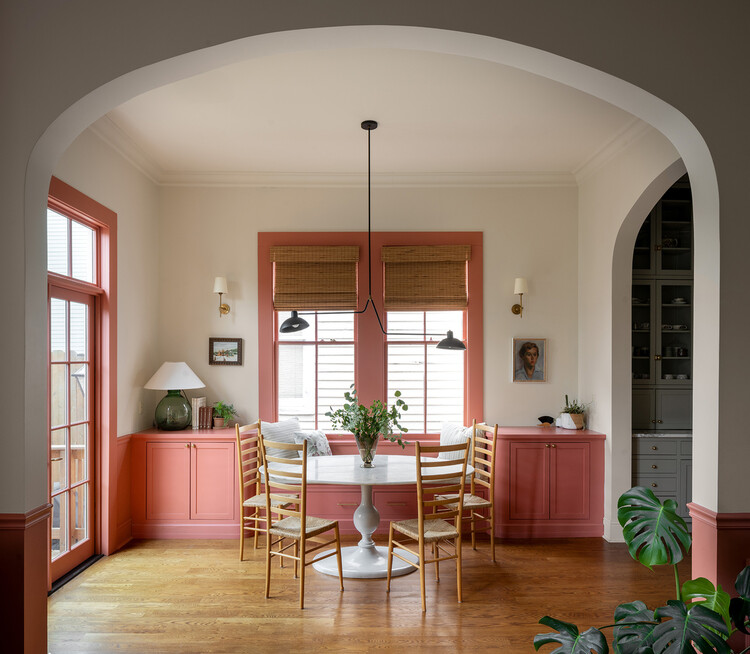
Breakfast nooks emerged in the early twentieth century in response to increasing domestic density and shifting ideas about everyday life. Rooted in the American Arts and Crafts movement and popularized through bungalow housing of the 1910s and 1920s, they evolved from the more formal Victorian breakfast room into compact, built-in spaces embedded within the kitchen. As houses grew smaller and more economical, architects and millwork companies used fixed benches and tables to occupy corners, alcoves, and bay windows that might otherwise be inefficient. These light-filled enclosures provided an affordable means of concentrating daily activities while preserving comfort and spatial clarity.

We walk on "flat" ground every day and rarely think twice—but how flat is it, really? In the city, curbs are chamfered, sidewalks pitch toward grates, and roadways are crowned to shed water into shallow gutters. In suburbs and on unpaved paths, irregular terrain is the norm. Inside buildings, by contrast, we pursue near-perfect horizontality—structural frames, slabs, and finishes are all disciplined to create level walking surfaces in the name of safety and accessibility. Yet flatness is inherently at odds with water. A closer look reveals a quiet repertoire of accommodations: slight falls at entries, thresholds raised a few millimeters, wet areas with barely perceptible pitches. The floor is read as flat, but it is in fact carefully tuned—micro-topographies masquerading as plane—to manage water without calling attention to themselves.
What are the common ways architects "keep things flat" while actually managing water—the perennial enemy of buildings? A useful way to look at it is by zooming into three recurring conditions: exterior or roof decking, bathrooms and other wet rooms, and exterior ground planes. Each relies on a slightly different toolkit—pedestal systems over sloped waterproofing, micro-gradients to floor traps, hidden perimeter drains, split slopes—to maintain the illusion of a seamless, level surface. Studying these situations side by side reveals just how much design effort goes into reconciling perceptual flatness with the messy reality.

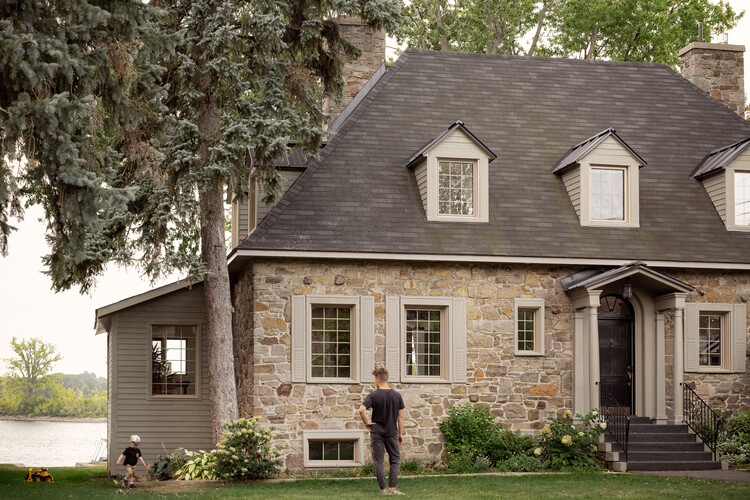
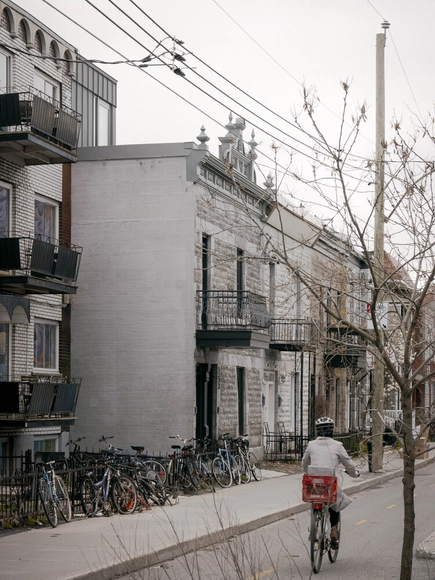
Montreal, the second largest city in Canada is home to a wide array of heritage residential architecture, most of it dating to the 19th and early 20th-century. These are particularly abundant in some of its central neighborhoods like the Plateau Mont-Royal. Interestingly, their preservation is not accidental; it is the result of decades of advocacy by influential figures who recognized the value of the city's built environment, such as Phyllis Lambert and Blanche Lemco Van Ginkel. Efforts like theirs were instrumental in landmark preservation battles that helped to ensure current municipal support. Today, the city has implemented a set of comprehensive heritage protection laws designed to safeguard the integrity of the city's historic neighborhoods.
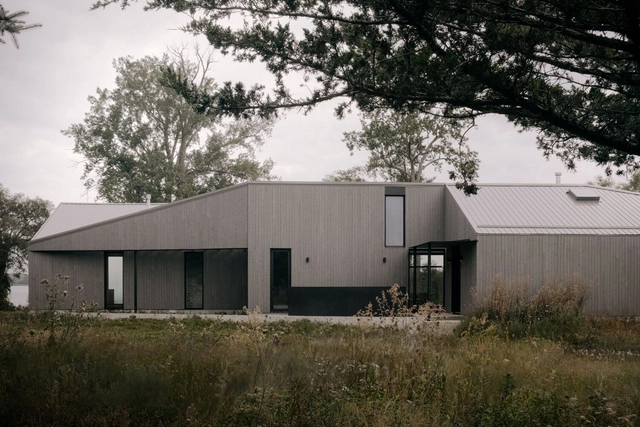
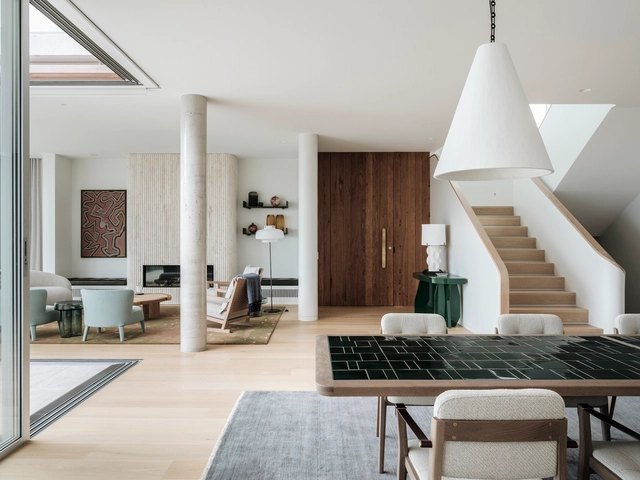
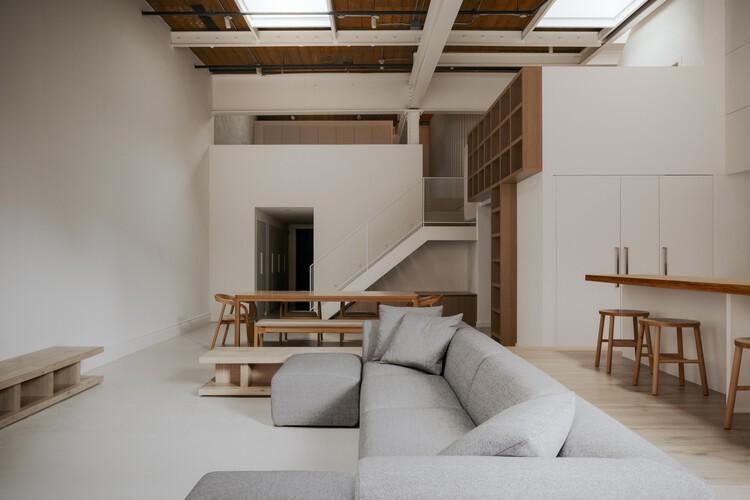
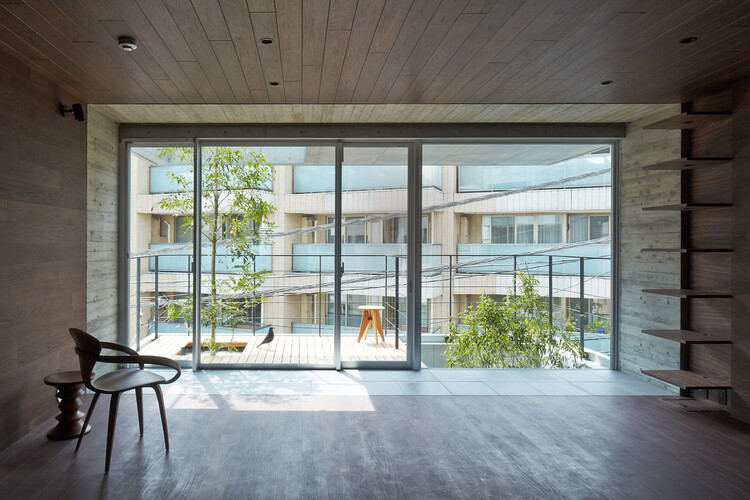
When it comes to forward-thinking interior design, adaptability, and timelessness are two key factors that can guarantee a home will look just as current years from now as it does today. One interior style that makes use of them more than any other is: contemporary. By borrowing elements from several prominent styles and combining them into a harmonic whole, contemporary interiors stay current even as trends move on. But what are the components that remain constant even with this ever-changing fashion? We explore seven evergreen design elements that define contemporary interiors.