Esteban Cadena

BROWSE ALL FROM THIS PHOTOGRAPHER HERE
↓

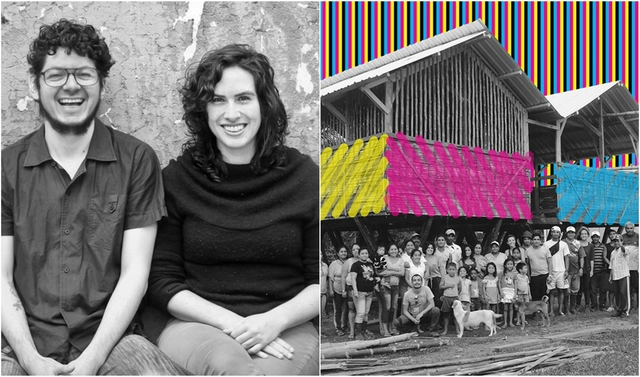
Al Borde: 'Participatory design is more about human connections than economic issues'

Subscriber Access | 

Al Borde: 'Participatory design is more about human connections than economic issues' - More Images+ 6

The 2018 International Housing Finance Summit, organized by INFONAVIT, brought together experts from various disciplines to discuss the future of cities and the lessons learned to date. Held on May 2 and 3 at the Camino Real Polanco, the event hosted prominent figures who examined urban transformation processes to evaluate models that could guide us toward an integrated urban plan.

The event featured the participation of Al Borde, a firm that has materialized its ideas across various Latin American countries, earning numerous awards and accolades. In 2016, they served on the nominating committee for the Mies Crown Hall Americas Prize (MCHAP) and were part of the official selection at the Venice Biennale, which was themed 'Reporting from the Front.' Currently, they are among the winners of the "Young Architects in Latin America" competition, a collateral event of the 16th International Architecture Exhibition at the Venice Biennale.

Legacy in Matter: Material Traditions in South American Architecture

Audio available

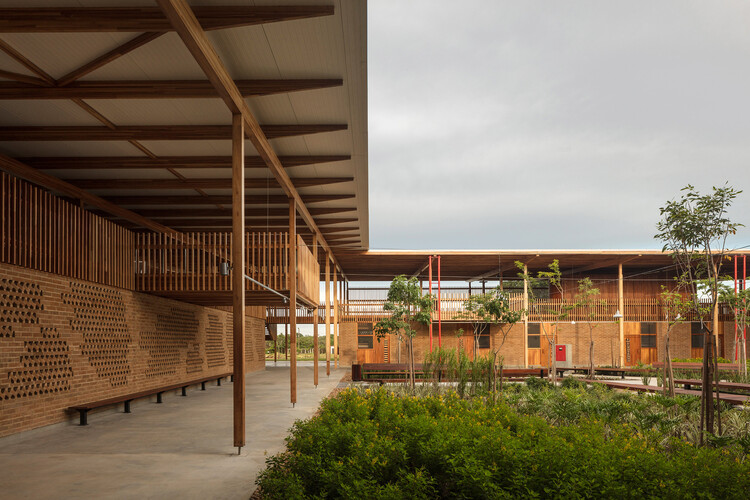
Across South America, architecture endures through the materials it uses, those that persist over time. Bamboo, brick, wood, and concrete appear across regions, connecting climate, labor, and culture in ways that ensure their persistence through generations. Their continuity does not depend solely on preservation or heritage. It depends on use.

In this context, cultural memory does not reside primarily in monuments or images, but in practice. It survives in repeated gestures: laying bricks, tying guadua joints, assembling wood frames, casting slabs that anticipate another floor. These actions are transmitted less through manuals than through participation. Over time, they form systems of knowledge embedded in habit and necessity. Materials endure not because they symbolize the past, but because they continue to work.

Legacy in Matter: Material Traditions in South American Architecture - More Images+ 12

Crossing Hemispheres: Thatched Roofs from America to Asia

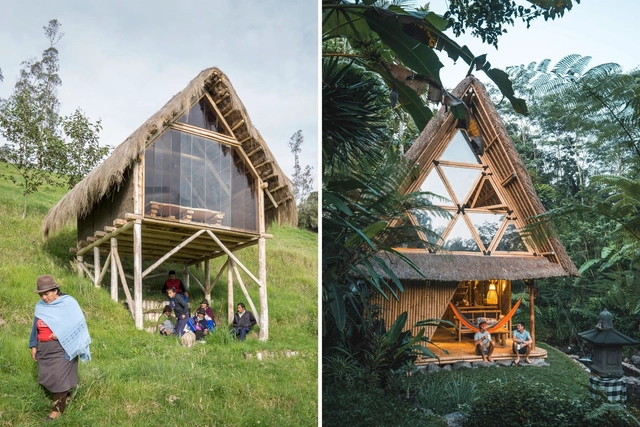
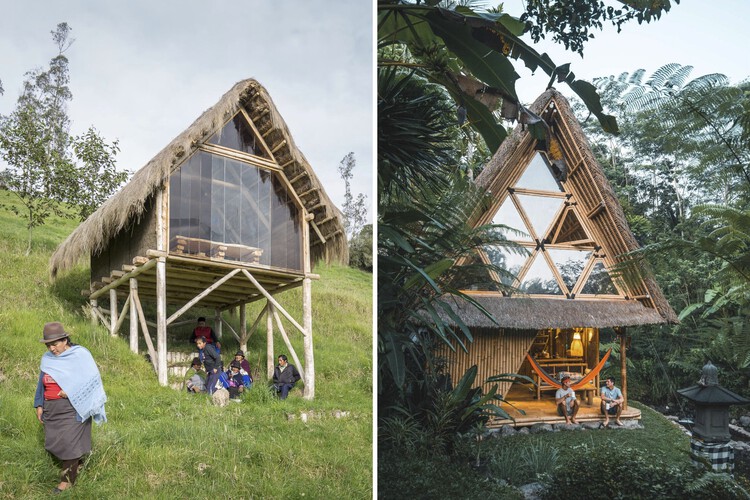
Thatching is a traditional building technique that has been reinterpreted in different ways in contemporary projects, allowing its value to continue to endure over time. As well as being a culturally and historically valuable technique, given its presence in humanity for centuries, it also has a number of other constructive advantages, such as its great environmental value, as it is an accessible renewable material.

The technique consists of grouping, intertwining, and overlapping dry vegetation, creating light surfaces with excellent thermal and sound insulation and which are cheap and relatively simple to build. In addition, flexibility is one of the technique's most prominent features, and it is particularly popular in roofing applications. 

Crossing Hemispheres: Thatched Roofs from America to Asia - More Images+ 16

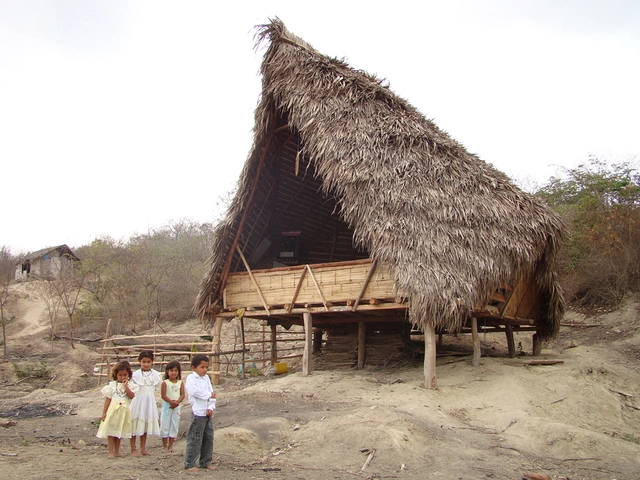
Nueva Esperanza School / al bordE

Nueva Esperanza School / al bordE - More Images+ 42