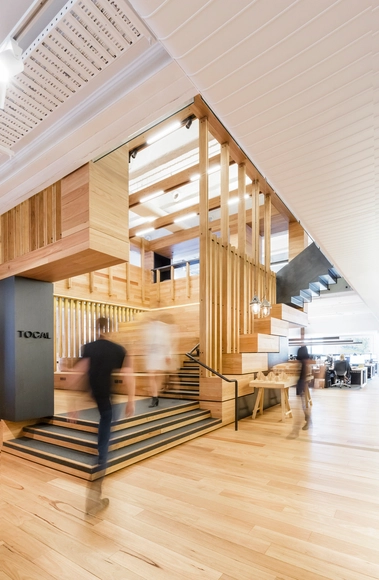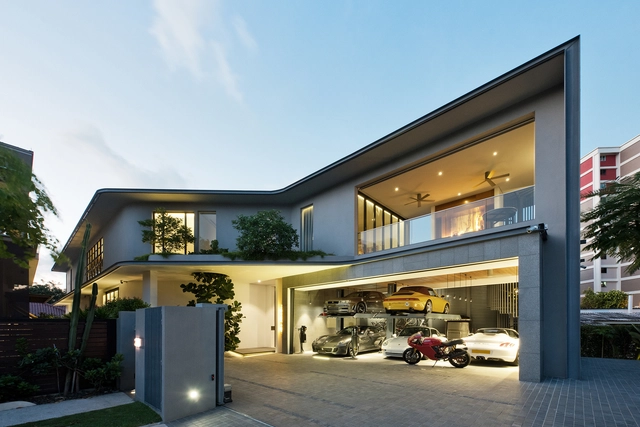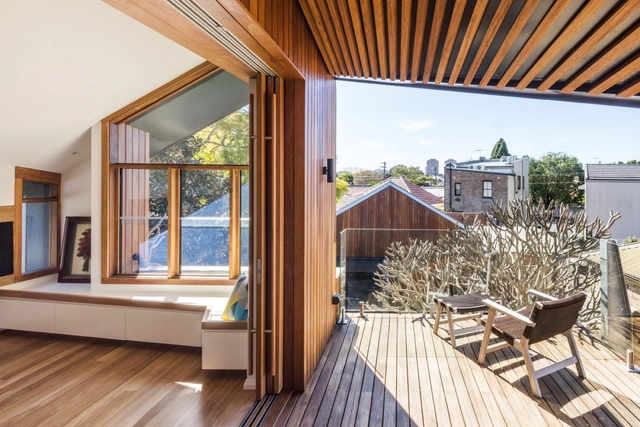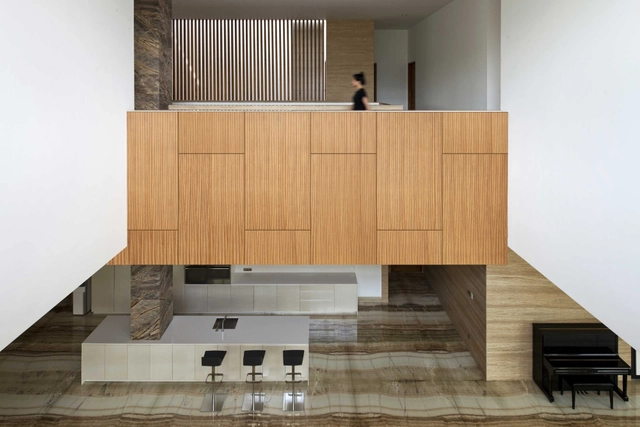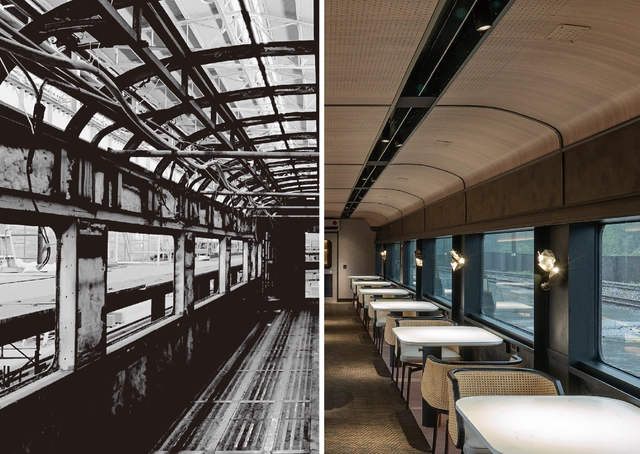
Faced with the combined forces of population growth, economic prosperity, and urban expansion, cities are witnessing a significant rise in the movement of people and goods—mirroring the evolution of diverse mobility systems within urban environments. As technologies advance and modes of transport evolve, the adaptive reuse of train carriages, airplane cabins, and other service infrastructures reveals opportunities to explore their creative potential. Materials, technologies, and design tools converge around a shared goal: refurbishing and repurposing disused structures to give them new life.












_David_Yeow.jpg?1541989495&format=webp&width=640&height=580)
_David_Yeow.jpg?1541989531&format=webp&width=230&height=230&crop=true)
_David_Yeow.jpg?1541989588&format=webp&width=230&height=230&crop=true)
_David_Yeow.jpg?1541989612&format=webp&width=230&height=230&crop=true)
_David_Yeow.jpg?1541989888&format=webp&width=230&height=230&crop=true)
_David_Yeow.jpg?1541989495)


_David_Yeow.jpg?1535492222&format=webp&width=640&height=580)
_David_Yeow.jpg?1535492547&format=webp&width=230&height=230&crop=true)
_David_Yeow.jpg?1535492367&format=webp&width=230&height=230&crop=true)
_David_Yeow.jpg?1535492493&format=webp&width=230&height=230&crop=true)
_David_Yeow.jpg?1535492349&format=webp&width=230&height=230&crop=true)
_David_Yeow.jpg?1535492222)