Ben Guthrie

BROWSE ALL FROM THIS PHOTOGRAPHER HERE

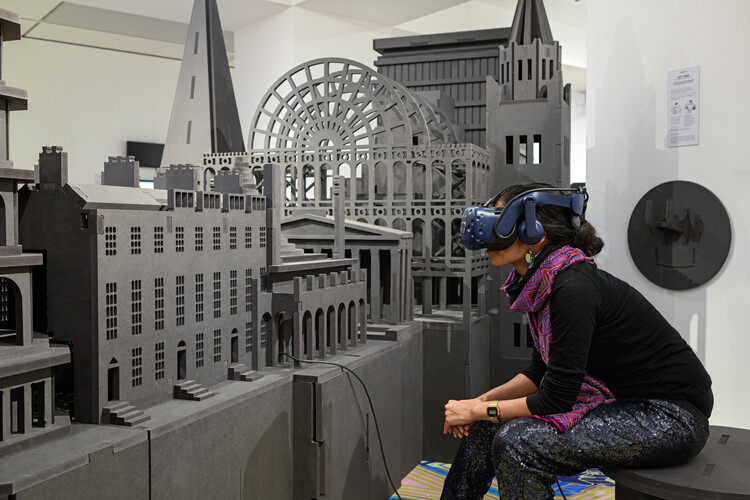
Error 404: Architectural Memory in the Age of Algorithms

Audio available

Before the digital turn, architecture's memory was largely tangible. It lived in the weight of drawings, the patina of models, and the thickness of books. To preserve architecture meant to preserve its traces, the documents, sketches, and photographs through which buildings could be remembered long after their material form had changed or disappeared. The modern architectural archive, as it developed in the 20th century, was both a refuge and a device of legitimacy. Institutions such as the Canadian Centre for Architecture, Casa da Arquitectura, or the Deutsches Architekturmuseum were built upon the conviction that to preserve architecture was to preserve its documents.

However, these archives didn't merely store knowledge. They determined what counted as architecture, who belonged to its canon, and how history would be told. To archive is to edit the past — to decide what enters, what is omitted, and how it will be interpreted. The archive, as theorised by Michel Foucault and later by Jacques Derrida, is never neutral; it is an instrument of power, a space that selects and excludes. In architecture, these dynamics are especially evident as they record the visible while silencing what falls outside their categories. The act of collecting has always been, implicitly, an act of judgment.

Error 404: Architectural Memory in the Age of Algorithms - More Images+ 15

Behind the Scenes, On Display: Self-Curated Journeys through the Museum Archive

The museum and gallery visit has long been a highly curated experience. Visitors are guided through a carefully orchestrated sequence of rooms, with hand-picked works arranged to tell a specific narrative, supported by signage, graphics, scenography, and calibrated lighting. Even the rarely changed exhibitions - the permanent collections, also typically rely on a strong curatorial voice— led by noted artists or curators—to set institutional stance and shape interpretation.

At the same time, storage areas for museums and galleries are typically kept separately—often within the same building but under tightly controlled access, and not infrequently off-site in dedicated facilities, such as the Louvre Conservation Centre. These zones have long been understood as highly controlled spaces not only in terms of access, but also in relation to climate, humidity, archival order, handling protocols, maintenance, and repair. For fear of thefts and that the spatial, environmental, and sequencing requirements of the archive could be disturbed, storage has traditionally been somewhat secretive and primarily serves academic researchers and art practitioners by request. Rarely does the general public gain a comprehensive picture of the works safeguarded by any given institution.
Behind the Scenes, On Display: Self-Curated Journeys through the Museum Archive - More Images+ 27

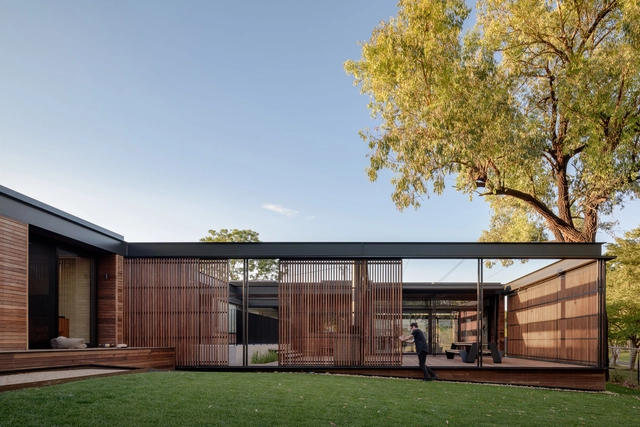
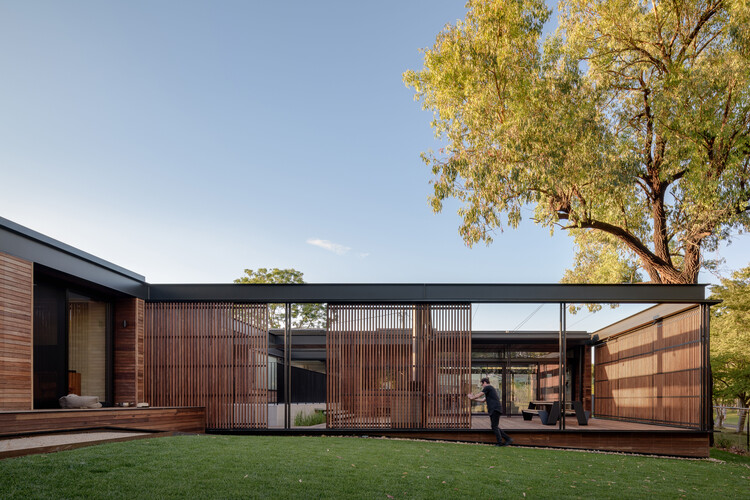
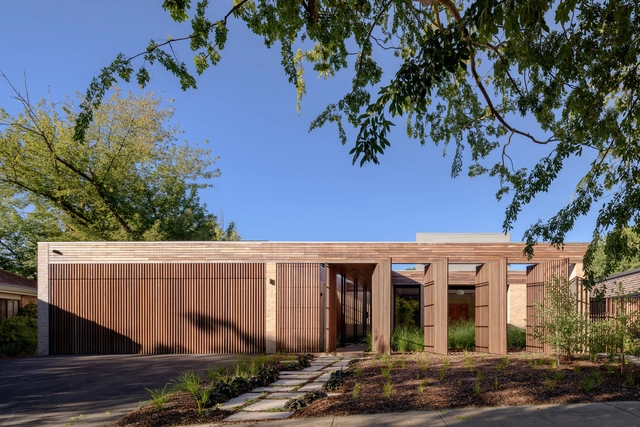
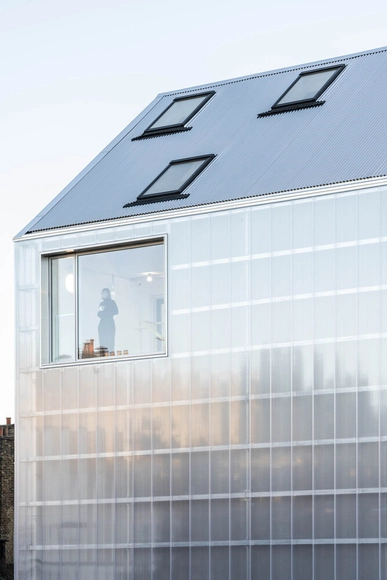
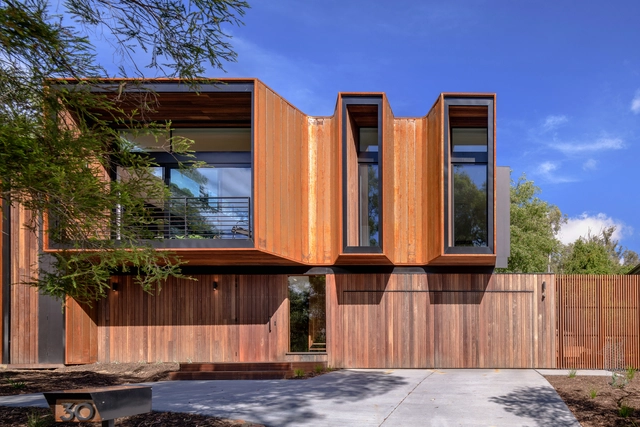
Batten House / Ben Walker Architects

Batten House / Ben Walker Architects - More Images+ 28

Curtin, Australia
  • Area Area of this architecture project Area:  303
  • Year Completion year of this architecture project Year:  2024

Hackett Gardens House / Ben Walker Architects

Hackett Gardens House / Ben Walker Architects - More Images+ 38

Ecological, Lightweight, and Slender: Energy-Efficient Architecture with Translucent Polycarbonate

 | Sponsored Content

In the contemporary context, global warming has marked a turning point in the way we think about architecture. We are witnessing record temperatures on our planet and a challenging panorama in many large cities, characterized by heatwaves and, in some cases, more severe winters. These circumstances have triggered a cycle in which the demand for heating and cooling systems increases, which, in turn, translates into higher energy and operating costs for buildings.

Given this situation, it becomes imperative to design energy-efficient buildings to reduce both the environmental impact and the associated costs. One of the strategies to achieve this is to properly plan the facade, which, serving a function similar to the building's skin, can help reduce the energy required for heating and cooling. In this context, the polycarbonate panels developed by Rodeca contribute to the energy efficiency of buildings, in addition to their lightweight, slender construction, and translucent aesthetics.

Hillside Homes: How to Dig In for the Long Term

Subscriber Access | 

Ever since humans started building (about 10,000 years ago), settlers looking for sites to build new villages or homesteads have kept a simple list of criteria: access to water, proximity to arable land, and, ideally, as flat as possible. Modern development sites instead look for industry and transport links rather than water and farmland, but a level site is still the preferred option.

Whether you cut and fill into the landscape by digging in a retaining wall, or balance the structure above the hillside on stilt supports, building on sloping ground always adds time, cost, and difficulty to the project. With immense views and extra space both inside and out, however, the results can be worth the extra effort.

The Seed House / fitzpatrick+partners

The Seed House / fitzpatrick+partners - More Images+ 28

Castlecrag, Australia

Daramu House / Tzannes

Daramu House / Tzannes - More Images+ 11

SL House / Ben Walker Architects

SL House / Ben Walker Architects - More Images+ 27

  • Area Area of this architecture project Area:  298
  • Year Completion year of this architecture project Year:  2020

Lumina Apartments / DKO

Lumina Apartments  / DKO - More Images+ 41

  • Architects: DKO
  • Area Area of this architecture project Area:  15000
  • Year Completion year of this architecture project Year:  2020
  • Manufacturers Brands with products used in this architecture project
    Manufacturers:  Austral Bricks

Narrabundah House / Ben Walker Architects

Narrabundah House / Ben Walker Architects - More Images+ 33

Narrabundah, Australia
  • Area Area of this architecture project Area:  440
  • Year Completion year of this architecture project Year:  2020
  • Manufacturers Brands with products used in this architecture project
    Manufacturers:  Studio Italia Design - Lodes
  • Professionals: ANH Consulting

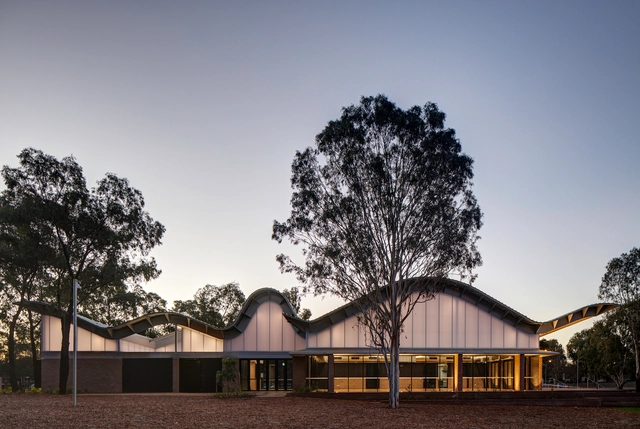
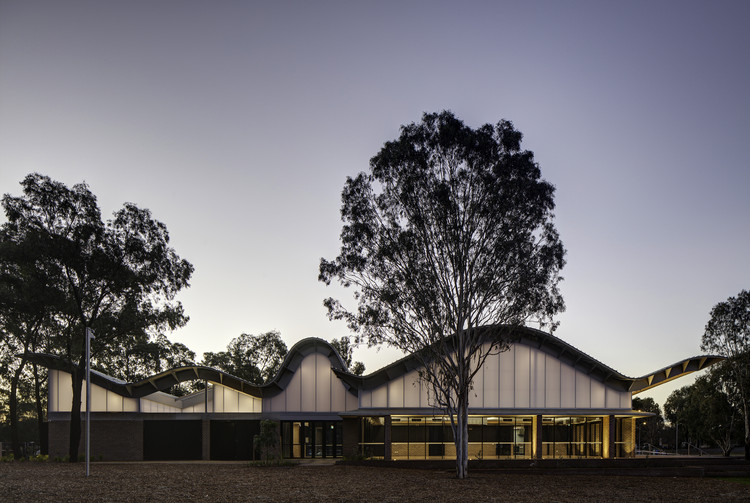
Woodcroft Neighbourhood Centre / Carter Williamson Architects

Woodcroft Neighbourhood Centre  / Carter Williamson Architects - More Images+ 28

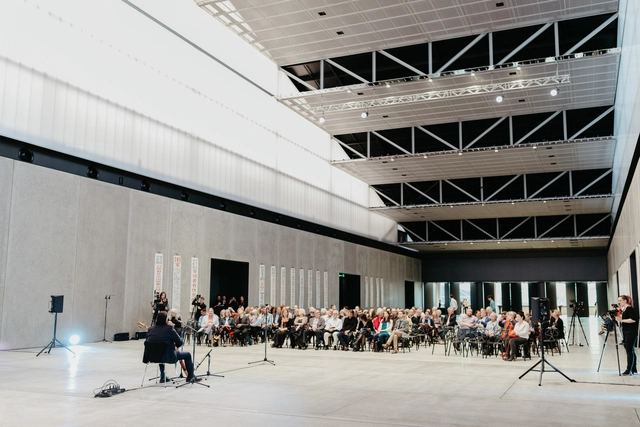
Dangrove Art Space / Tzannes

Dangrove Art Space / Tzannes - More Images+ 27

Alexandria, Australia
  • Architects: Tzannes
  • Area Area of this architecture project Area:  10000
  • Year Completion year of this architecture project Year:  2018
  • Manufacturers Brands with products used in this architecture project
    Manufacturers:  RODECA GMBH

Seaforth House / MASQ architecture

Seaforth House / MASQ architecture - More Images+ 20

Seaforth, Australia
  • Architects: MASQ architecture
  • Area Area of this architecture project Area:  340
  • Year Completion year of this architecture project Year:  2017
  • Manufacturers Brands with products used in this architecture project
    Manufacturers:  James Hardie Australia, Alabaster, Architec Smooth, Austral Bricks, Colorbond, +8

Alec Tzannes Awarded the Gold Medal, Australian Institute of Architects' Highest Honor

The Australian Institute of ArchitectsGold Medal recognizes exemplary work by architects who have designed buildings of high value and great distinction, resulting in the advancement of the architecture profession.

This year, Jury Chair Richard Kirk presented Australian practitioner and Emeritus professor Alec Tzannes with the ceremony’s highest honor.

Alec Tzannes Awarded the Gold Medal, Australian Institute of Architects' Highest Honor - More Images+ 11

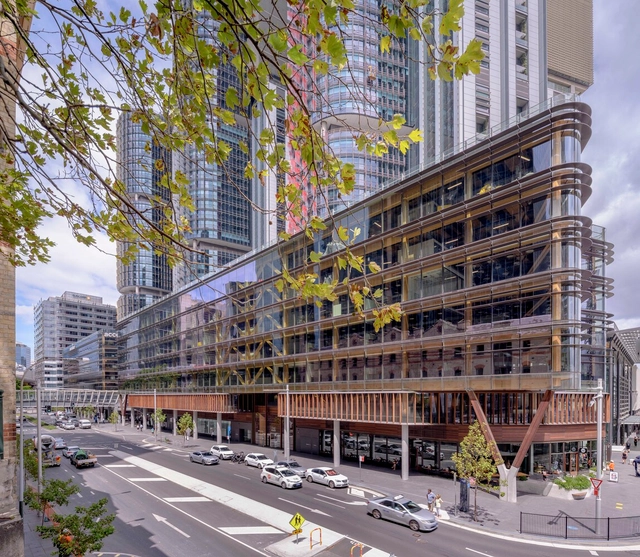
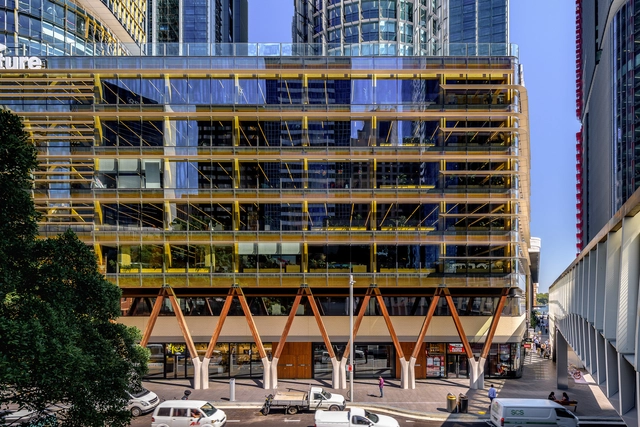
International House / TZANNES

International House  / TZANNES - Office Buildings, Facade, Cityscape
© Ben Guthrie

International House  / TZANNES - More Images+ 22

  • Architects: TZANNES
  • Area Area of this architecture project Area:  7920
  • Year Completion year of this architecture project Year:  2017
  • Manufacturers Brands with products used in this architecture project
    Manufacturers:  HASSLACHER NORICA TIMBER, HESS TIMBER, Stora Enso, Austral Bricks, Australian Architectural Hardwoods, +2

Australian Institute of Architects Announces 2014 NSW Awards

Australian Institute of Architects Announces 2014 NSW Awards - Featured Image
One Central Park / PTW Architects + Atelier Jean Nouvel. Image © Simon Wood

The Australian Institute of Architects announced its 2014 NSW Architecture Awards in a ceremony held in Sydney last night. Among the 42 Awards and 18 Commendations given out, perhaps the biggest winner was Neeson Murcutt Architects, whose Prince Alfred Park + Pool Upgrade won the Sulman Medal for Public Architecture, the Lloyd Rees Award for Urban Architecture, and was a joint winner of the City of Sydney Lord Mayor's Prize.

In awarding the scheme by Neeson Murcutt Architects, the jury noted that it was "a rare synthesis of art and landscape, urban design and architecture" making the experience "a delight in every detail."

See the full list of 69 Awards, Prizes and Commendations after the break

Australian Institute of Architects Announces 2014 NSW Awards - More Images+ 59