Antoine Mercusot

BROWSE ALL FROM THIS PHOTOGRAPHER HERE

How Passive Design Strategies Shape Thermal Performance

 | In Collaboration

Can architecture shape comfort before mechanical systems enter the equation? As buildings account for nearly 40% of global energy consumption and people spend close to 90% of their time indoors, thermal performance has become one of architecture's most urgent concerns. Yet despite often being associated with insulation values, energy ratings, or mechanical systems, thermal performance begins with spatial decisions made long before technical equipment is introduced. Orientation, airflow, daylight, and the placement of openings all influence how a building absorbs, retains, and releases heat throughout the day.

Thermal performance is not only about reducing energy demand but also about maintaining comfortable indoor conditions in response to climate. Closely tied to thermal comfort—the way occupants experience temperature, airflow, humidity, and radiant heat—it influences health, well-being, and productivity as much as it does operational efficiency. Research suggests that healthy indoor environments can improve learning ability and productivity by up to 15%, reinforcing the growing relationship among environmental performance, resilience, and space quality.
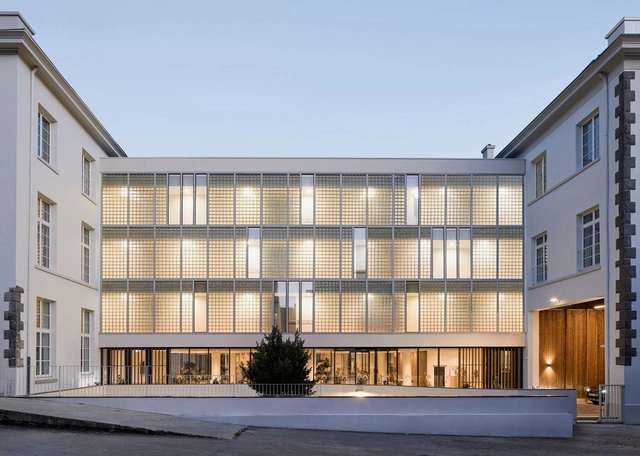
Brest Post Office Transformation / Chatillon Architectes

Brest Post Office Transformation / Chatillon Architectes - More Images+ 10

Touching the Past: When Architecture Becomes a Gesture of Continuity

Subscriber Access | 

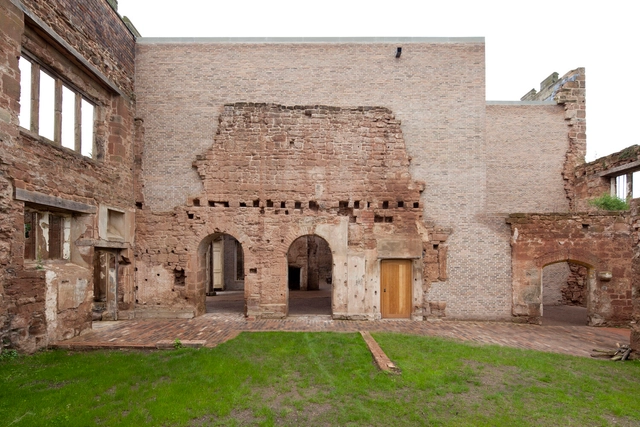
There is a particular kind of architecture that does not begin with a blank page. It begins in silence, in ruins, in walls shaped by time. It begins by listening. Rather than imposing itself, it draws near, slowly, choosing to touch rather than overwrite. This is an architecture that engages with the past through the lens of the present, not to erase it or mimic it, but to offer it continuity.

Contemporary architecture increasingly recognizes that to build with the past is not to be held back by it. Heritage is no longer seen as a constraint but as an active ground for design. Within this shift, pre-existence becomes more than a physical condition — it becomes a narrative thread, a structural and symbolic presence that invites care. Rather than asserting dominance, many architects today choose to respond with gestures that are deliberate, quiet, and precise. These interventions frame rather than replace, protect rather than obscure. In doing so, they allow history to remain visible, not as a backdrop, but as a living layer of the architectural experience.

Touching the Past: When Architecture Becomes a Gesture of Continuity - More Images+ 55

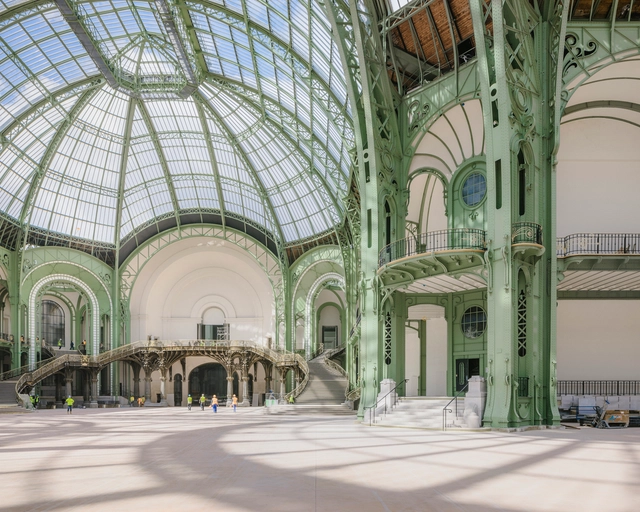
Le Grand Palais Renovation / Chatillon Architectes

Le Grand Palais Renovation / Chatillon Architectes - More Images+ 21

185 Avenue Charles de Gaulle Office Building / Arte Charpentier

185 Avenue Charles de Gaulle Office Building / Arte Charpentier - Exterior Photography, Landscape, Facade
© Antoine Mercusot

185 Avenue Charles de Gaulle Office Building / Arte Charpentier - More Images+ 20

  • Architects: Arte Charpentier
  • Area Area of this architecture project Area:  15200
  • Year Completion year of this architecture project Year:  2021
  • Manufacturers Brands with products used in this architecture project
    Manufacturers:  Moooi, Muuto

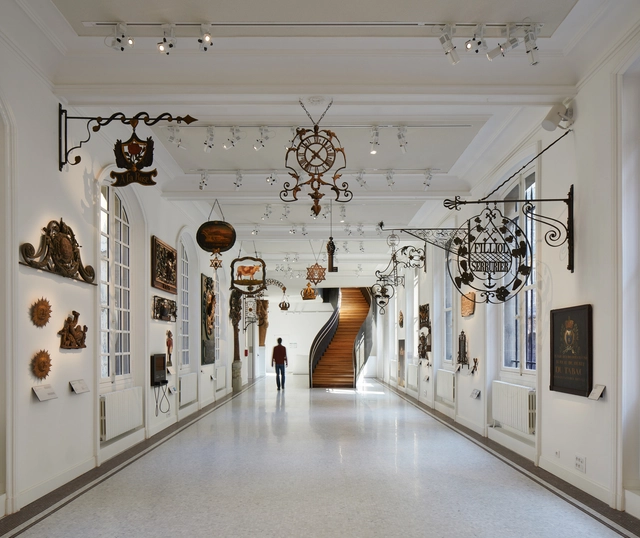
Carnavalet Museum / Chatillon Architectes + Snøhetta

Carnavalet Museum  / Chatillon Architectes + Snøhetta  - More Images+ 21

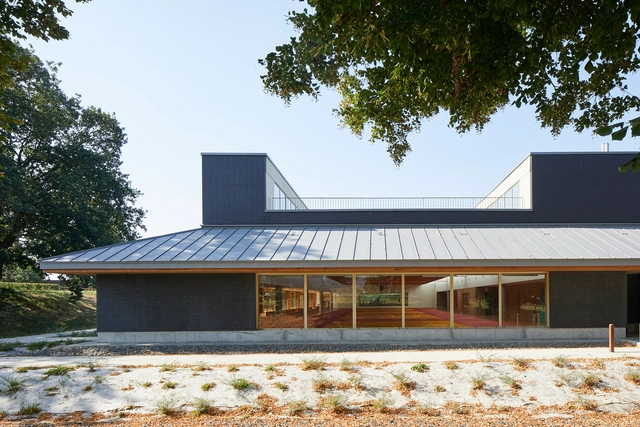
Sports Hall in Louviers / Atelier Féret & Frechon Architectes

Sports Hall in Louviers / Atelier Féret & Frechon Architectes - More Images+ 21

  • Area Area of this architecture project Area:  1346
  • Year Completion year of this architecture project Year:  2019
  • Manufacturers Brands with products used in this architecture project
    Manufacturers:  Reynaers Aluminium, Aréa, DESIGN PARQUET, France EQUIPEMENT, Gerflor, +7

La Villette Sports Complex / Atelier Féret & Frechon Architectes

La Villette Sports Complex / Atelier Féret & Frechon Architectes - More Images+ 26

Caudebec-lès-Elbeuf, France