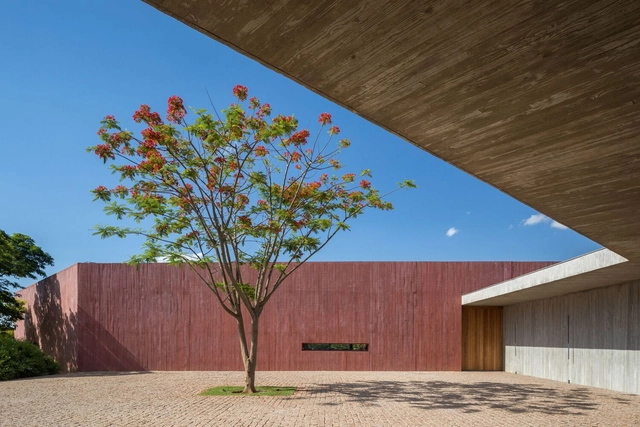
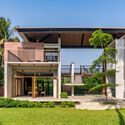
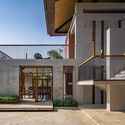
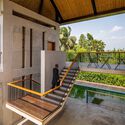
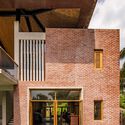
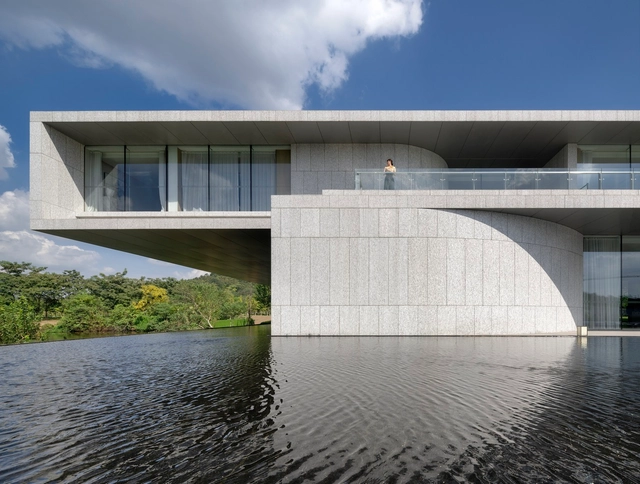
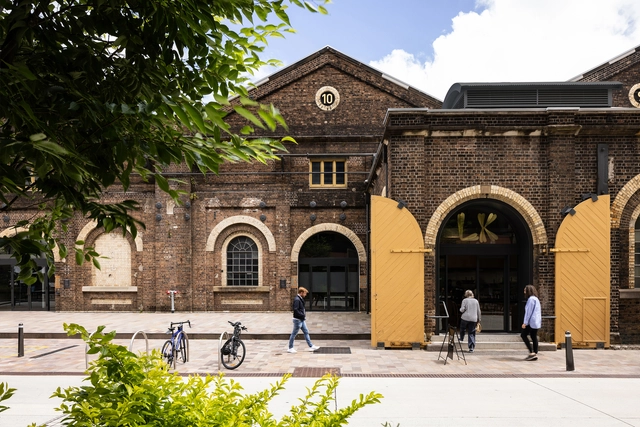
The use of pigmented concrete in Latin American architecture is growing - and influencing contemporary architectural expression. This can be seen in recent built works ranging from the INES Innovation Center designed by Pezo von Ellrichshausen in Chile to the Teotitlán del Valle Community Cultural Center by PRODUCTORA in Mexico.
Iwona Blazwick has been appointed as the Curator of the 18th Istanbul Biennial, organized by the Istanbul Foundation for Culture and Art (iKSV). The Biennial will occur in 2024, from 14 September until 17 November. The Istanbul Biennial is the most comprehensive international exhibition organized in Türkiye and the region, playing an essential role in promoting contemporary artists and artist collectives.
Iwona Blazwich OBE is a curator, writer, and art historian. She held the position of Director at the Whitechapel Gallery in London from 2001 to 2022 and previously worked with many renowned institutions in her practice. Currently, she is the curator for the Royal Commission’s Arts AlUla initiative in Saudi Arabia. Furthermore, Blazwhich’s career as an independent curator ranges from exhibitions and public art projects across Europe, the United States, Japan, and China.
In August, the Colegio de Arquitectos de Chile celebrated its 81st anniversary at its National Headquarters in Santiago. To mark this anniversary, the 2023 CA Awards ceremony was held.
As part of the temporary exhibition "Pre-Columbian Architectures: Representing and Inhabiting the Past," we invite you to the screening of the first episode of the documentary series on the work of Al Borde, "Building with Living Trees," followed by a discussion about the documentary.
Tourist facilities are a significant architectural program as they not only provide essential amenities for travelers but also encapsulate the cultural essence of a destination. Resorts and hotels experiment with ideas of comfort and leisure, restaurants bring visitors into the local culinary culture, while wineries merge craftsmanship, tradition, and modernity. Visitor centers are another facility often provided for travelers, serving as gateways to exploring the city. Besides their flexible program, these architectural interventions most often strive to relate and harmonize with the local context to enrich the narrative of the space and create a memorable experience for every visitor.
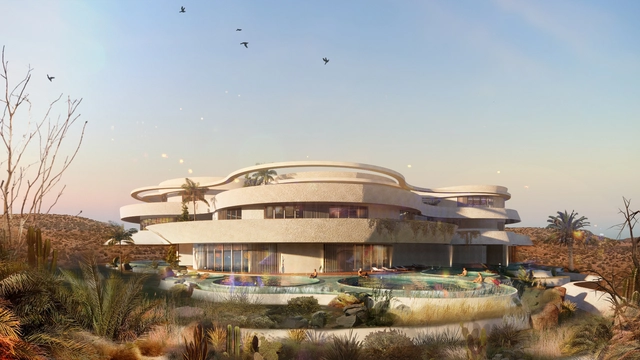
This week's curated selection of Best Unbuilt Architecture highlights projects submitted by the ArchDaily community that showcase various amenities dedicated to tourists, from wine cellars, specialty restaurants, and visitor centers to isolated camping sites in the mountains or lavish spa hotels in the arid areas of the Middle East. Featuring projects from emerging and established architectural offices such as Melike Altınışık Architects, Lockhart Krause Architects, MUA, and OMBI Innovation Lab the selection includes a wide range of programs and scales, showcasing designs that rethink conventional tourist facilities while establishing a connection with their surroundings and cultural context.
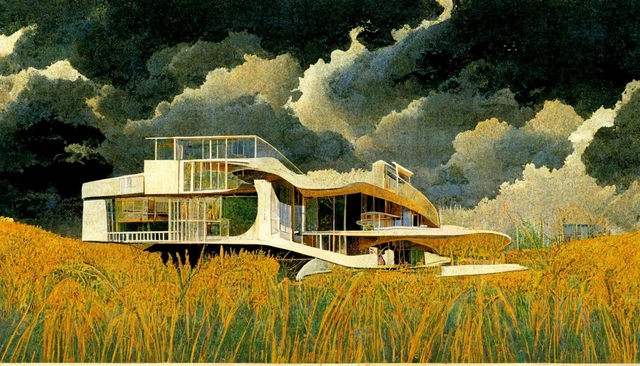
We are witnessing a major shift in the process of generating images. The recent influx and growth of machine learning and artificial intelligence raises questions about the way in which creative processes evolve and develop through technology. Systems like DALL-E, DALL-E 2, and Midjourney are AI programs trained to generate images from text descriptions using a dataset of text-image pairs. The diverse set of capabilities includes creating anthropomorphized versions of animals and objects, combining unrelated concepts in plausible ways, and applying transformations to existing images.
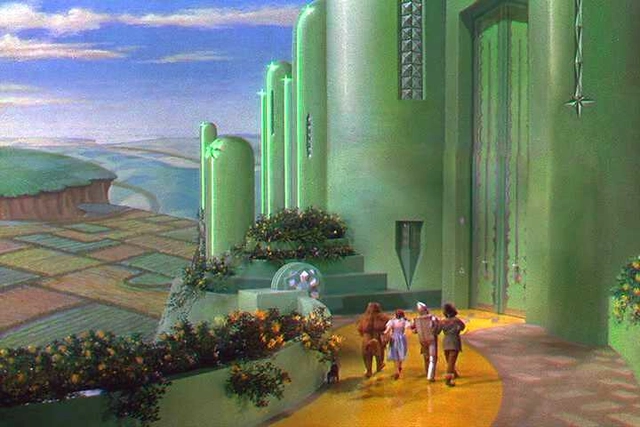
The Wizard of Oz (director Victor Fleming, cinematography Harold Rosson, 1939). Print Screen
Colors evoke specific feelings; therefore, they are used to elicit particular effects on the surface they appear on or in the minds of observers contemplating them. In architecture, color plays a fundamental role in defining shape. Materials in their natural state already possess inherent coloration, which is perceived in a specific manner. However, when dyed, the observer's perception is altered, giving rise to associations between different sensations related to the same object. This transformation brought about by color occurs in various visual mediums, spanning from three-dimensional contexts like architecture to static and mobile two-dimensional forms such as engravings, photographs, paintings, and films.