

-
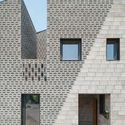
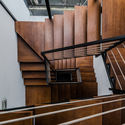
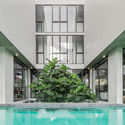
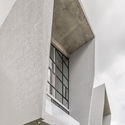
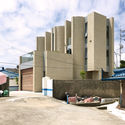
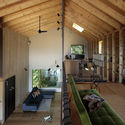
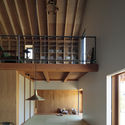
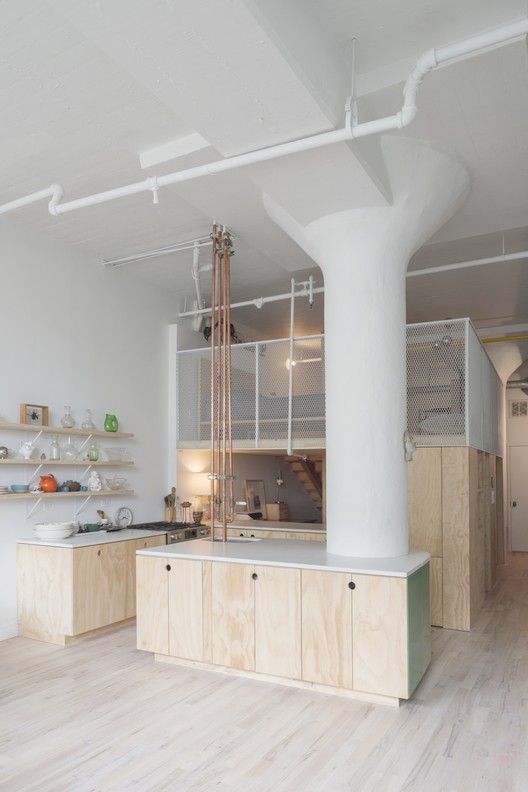
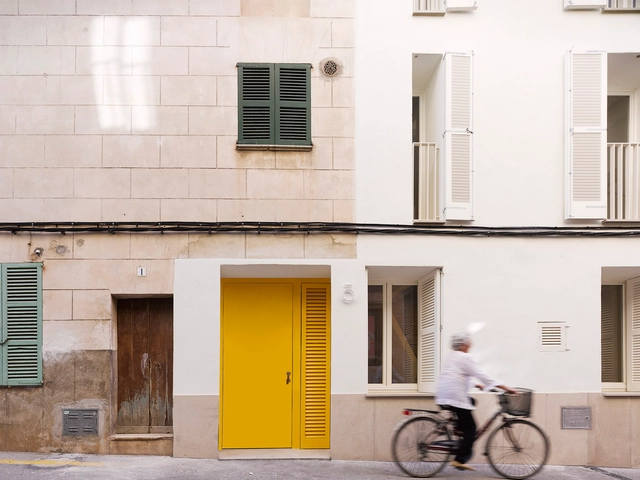
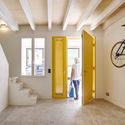
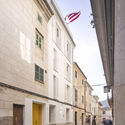
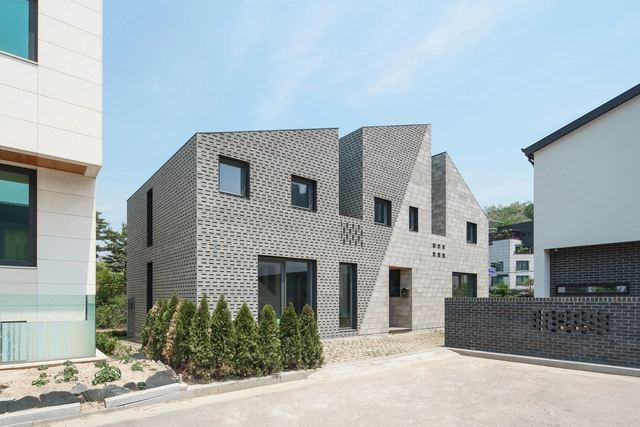
Architects: Kresings Architektur
- Area: 123 m²
- Year: 2017


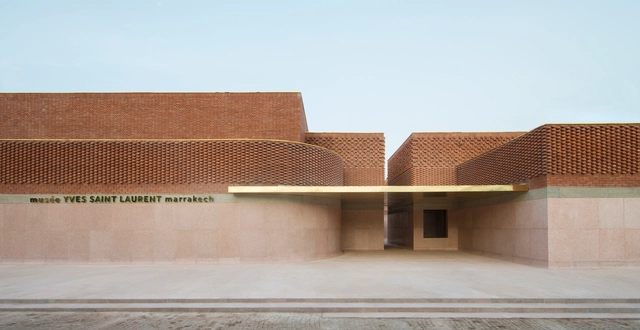
A new museum dedicated to the life and work of French fashion icon Yves Saint Laurent has opened in the Moroccan city of Marrakech. Designed by Studio KO, the building sits a short distance away from Jardin Majorelle – the home acquired by Saint Laurent and Pierre Bergé in 1980. With a large permanent exhibition space designed by scenographist Christophe Martin, showcasing the collections of it's namesake, the museum also features temporary exhibition spaces, a research library and archives, an auditorium, bookstore, and a terrace café.
.jpg?1508351746 "musée YVES SAINT LAURENT marrakech. Image © Nicolas Mathéus")




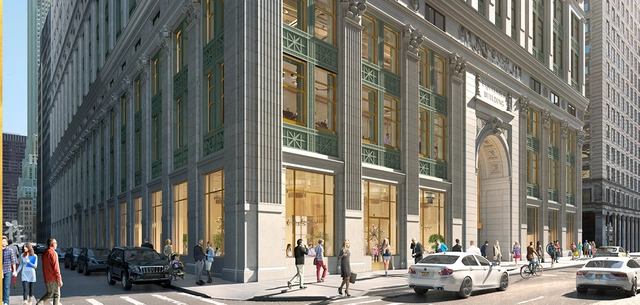
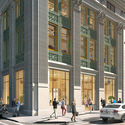
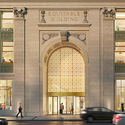
One of New York City’s original skyscrapers and the former largest office building in the world, the Equitable Building, is set to receive a $50 million renovation and restoration that will bring the historic structure up to 21st century standards.
Built in 1915 in New York’s Financial District by architect Ernest R. Graham, the 1.9-million-square-foot Equitable Building was a pioneer in the city’s skyscraper boom, spanning an entire Broadway block between Pine and Cedar Streets. A simple extrusion of the site footprint, the building was notorious for its overbearing relationship to the street – outcry over which eventually led to the creation of the city’s famous setback zoning laws.
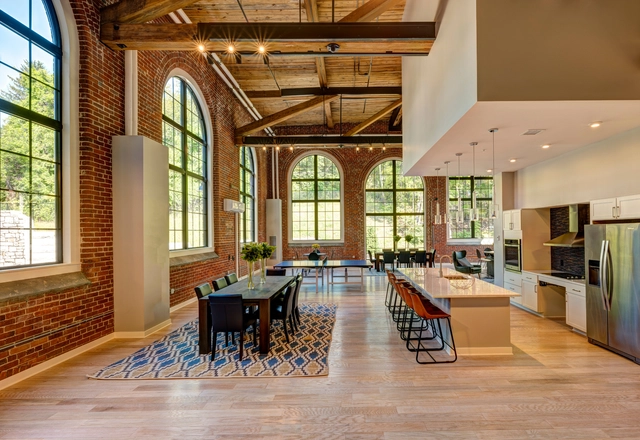

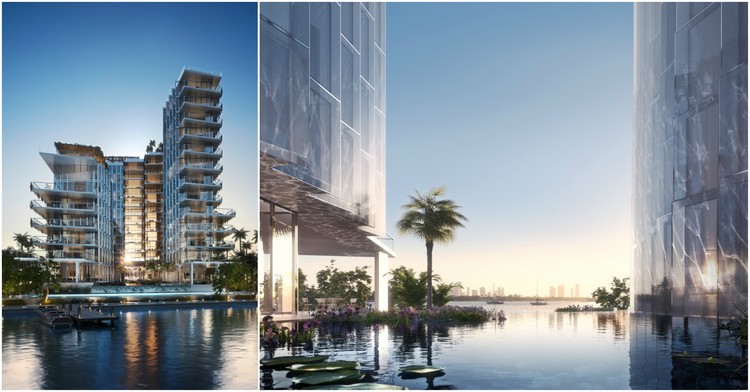
New renderings have been revealed of Jean Nouvel’s first Miami project, Monad Terrace, as construction begins on site. Designed by Ateliers Jean Nouvel in collaboration with Kobi Karp, the highrise project is set to rise on West Avenue in the premier South Beach district of Miami Beach, setting a new standard of building integrity and climate resilience for the city.

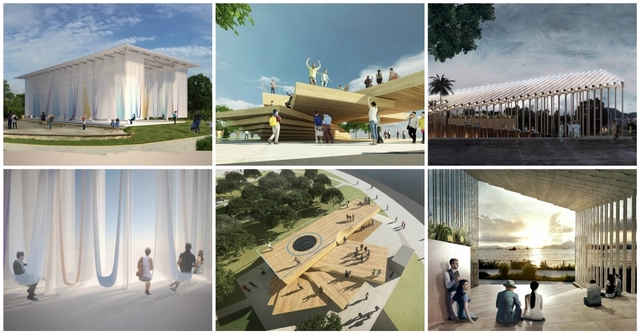
Pavilion designs by three emerging architecture practices have been chosen as finalists in the inaugural Hong Kong Young Architects & Designers Competition. Established by the West Kowloon Cultural District Authority (WKCDA), the competition is the first of its kind in Hong Kong, aimed at “showcasing the creativity and potential of local architects and designers still in the early stages of their careers.”
A total of 320 entries were received from Hong Kong residents who either have been practicing for fewer than 10 years or who are currently studying architecture at the university level. The competition asked designers to envision a temporary pavilion that will be built inside the Nursery Park at the West Kowloon Cultural District.

This article originally appeared on guggenheim.org/blogs under the title "How Analog and Digital Came Together in the 1990s Creation of the Guggenheim Museum Bilbao," and is used with permission.
The Guggenheim Museum Bilbao, which celebrates its twentieth anniversary this month, has been hailed as a pinnacle of technological progress since its October 1997 opening. While the use of the modeling software CATIA (Computer Aided Three-Dimensional Interactive Application) was without question groundbreaking, some of the greatest moments of ingenuity during the building’s design and construction were distinctly low-tech. Developed between 1991 and 1997, the curved and angular titanium-clad building was conceived at the turning point between analog and digital practice. This profound shift enveloped and permeated every aspect of the project, from the design process and construction techniques to the methods of communication technology put to use.

In the age of green screen backgrounds, hyperrealistic renderings and the endless run of superhero movies that rely heavily on special effects, some directors are still betting on turning cities into protagonists of their music videos. In the nineties, Michael Jackson visited Brazil and filmed They Do Not Care About Us in one of the most dangerous neighborhoods in South America – but do you remember which city it was?
Here we compiled ten music videos where the cities, their neighborhoods and their inhabitants serve as the stage for actors, singers, and dancers to display their art around the world.
Can you recognize the cities where these music videos were filmed? Take the test below and find out.

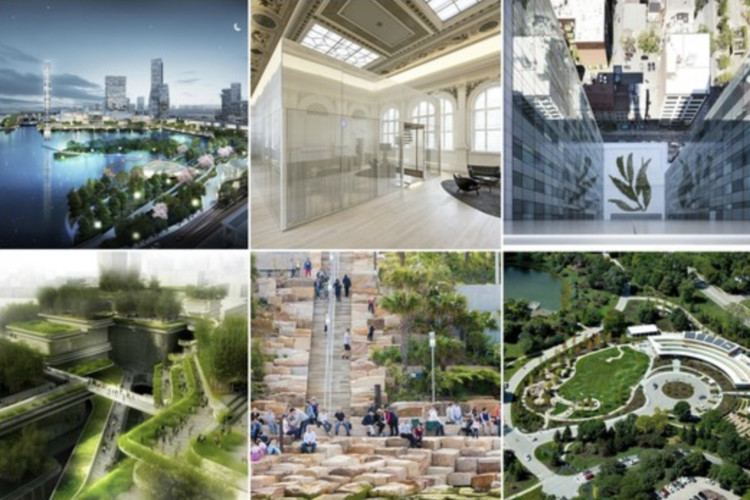
Three projects have been selected as the winners of The American Architecture Prize (AAP) 2017, which aims to recognize “creativity and innovation in architectural, interior and landscape design.”
An expert Jury judged thousands of entries from 68 countries and winners were selected from 41 categories. The jurors included Peggy Deamer, Professor of Architecture at Yale University; Troy C. Therrien, Curator of Architecture and Digital Initiatives at the Guggenheim Foundation and Museum; Ben Van Berkel, Principal of UNStudio and Professor at Harvard University Graduate School, and many more.
It has been a privilege to receive such exceptional entries competing for the AAP this year. Every submission is outstanding in its own way. All these entries from accomplished architects and architecture firms give us the opportunity to not only promote amazing designs but also to marvel together at the evolution of architecture, interior design and landscape architecture across the globe - AAP President Hossein Farmani.