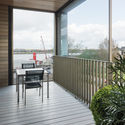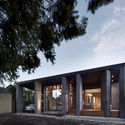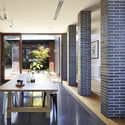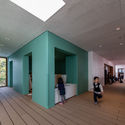

-
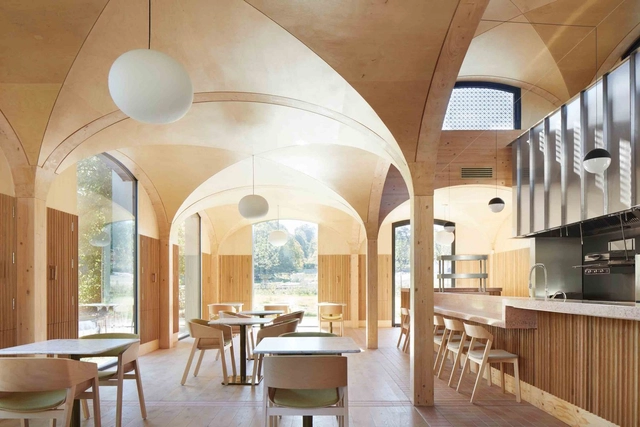
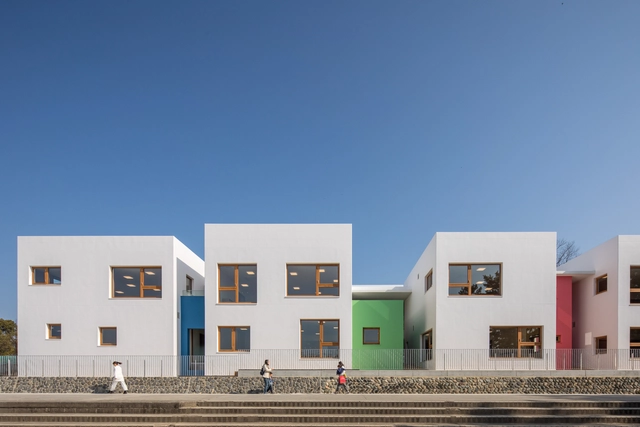
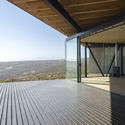
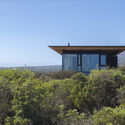
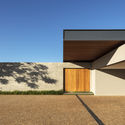
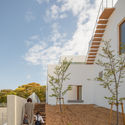
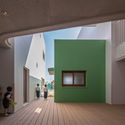
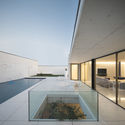
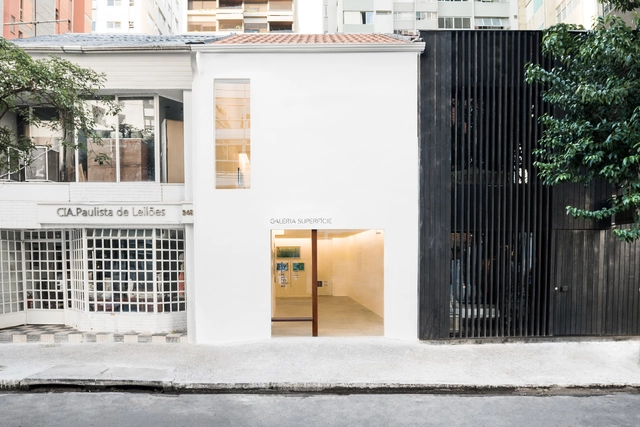
Architects: Espaço Objecto
- Area: 950 m²
- Year: 2017
-
Manufacturers: panoramah!®


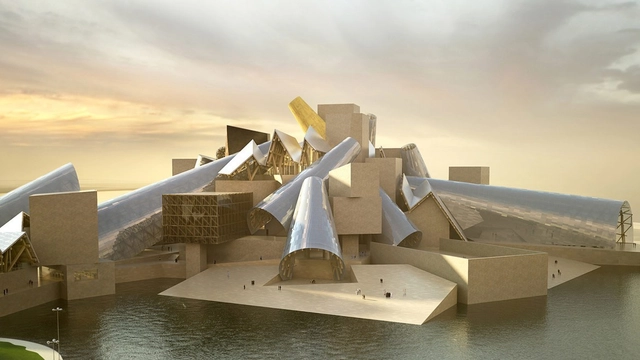
Frank Gehry's Guggenheim Abu Dhabi is finally set to begin construction on Saadiyat Island in the Persian Gulf. First announced in 2007, the Guggenheim project is over a decade in the making for the United Arab Emirates. Situated next to the Louvre Abu Dhabi, the sculptural project will showcase art from around the world within a mountain of plaster blocks and self-cooling translucent cones.
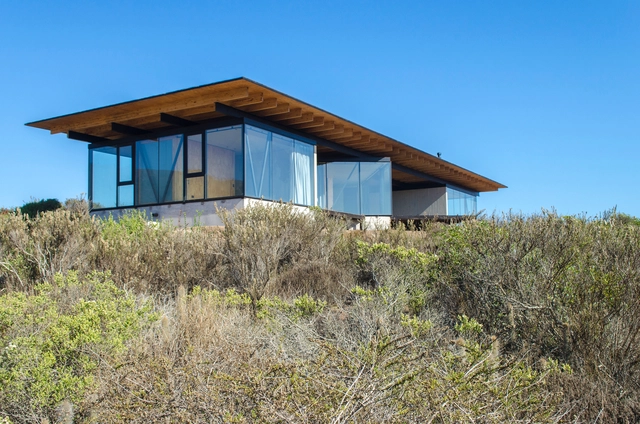
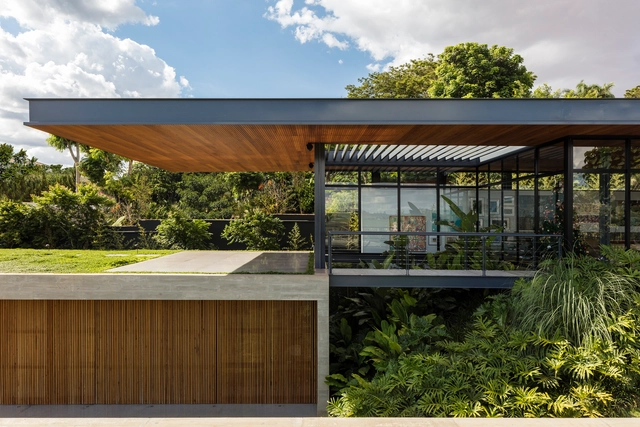

Jonathan Ben David of the Israel Institute of Technology has created a thesis project titled “Terra Nullius” which dwells on the identities and conceptual restraints dividing people in the Middle East. Suggesting alternative concepts, frames of mind, and mediums for which different social groups can gather upon, the thesis takes place off the coast of Jaffa, once an epicenter of Palestinian urbanism, where a new state is formed as an act of protest by Jews and Palestinians longing for co-existence.
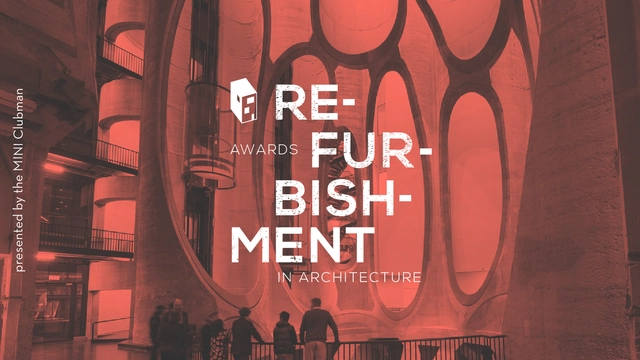
In partnership with MINI Clubman, we have launched our second edition of ArchDaily's 2019 Refurbishment in Architecture Awards. This award highlights the best refurbishment projects from around the world.
Alongside MINI, we believe that the recovery and refurbishment of existing structures is one of the most sustainable ways to develop architecture. From reviving abandoned factories to urban renovations and even remodeling centuries-old homes, refurbishment projects demonstrate the flexibility of our existing cities and the many scales at which past buildings can be repurposed.
Similar to our Building of the Year Award, we entrust our readers with the responsibility of rewarding the best refurbishment projects in architecture—the designs that have had an impact on our profession. By voting, you are part of an impartial and distributed network of professionals who act as a jury to choose the most relevant works of the last eight years. Over the next 3 weeks, the collective intelligence of our audience will filter more than 600 projects to select 3 winners representing the best of architecture refurbishment published on ArchDaily.
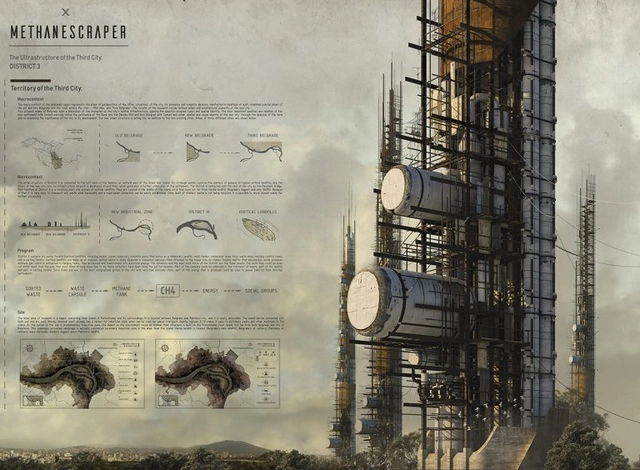
eVolo Magazine has announced the winners of its 2019 Skyscraper Competition. Now in its 14th year, the annual award was established to recognize “visionary ideas for building [high-rise] projects that through [the] novel use of technology, materials, programs, aesthetics, and spatial organizations, challenge the way we understand vertical architecture and its relationship with the natural and built environments.”

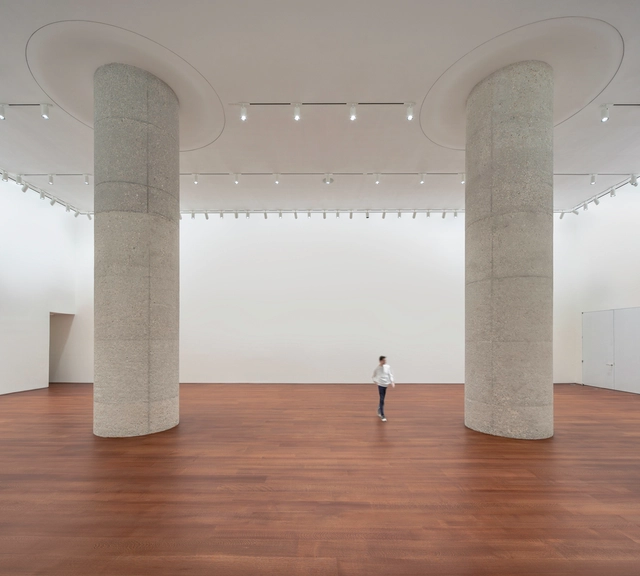
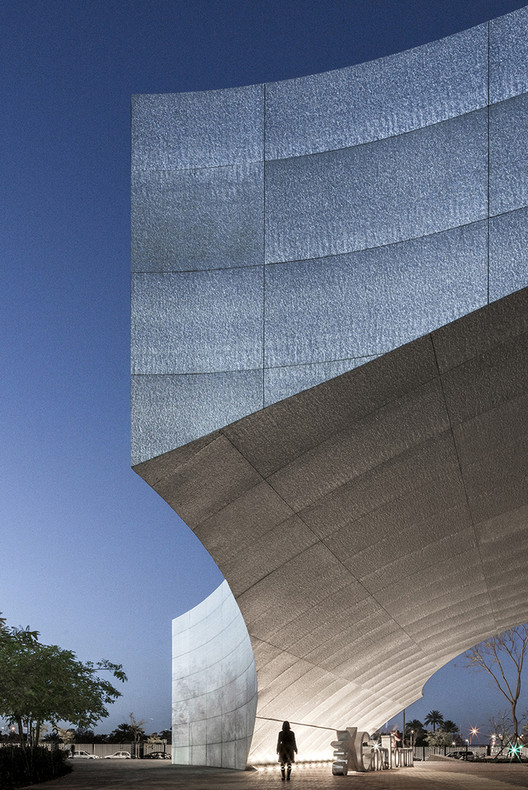
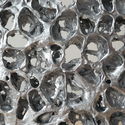
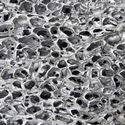
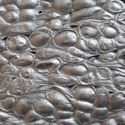
Modular coatings for facades and enclosures typically deliver fast and efficient solutions. However, many times they lack richness and character since they are repeated infinitely, without relating to the architectural design and its different functions and requirements.
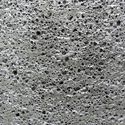
These aluminum foam panels are manufactured through an air injection process in molten aluminum, which contains a fine dispersion of ceramic particulate. These ceramic particles stabilize the air bubbles, and create aluminum foam panels which provide an interesting level of detail and variability, generating unique facades with different levels of texture, transparency, brightness, and opacity. These ultralight panels can be used as flat architectural sheets, are 100% recyclable and available in standard sized formats up to 3.66 meters long (custom longer panels also available).
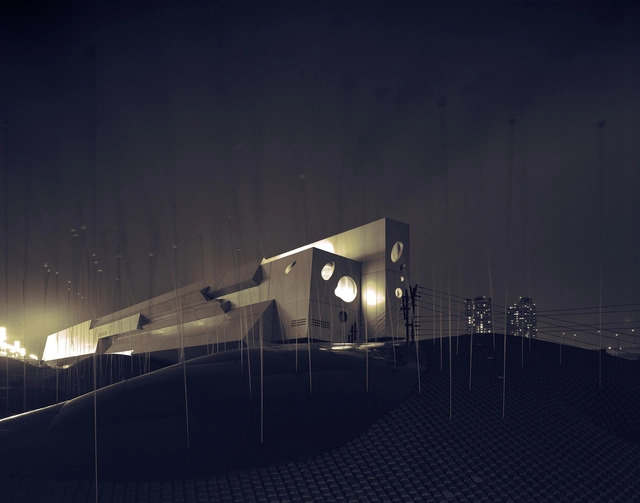
British architectural photographer Peter M. Cook has documented the city of Tokyo and its evolution for more than twenty years. Following the development of the city and its buildings with a large-format camera, Cook's first book of photographs have been published by Hatje Cantz Verlag with 100 shots. The monochromatic, large-format photographs reveal a story of one of the world's most iconic cities.
This video tutorial will teach you how to create detailed, 3-D environments from images taken by drones, using Photogrammetry to better contextualize our architectural projects.
The video covers the entire process, from flying the drone to using the RealityCapture software, including identifying plants and trees through an application for mobile phones and lastly viewing the architecture in 3D using Lumion.

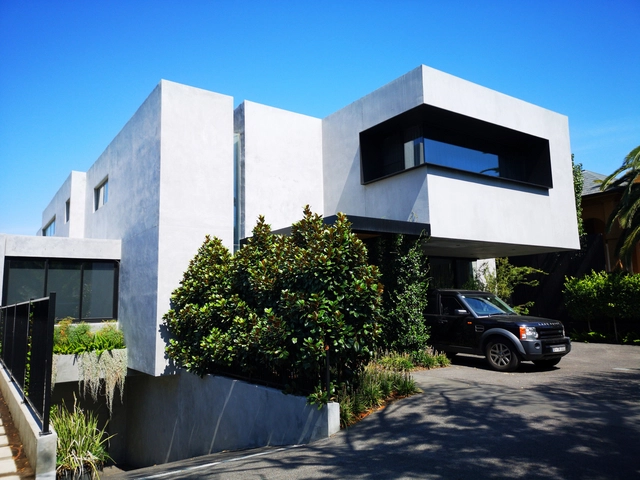
It’s a tale as old as time. The architect slaves away night after night designing the most beautiful architecture. The people are raving, excited to see what new and impressive building will go up this time. The render looks amazing!