


-
Interior Designers: say architects
- Area: 165 m²
- Year: 2021
.jpg?1636573420&format=webp&width=640&height=580)
Interior design is far from an easy task – it is often a five-step process that involves swapping out ideas time after time until the perfect look is achieved. But a new online tool is allowing architects and designers to view and adapt furniture for all interior design projects, with just a few clicks. Hello Raye is a curated online marketplace that offers 3D-model configuration for tens of thousands of commercial and residential products including furniture, fixtures and equipment all in one place.
_KCAP_3_Park_Quarters.jpg?1638352982&format=webp&width=640&height=580)
KCAP Architects and Planners have unveiled the ZIL-South masterplan, a new residential district in Moscow built on the basis of a 15-minute city. The masterplan will be built on the largest brownfield area of the former ZIL industrial zone, and will feature more than 100 hectares of commercial and residential landmarks, public spaces, parks, landscapes, and interconnect routes alongside the Moskva River, all inspired by the area's pre-industrial past.

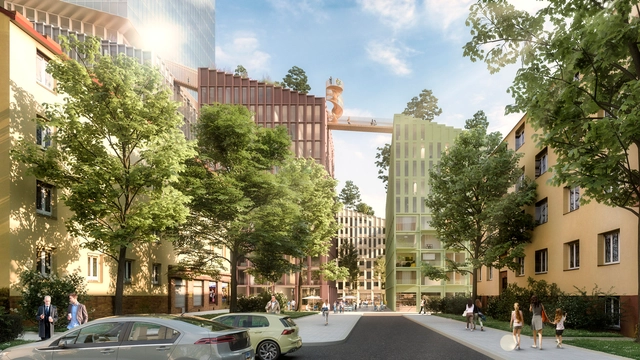
Benthem Crouwel Architects reveals competition-winning design for the Valley, a new mixed-use development comprising housing, workspaces and retail in Prague. Featuring a rooftop landscape designed by Felixx Landscape Architects & Planners, and a network of diverse public spaces, the project introduces high density and varied programming while establishing a strong connection with the surrounding neighbourhood.
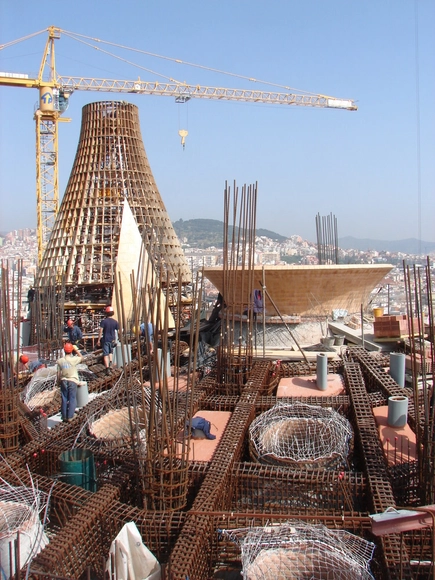
A masterpiece is often defined as the most remarkable work in an artist's career, one which highlights the height of their techniques and ideals. The Mona Lisa by Leonardo da Vinci; Michelangelo's Pietá; the Beatles' Sgt. Pepper's Lonely Hearts Club Band album. There are many examples, which are not always unanimously agreed upon. But what if what many consider to be the masterpiece was started by someone else, the credited creator didn't live to see its completion, and almost all of its documentation was destroyed? Catalan architect Antoni Gaudí and his world-famous Temple Expiatori de la Sagrada Família are examples of these complications. From a highly crafted stone construction to the most modern 3D printing techniques and high strength concrete, numerous technologies were and continue to be incorporated in the project's construction.




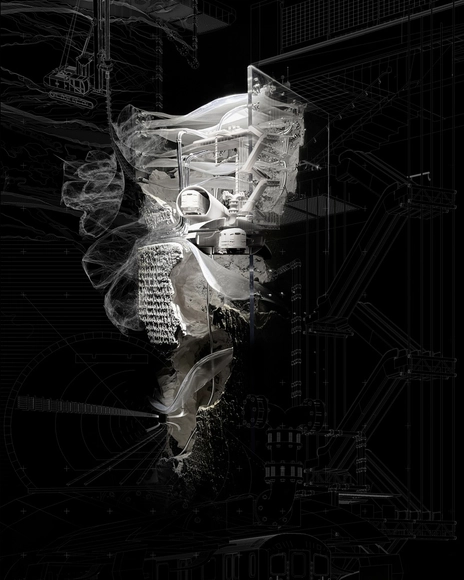
The Architecture Drawing Prize is celebrating its fifth year and continues to attract outstanding entries from around the world. This year has been exceptional in the number and strength of student submissions the Prize has attracted across its three categories for entry: hand-drawn, hybrid and digital. In fact, the winning drawings for all three categories are by students.

_KCAP_4_Urban_Gardens.jpg?1638353099 "Courtesy of KCAP")
_KCAP_6_Business_Quarters.jpg?1638353124 "Courtesy of KCAP")
_KCAP_5_River_Quarters.jpg?1638353058 "Courtesy of KCAP")
_KCAP_9_Pedestrian_Boulevard.jpg?1638353251 "Courtesy of KCAP")
_KCAP_3_Park_Quarters.jpg?1638352982)