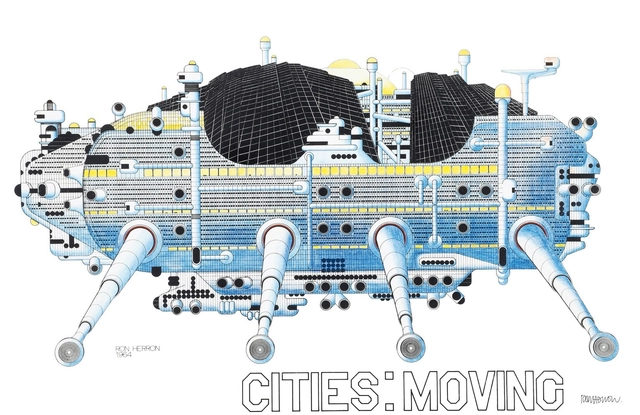
Peter Cook’s text ‘Some Notes on the Archigram Syndrome’ is a symbol of architecture at the beginning of the era of mass reproducibility. First published in *Perspecta 11: Yale Architectural Journal* in 1967 and republished in the 1999 book *Textos de Arquitectura de la Modernidad*, the text revisits, through the author's eyes, the chronology and consequences of the way of thinking and making architecture proposed by the Archigram group—an annual publication that gave rise to the architecture collective of the same name.
The group stands out as a milestone in the transformation of thinking about the city, representation, architecture, and the limitless application of technological knowledge within their production. Consequently, their work was not produced in isolation but was closely linked to major artistic movements in England and the United States, such as the Independent Group and the waves of counterculture.
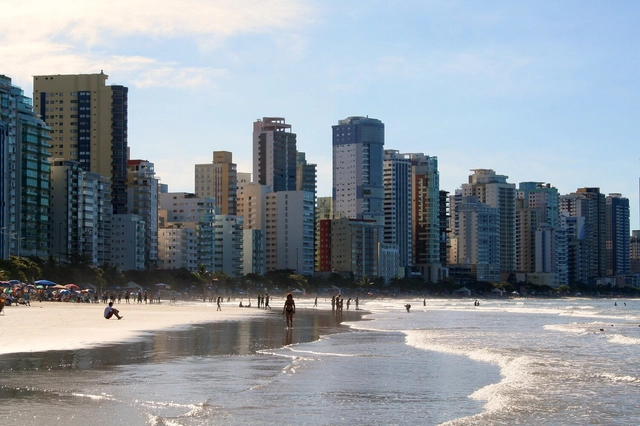
Balneário Camboriú, Santa Catarina. City with 5 of the 10 tallest buildings in Brazil. Photo by: carlosoliveirareis on VisualHunt
What do you think about building more highways to reduce traffic congestion? If you follow the debate on urban policy, you probably already have the answer on the tip of your tongue: building more lanes doesn't improve traffic! The more highways, the more cars!
Building roads encourages more people to drive. With more paved lanes at their disposal, more people are willing to swap public transit for the convenience of a personal car. Residents might seek housing further away, assuming they can quickly drive to work.
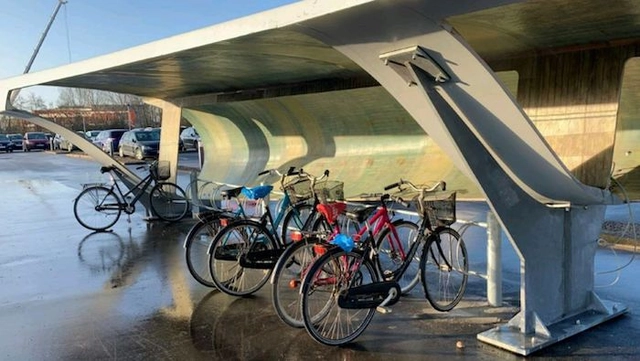
While some countries are just beginning to harness their wind energy potential, others are already replacing older turbines with newer, more efficient models. This transition has raised a critical question: what should be done with the decommissioned turbine blades, which are massive and notoriously difficult to recycle?
Wind energy technology has advanced rapidly over the past 15 years. Given the 20-year lifespan of current wind turbine blades, they will need to be disposed of in the near future. In response, industry companies established the Re-Wind program, which supports researchers worldwide in finding alternatives for reusing turbine materials. The project explores the potential of repurposing these blades into architectural and engineering structures.
https://www.archdaily.com/1128012/wind-turbine-blades-become-bike-racks-in-denmarkMayra Rosa
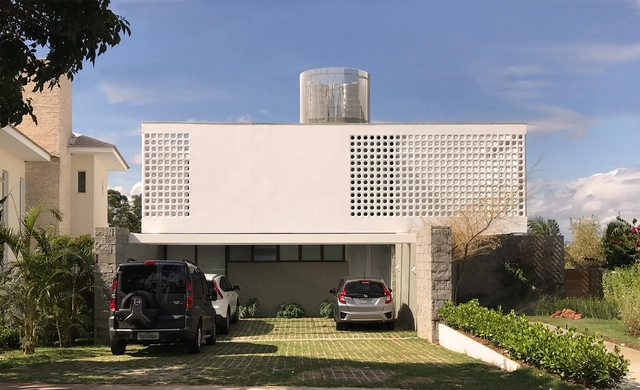
Water tanks are vital components of any building due to their role in the health, safety, and comfort of occupants. Their primary function is to guarantee supply regardless of temporary municipal water cuts, making them increasingly essential during times of water crises.
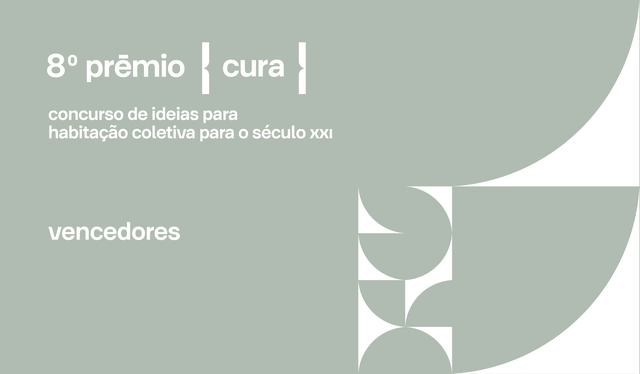
The 8th {CURA} Award has announced the winners of its competition, which was themed around collective housing for the 21st century. The competition invited participants to reflect on new ways of living in the city, focusing primarily on issues of urban mobility, density, and bioclimatic efficiency.
Each project was evaluated individually, based on criteria such as consistency with the proposed theme; conceptual and architectural quality; creativity and critical vision in the proposed solution; suitability to the urban and territorial context; quality of graphic representation and clarity in communicating the proposal; social and environmental impact; and compliance with the competition brief. Team identities were only revealed after the jury's final decision.
https://www.archdaily.com/1079998/meet-the-winners-of-the-8th-cura-prize-collective-housing-for-the-21st-centuryArchDaily Team
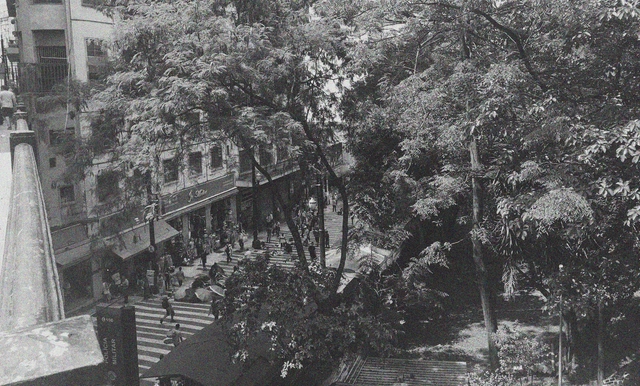
Padre Manuel da Nóbrega Square, 2020. Image credit: Author's own
It comes as no surprise that the land issue in Brazil is a highly complex topic. As Ermínia Maricato defines it, the “knot of land” lies at the center of various conflicts—whether regarding the productive occupation of rural lands or at the core of questions surrounding the right to the city, housing, and infrastructure in urban centers. Yet, what is rarely discussed in the fields of urban planning and public policy are the cause-and-effect relationships of this land conflict on the current management of public areas, particularly concerning the organization of municipal assets and, more importantly, its practical effects on city design and urban dynamics.
The 2021 Intergovernmental Panel on Climate Change (IPCC) report left many of us wondering whether the world can indeed keep global warming below 1.5°C, the threshold scientists consider safe to avoid the most dangerous impacts of climate change. New research from WRI and Climate Analytics shows that G20 countries, which account for about 75% of global greenhouse gas emissions, can steer the world toward this goal – if they significantly increase their ambition.
https://www.archdaily.com/1128227/ambitious-climate-action-by-g20-countries-could-limit-global-warming-to-degrees-cJamal Srouji, Taryn Fransen e David Waskow
According to data from the Global Media Report, in 2014, 330 million families were financially threatened by housing costs, a figure projected to rise to 440 million by 2025. Not only have these projections been confirmed, but the crisis triggered by COVID-19 is likely to drive that number even higher.
While Brazil's socially and economically vulnerable population already faced a severe housing crisis, the situation has since worsened. According to a national survey by the Institute for Applied Economic Research (IPEA), in March 2020, at the very beginning of the pandemic, there were already over 221,000 people experiencing homelessness.
This week's episode of Arquicast discusses the skills and abilities developed during the education of architects and urban planners that can be applied to professional pursuits extending beyond the traditional scope of architecture. Divided into three categories, the 21 careers featured in Ariana Zilliacus's article for ArchDaily demonstrate the wide range of options available to architects, offering a viable alternative to bypass market competition.
With the goal of getting to know the architects, projects, and stories behind landmark Portuguese architecture, Sara Nunes, from the architectural film production company Building Pictures, launched the podcastNo País dos Arquitectos, in which she talks with leading figures of contemporary Portuguese architecture.
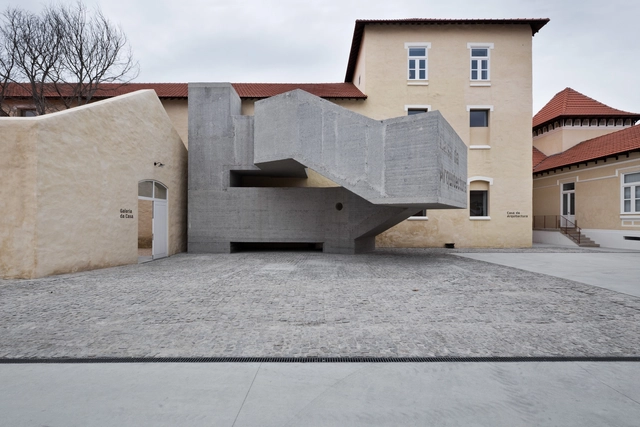
In this week's episode, Sara talks with architect Guilherme Machado Vaz about the impact that the Casa da Arquitectura and the former Real Companhia Vinícola have on the city of Matosinhos, in northern Portugal. Revisit the other interviews from the No País dos Arquitectos podcast and read the transcript of the interview with Vaz below:
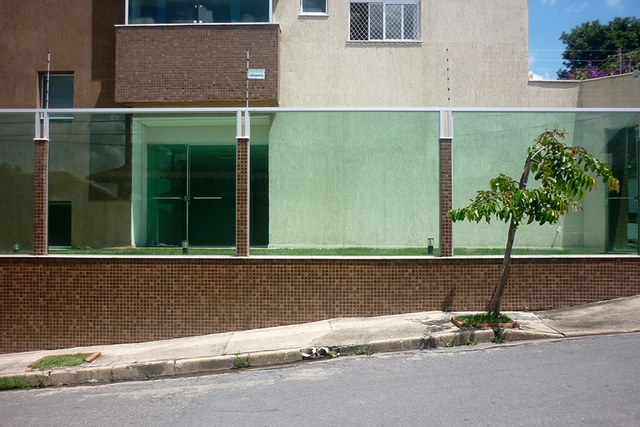
Walls are one of the main problems in our cities. The ultimate physical manifestation of division, they strip away the sense of community on our streets, turning a walk down the sidewalk into an empty, monotonous, and insecure experience. "Eyes on the street" are essential for urban life, particularly in a society as violent as Brazil's.
Why do our cities have so many walls? The real estate sector is usually blamed—the perpetual villain for those who confuse cause and effect. In reality, however, even older homes rely on them.
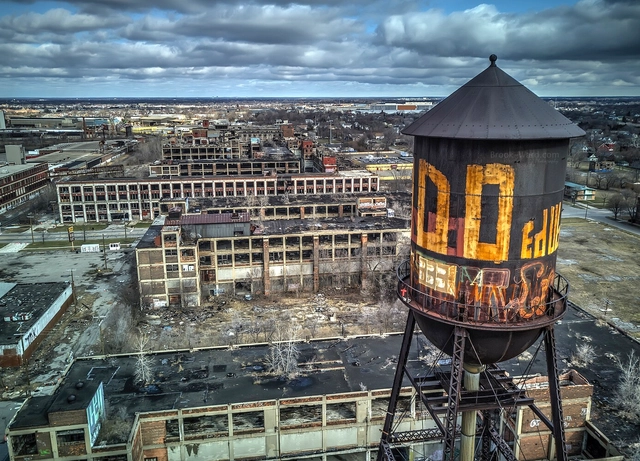
Detroit, Berlin, Seoul, Los Angeles, Sarajevo, New York, and Brasília. We have selected documentaries that showcase the history and development of each of these cities, allowing you to explore the world through cinema without leaving home. Check out our list:
There are countless ways to approach children's environments in architecture: from designing at a scale different from the standard adult dimension to more playful endeavors like designing toys and playthings. The architectural perspective on childhood focuses on creating a spatial quality that not only provides safer environments from an urban standpoint but also represents an investment in the future of society, given that architecture can play a vital role in childhood development.
To get to know the architects, projects, and stories behind landmark Portuguese architecture, Sara Nunes, of the architectural film production company Building Pictures, launched the podcastNo País dos Arquitectos, in which she talks with leading names in contemporary Portuguese architecture.
In this week's episode, Sara talks with architects Cristina Guedes and Francisco Vieira de Campos, of the firm Menos é Mais Arquitectos, about the Arquipélago - Contemporary Arts Center in the Azores. Catch up on past interviews from the No País dos Arquitectos podcast and read the transcript of the interview below:
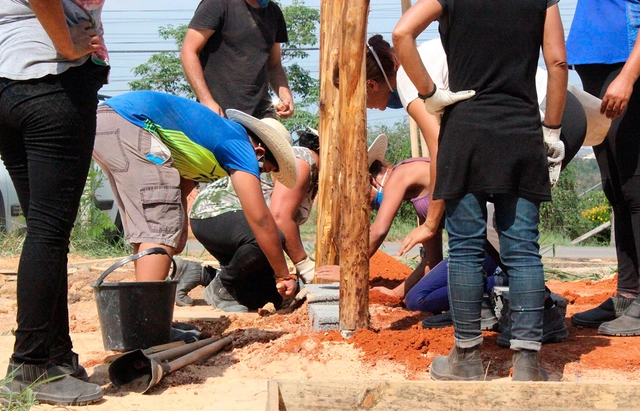
One of the most important theorists of the twentieth century, Brazilian educator Paulo Freire would have turned 100 on September 19, 2021, had he not passed away in 1997. A month later, Brazil celebrates Teachers' Day on October 15, even as public education faces massive federal budget cuts, continuing a long-standing process of systemic decline in the country's educational system. Against this backdrop, Freire has become one of the world's most widely read and cited theorists in the humanities. Despite this global recognition, his theory has yet to be fully integrated into the literature of architecture and urbanism. Here, we propose a brief reflection on how architectural practices can engage with Paulo Freire's theory.
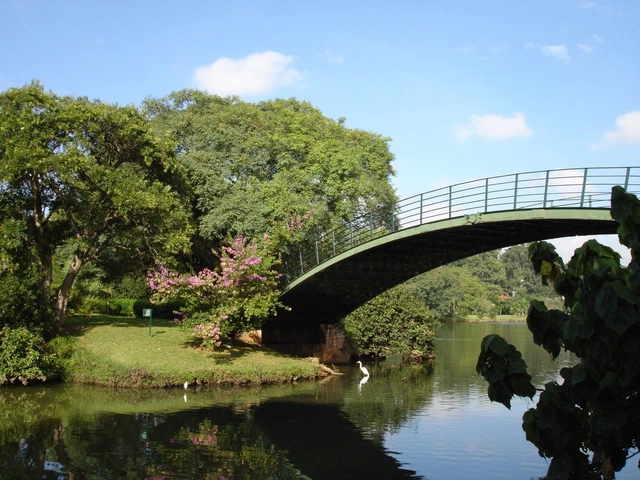
Ibirapuera Park. Photo: Mariana Santos on Unsplash
After a difficult period of isolation, we are finally returning to public spaces. In the search for safe outdoor activities, parks and open-air destinations have become even more prominent. Although São Paulo is famous for being a "concrete jungle" defined by its modern architecture, the city also offers an abundance of green spaces.
Concurso como Prática: A Presença da Arquitetura Paranaense is the title of the documentary featured in the eponymous exhibition on view at the Oscar Niemeyer Museum (MON) until December 12th. Available on YouTube, the feature-length film produced and directed by architects Isabela Maria Fiori and Luiz Gustavo Singeski, in collaboration with Felipe Santos Gomes, presents a comprehensive overview of the participation and awards won by teams from Paraná in architectural competitions.
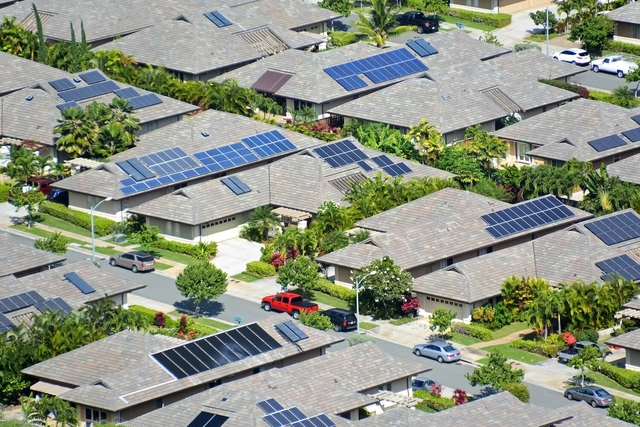
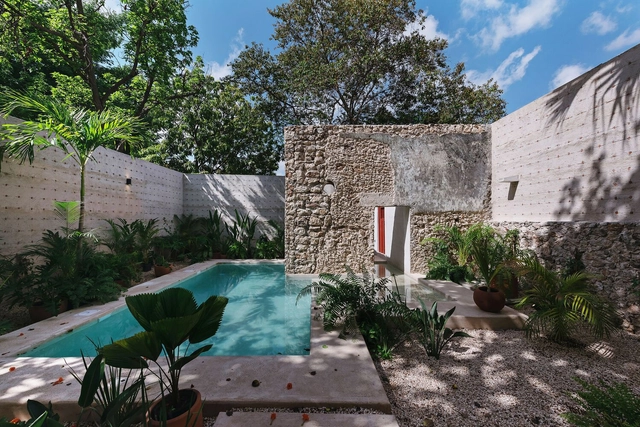
Residential swimming pools have become a staple in housing developments and private homes, particularly in regions where warm weather prevails for most of the year. Sun, shade, and cool water call for a landscape design that fosters harmony in these spaces.
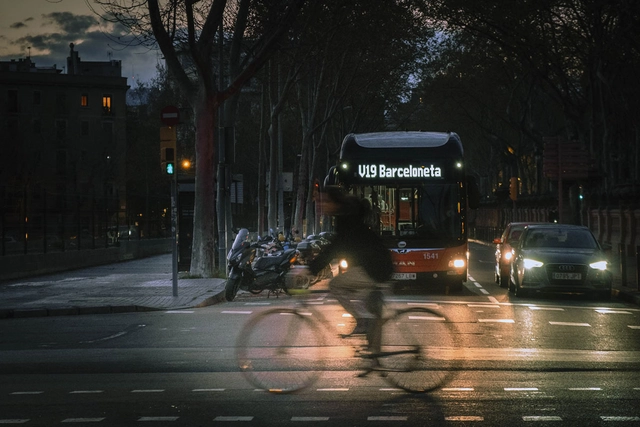
The search for more efficient and sustainable modes of transportation in urban centers has been gaining ground in several cities worldwide. With the pandemic, the benefits of cycling have been proven, and many municipalities have invested in bike lanes and incentives to keep people pedaling, even after the lifting of COVID-19 restrictions.
The use of public transit, another alternative that is more sustainable than private vehicles, becomes safer as vaccination efforts progress. In Barcelona, to further encourage people to abandon their cars—especially older ones—the city administration is offering a free three-year transit pass to residents who get rid of their old vehicles.
The organization Climate Central has developed a series of images and videos simulating how various cities around the world could be affected by rising sea levels if the world fails to meet emissions reduction targets.
Climate Central scientists analyzed where populations are most vulnerable over the next 200 to 2,000 years under different warming scenarios. The findings are alarming:
The original house is where we return in times of crisis. It is a mobile fiction, almost like an inverted utopia—the perfect mirror of an unattainable future, not because it belongs to the past, but because it is a starting point created to give meaning to that very utopian future. The original house can be many things: the womb, the cave, the cabin, clothing, the tent, the earth. But above all, it is the story we tell ourselves to feel less lost after being cast out of this first site of identity. Thrown into the world, we remain in a constant search for a place that makes sense—a home.
Returning safely to the streets is beginning to emerge as a new reality for a society that reinvented itself in the face of the Covid-19 pandemic. But what should this renewed experience of public space look like? Are our cities truly prepared to welcome children, adults, women, families, and all social groups? Spurred by these questions, Gabriela Callejas, co-founder of Cidade Ativa, advocates for the “City of Yes”—an approach focused on all people that places the family, in its most diverse configurations, at the center of urban design decisions and municipal investments.
No País dos Arquitectos is a podcast created by Sara Nunes, who is also responsible for the architectural film production company Building Pictures. The podcast aims to get to know the professionals, projects, and stories behind landmark contemporary Portuguese architecture. With just over 10 million inhabitants, Portugal is a fascinating country when it comes to this professional field, and its architectural output punches far above its population or territorial scale.
In this episode, Sara talks with architects Carlos Azevedo, João Crisóstomo, and Luís Sobral from depA architects about the exhibition of the project In Conflict, the Portuguese official representation at the Venice Architecture Biennale. Listen to the interview and read the transcript of the conversation below:
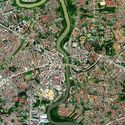
Aare River, Bern, Switzerland. Created by @dailyoverview Source imagery: @maxartechnologies
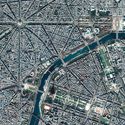
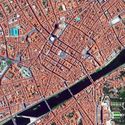
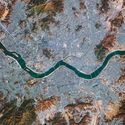
The Thames, the Danube, the Seine, the Nile, the Hudson—all of these names immediately evoke specific cities. This is because discussing the history of urban planning inherently means exploring the relationship between the city and the river, as waterways are fundamental natural elements around which many cities were founded. This is primarily due to the utilitarian nature of water bodies, which, in addition to defining—and consequently protecting—cities, provided water supply and served to transport raw materials and goods. The river, therefore, functioned as an urban backbone, fostering activity along its banks and driving economic and social development.