

Subscriber Access

Architecture for Children: How to Design Spaces That Stimulate and Protect

Architecture for Children: How to Design Spaces That Stimulate and Protect - Image 1 of 7
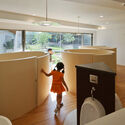
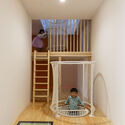
Family Box Qingdao / Crossboundaries. Photograph: © Xia Zhi

Architecture for Children: How to Design Spaces That Stimulate and Protect - Image 2 of 7Architecture for Children: How to Design Spaces That Stimulate and Protect - Image 3 of 7Architecture for Children: How to Design Spaces That Stimulate and Protect - Image 4 of 7Architecture for Children: How to Design Spaces That Stimulate and Protect - Image 5 of 7Architecture for Children: How to Design Spaces That Stimulate and Protect - More Images+ 2

There are countless ways to approach children's environments in architecture: from designing at a scale different from the standard adult dimension to more playful endeavors like designing toys and playthings. The architectural perspective on childhood focuses on creating a spatial quality that not only provides safer environments from an urban standpoint but also represents an investment in the future of society, given that architecture can play a vital role in childhood development.

Content Loader

Image gallery

See allShow less
About this author
Cite: Delaqua, Victor. "Architecture for Children: How to Design Spaces That Stimulate and Protect" [Arquitetura para crianças: como conceber espaços que estimulam e protegem] 31 Oct 2021. ArchDaily. Accessed . <https://www.archdaily.com/1128140/architecture-for-children-how-to-design-spaces-that-stimulate-and-protect> ISSN 0719-8884
Family Box Qingdao / Crossboundaries. Photograph: © Xia Zhi

儿童建筑:如何设计兼具启发与保护作用的空间

是否

You've started following your first account!

Did you know?

You'll now receive updates based on what you follow! Personalize your stream and start following your favorite authors, offices and users.