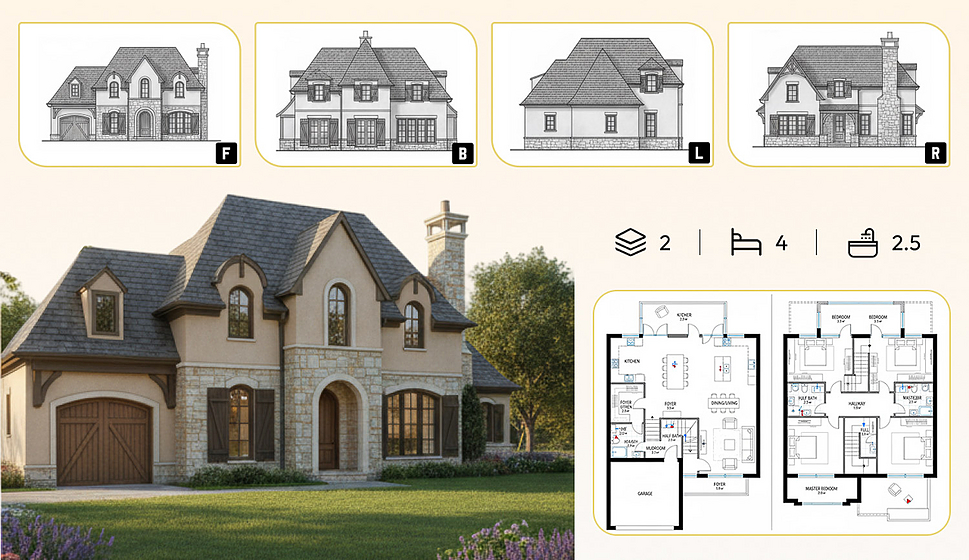
This guide covers a workflow that moves from project parameters to generated floor plans, 3D perspective views, exterior design exploration, and site context visualization, using AI tools in place of preliminary CAD and rendering work.
This guide covers a workflow that moves from project parameters to generated floor plans, 3D perspective views, exterior design exploration, and site context visualization, using AI tools in place of preliminary CAD and rendering work.

The formal configuration of open space systems in Brazilian cities—whether qualified or not—derives a significant contribution from private developments, since public urban planning and design have historically been the exception.
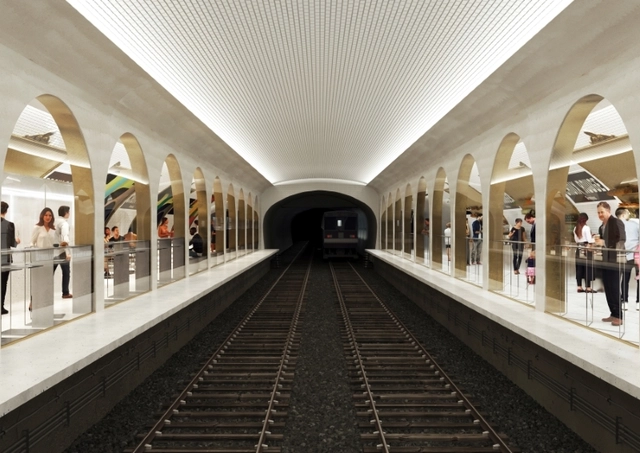
On one side, an underground market; on the other, a restaurant and a cocktail bar. Terminus, as Paris's newest gastronomic center will be named, will repurpose a decommissioned subway station in the French capital's 6th arrondissement, with operations spanning both sides of the tracks.
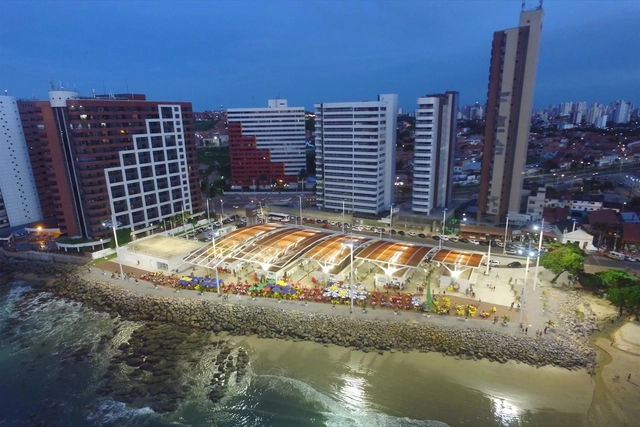
Architects and urban planners evaluated the services offered by CAU/BR and the state-level CAU/UFs. Out of nine services analyzed by the professionals, seven received an average score above 7 on a scale of zero to 10. These and other findings are part of the CAU Evaluation Survey conducted by the Datafolha Institute in May. The study interviewed 1,500 architects and urban planners and 500 architecture and urban planning firms by telephone to assess the effectiveness of the Council's communication channels with professionals and society, as well as to gather information to support initiatives ensuring access to the entity's information.

The streets of Los Angeles will serve as a testing ground for a new asphalt compound made from recycled plastic. Developed by TechniSoil Industrial, the material incorporates plastic waste that would typically be discarded, mixing it with recycled asphalt reclaimed directly from the streets.
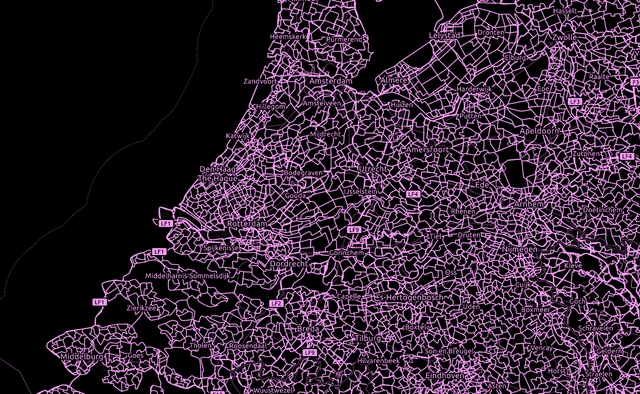
For some time now, cycling infrastructure planning has become a priority for several countries around the world seeking to seriously mitigate the challenges of rapid urbanization. In this regard, it is worth looking at which countries are expanding their cycling networks and understanding the development patterns established for each of them. OpenCycleMap is a project that makes it possible to clearly identify these countries and analyze their networks in great detail.

The governor of Espírito Santo, Renato Casagrande, signed a decree this week mandating the installation of solar energy harvesting systems in new state buildings. The law also applies to facilities constructed with state funds transferred to municipalities through agreements, accords, or covenants.
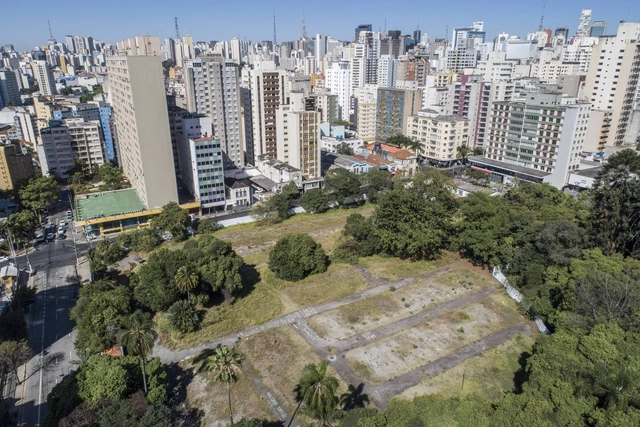
Eight months after the agreement was signed, São Paulo City Hall will finally assume ownership of the Parque Augusta site, which until now has been held by developers Setin and Cyrela. The signing of the deed will take place next Saturday, April 6, during a ceremony held on the site itself.
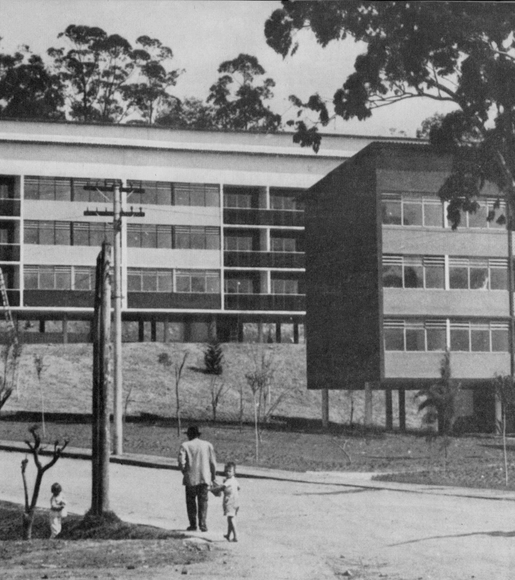
After studying civil engineering at the Escola de Minas de Ouro Preto, Carlos Frederico Ferreira returned to his native city of Rio de Janeiro and enrolled in the Escola Nacional de Belas Artes, graduating in architecture in 1935. In 1939, he was hired by the IAPI as an engineer-architect and soon rose to the position of head of the institute's Engineering Department. By 1943, having overseen the partial completion of the first major housing development, the Conjunto Residencial Operário in Realengo, he was able to begin expanding the model to other locations. The designs for Vila Guiomar in Santo André and Piratininga in Osasco, as well as the apartment building and IAPI Regional Office headquarters in Recife—all designed by him—demonstrate how, through his position, he sought to shape the direction of the institute's future developments.
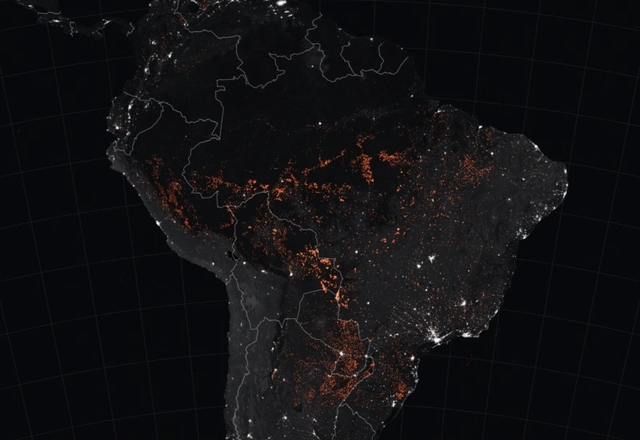
Over the past week, thousands of active fires in the Brazilian Amazon captured global attention in the press and on social media, where the hashtag #PrayForAmazonia was mentioned more than 150,000 times in a single day. But what can satellite data tell us about what is actually happening in Brazil's forests?
.jpg?1559312649&format=webp&width=640&height=580)
Brazil's recent political and social crisis—exemplified by the results of the latest election—is concerning and has been undermining citizens' trust in the decision-making processes that affect our lives and cities. One of the reasons for this is the absence of public spaces where people of different social classes, races, ethnicities, perspectives, and worldviews can meet, exchange, and represent who they are.
Public spaces are fundamental to democracy and citizenship. Modern planning and unequal urban development have led Brasília to become a segregated, fragmented, and deeply unequal city. The deteriorated public sphere and the resulting individualization of lifestyles worsen the situation, leaving us increasingly disconnected, intolerant, and civically disengaged.
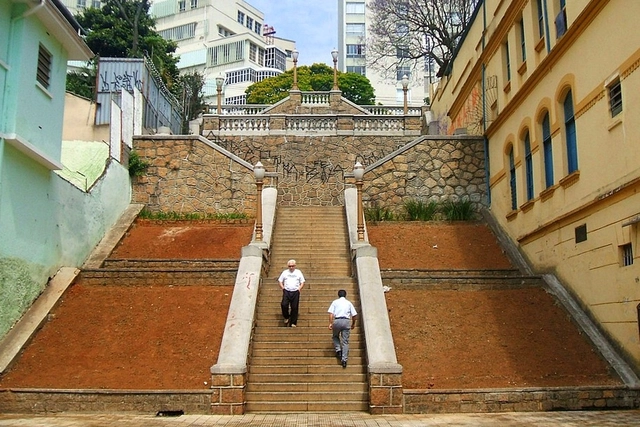
There is no doubt that preserving historical, artistic, and architectural heritage is a fundamental goal for building a just city. It is the right of all citizens, both present and future generations, to know and enjoy our collective memory and culture. However, for this to actually happen, both a discerning eye and a comprehensive vision of the city are essential.
.jpg?1567697293&format=webp&width=640&height=580)
Cities that absorb rainwater and allow it to follow its natural course. It should be simple, yet we chose to channel our waterways, preventing nature from doing its part: absorbing and purifying. For Chinese architect Kongjian Yu, this is the key to solving one of the greatest challenges facing contemporary major urban centers: flooding.
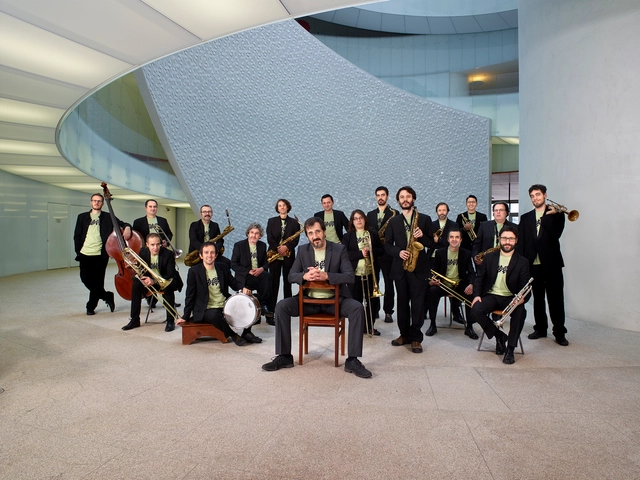
At Casa da Arquitectura, the sounds of Brazil are heard every day at the exhibition “Infinito Vão – 90 Years of Brazilian Architecture,” but in April, this intersection of music and architecture will be further strengthened. Zuza Homem de Mello—a leading figure of jazz in Brazil, musicologist, journalist, radio host, and music producer—is the central figure of this programming, which includes the Illustrated and Musical Lecture “90 Years of Brazilian Song – 1928 to 2018,” the concert “Brazilian Music, Portuguese Musicians,” the presentation and screening of the documentary “Zuza Homem de Jazz,” and a poetic performance inspired by Clarice Lispector starring actress Camila Pitanga.

In this doctoral thesis, architect Luciano Margotto, advised by Prof. Dr. Mônica Junqueira de Camargo, presents five lessons from architecture: Austerity, Generosity, Freedom, Public, and Spatiality. In his work, the author investigates the works of architects such as Carlos Millan, Marcello Fragelli, Eduardo Souto de Moura, Oscar Niemeyer, Vilanova Artigas, Fábio Penteado, Lucio Costa, Lina Bo Bardi, Paulo Mendes da Rocha, Brasil Arquitetura, Gabriel Guarda, Martín Correa, and Alvaro Siza. Below is the abstract of the thesis defended at FAUUSP in 2016.
-U204285124265iRC-1200x800_GP-Web.jpg?1549280258&format=webp&width=640&height=580)
Brazilian architecture and urbanism organizations have published a technical note regarding the failure of the Vale mining company dam in the city of Brumadinho, Minas Gerais, on January 25 of this year. Released last Friday, the document outlines ten points that comprise a preventive action strategy aimed at avoiding further tragedies and "protecting and saving lives."
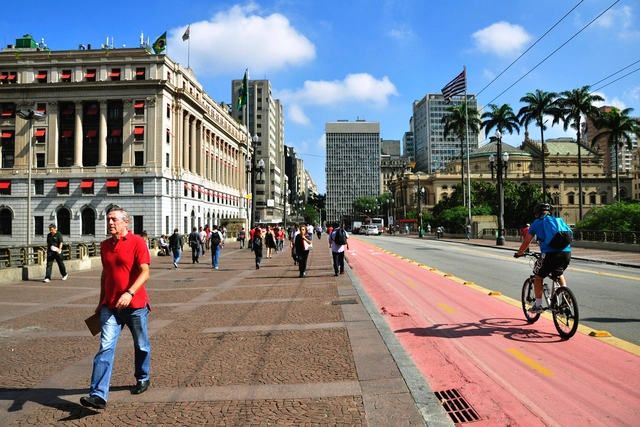
Five Brazilians die in traffic accidents every hour. While highly critical statistics like this can spark positive reactions, they are not always enough to change reality on their own. However, knowing that in the city of São Paulo intersections concentrate more accidents per kilometer, and that these rose by 5% from 2017 to 2018, provides decision-makers with the concrete data needed to implement measures to reduce these numbers. Acting on the most dangerous intersections will save lives.

In the popular imagination, *cortiços* (tenement houses) represented the worst of urban housing in Brazilian cities. Deeply rooted in the national culture and immortalized in Aluísio Azevedo’s classic novel, *cortiços* were depicted as unsanitary, dilapidated dwellings where disease proliferated, the margins of society lived, and landlords exploited tenants with extortionate rents.

A quality public transit system does not depend on buses alone: its overall quality is also directly linked to adjacent elements—such as bus stops. In all cities participating in the QualiÔnibus Benchmarking Group, bus stops were identified by the public as one of the most problematic components. But what can cities do to improve them?
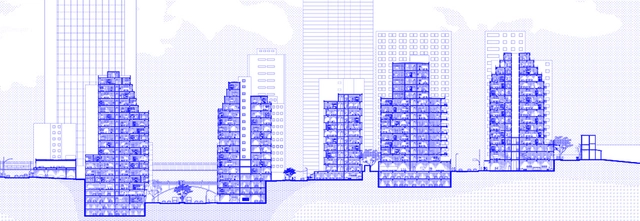
Architectural representation, regardless of the platform—whether a plan, section, isometric, or perspective—is simultaneously a product and a procedure. As a product, it is the final outcome representing the object, articulating scale, information, and medium. As a procedure, it is the process of defining what and how to represent, dissecting and translating information—understood not only as a graphic product but as a process of analyzing, selecting, and translating from one medium to another, an objective way of thinking through which new truths about the augmented object are revealed. For this procedure and product to be complete, their information must be understood by the viewer. This gives rise to graphic standards and codes that regularize comprehension and typically relate to the constructive logic of the building or city, whether existing or proposed. Ultimately, this graphic product is an abstraction of reality—an idealized, orthogonal translation of the aspects chosen for systematization.
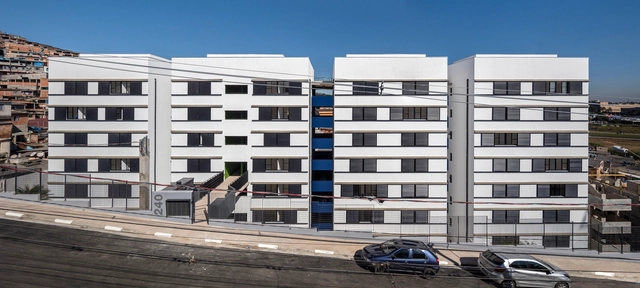
The Institute of Architects of Brazil - São Paulo Department has announced the winners of the IABsp 2019 Awards. Divided into 17 categories that cover social housing, commercial and cultural projects, urban design, and restoration—both built and unbuilt—as well as publications, photography, ephemeral architecture, and student projects, the IABsp 2019 Awards aim to identify the advancements and challenges in contemporary national architecture and urbanism. The initiative recognizes ingenious and significant proposals, particularly those that effectively contribute to the development of technique, knowledge, and the built environment in dialogue with nature, society, economy, and culture.
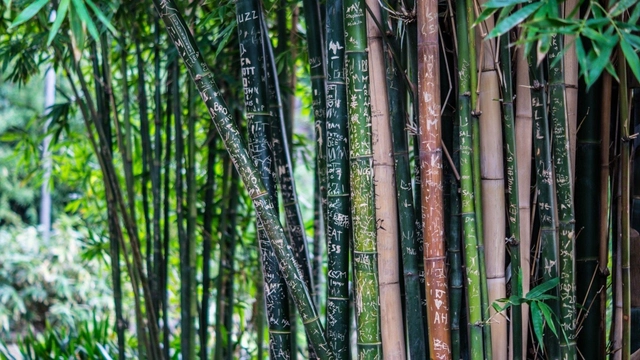

The Bamboo Experimentation Laboratory at UNESP - Bauru is one of the leading centers for bamboo research in Brazil. The group of researchers associated with the lab has produced a vast portfolio of research and products ranging from orthopedic prosthetics, furniture, and shoes to building components. In this thesis, engineer Marco Antônio dos Reis Pereira, the laboratory coordinator, presents the Bamboo Project, which is the result of his academic and research work conducted since 1994. The thesis was presented in 2012 at UNESP - Bauru to obtain the *Livre-Docente* degree in the discipline of Bamboo Design and Construction. Read the author's abstract below.
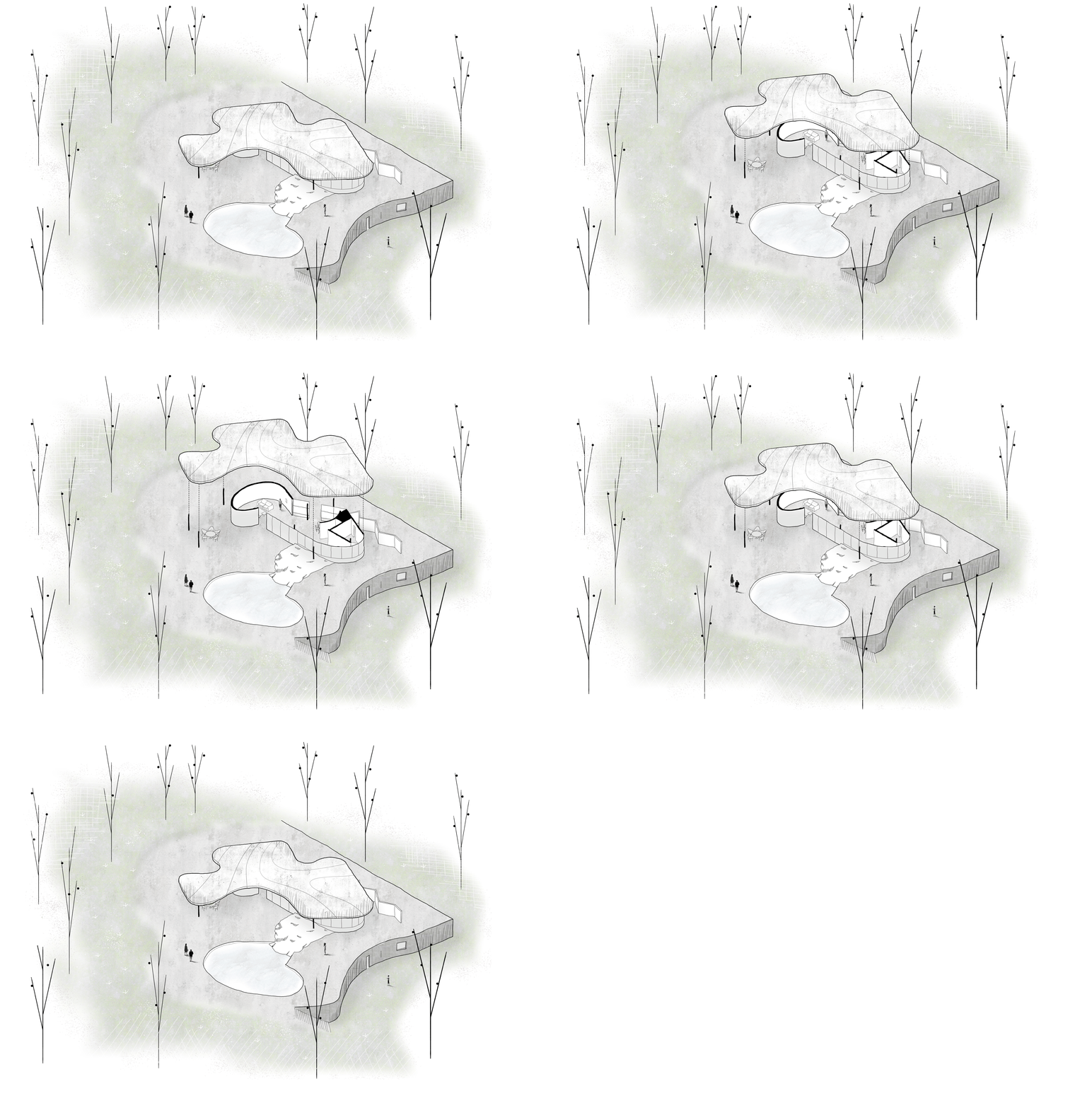
Architect and illustrator Matías Kim has shared with us a series of drawings featuring some of Oscar Niemeyer's most iconic works. With simple, precise lines, Kim explores the plasticity of the modern architect's works through static and moving images, revealing the interiors of projects such as Casa das Canoas and the Cathedral of Brasília.

The Reasons Offsite, an exhibition on modular and prefabricated architecture, was created in Portugal by the studio SUMMARY and is traveling around the world. The exhibition has been shown in Albania (at Tirana Architecture Week, in September 2018) and in the United States (at the Salt Gallery of the Boston Society of Architects, in March 2019). It now has two more editions confirmed for this year, in Edinburgh and Weimar, the latter as part of the Bauhaus centenary celebrations.
.jpg?1570815954&format=webp&width=640&height=580)
On Wednesday, October 9, the 21st Brazilian Congress of Architects (CBA) began. Organized by the Institute of Architects of Brazil (IAB) since 1945, this year's edition runs through October 12 in Porto Alegre, inviting professionals and the public to discuss its theme, Space and Democracy, through events held across various locations in the city's Historic Center.