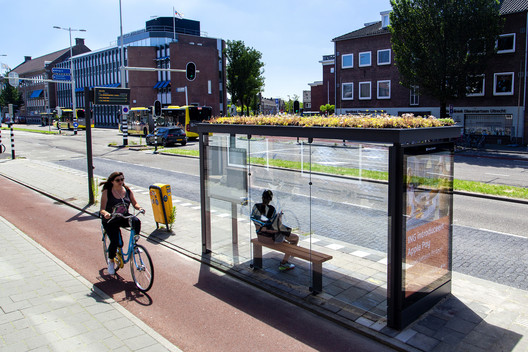
A quality public transit system does not depend on buses alone: its overall quality is also directly linked to adjacent elements—such as bus stops. In all cities participating in the QualiÔnibus Benchmarking Group, bus stops were identified by the public as one of the most problematic components. But what can cities do to improve them?

This insight was revealed through the QualiÔnibus Satisfaction Survey, which assesses the quality of various aspects of bus-based public transit systems from the passengers' perspective. Bus stops are the public's first contact with the system. In other words, they can either make a great first impression or, conversely, cause immediate frustration. Long wait times without comfort or shelter from the elements, lack of security, poor lighting, and a lack of real-time arrival information are some of the factors that lead to a negative transit experience. Studies show that passengers can perceive one minute of waiting at a bus stop as equivalent to up to three minutes of travel time inside the vehicle.


