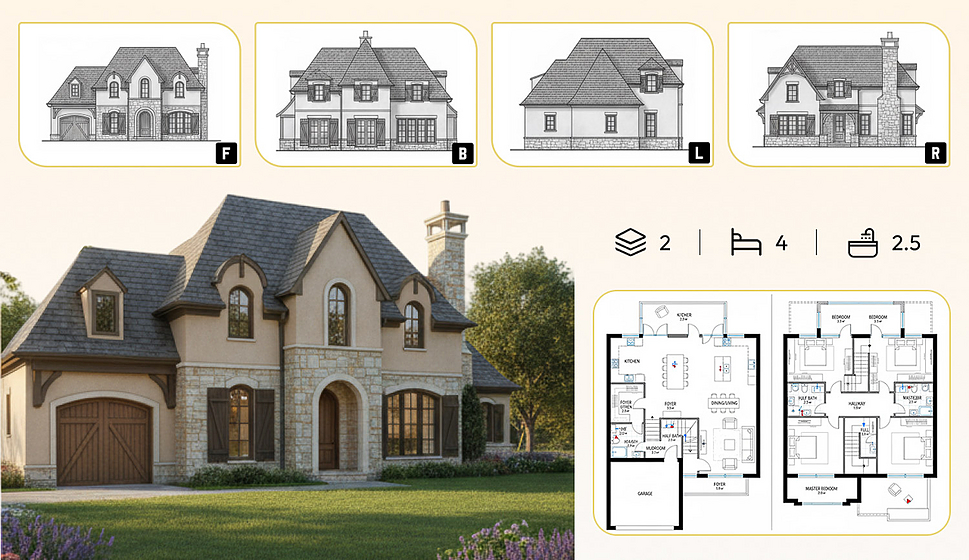
This guide covers a workflow that moves from project parameters to generated floor plans, 3D perspective views, exterior design exploration, and site context visualization, using AI tools in place of preliminary CAD and rendering work.
This guide covers a workflow that moves from project parameters to generated floor plans, 3D perspective views, exterior design exploration, and site context visualization, using AI tools in place of preliminary CAD and rendering work.

As part of an initiative by architects and urban planners to mark the 50th anniversary of the founding of Cancun in Quintana Roo, Mexico, two comics have been released to portray the history of Cancun's Foundational Zone. Created by Pablo Landa of Landa + Martínez and David 'El Dee' Espinosa, this work explains the origins of the city's urban layout, as well as the history behind Cancun's Foundational Zone, to help understand its sustainable, pedestrian-friendly origins that promote community life.
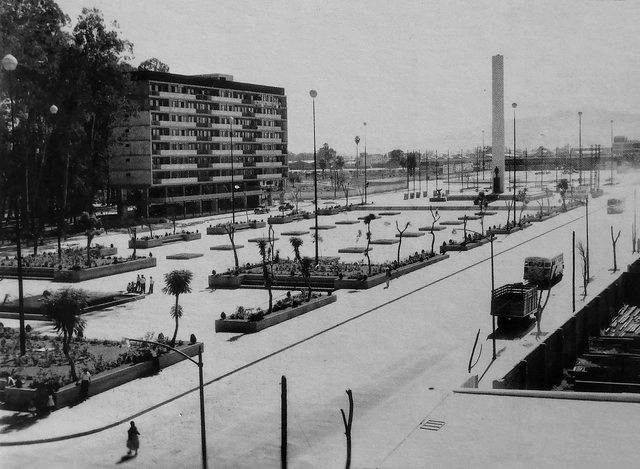


This article is part of a collaboration with the website coolhuntermx and was originally published under the title "Julio de la Peña, the architect who built half of Guadalajara."
The moniker of having “built half the city” is often an exaggeration when discussing architects with a large volume of work. However, in the case of Julio de la Peña, the claim is not so far-fetched. This is true not only because of the sheer number of his projects, but also due to how iconic they are for Guadalajara.

On Wednesday, December 16, Panel Rey brought together architects from across Mexico for its fifth annual New Year's toast in Monterrey, Nuevo León. This year, a special recognition was presented to architect Bernardo Hinojosa, who has an impeccable career of more than 46 years in the profession, with more than 1,750,000 square meters of planned projects spanning commercial, office, educational, sports, urban, industrial, and residential architecture.

Yesterday, the Mayor's Office of Bogotá shared on social media the first images of the Santa Clara Hospital renovation, which is part of the San Juan de Dios hospital complex in the Antonio Nariño district. They also announced the signing of the start-of-work agreement for its construction and renovation.
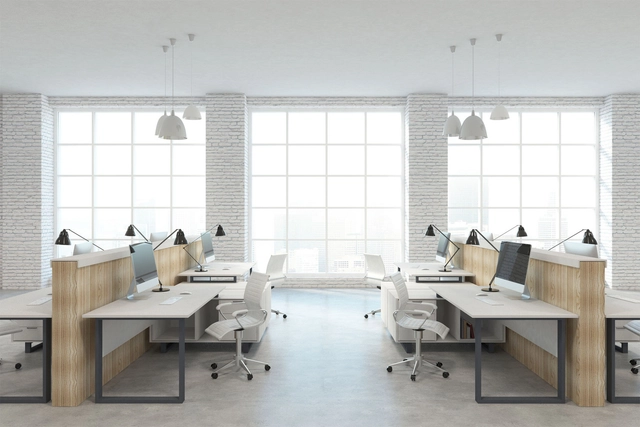
COVID-19 will likely change the way we live and work for an extended period. In this landscape, organizations have been seeking short-, medium-, and long-term solutions to guarantee their staff a safe return to work. Protecting the health of employees exposed to contact in the workplace requires implementing biosecurity strategies, social distancing, occupancy limits, cleaning, and disinfection. This article explores preventive measures recommended by HID Global, based on the application of identification technologies.

With the emergence of COVID-19, we have had to adapt to living differently than we were used to, which has been directly reflected in our working style. Where and how do we work today? A large portion of the workforce has transitioned to working from home, where feasible. While comfortable for many, for others it has meant a radical shift, bringing new spatial and resource requirements. For architects, engineers, builders, and contractors, this challenge has been particularly complex, as much of their work involves handling large, high-cost devices.
In this article, we present 3 innovative solutions that replace the traditional, bulky plotter, allowing us to print in large formats from our own homes.
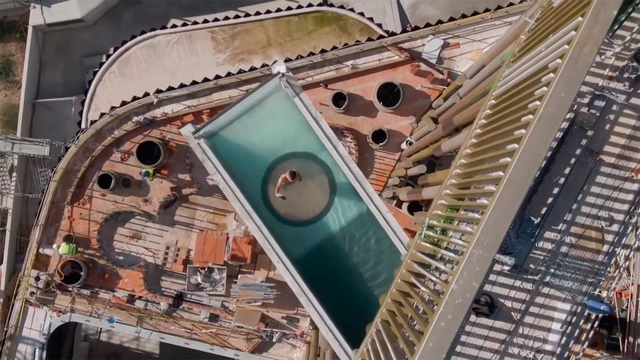
Clavel Arquitectos is behind the design and construction of Odiseo, a building designed to function as an urban oasis and leisure center in Murcia, Spain. The most striking feature from the exterior is what will be Europe's largest cantilevered pool—and the second largest in the world.
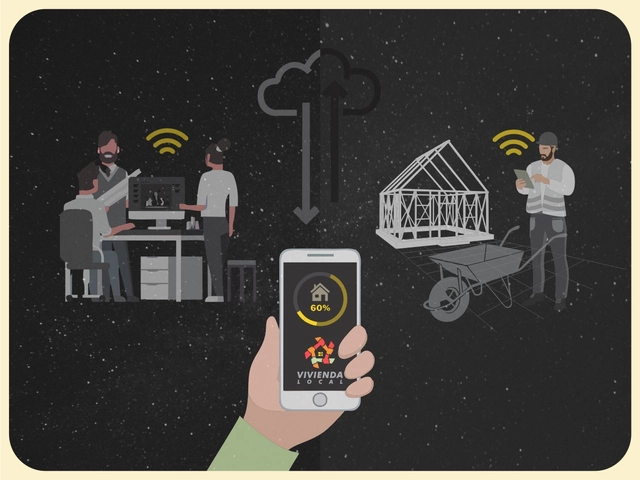
The NGO Vivienda Local, which works through collaborative self-construction in Chile, has launched a website to monitor the progress and stages of its active projects. The platform is designed to streamline operations and enhance communication between the architects using this methodology and the self-building families.

It appears that the humanitarian crisis has triggered a myriad of actions, rarely seen under normal circumstances, where human life, health, and the economy are prioritized equally. As urban activities grind to a halt, we once again isolate and alienate ourselves; yet, this situation feels strangely familiar. Almost seamlessly, we turn our lives over to technology, detaching ourselves from the physical conditions of our existence to make quarantine more bearable within spaces of telecommuting, virtual classes, chats, and social networks.

The ECOM Rosario (Metropolitan Coordination Agency) is a voluntary association of municipalities and communes, an institutional space for the planning, coordination, and promotion of public policies with regional impact, organized on the basis of a strategic partnership among 26 localities. It is essentially an organ for driving the formulation, development, and execution of projects at a metropolitan scale, established with the goal of supporting balanced and integrated territorial development in the Metropolitan Area of Rosario (AMR), Argentina.
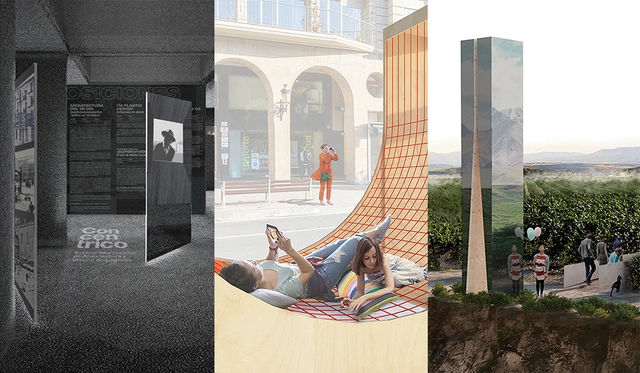
Concéntrico 06 is the Logroño Architecture and Design Festival, open to all citizens and visitors, which invites them to discover and rediscover key spaces in the city's historic center.
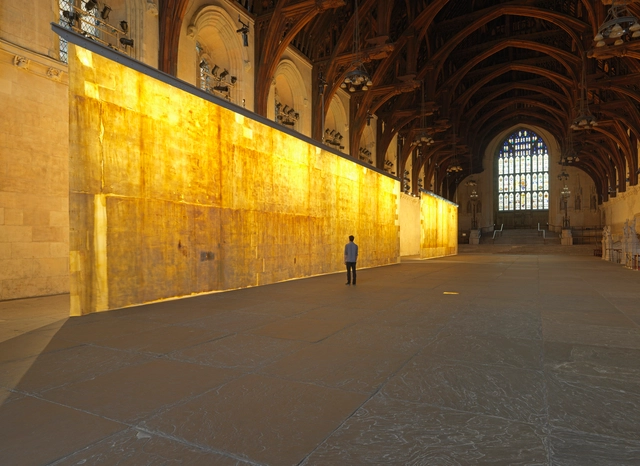
"I am interested in how we transition as people from one phase of life to another, and as cultures from one historical period to another. Transitions are often difficult, maybe even frightening." With this introduction, we can expect the work of artist-architect Jorge Otero-Pailos to offer a different perspective, particularly in how we understand the passage of time in architecture throughout history.
Below, he shares photographs of his series "The Ethics of Dust," which highlights the cleaning of dust and pollution residue from renowned historical buildings and monuments—making the invisible visible.
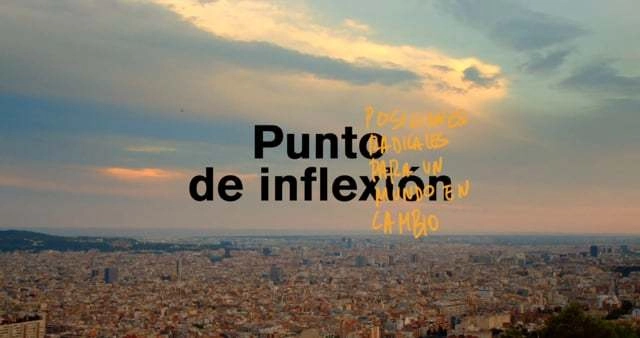
"We are at a historic moment. Everything is changing—the way we relate, work, and build. The boundaries between the physical and the digital, the local and the global, are blurring as we move toward an uncertain horizon shaped by the climate emergency and social inequalities. In this context, the role of architecture, design, and urban planning is fundamental."
These are the opening words of a new documentary produced by the Arquia Foundation—the first in a series profiling different Spanish cities—directed by Javier Peña. The film explores Barcelona's most radical architecture through the lens of a generation of architects who emerged in 2008 in the midst of the financial crisis. It features contributions from Anna and Eugeni Bach, Maio, David Steegmann, Adrià Escolano, Vora Arquitectura, Bonell + Dòriga, Raúl Sánchez, Arquitectura G, FLEXO Arquitectura, Carles Enrich, La Col: cooperativa de arquitectos, and Harquitectes.

The Tomie Ohtake Institute and AkzoNobel continue to map contemporary architectural production, highlighting, for the seventh consecutive year, significant projects built within the current Brazilian landscape. The relationship to the urban context, the commitment to the site and sustainability, as well as design and construction inventiveness, are the core criteria guiding the 7th Tomie Ohtake Institute AkzoNobel Architecture Prize.
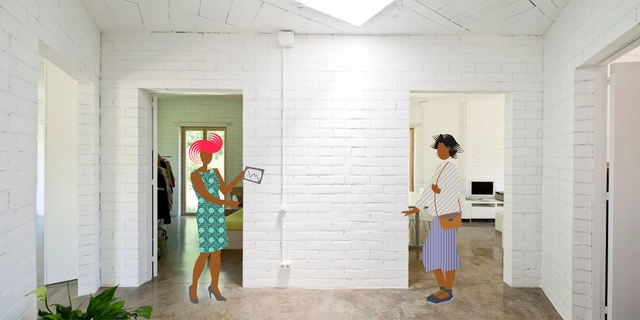
Have you ever had to convince your friends or family that an exposed brick wall can be more appealing than a plastered, white-painted one? Or that exposed building systems can offer significant advantages when it comes to maintenance? Do we connect better with a smooth backdrop for hanging art than with the textures of exposed materials?
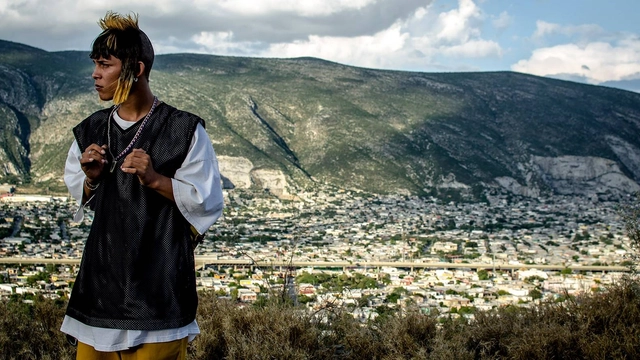
Directed by Mexican filmmaker Fernando Frías and winner of the Morelia International Film Festival, “I’m No Longer Here” (“Ya no estoy aquí”) is a film that has been widely discussed across various disciplines. It highlights the specific values and struggles of a territory while transcending borders to showcase the most human and global aspects of our shared world.
A glance at the portfolio of Miguel De Guzmán and Rocío Romero reveals a duo that successfully captures the breadth of architectural spaces while conveying the underlying concepts. Together, they founded the Madrid- and New York-based photography and film studio Imagen Subliminal , documenting the latest developments in global architecture to allow viewers to experience the energy and creativity driving these projects.
On World Photography Day, we spoke with the duo about the evolution of their work and the role photography plays in both the current and future architectural landscape.
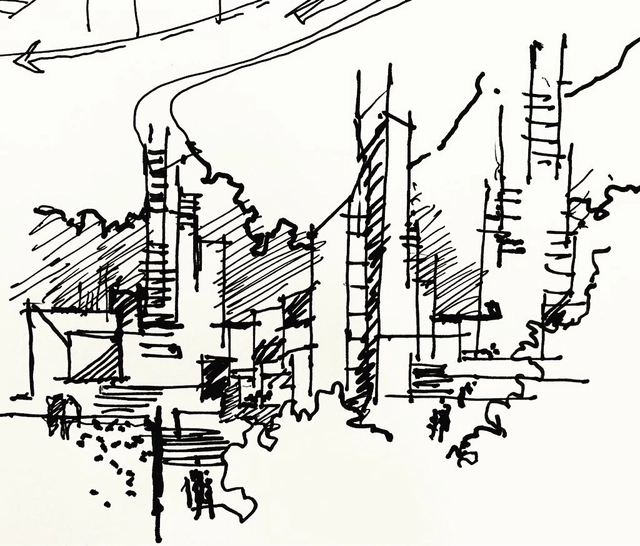
The city belongs to everyone; it is a reflection of who we are as a society. That is why we must care for it—because it is ours! We have a civic commitment.
(Civic, from the Latin civis / City, citizen, from the Latin civitas)
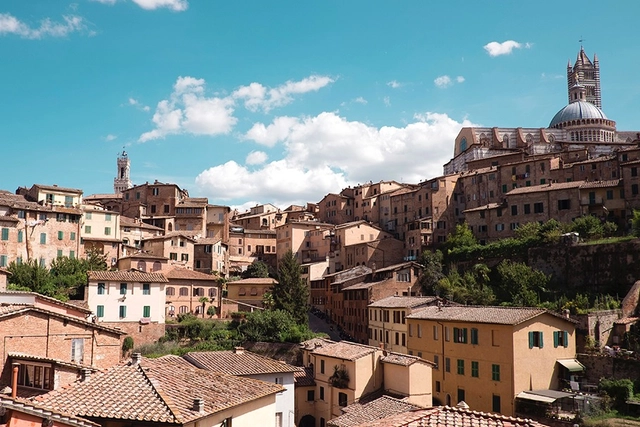
When we were still nomads, we fought our first battles with sticks and stones. The reasons for aggression against members of our own species can vary, ranging from securing resources and territory to seeking revenge or even power. Battles between different tribes have accompanied human evolution on Earth. Ever since the creation of cities, warfare and the combat equipment of each era have been important factors to consider in the planning of urban centers.
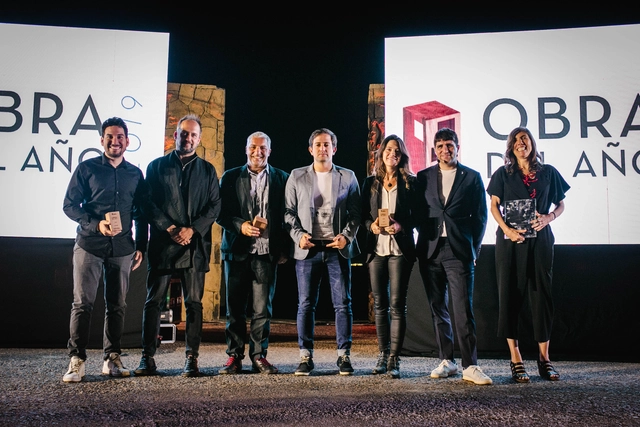
For the eleventh consecutive year, ArchDaily celebrated the best of Latin American architecture, presenting the Building of the Year award to architects Barclay & Crousse (Peru), Felipe Assadi (Chile), and Natura Futura + Frontera Sur Arquitectura (Ecuador). This year, the ceremony took place at the Pablo Neruda Lookout on San Cristóbal Hill, bringing together the architectural community and ArchDaily's main partners.
_11.44.10.jpg?1595954667&format=webp&width=640&height=580)
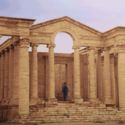
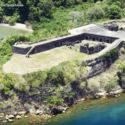
Despite UNESCO's recognition of specific World Heritage sites, many of them remain in constant danger of disappearing due to natural phenomena like earthquakes and human factors such as urbanization. By definition, these landmarks are vital to human history, possessing characteristics that reflect the deepest values of diverse civilizations. Nevertheless, much of the global population has never experienced them in person.
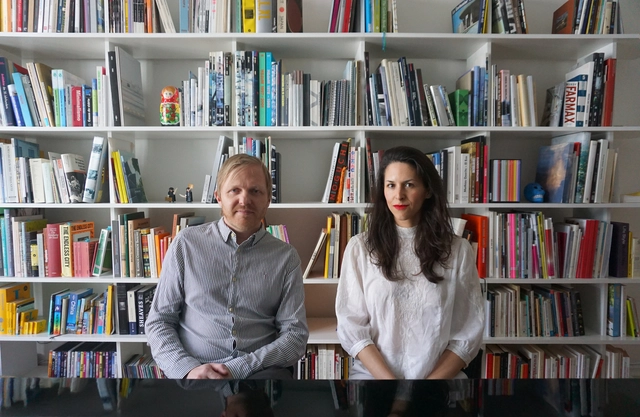
In this exclusive interview with ArchDaily, Ingrid Moye and Christoph Zeller, founders of the Mexico City- and Berlin-based firm Zeller & Moye, discuss the history of the practice, as well as how their personal and professional interests have evolved over the years regarding their way of living and making architecture.

In February 2020, the Architectural League of New York announced the eight firms based in the United States, Canada, or Mexico to be recognized through the Emerging Voices award, whose emerging practices have the potential to influence the disciplines of architecture, landscape architecture, and urban design. Among them, the winning Mexican firm was Escobedo Solíz, comprised of Lazbent Pavel Escobedo Amaral and Andrés Soliz Paz.
ConArq is the first National Congress of Architecture organized by students in Argentina. It stems from the desire to discuss, listen to, and propose architecture across the country's different schools, aiming to strengthen student education and make significant contributions to the practice of the discipline, ultimately creating a space for debate.




_11.44.10.jpg?1595954667)