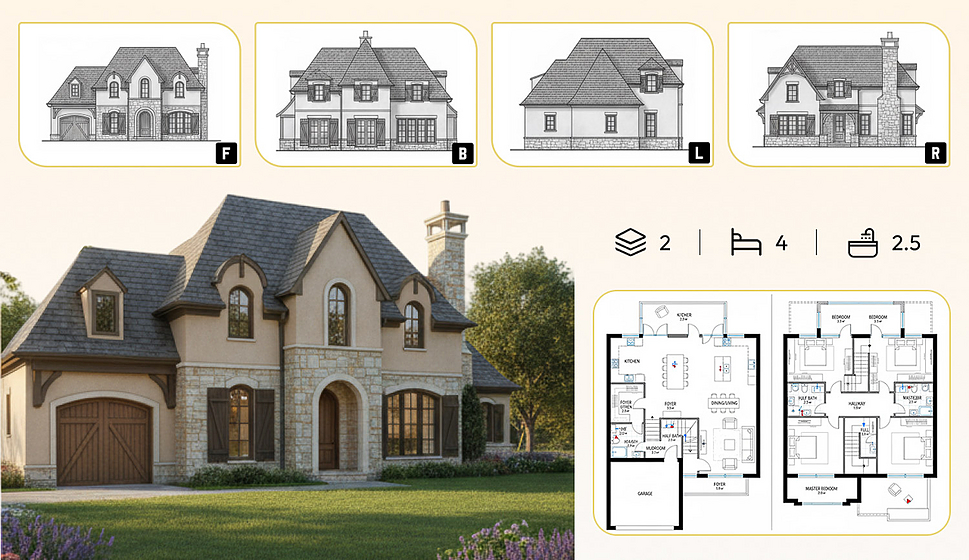
This guide covers a workflow that moves from project parameters to generated floor plans, 3D perspective views, exterior design exploration, and site context visualization, using AI tools in place of preliminary CAD and rendering work.
This guide covers a workflow that moves from project parameters to generated floor plans, 3D perspective views, exterior design exploration, and site context visualization, using AI tools in place of preliminary CAD and rendering work.
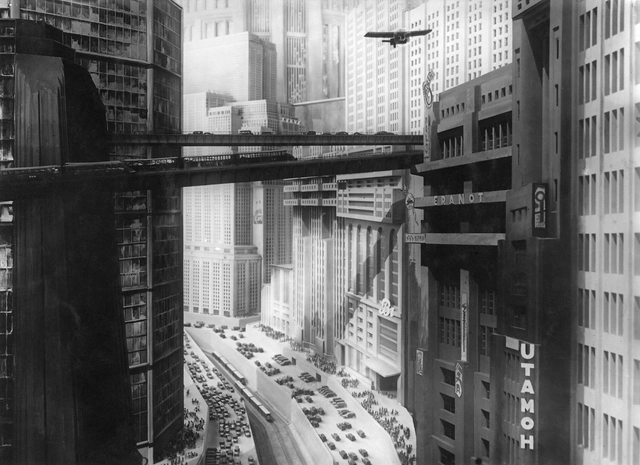
Belas Artes À La Carte is a movie streaming service designed for film lovers. Its catalog of around 400 titles includes films from all corners of the world and all eras: contemporary works, classics, cult films, works by great directors, award winners, and, above all, those that deserve to be revisited and touch the hearts of cinephiles.
Another highlight is the curated film showcases. Recently, À La Carte featured specials dedicated to French, Italian, Korean, Spanish, and Swiss cinema. Recognizing the close and prolific relationship between architecture and cinema, ArchDaily and Belas Artes À La Carte have partnered to offer readers one month of free access to the platform's film catalog!
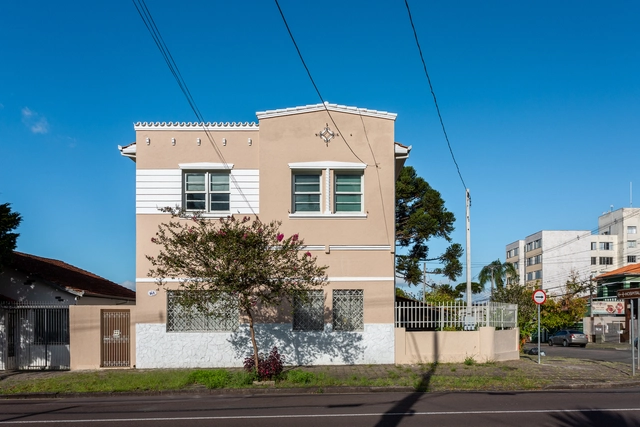
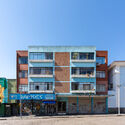
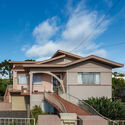
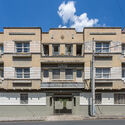
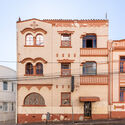
Most of the urban landscapes that shape our lives are made up of modest houses—those built in the 20th century by immigrants, artisans, and anonymous builders. However, this vernacular architecture, full of warmth, good design, and rich details, is not studied as frequently as it should be. But this is beginning to change. At least in Curitiba.
Architects Fábio Domingos Batista and Paula Domingos Fraiz Morais spent months studying the residential architecture of the Paraná state capital. Now, they are launching a two-book box set, *Inventário de Arquitetura Residencial Curitibana* [Inventory of Curitiba's Residential Architecture], aimed at the general public. The publication features architectural details of approximately 160 houses in Curitiba built between 1920 and 1960.
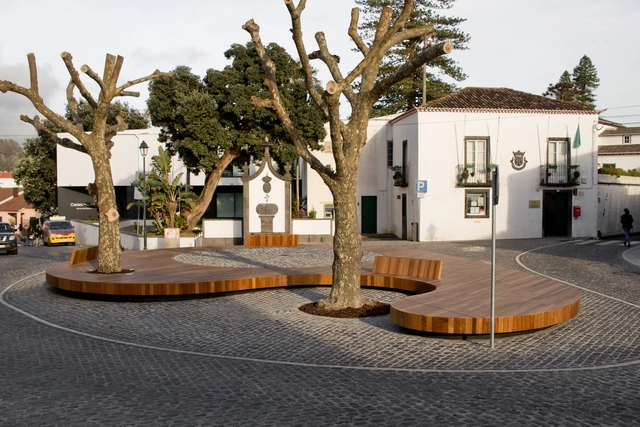
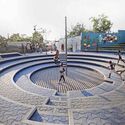
Squares are open spaces within the urban fabric, defined by buildings or streets, that facilitate a variety of gatherings and social and cultural activities. Whether intentionally planned or remnants of the urban layout, squares are fundamental to the life and culture of the community, and they proved even more vital following the COVID-19 pandemic. Here, we present nine small-scale squares that demonstrate the diverse uses and functions these spaces can assume in contemporary cities.
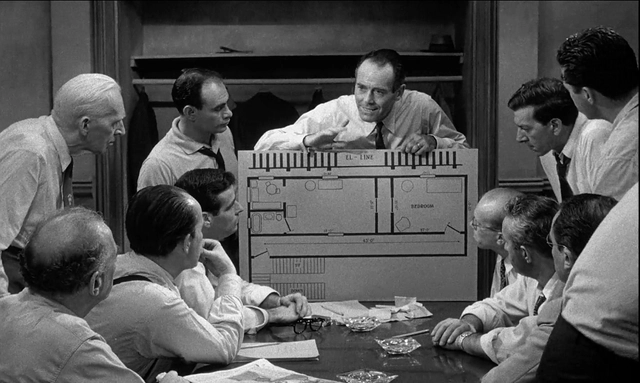
The relationship between architecture and cinema is a recurring theme on Arquicast. These are two distinct art forms with different purposes, yet they complement and influence one another through shared attributes—such as tapping into collective memory, valuing the image as a visual language, and evoking emotions and sensations in users and viewers alike. The podcast team is so passionate about discussing cinema that they created a dedicated series on the topic, with a dozen episodes already produced.


Economic crises, health emergencies, and natural disasters, followed by social conflicts, political instability, and the search for new places to live, have historically driven the displacement of hundreds of millions of people. Consequently, entire populations have had to adapt to changes in residence, habitat, and culture.
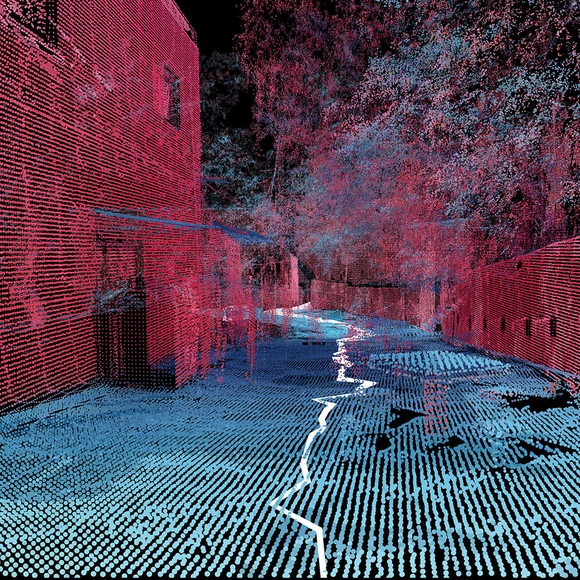
Using 3D laser scanning technology, the Senseable City Lab at the Massachusetts Institute of Technology (MIT), in collaboration with BRTech 3D and Washington Fajardo, Rio de Janeiro's Municipal Secretary of Urban Planning, is conducting a comprehensive morphological analysis of Rocinha, Brazil's largest favela, which has around 100,000 residents across 838,000 square meters and nearly 26,000 homes.

Located 60 km from Belo Horizonte, Caeté is the latest Brazilian city to adopt free public transportation. The initiative took effect on July 1 and will undergo a six-month trial period, with the potential for permanent implementation. Approved by the City Council, the bill allows residents to use the municipality's six bus lines free of charge. Previously, the fare was R$4.
The program is funded through a monthly subsidy of R$90,000 paid to Transcol Caeté, the transit concessionaire operating in the city, which had previously considered suspending services due to financial difficulties.
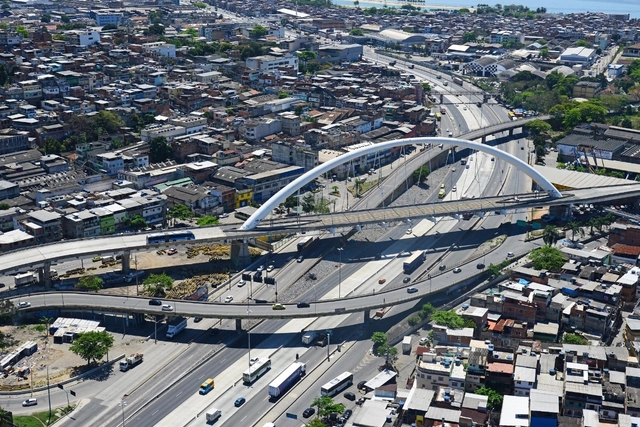
Under construction since 2014 and scheduled for completion in 2022, the TransBrasil BRT has the potential to become one of the highest-capacity BRT corridors in the world. The corridor could redefine the land use and occupation of Avenida Brasil, one of Rio de Janeiro's main thoroughfares, which last year led the ranking of traffic collisions involving casualties. The avenue cuts through and divides several predominantly low-income neighborhoods, segregating them and hindering access between both sides of the roadway. Completing the TransBrasil corridor is an opportunity for the urban restructuring of these neighborhoods and the improvement of public spaces for residents, workers, and visitors in the region.
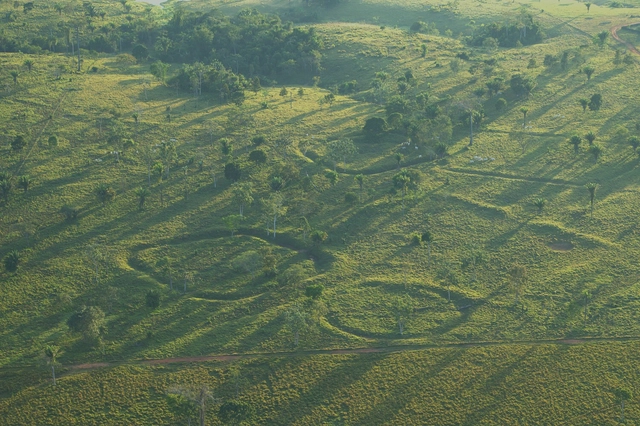
Brazil's participation in the 19th International Architecture Exhibition – La Biennale di Venezia will be marked by the exhibition (RE)INVENÇÃO, curated by architects Luciana Saboia, Matheus Seco, and Eder Alencar of the collective Plano Coletivo. The initiative, organized by the Fundação Bienal de São Paulo in partnership with the Ministries of Culture and Foreign Affairs, invites a reflection on the connections between nature and the city, exploring ancestral infrastructures and their potential reinterpretation in contemporary Brazil.
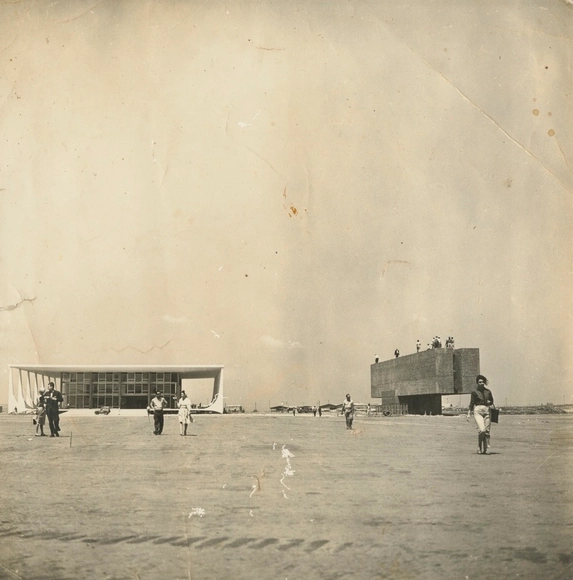
The Federal District of Brasília and Casa da Arquitectura in Portugal have signed an agreement to share the digital archive of Lucio Costa, the urban planner behind Brasília's Pilot Plan. The signing ceremony took place on February 18, 2025, at the Buriti Palace, in the presence of the governor of the Federal District, Ibaneis Rocha, the executive director of Casa da Arquitectura, Nuno Sampaio, and the Portuguese Minister of Culture, Dalila Rodrigues.
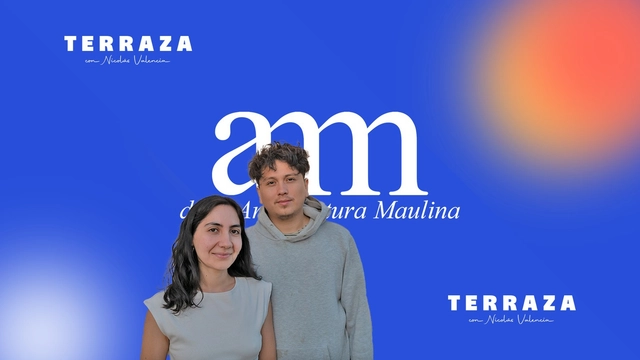
Nicolás Valencia speaks with Chilean architects Matías González Ulloa and Sofía Carrión Bobadilla, creators of Área Verde and leaders of Arquitectura Maulina, a digital platform focused on the architecture, territory, and reflections of Chile's inspiring Maule region.
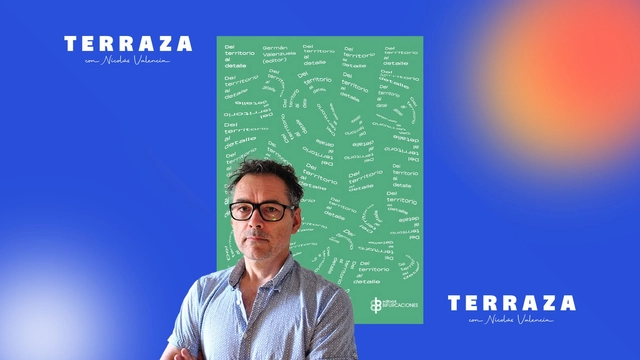
Nicolás Valencia speaks with Chilean architect Germán Valenzuela about the book Del territorio al detalle (Bifurcaciones), a selection of the most interesting contemporary architects in Latin America, from Al Borde to Rozana Montiel, including Mauricio Rocha, Inés Moisset, and Solano Benítez.
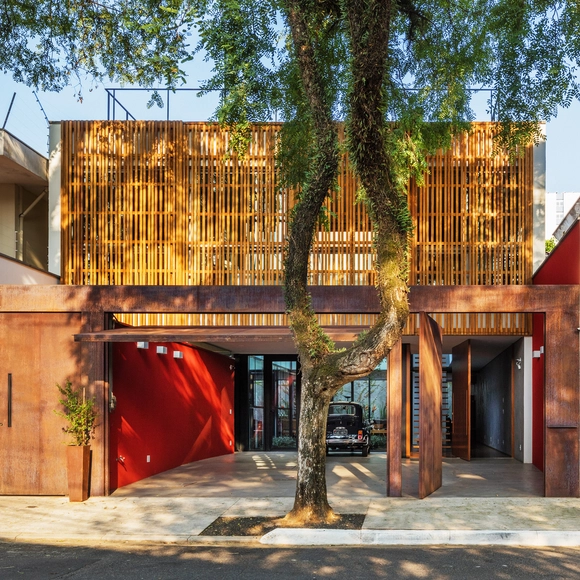
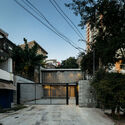
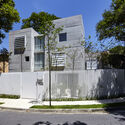
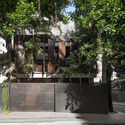
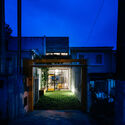
Houses are the most intimate structures we as architects can design. It is no coincidence that intimacy, security, and privacy are recurring concepts in residential architecture. Yet, like all architecture, houses are inevitably embedded in a context—an environment with which they must engage. There are many ways to achieve this, particularly within highly dense urban fabrics, as is the case in many Brazilian cities.
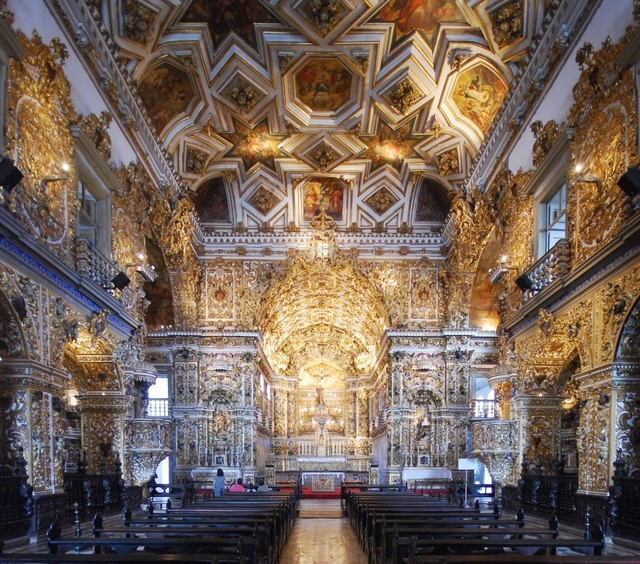
What happened at the conventual Church of Saint Francis of Assis in Salvador is yet another sad chapter in a process afflicting Brazilian cultural heritage, which has intensified in recent years with the fires at the National Museum in Rio de Janeiro, the Cinemateca, and the Museum of the Portuguese Language in São Paulo. Consequently, over the last few days, there has been intense debate regarding who is to "blame" for what occurred in Salvador, or who bore the "responsibility" to prevent this disaster, which also claimed the life of a young tourist: whether the church administrators, IPHAN (the National Institute of Historical and Artistic Heritage), or local cultural and heritage agencies. This is a difficult and indeed important issue to discuss, demanding careful investigation into the causes of the incident. Yet the debate must be broader, aimed above all at considering how we can prevent such events from happening: greater investment, greater appreciation of artistic and architectural heritage, stricter and more effective safety protocols, preventive conservation, and heritage education. In the days following the incident in Salvador, numerous colonial-period buildings were closed across the country under the claim that they, too, might collapse. Our heritage demands attention—in many cases, urgently.
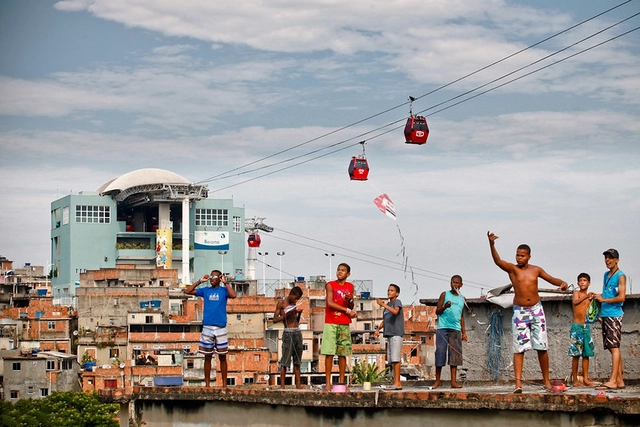
"There is coconut candy and peteca
Let the child play
Today is a day of celebration
The ibejada comes to bless."
— Song for the erês
Streets come alive when they belong to the erês and die when they belong to cars. I dream of a project that I intend to put into practice when time allows: writing a manual of the fabulous rules of hopscotch, carniça, button football, preguinho, capture the flag, ring-around-the-rosy, lenço-atrás, slope soccer, dodgeball, and the variations of marbles. The title is already set: "The Loving Ecology of Street Games."

“Waking up early, waking the kids, making and serving breakfast, showering, bathing them, heading to the bus stop. The bag drops, the child throws a tantrum, the bus is late. Arms, backpack, child... you lose track of the order. First task of the day: the first bus and the kids arrive at school; then, rushing to another stop and another wait until the second bus arrives. Boarding, standing, dodging fatigue and harassment on the way to work. At lunchtime, a quick run to the pharmacy, and maybe the nearby open-air market. Or is today the day to stop by the butcher? Heading home from work: bags, purse, and exhaustion. A stop along the way to pick up the kids, and an inconvenient reminder of what's missing at home drives a detour to the grocery store before finally arriving back home as the day ends—though not before making dinner. Phew!”
This excerpt recounts a fictional day. However, this routine is the daily reality in many households, especially low-income ones, in peripheral areas, and in single-parent homes headed by women, where the drama of constant back-and-forth travel can be intensified by intersectional factors such as gender, race, social class, generation, territory, physical ability, and sexual orientation.

Today, Paulo Mendes da Rocha would have received the highest honor from the International Union of Architects at the World Congress of Architects (UIA 2021 RIO). To mark the occasion, the IAB São Paulo sent a letter to the city's mayor and councilors proposing a tribute to the architect.
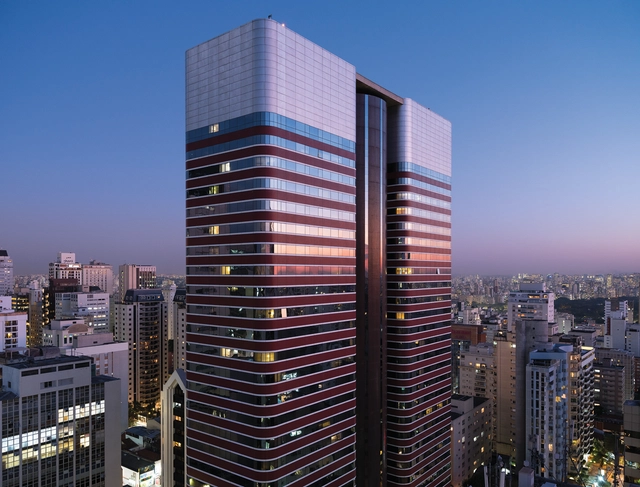
The Romano Guerra Editora and the Instituto Tomie Ohtake are launching a new book on the work of Ruy Ohtake, exploring aspects of the architect's career that have received little attention in previous publications. According to editors Abilio Guerra and Silvana Romano Santos, “the nine previous monograph publications lacked consistent technical drawings. Unrestricted access to the architect's archives, however, made it possible to analyze and present the complexity of the designs.”
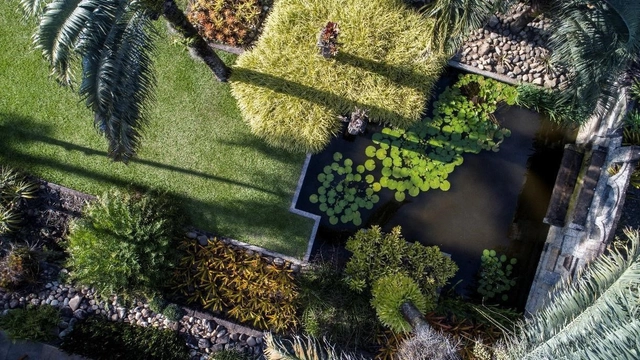
Brazil has just gained another World Heritage site. The legacy of one of the 20th century's greatest landscape architects, the Roberto Burle Marx Site (SRBM) was recognized on Monday, July 26, during the 44th Session of the World Heritage Committee of the United Nations Educational, Scientific and Cultural Organization (UNESCO).
The Site was recognized under the Cultural Landscape category, which includes properties that represent the interaction between the natural environment and human activities, resulting in a modified natural landscape. Brazil now has 23 properties inscribed on the UNESCO World Heritage List, a registry of sites considered to possess outstanding universal value for human culture.
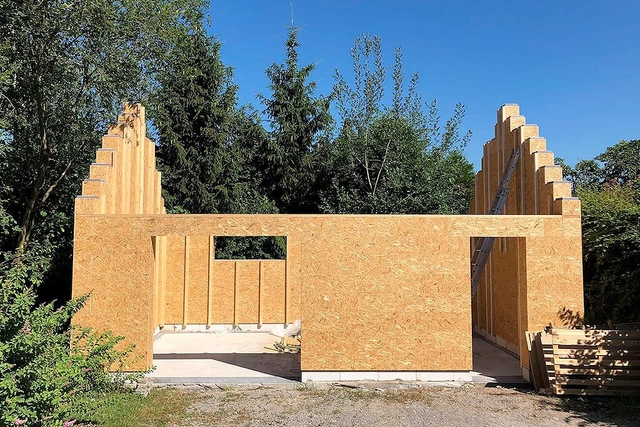
Anyone who has played with wooden blocks or the famous LEGO toy knows the satisfaction of imagining something and building it with their own hands. In Belgium, this concept has taken on a whole new scale. Construction specialist Gabriel Lakatos has always loved playing with blocks and turned this passion into a building system for wooden houses. His company, Gablok, sells home construction kits designed to make building simple and efficient.
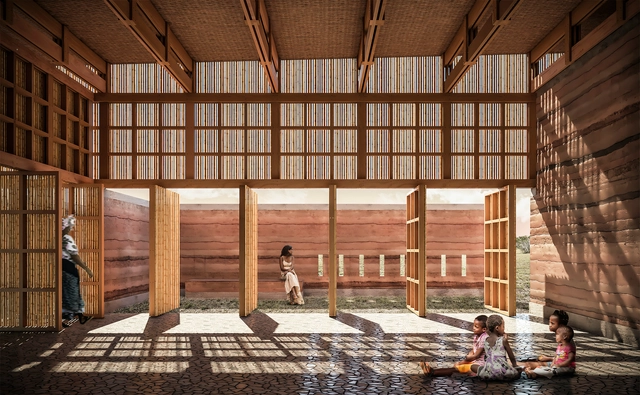
The Women’s House in Africa design competition aimed to promote the involvement and empowerment of the female community in Senegal. The competition was organized by Kaira Looro International, a non-profit organization that hosts contests open to students and young architects to foster humanitarian projects in developing countries and spotlight emerging architectural talent.
The competition, which challenged participants to design a “women’s house” featuring symbolic, ecological architecture inspired by local traditions, selected a Brazilian team among its finalists, composed of students Marcela Luana Sutti and Adenir Filho. Read more about the featured proposal and its project description below.

The Museu dos Emboabas Competition, an initiative of the municipality of Caeté, Minas Gerais, seeking architectural proposals to honor the memory of the War of the Emboabas, has selected the firm ARQLIQ arquitetura and architect Laila Bentes, with collaboration from Márcio Motta and Giulia Sgarbi, as the winners. The winning proposal was chosen for its careful attention to both the building's interior, with its spacious and versatile areas, and its surrounding environment.
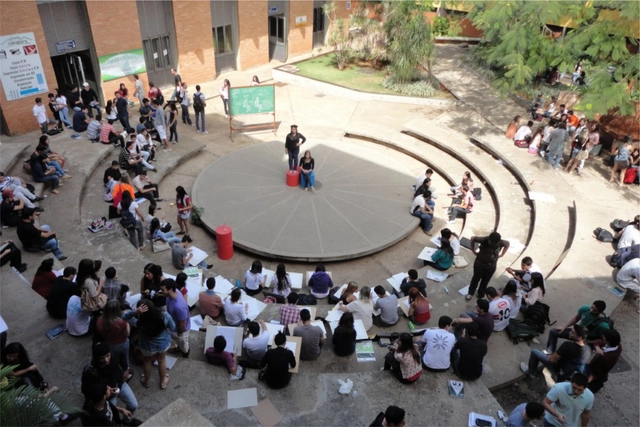
The administration of the Pontifical Catholic University of Goiás intends to dissolve the Professor Edgar Albuquerque Graeff School of Arts and Architecture.
The justification for this unexpected move is institutional cost-cutting. This argument might even be acceptable; managing or reducing expenses is standard practice, and not only for philanthropic universities. What is neither clear nor reasonable, however, is why reducing ordinary operating costs requires dissolving one of its oldest and most recognized divisions. This is a School that has stood out exceptionally on the national stage, with a history that must be recalled here to fully grasp the tragic nature of this unfolding decision—one made without dialogue with the professors, artists, and architects currently there, and without considering the identity and memory of the thousands of architects, artists, and designers who have passed through its doors over the last 70 years.
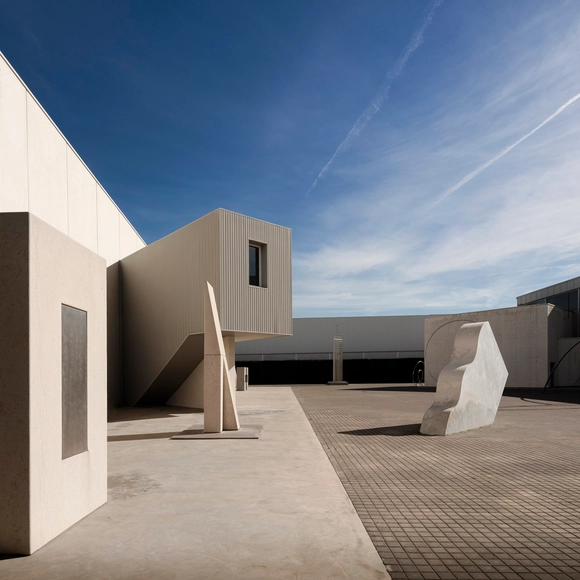
The MArch Valencia Postgraduate School offers a unique educational proposal, featuring three postgraduate programs and two master's degrees designed to effectively connect academic knowledge with professional experience. Its teaching methodology is based on a practical approach and collaboration with renowned professionals and architecture and design studios, providing students with the necessary tools to excel in a highly competitive job market.