

-
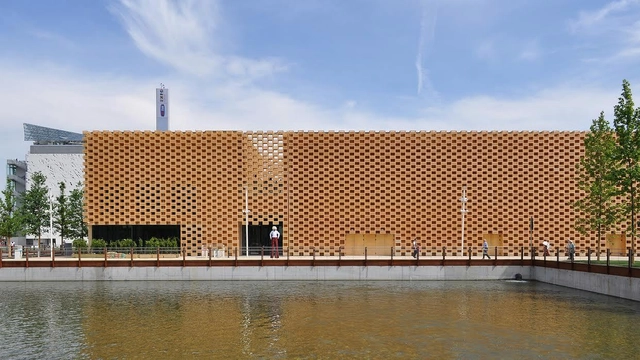
Architects: Kéré Architecture
- Area: 500 m²
- Year: 2016

Photographer Laurian Ghinitoiu has captured the collaboration of the Swedish fashion retailer COS and Japanese architect Sou Fujimoto for this year's Salone del Mobile in Milan.
"In this installation for COS, I envisage to make a forest of light," said Fujimoto. "A forest which consists of countless light cones made from spotlights above. These lights pulsate and constantly undergo transience of state and flow. People meander through this forest, as if lured by the charm of the light. Light and people interact with one another, its existence defining the transition of the other."

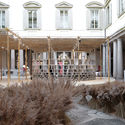
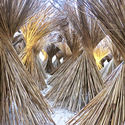
Created for the 2016 Milan Design Week, MAD Architects’ “Invisible Borders” installation is part of the “Open Borders” exhibition curated by Italian magazine Interni. Taking place in the traditional Cortile d’Onore courtyard of Università degli Studi di Milano, the installation is a canopy made from ribbons of ETFE in gradient colors, which has a lightness and flexibility that allows it to rustle in the wind and generate a subtle whistling sound. According to MAD, “The installation reflects the hues of the sky during the day, leaving glimpses of the columns and loggias. In the evening it becomes a luminous surface that brings the courtyard to live with new colors.”
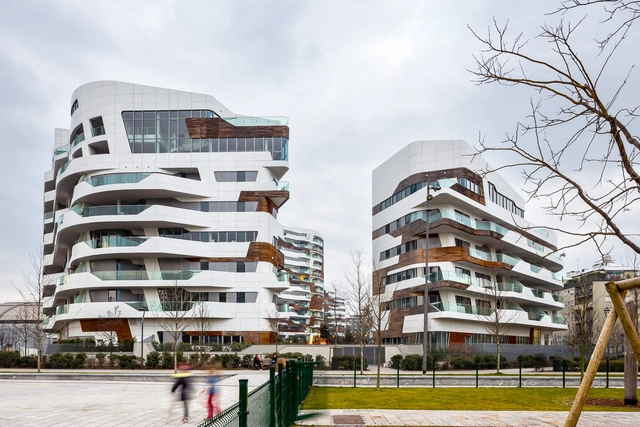

Born from an idea of Publicomm, ARCHMARATHON is the first international architectural event that brings together 42 Architecture Design Studios from different countries of the world. The first Edition was held in Milano in 2014 and hosted more than 1800 architects for the 3 day event. The 2015 Edition was done in Beirut, focusing on Arab and Mediterranean Countries, and hosted more than 8,000 architects and students in the 3 day event. Archmarathon in 2016 will take place in Milan on 13-15 May.
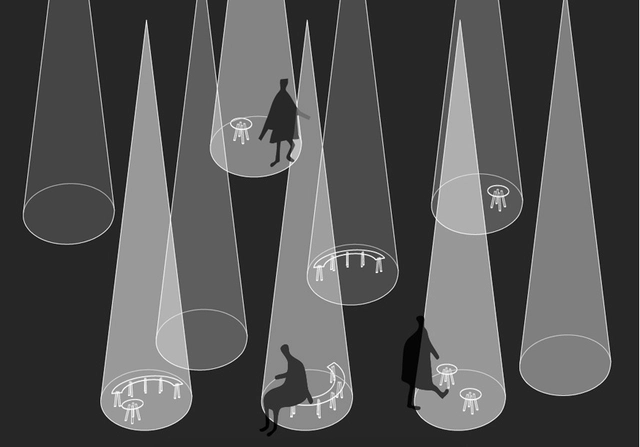
Sou Fujimoto has been commissioned by Swedish clothing brand COS to design its installation for this year's Salone del Mobile in Milan. Taking place from April 12-17, the event will be the brand's fifth year participating.
"In this installation for COS, I envisage to make a forest of light," said Fujimoto. "A forest which consists of countless light cones made from spotlights above. These lights pulsate and constantly undergo transience of state and flow. People meander through this forest, as if lured by the charm of the light. Light and people interact with one another, its existence defining the transition of the other."


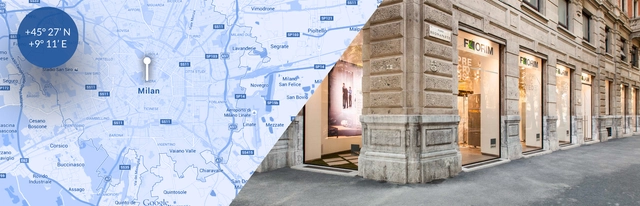
Florim has launched a competition to design a temporary architectural installation that showcases images from relevant architectural works built with ceramics. This event will take place during the International Furnishing Accessories Exhibition in the very centre of Milan and the competition is open to designers, architects and creative communities worldwide. Learn more about the competition after the break.
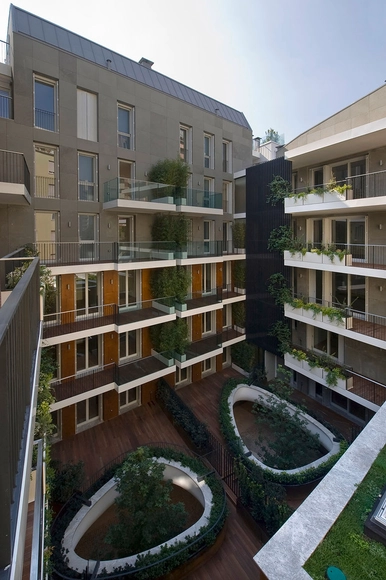
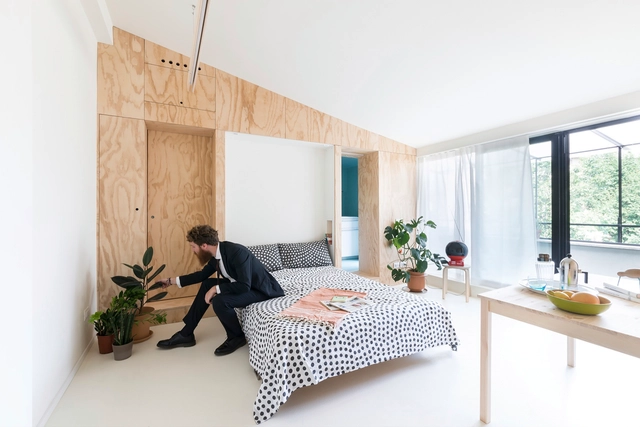
For this week's edition of The Urbanist, Monocle's weekly "guide to making better cities," the team explore why being 'number two' is not always a bad thing in an episode about second cities and the ways in which they step out of their capital's shadow. From Milan to Melbourne, the team examine how and why some cities are carving their own niche in the international business and tourism markets. They also interview the Mayor of Aarhus about the challenges – and advantages – of governing Denmark’s second city.
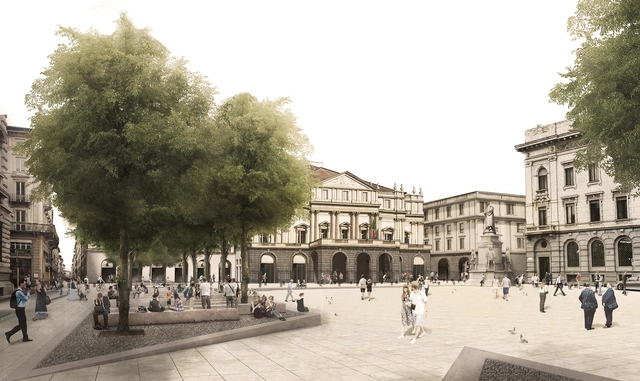
The City of Milan has announced the winners of a competition to redesign the Piazza della Scala, with a bold idea to reconfigure the Piazza similarly to its arrangement in the 19th Century taking third place. Designed by Chilean architect Cristian Undurraga in collaboration with Laura Signorelli, Stefano Rolla, Sebastián Mallea, Soledad Fernandez, Michele Zambetti, Max Daiber and Leonardo Valdés, the proposal begins with the demolition of the medieval block separating the Teatro alla Scala and the Palacio Marino, developing visual continuity to catalyze construction and improve existing spaces. Read more about the proposal after the break.
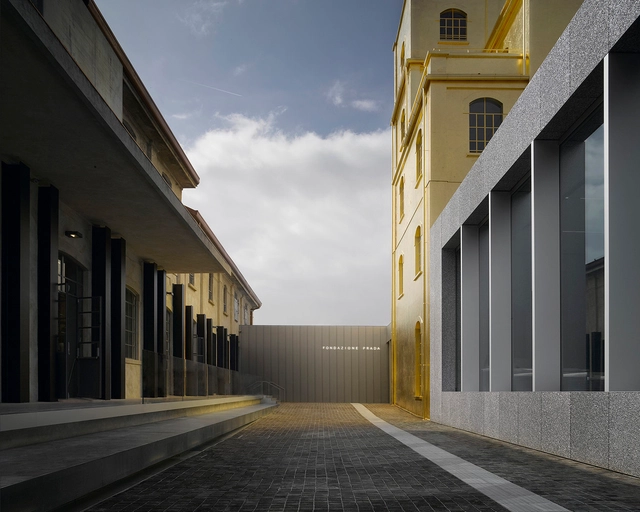
In an article for DesignCurial, Shumi Bose visits OMA's new galleries in Milan and Moscow: the Fondazione Prada and the Garage Museum of Contemporary Art. Noting that "the mythologies [between OMA and Miuccia Prada] have become inextricably intertwined" over recent years, "the purpose of [the Fondazione Prada] was to produce a range of spaces for the creation, display of and engagement with art; what results is the built realisation of a particular ethos, affording the protean OMA a return to form. And it was always going to be stylish." Bose's flowing description of the building and its spaces, which she ultimately praises as "a place which will bear return," leads into an equally compelling description of Garage for which she recognises its clear "contribution [...] in supporting, indeed composing, the very narrative of Russian contemporary art."