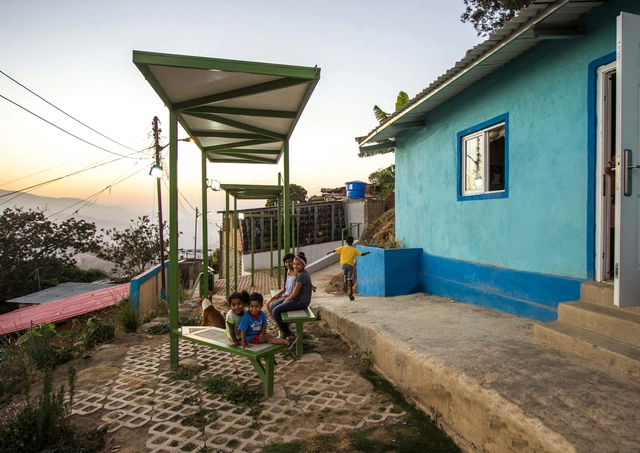
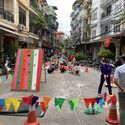
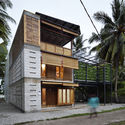
Plaza Estacional, Caracas. Gabriel Visconti Stopello AGA estudio. Fotografía: José Bastidas.. Image Cortesía de Jeannette Sordi
Throughout the world's cities, in the midst of current and projected crises-- environmental, health, economic, and otherwise--one question looms: How can we prepare our urban centers' most vulnerable sectors?
Current data paints a bleak picture of cities and the impact of climate change. With urban populations skyrocketing as people around the globe seek opportunities for a better life in the world's urban centers, cities have become gluttons for energy and other resources while simultaneously producing more emissions than ever before. On top of this, 3 out of 5 cities are at high risk for natural disasters.
Mobile playground in Vietnam. Image Courtesy of UN-Habitat, Global Public Space Programme
The Un-Habitat or the United Nations agency for human settlements and sustainable urban development, whose primary focus is to deal with the challenges of rapid urbanization, has been developing innovative approaches in the urban design field, centered on the active participation of the community. ArchDaily has teamed up with UN-Habitat to bring you weekly news, article, and interviews that highlight this work, with content straight from the source, developed by our editors.
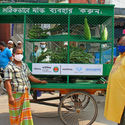
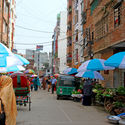
“During this pandemic, public spaces have played a vital role in the health and sustainability of urban communities around the world” states James Delaney, Block by Block chair. In fact, people need to go outside, now more than ever. In order to equip these public spaces to face the challenges of Covid-19, UN-Habitat with the Block by Block Foundation has been supporting ten cities, throughout this past year. With the help of local governments and the community, the initiatives helped covid-proof open urban entities, especially in poor neighborhoods, where there are few shared and green spaces. From creating mobile pop-up playgrounds for children in Hanoi, Vietnam, improving livelihood for street vendors in Dhaka and Khulna, Bangladesh to Covid Proofing of Public Spaces in Bhopalinformal settlements, India, these responses have provided help to those who need it the most.
When considering “How Will We Live Together”, it is important to note the projective and future tense of the phrase. The idea not only encompasses ways we already share our built environment but targets the anticipated issues that are to be tackled to facilitate communal and mutually beneficial ways of living.
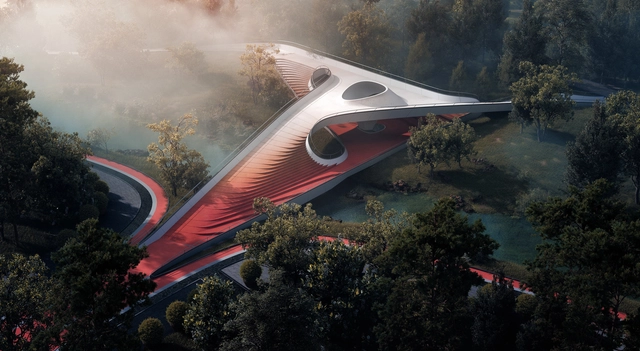
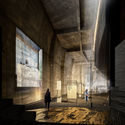
This week’s curated selection of Best Unbuilt Architecture encompasses conceptual proposals submitted by our readers. It features diverse functions and tackles different scales, from a spiraling bridge in China to a transportation hub dedicated primarily to space travel in Japan.
Comprising uncommon design approaches, this article introduces a humanitarian architectural response to the needs of the residents in an informal Egyptian settlement. In the master plan category, a Green city proposal highlights how we should develop our cities and neighborhoods in the future, and the first net-zero energy airport in Mexico reinterprets holistic design approaches. Moreover, the roundup presents different cultural interventions, from a museum in Botswana, an installation at the Burning Man festival by AI Studio, and an observatory in Vietnam.
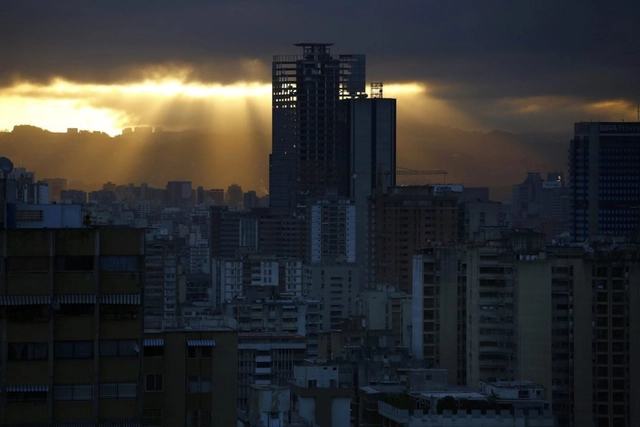
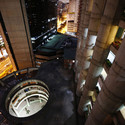
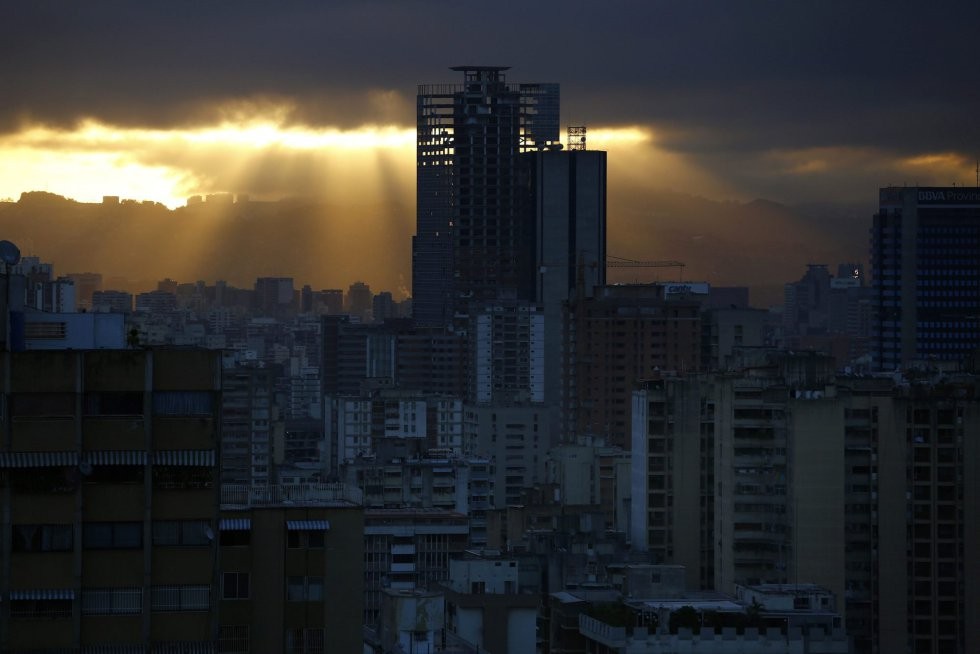
Tower of David is an unfinished financial skyscraper in downtown Caracas. Construction began on the tower in 1990, but the death of the principal investor in 1993 and the subsequent banking crisis that hit the country in 1994 froze construction; by the end of the year, the tower was in the hands of the state. Nevertheless, in 2007 two thousand homeless citizens took over and inhabited the skyscraper, making it the tallest vertical slum in the world.
(1).jpg?1614161719&format=webp&width=640&height=580)
.jpg?1614161736 "Mobile playground in Vietnam. Image Courtesy of UN-Habitat, Global Public Space Programme")
(1).jpg?1614161719)


2020_canaria__dentsu__noiz__Space_Port_Japan_Association.jpg?1597222708 "SPACEPORT CITY. Image Courtesy of Noiz Architects")