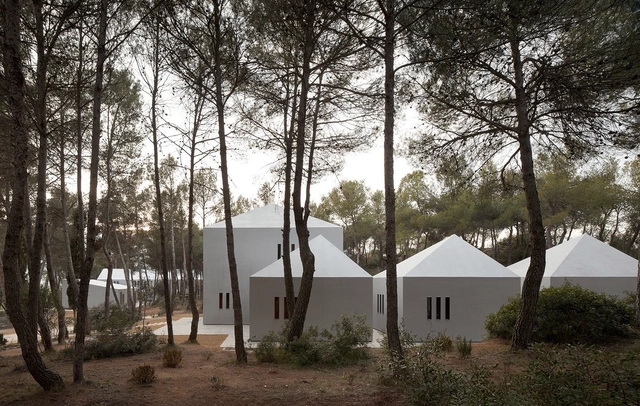
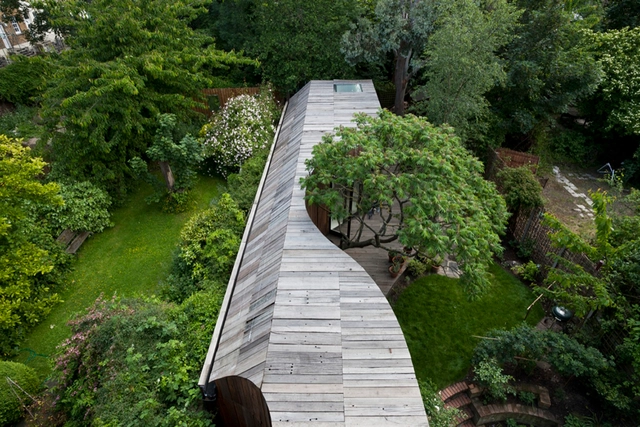
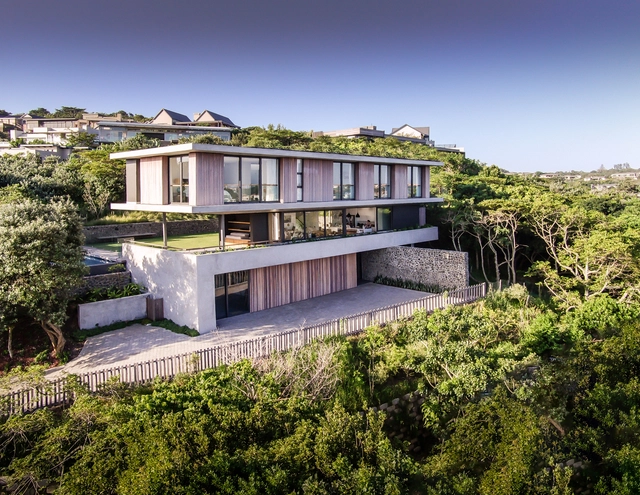
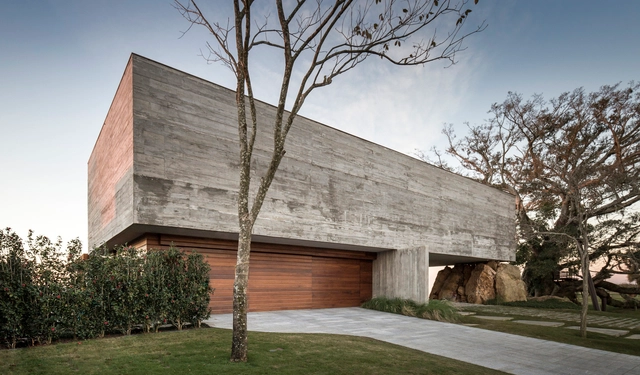
It is often claimed that “there is nothing more outdated than science fiction.” Indeed, history is awash with speculation on future ways of living, as futurists imagine how advancements in technology, trends, and social norms could alter how we live, and what we live in. The period between 1958 and 1963 could be described as “The Golden Age of American Futurism” where technological milestones such as the founding of NASA coincided with cultural icons such as The Jetsons. Some of this era’s wildest ideas centered on how the houses of the future would look.
Siluetas por cutoutmix francescaperani. Licensed under CC BY 4.0. Image
Access to housing, both in the case of purchasing or renting, with any type of financing, is usually one of the most important economic investments in people's lives. It is natural to ask oneself what considerations are necessary in order to have a knowledge base before acting.
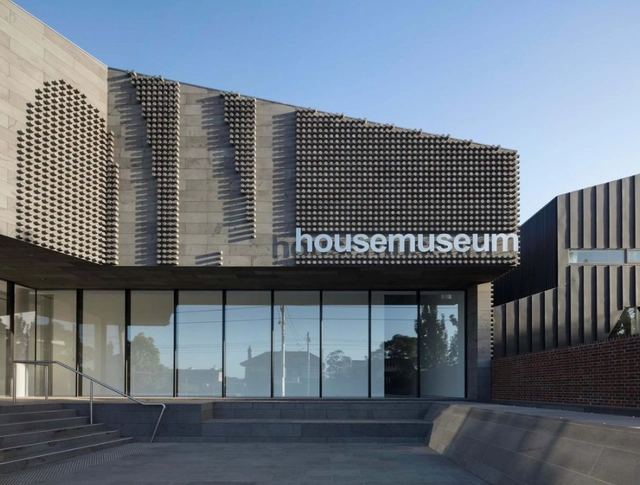
Australian architect Corbett Lyon's expansion to the Lyon Housemuseum in Melbourne has opened. The new public galleries, located adjacent to the original museum, offer space for local and international events, as well as exhibitions and installations. After establishing the Lyon Housemuseum in 2009, Lyon and his wife have been been expanding their collection with a range of work from the likes of Patricia Piccinini, Howard Arkley and Brook Andrew.
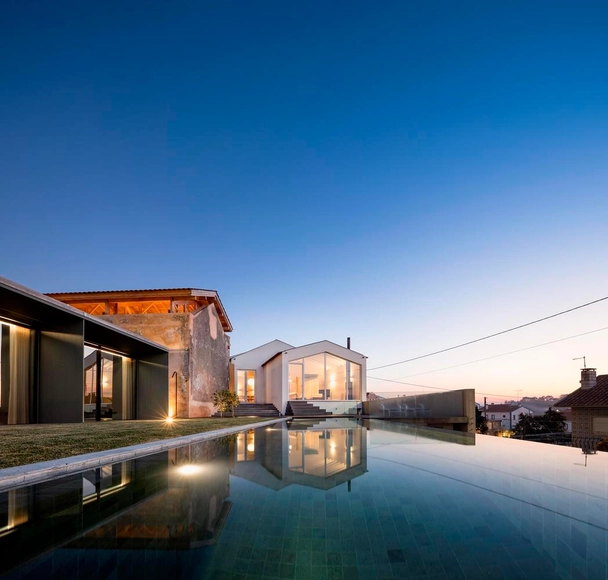
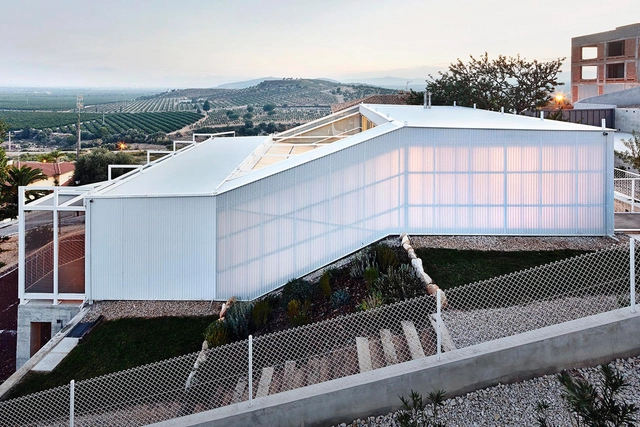
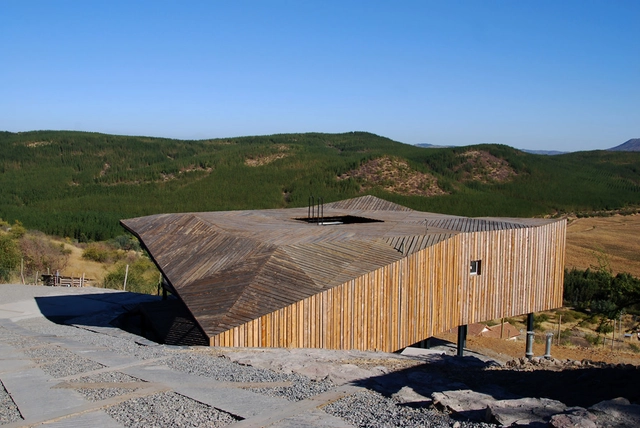
Home. Our shelter. Our private space. In an urbanized world with dense megalopolises like Tokyo, Shanghai, and São Paulo, homes are getting smaller and more expensive than ever. If you are claustrophobic, Marie Kondo is your best ally in the quest to earn some extra space. And even though private backyards have become a luxury for most, our data shows that single-family houses are still the most popular project type on ArchDaily. Why is this? (Especially when it seems incongruous given the reality of today’s crowded cities.) Why do some universities still insist on designing and building houses as academic exercises? Wouldn’t it be more creative—and more useful—to develop architecture in small-scale spaces? Would it be more rewarding to develop solutions on bigger scales?