
1. ArchDaily
  2. Coronavirus

Coronavirus: The Latest Architecture and News

Waiting Rooms, Reception Areas, & Courtyards: 43 Notable Examples of Hospital Architecture

Subscriber Access | 

Waiting Rooms, Reception Areas, & Courtyards: 43 Notable Examples of Hospital Architecture - Image 1 of 4Waiting Rooms, Reception Areas, & Courtyards: 43 Notable Examples of Hospital Architecture - Image 2 of 4Waiting Rooms, Reception Areas, & Courtyards: 43 Notable Examples of Hospital Architecture - Image 3 of 4Waiting Rooms, Reception Areas, & Courtyards: 43 Notable Examples of Hospital Architecture - Image 4 of 4Waiting Rooms, Reception Areas, & Courtyards: 43 Notable Examples of Hospital Architecture - More Images+ 39

Hospitals and projects related to healthcare must follow specific guidelines based on the rules and regulations of their country. These standards help us to design complex spaces, such as those located in areas of surgery, hospitalization, diagnostics, laboratories, and including areas and circulations that are clean, dirty, restricted or public, which create a properly functioning building.

There are a few spaces that we, as architects, can develop with great ease and freedom of design: waiting rooms, reception areas, and outdoor spaces. These are spaces where architects can express the character of the hospital. To jump-start you into this process, we have selected 43 projects that show us how creativity and quality of a space go hand-in-hand with functionality. 
When Architecture Shows Solidarity with China Combating Coronavirus

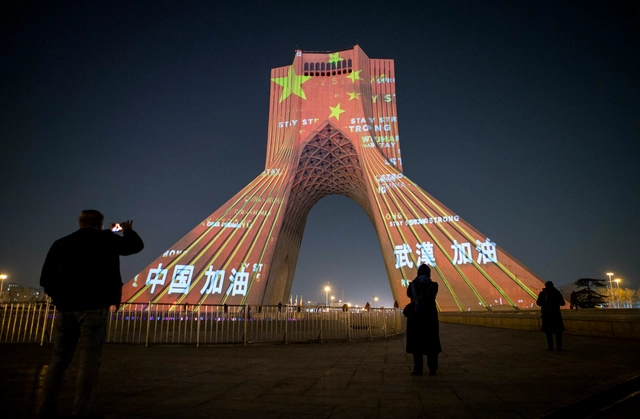
Buildings show normally slow responses to current social issues. However, in the case of the Coronavirus, dynamic media facades have started to send messages of empathy to the citizens of Wuhan. At first, the Chinese government used screens covering complete buildings to create powerful images of hope and solidarity. Later, some countries like the United Arab Emirates joined this effort while a majority of countries has not followed so far.

How Long does Coronavirus Survive on Everyday Surfaces?

Subscriber Access | 

The Coronavirus pandemic has been taking over the news for a few months now, and has imposed unimaginable changes on the daily lives of the world’s entire population. Although the situation is worrying, and rather devastating in some cases, being aware of the virus's behavior and understanding ways to avoid it seems to be the best way to deal with the crisis. COVID-19 is a respiratory disease that spreads through droplets in the air. What makes it especially dangerous is its high rate of contagion, as the virus has the ability to survive outside the human body, in the air, and on surfaces such as metal, glass and plastics, if they were not properly disinfected. But how does the virus behave on each of these materials? [Latest Update: July, 2020]

How Long does Coronavirus Survive on Everyday Surfaces? - Image 1 of 4How Long does Coronavirus Survive on Everyday Surfaces? - Image 2 of 4How Long does Coronavirus Survive on Everyday Surfaces? - Image 3 of 4How Long does Coronavirus Survive on Everyday Surfaces? - Image 4 of 4How Long does Coronavirus Survive on Everyday Surfaces? - More Images

Coronavirus Design Competition

Things aren't going too well right now. Each new day seems to add to the uncertainty about the immediate and long-term impact of the Coronavirus pandemic. Whether you think that people are overreacting or it is truly a global health emergency, one fact is objectively true: Covid-19 has affected billions of lives: if not physically than economically and mentally.

Preparing for a New World: What We Are Doing, Together With You

Dear Architects,

As we all #slowdown to reduce the impact of the COVID-19 pandemic, I want to share with you how we as a global company have faced this situation, and what we are doing (together with you!) to keep us, the architecture community, informed and connected. It is our responsibility.

Visit Over 4,500 Museums and Sites Worldwide From Your Desk With Google Arts & Culture

Users now can virtually visit museums all over the world thanks to Google Arts & Culture. The project offers 360 ° views of places that can often be inaccessible due to financial costs or distance.

A Solitary Stroll: Paris Under the Lens of Erieta Attali

Subscriber Access | 

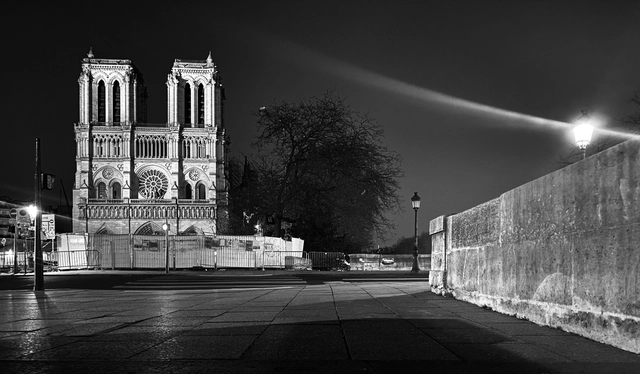
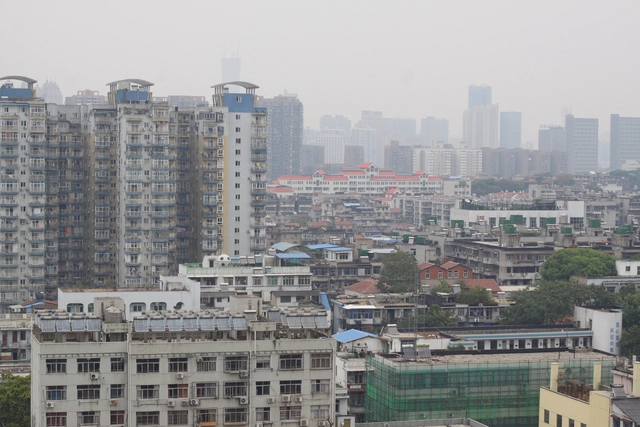
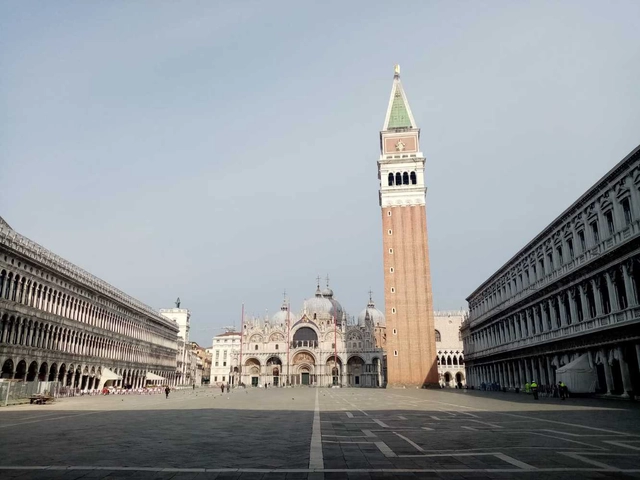
Calls to quarantine and social distancing throughout the world, in response to the novel coronavirus, have left unique and historical postcards: the cloudy canals of Venice are now crystal clear and the satellite images of China show a significant decrease in pollution. The renowned photographer Erieta Attali, with her phone in hand, was able to walk through the empty streets of Paris and portray, under her signature gaze, the French capital in isolation.

How Is Coronavirus Affecting Your Daily Routine in the Architectural Field?

The growing global coronavirus pandemic will leave profound marks on society. Perhaps not so much due to fatalities, but certainly in the way people relate to each other and to public spaces. In an attempt to reduce the rate of transmission of the disease, governments and authorities around the world have instructed people to stay at home, in the safety and hygiene of their domestic environment, and to avoid any unnecessary contact with other spaces, objects, and people.

Wuhan's Temporary Hospitals Close as Risk of Coronavirus Decreases

While the risk of COVID-19 is increasing everywhere in the world, the stable situation in Wuhan allowed officials to stop operations in the newly settled temporary hospitals to fight the Coronavirus outbreak.

Italian Architect Vittorio Gregotti Dies of Coronavirus at 92

Vittorio Gregotti, Italian architect, co-responsible for the design of 1992 Barcelona Summer Olympics stadium and the 1990 Football World Cup Marassi stadium has died of pneumonia on Sunday 15 March 2020, after catching the coronavirus. Gregotti was being hospitalized with his wife Mariana Mazza in Milan.

Architecture Measures it All: Why the Venice Biennale Should not be Postponed

Subscriber Access | 

Last week the Venice Architecture Biennale announced it would postpone its opening to August 29 of this year, while maintaining the original closure date of November 29. The duration of the Biennale will thus be reduced to three months. The reason for this intervention is clear to everyone: the Covid-19 epidemic, which has threatened the usual intense preparations for the Biennale, and which, since the decision was announced, has exacerbated to a national state of emergency. The announcement of the decision reads as a lesson in common sense.

Is Coronavirus the Beginning of the End of Offices?

Over the last three months, Coronavirus has spread to more than 100 countries and claimed more than 3,800 lives (as of 8th March 2020). It has also plunged many global industries into a paralysis, from canceled flights and mass quarantines to disruptions in supply chains and financial markets. Setting aside the serious health implications of the outbreak, the coronavirus epidemic has, in an unorthodox way, amplified a debate over the future of work. With millions of people around the world working from home as a result of the outbreak, whether through quarantine or as a company precaution, the question is being asked by outlets around the world: are we seeing the beginning of the end of the traditional office typology?

Is Coronavirus the Beginning of the End of Offices? - Image 1 of 4Is Coronavirus the Beginning of the End of Offices? - Image 2 of 4Is Coronavirus the Beginning of the End of Offices? - Image 3 of 4Is Coronavirus the Beginning of the End of Offices? - Image 4 of 4Is Coronavirus the Beginning of the End of Offices? - More Images+ 8

Venice Biennale 2020 Launch Postponed to August

Venice Biennale 2020 Launch Postponed to August - Image 1 of 4
Courtesy of La Biennale di Venezia

Venice Biennale 2020, curated by Hashim Sarkis, has been postponed and will be held from August 29th through November 29th, as announced on the event's official website.

China Completes Hospital in 10 Days to Fight Coronavirus

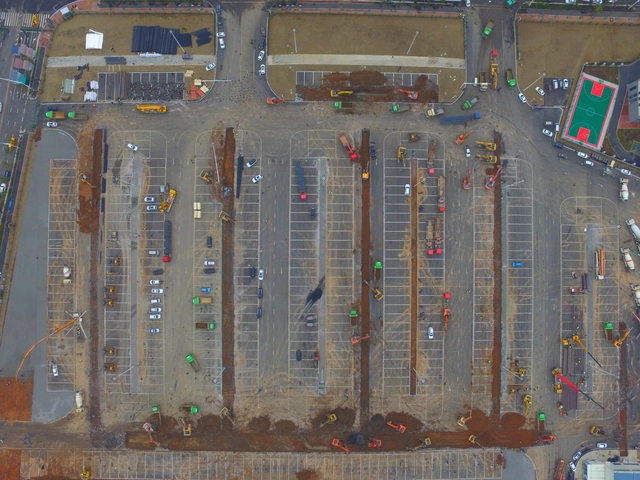
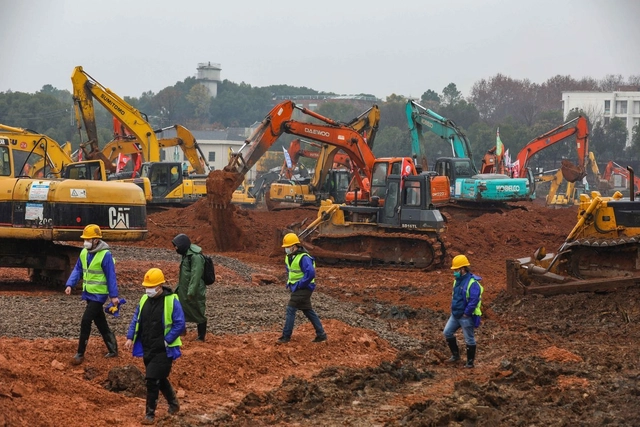
China's Wuhan City has completed construction of the 1,000-bed Wuhan Huoshenshan Hospital in under ten days. Built to treat coronavirus patients, the hospital aims to build off the previous construction of Beijing Xiaotangshan Hospital in just a week's time back in 2003. The final project was finished by a 7,000-member crew, and the hospital received its first patients on Monday morning.

How Cities and Architecture Respond to the Coronavirus

Subscriber Access | 

Does the Coronavirus concern us? Yes, it does. Beyond the rush for health cures, cities are seen to react by using both architecture and urban strategic planning as tools for the virus’ containment, shattering our notions of city and resilience planning.

China is Building a Hospital in 6 Days to Fight Coronavirus

The government of Wuhan City in China has decided to build a 1,000 bed hospital in six days to fight the recent coronavirus outbreak. The project aims builds off the previous construction of Beijing Xiaotangshan Hospital in just a week's time back in 2003. As the quarantined Wuhan City's existing hospitals are overwhelmed, they have turned to social media for medical supplies and have begun to turn away patients.